
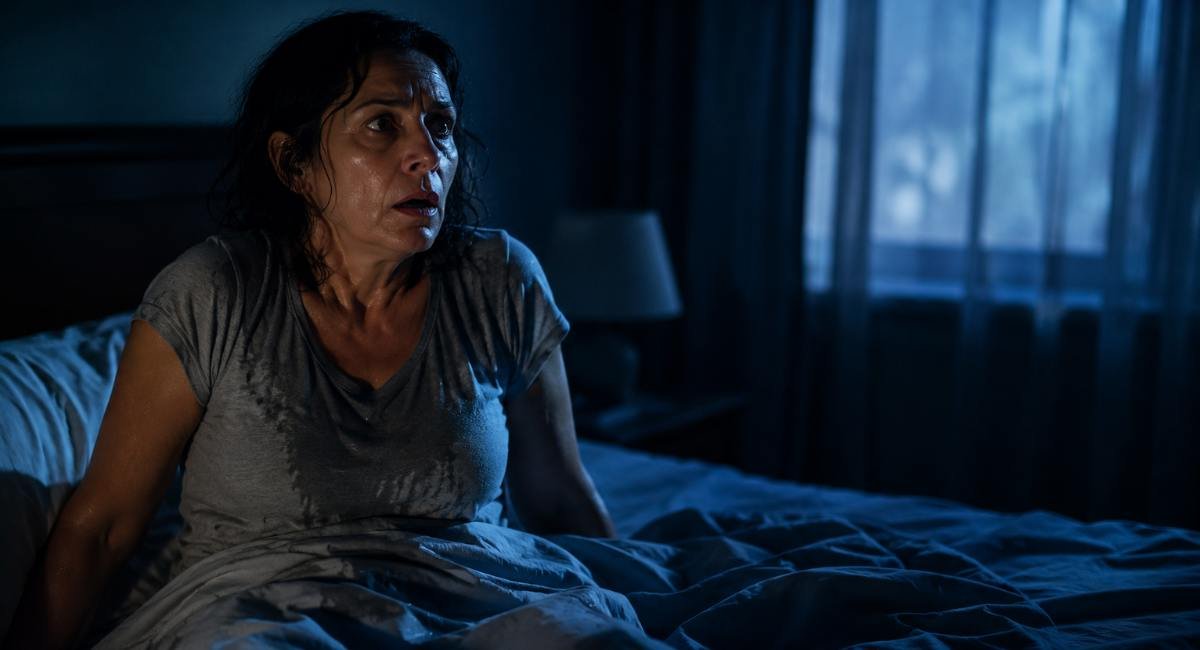
Sarah woke up at 3 a.m. for the fourth night in a row — sheets soaked, heart pounding, no fever. She’d been healthy her whole life. Nothing had changed. Or so she thought. Three weeks later, her doctor told her the culprit wasn’t stress or a warm bedroom. It was a treatable hormonal imbalance she never suspected.
Night sweats affect millions of people worldwide, yet most suffer in silence — blaming the thermostat, their mattress, or “just getting older.” The truth is far more nuanced. Night sweats can signal anything from a minor lifestyle issue to a serious underlying condition that needs prompt medical attention.
This guide breaks down every major cause of night sweats, what the latest research says about treatment, and — most importantly — the warning signs that mean it’s time to call your doctor. You’ll leave with a clear action plan, not just a list of possibilities.
What Are Night Sweats?
Night sweats — medically called sleep hyperhidrosis — are episodes of excessive sweating during sleep that soak through your clothing or bedding, regardless of how cool the room is. That last part matters: if you’re sweating because your bedroom is hot, that’s not a true night sweat.
A 2022 review published in The American Journal of Medicine found that up to 41% of patients in primary care settings report night sweats — making them one of the most commonly overlooked complaints in general medicine. They’re more common than most people assume, yet the cause is correctly identified far less often than it should be.
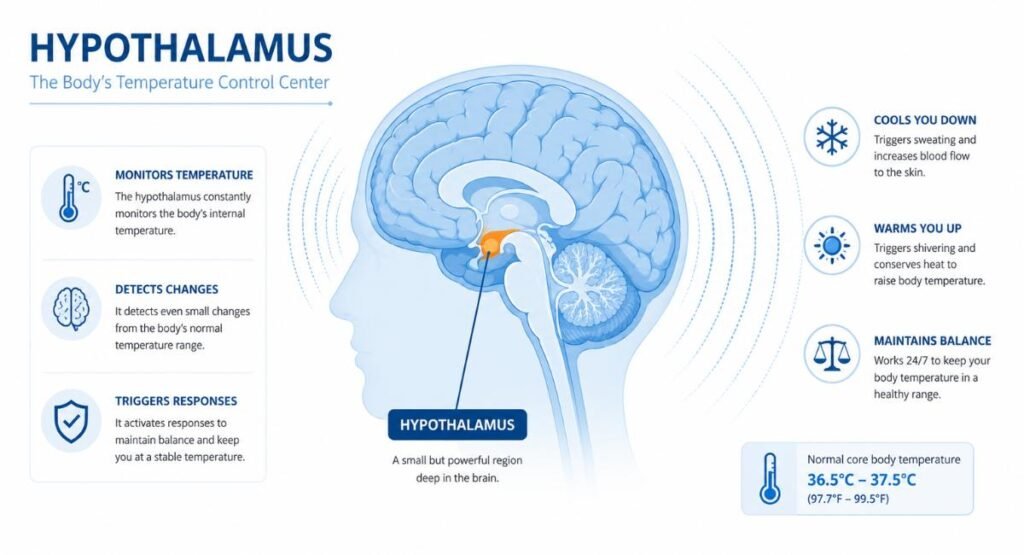
True night sweats originate from inside the body. Your internal thermostat — controlled by the hypothalamus in the brain — misfires and triggers sweating even when external temperatures are normal. The causes range from hormonal shifts and infections to medications and, occasionally, more serious diseases.
Understanding the difference between primary hyperhidrosis (sweating with no known cause) and secondary hyperhidrosis (sweating linked to an identifiable condition) is the first step toward getting real relief.
Common Causes of Night Sweats
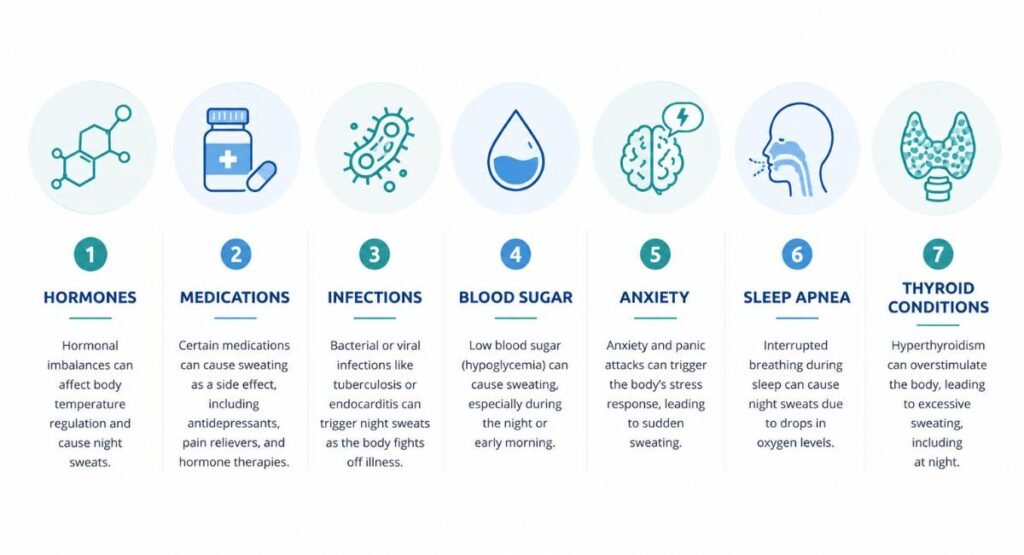
Here’s what the research actually shows — and a few causes that consistently get missed by other health articles.
Hormonal Changes
Menopause is the most widely recognized cause. Hot flashes and night sweats affect up to 80% of women during perimenopause and menopause, according to the North American Menopause Society. But hormonal disruption also affects men: low testosterone (andropause) can trigger similar episodes in men over 40.
Medications
This is one of the most under-discussed triggers. A 2020 systematic review in Mayo Clinic Proceedings identified these drug classes as frequent culprits:
- Antidepressants (especially SSRIs and SNRIs)
- Fever-reducing medications like aspirin and acetaminophen
- Diabetes medications that lower blood sugar
- Hormone therapies, including steroids
- Opioid pain medications
Infections
Tuberculosis is historically linked to night sweats (“consumption” was nicknamed for the wasting it caused). But HIV, endocarditis (heart valve infection), fungal infections, and even a simple abscess can all trigger night sweats. If you have sweats alongside unexplained weight loss or fever, infection must be ruled out.
Blood Sugar Dysregulation
Nocturnal hypoglycemia — low blood sugar while sleeping — causes the body to release adrenaline, which triggers sweating. This is especially common in people with diabetes who take insulin or certain oral medications.
Sleep Disorders
Obstructive sleep apnea causes repetitive oxygen drops overnight. Your body responds with stress hormones — and sweating. A 2013 study in Sleep Medicine found that night sweats were reported three times more often in patients with obstructive sleep apnea than in healthy controls.
Anxiety and Stress
The sympathetic nervous system (your “fight or flight” system) doesn’t fully switch off during sleep in people with chronic anxiety. Elevated cortisol and adrenaline keep sweat glands activated well past midnight.
Less Common But Important Causes
- Lymphoma and leukemia (night sweats are a “B symptom” in lymphoma staging)
- Hyperthyroidism (overactive thyroid)
- Autoimmune conditions like rheumatoid arthritis
- Gastroesophageal reflux disease (GERD) — a surprisingly frequent but rarely mentioned trigger
- Alcohol use
Signs & Symptoms: What to Pay Attention To
Not all nighttime sweating is equal. Knowing what accompanies your sweats is often more diagnostically useful than the sweating itself.
Classic Night Sweat Profile
Typical night sweats soak your sleepwear and sheets, wake you from sleep, and resolve once you cool down. They may or may not be accompanied by a sensation of warmth or flushing. For menopausal women, this flushing (hot flash) often precedes the sweat by seconds.
Red-Flag Symptoms (Seek Care Promptly)
Call your doctor — or go to urgent care — if your night sweats come with any of the following:
- Unexplained weight loss (more than 5% of body weight over 6 months)
- Persistent fever (even low-grade, over several days)
- Swollen lymph nodes in the neck, armpits, or groin
- Blood in urine, stool, or cough
- Chest pain or palpitations
- New or worsening cough
Symptom Patterns That Hint at the Cause
Sweating that begins in the early hours of the morning (around 3–4 a.m.) and improves after eating may suggest nocturnal hypoglycemia. If sweating occurs alongside daytime anxiety and a rapid heartbeat, hyperthyroidism or a panic-related pattern may be possible. Symptoms that started after beginning a new medication are often drug-related until proven otherwise.
Treatment Options for Night Sweats
Treatment depends entirely on the underlying cause — which is why getting an accurate diagnosis matters more than jumping to remedies. That said, here are the most evidence-backed options across categories.
Hormone Therapy (Menopause-Related Night Sweats)
Hormone replacement therapy (HRT) remains the most effective treatment for menopausal night sweats. A 2017 Cochrane Review of 24 trials found that HRT reduced hot flash frequency by 75% compared to placebo. However, HRT carries risks — including slightly elevated risk of blood clots and certain cancers in some women — so it requires individual medical evaluation.
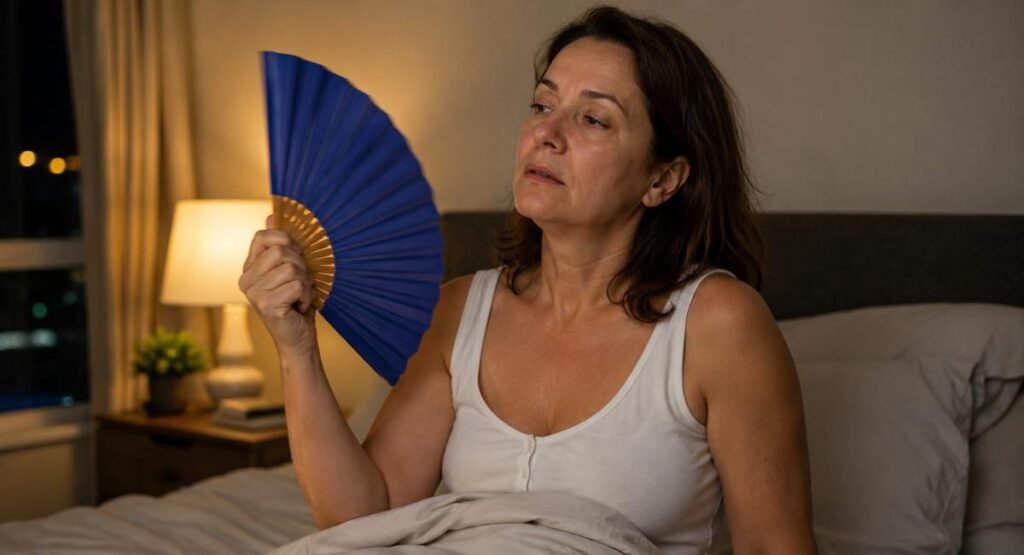
For women who cannot use estrogen, non-hormonal prescription options such as paroxetine (an SSRI), gabapentin, and clonidine show moderate effectiveness in clinical trials.
Treating the Underlying Condition
When an infection, blood sugar problem, or sleep apnea is the cause, treating that condition resolves the night sweats. CPAP therapy for sleep apnea, for example, often eliminates associated night sweats within weeks.
Medication Review
If a drug is the cause, your doctor may switch you to an alternative or adjust the timing of your dose. Never stop a prescribed medication without medical guidance.
Cognitive Behavioral Therapy (CBT)
A 2013 randomized controlled trial in Menopause journal found that CBT significantly reduced the distress and perceived severity of hot flashes and night sweats — even when sweat volume didn’t change. This makes CBT a valuable tool alongside other treatments.
Treatment Comparison: What Works for Night Sweats
| Option | How It Works | Evidence Level | Best For | Side Effects |
|---|---|---|---|---|
| Hormone Replacement Therapy (HRT) | Replaces declining estrogen/progesterone to stabilize the hypothalamus | Meta-analysis (Cochrane, 2017) | Menopausal/perimenopausal women | Blood clot risk, breast tenderness, nausea; individual risk assessment required |
| SSRIs / SNRIs (e.g., paroxetine, venlafaxine) | Modulate serotonin to reduce hypothalamic temperature swings | Multiple RCTs | Women who can’t use estrogen; anxiety-related sweats | Sexual dysfunction, nausea, insomnia — especially early in treatment |
| Gabapentin | Reduces nerve signaling that triggers sweating episodes | RCT (Guttuso et al., 2003) | Non-hormonal menopause; cancer survivors | Dizziness, drowsiness, weight gain |
| CPAP Therapy | Prevents oxygen drops from sleep apnea that trigger stress-hormone sweating | Clinical studies + expert consensus | Confirmed obstructive sleep apnea | Initial discomfort; mask fit issues; minimal systemic risk |
| Cognitive Behavioral Therapy (CBT) | Reduces perceived severity and distress; retrains nervous system response | RCT (Ayers et al., 2012) | Anxiety-driven sweats; menopause distress | Time commitment; requires trained therapist |
| Clonidine | Alpha-2 agonist that calms the autonomic nervous system | RCT; moderate evidence | Mild menopause sweats; tamoxifen-related sweats in breast cancer patients | Low blood pressure, dry mouth, dizziness |
Natural Remedies & Lifestyle Changes — What the Evidence Actually Says
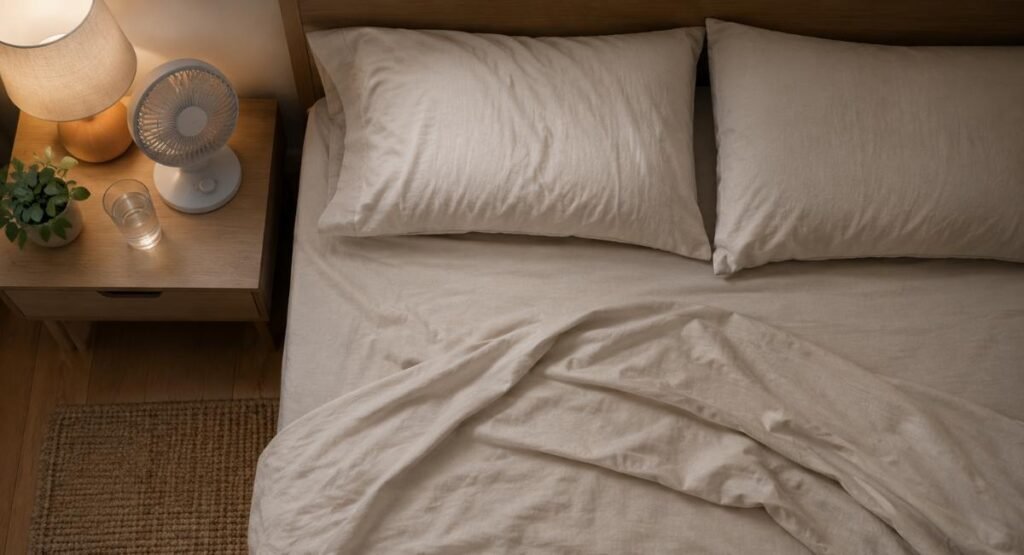
Not everything labeled “natural” works — and not everything that works is a pill. Here’s what has real evidence behind it.
Sleep Environment Optimization
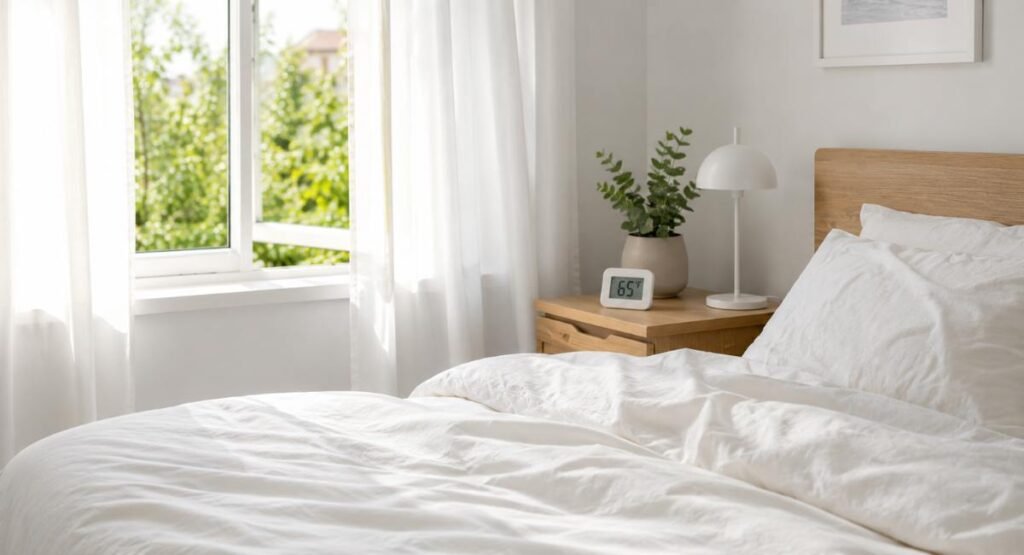
Research from the National Sleep Foundation suggests keeping your bedroom between 60–67°F (15–19°C). Moisture-wicking bedding and breathable sleepwear (bamboo or cotton blends) can reduce perceived sweat severity significantly without any medication.
Black Cohosh
Black cohosh is among the most studied herbal remedies for menopausal symptoms. A 2010 meta-analysis in Maturitas found it may modestly reduce hot flash frequency. However, results across trials are inconsistent, and it’s not recommended for women with liver problems. Consult a doctor before use.
Reducing Alcohol and Caffeine
Both alcohol and caffeine dilate blood vessels and stimulate the nervous system — two mechanisms directly linked to triggering sweating episodes. A 2019 study in Menopause found alcohol was the dietary trigger most strongly associated with nighttime hot flashes and sweats in menopausal women.
Mindfulness and Relaxation Techniques
A 2012 randomized trial in Menopause found that mindfulness-based stress reduction (MBSR) reduced the frequency and bother of hot flashes and night sweats in breast cancer survivors. Diaphragmatic breathing practiced at bedtime may also calm the hypothalamic response.
What Probably Doesn’t Help
Phytoestrogens (soy isoflavones) show inconsistent results across trials. Evening primrose oil has not demonstrated significant benefit in rigorous studies. Be cautious of supplements marketed aggressively with no published clinical data.
7 Practical Ways to Reduce Night Sweats Starting Tonight
- Cool your bedroom to 60–67°F before bed. Use a fan, air conditioning, or open a window. Your core temperature naturally drops during sleep — help it along.
- Switch to moisture-wicking sleepwear. Bamboo or technical-fabric pajamas move sweat away from your skin, reducing discomfort and waking episodes.
- Avoid alcohol within 3 hours of sleep. Even one drink can trigger a vasodilation response that wakes you sweating hours later.
- Cut caffeine after noon. Caffeine has a 5–6 hour half-life. An afternoon coffee keeps your sympathetic nervous system active well into the night.
- Eat a light, low-sugar snack before bed if you’re prone to hypoglycemia. A small amount of complex carbohydrate (like whole-grain crackers) can stabilize blood sugar through the night.
- Review all medications with your doctor. Bring a full list — including supplements — and specifically ask if night sweats are a known side effect of any.
- Keep a sweat diary for two weeks. Log timing, duration, associated symptoms, what you ate, exercise, and stress level. This data is invaluable at a doctor’s appointment.
The Night Sweat Causes Most Articles Skip
Search the top results for night sweats, and you’ll find the same loop: menopause, anxiety, infection. All valid — but incomplete. Here are three causes that get systematically overlooked, even by well-meaning health sites.
Men Get Night Sweats Too — And Rarely Get Answers
Most night sweat content is written for women. Yet men experience significant night sweats from low testosterone (male hypogonadism), obstructive sleep apnea (which is more common in men), and alcohol-related autonomic disruption. A 2022 study in Andrology found that nearly 1 in 5 men over 45 with low testosterone reported significant night sweats — yet fewer than 30% had ever discussed it with a physician.

If you’re a man waking up drenched and no one has checked your testosterone or referred you for a sleep study, ask. You deserve the same diagnostic workup women receive for this symptom.
GERD: The Surprising Sweat Trigger
Gastroesophageal reflux disease causes acid to move toward the esophagus during sleep — especially when lying flat. The body responds to this irritation with a stress response that can trigger sweating. Many patients treat their reflux and find their night sweats resolve simultaneously, having never connected the two. If you have frequent heartburn and night sweats, this connection is worth raising with your doctor.
Your Antidepressant Might Be the Culprit
SSRIs and SNRIs are prescribed to tens of millions of people. Night sweats are listed as a side effect in clinical trials — but rarely emphasized during prescribing. A 2018 paper in Primary Care Companion for CNS Disorders reported that up to 22% of patients on venlafaxine (Effexor) experienced significant night sweats. Switching to a different antidepressant or adjusting timing (taking the dose in the morning rather than at night) can resolve the sweats without stopping treatment.
The point: if your night sweats started within weeks of starting or changing a medication, that timing is not a coincidence. Bring it up.
Night Sweats: Myths vs. Facts
| ❌ Myth | ✅ Fact | Source |
|---|---|---|
| Night sweats are only a menopause problem. | Men, teenagers, and children can all experience night sweats. Causes span infections, medications, blood sugar issues, and sleep disorders across all ages and genders. | Mayo Clinic; American Family Physician |
| If you’re sweating at night, you must have cancer. | Cancer is a rare cause. The vast majority of night sweats have benign, treatable causes — medications and hormonal changes being the most common. | NIH; Cleveland Clinic |
| A warm bedroom is always to blame. | True night sweats occur regardless of room temperature. If cooling the room stops the sweating, it’s environmental — not sleep hyperhidrosis. | American Academy of Sleep Medicine |
| Night sweats are harmless and don’t need medical evaluation. | Persistent night sweats lasting more than a few weeks, especially with other symptoms, warrant a medical workup. They can be the first sign of a treatable condition. | American Journal of Medicine (2022) |
| Drinking water before bed will stop night sweats. | Hydration helps overall health but does not address the underlying cause of night sweats. It may slightly reduce dehydration from sweating but won’t prevent episodes. | Expert consensus; no supporting RCT data |
⚠️ When to See a Doctor
See your doctor within the next 1–2 weeks if night sweats have persisted for more than a month and you haven’t identified a clear cause (like a new medication or a known menopause diagnosis).
Seek care sooner — within days — if your night sweats are accompanied by any of these: unexplained weight loss, persistent fever, swollen glands, a new persistent cough, or unusual fatigue that doesn’t improve with rest.
Go to the emergency room immediately if you also have chest pain, difficulty breathing, coughing up blood, or confusion. These combinations can signal a serious underlying condition that needs urgent evaluation.
At your appointment, bring a two-week sweat diary, a full medication list, and a note of any other new symptoms — no matter how unrelated they seem. This dramatically speeds up diagnosis.

Frequently Asked Questions About Night Sweats
Can night sweats be caused by stress alone?
Yes — chronic stress and anxiety keep the sympathetic nervous system activated, which can trigger sweating during sleep. However, stress-related night sweats typically improve alongside anxiety management. If sweating persists even during periods of calm, another cause should be investigated. Cognitive behavioral therapy and mindfulness-based approaches have shown measurable improvement in stress-driven night sweats in clinical trials.
How are night sweats diagnosed?
There’s no single test for night sweats. Your doctor will take a thorough history, review your medications, and likely order blood tests — including a complete blood count, thyroid function tests, blood glucose, and hormone levels. In some cases, a sleep study to rule out obstructive sleep apnea may also be recommended. The diagnostic process is guided almost entirely by your accompanying symptoms and sweat pattern.
Do night sweats affect men differently than women?
The experience of soaking night sweats is similar, but the most common causes differ. In women, perimenopause and menopause dominate; in men, sleep apnea and low testosterone are more frequently the culprit. Men are also more likely to have alcohol-related night sweats due to statistically higher alcohol consumption. Both sexes can be affected by medications, infections, and blood sugar dysregulation equally.
Can children have night sweats?
Yes. Children can experience night sweats due to infections, sleep-disordered breathing, growing pains (which elevate body temperature slightly), or anxiety. Most childhood night sweats are benign and linked to overheating or illness. However, if a child has persistent night sweats with weight loss, fever, or fatigue, pediatric evaluation is essential to rule out rarer causes including lymphoma, which, while uncommon, does occur in children.
Are night sweats a side effect of COVID-19?
Yes. Both acute COVID-19 infection and long COVID (post-COVID syndrome) have been associated with night sweats. A 2022 study published in PLOS Medicine found night sweats among the top reported symptoms in long COVID patients, alongside fatigue and cognitive difficulties. If night sweats began or worsened following a COVID infection, mention this timeline to your doctor — it may be a treatable component of post-COVID autonomic dysregulation.
Will night sweats go away on their own?
Sometimes — especially if caused by a passing illness, a short course of medication, or temporary stress. However, night sweats that last more than 4–6 weeks without an obvious trigger rarely resolve without identifying and addressing the underlying cause. Treating the root problem (whether that’s sleep apnea, a medication switch, or hormone therapy) almost always produces faster and more reliable relief than waiting them out.
What is the single most important thing I can do tonight?
Lower your room temperature to 60–67°F, switch to moisture-wicking sleepwear, and avoid alcohol. Then start a sweat diary. These steps cost nothing, cause no side effects, and give you data your doctor genuinely needs. If symptoms persist beyond 4 weeks despite these changes, book an appointment. Night sweats are a symptom, not a life sentence — most causes are treatable once identified.
The Bottom Line
Night sweats are more than a nuisance. They’re your body signaling that something deserves attention — whether that’s a medication adjustment, a hormonal shift, a sleep disorder, or something that needs prompt evaluation. The good news is that the vast majority of causes are identifiable and treatable.
Start with what you can control tonight: cool your room, avoid alcohol, track your symptoms. Then bring that data to a doctor who takes this seriously. You deserve a diagnosis, not just a sympathy nod.
If this article helped you, consider sharing it with someone who keeps waking up soaked and blaming their blankets. And if you’re ready to go deeper, explore our related guides on sleep disorders, managing menopause symptoms, and hyperhidrosis treatment options.
⚠️ Medical Disclaimer
This article is for educational and informational purposes only. It is not intended as medical advice, diagnosis, or treatment. Always consult a qualified healthcare professional before making any health decisions. If you are experiencing a medical emergency, call your local emergency services immediately.