
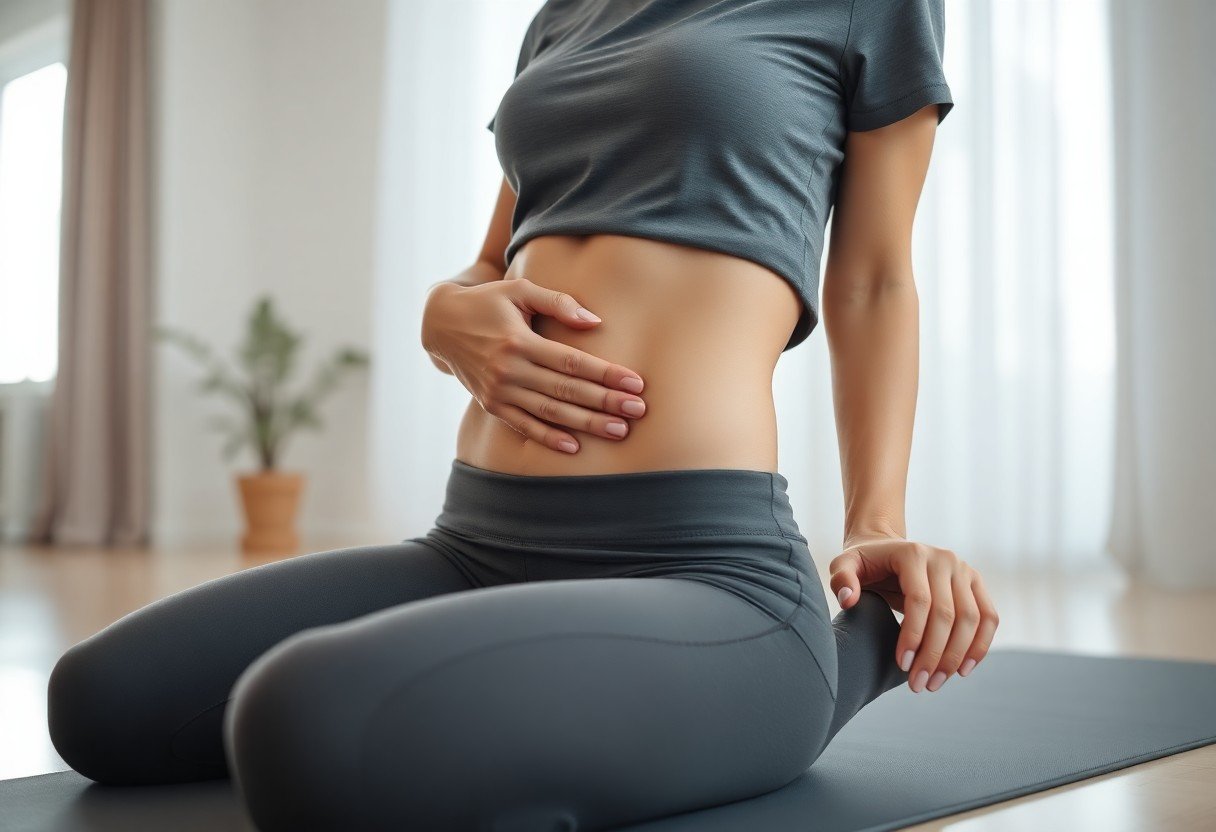
Pelvic floor exercises protect continence and sexual health; you can reduce incontinence risk with a simple daily five-minute routine using targeted squeezes and relaxations to build strength and improve bladder control while lowering pelvic and back pain.
The Anatomy and Physiological Importance of the Pelvic Floor
Anatomy shows the pelvic floor is a layered group of muscles and connective tissue that support pelvic organs, maintain continence, and coordinate with your breathing and core muscles to stabilize the spine and pelvis under load.
The Role of the Pelvic Diaphragm in Core Stability
Diaphragm muscles like the levator ani work with the diaphragm and transverse abdominis so you can manage intra‑abdominal pressure and keep the spine aligned; strengthening them improves core stability and can reduce back pain.
Identifying Common Symptoms of Pelvic Floor Dysfunction
Recognizing signs such as urinary leakage, urgency, pelvic pressure, pain with intercourse, constipation, or fecal leakage helps you spot dysfunction; seek care for sudden inability to control bowel or bladder, while many symptoms improve with targeted training.
Sometimes symptoms are intermittent or worsen with coughing, lifting, or prolonged sitting, and may present mainly as pelvic pain; you should track triggers, timing, and bowel or urinary changes to guide assessment, and seek prompt evaluation for fever, severe pain, or bleeding, while pelvic floor rehabilitation often reduces symptoms.
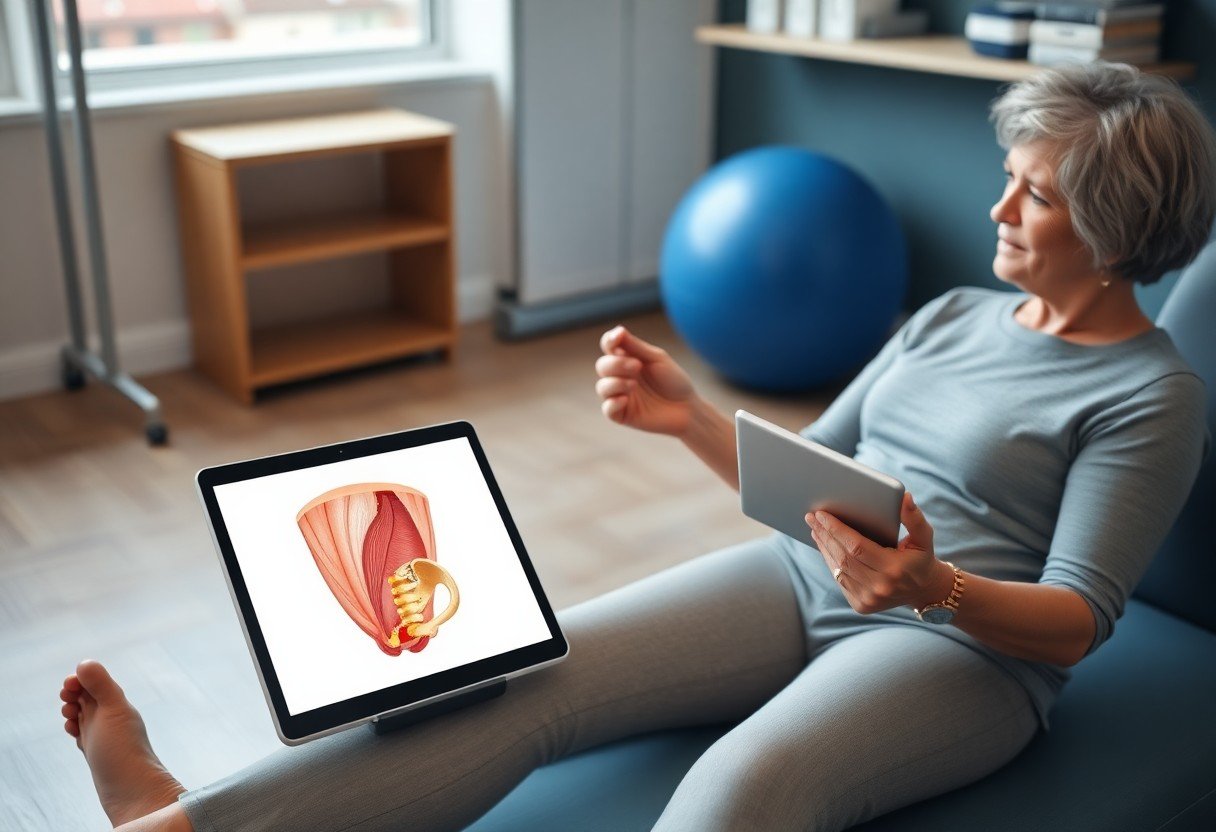
Foundational Preparation: Establishing the Mind-Muscle Connection
Practice gentle, focused contractions so you learn to sense an inward lift and release; pair these with calm breathing and slow holds. Use tactile feedback, mirrors, or biofeedback to refine cues, and avoid bearing down since increased pressure can worsen symptoms while a clear mind-muscle connection improves control.
Clinical Techniques for Identifying the Correct Muscle Groups
Palpation, external observation with a mirror, and surface EMG or biofeedback can confirm you’re activating the pelvic floor. You can try a brief stop‑urine test as a diagnostic check, but do not use stopping urine as an exercise; clinical guidance ensures accurate identification and safe progress.
The Relationship Between Diaphragmatic Breathing and Pelvic Tension
Breathing from your diaphragm encourages the pelvic floor to lengthen on inhale and coordinate on exhale, helping you release unnecessary tension; breath-holding or straining increases pelvic floor tightness, while diaphragmatic breathing supports relaxation and better exercise response.
Tension often arises when you brace or hold your breath, disrupting the synchronized movement between diaphragm and pelvic floor; practice slow inhales feeling gentle expansion, then exhale while allowing the pelvic floor to lift or relax as needed. Use 4-6 second cycles, monitor for Valsalva or straining, and seek feedback if symptoms like pain or incontinence persist so you correct patterns safely.
Primary Isolation Exercises for Muscle Toning
Practice isolating the pelvic floor by focusing on small, precise contractions rather than whole-core bracing. You should aim for controlled holds and light tension, emphasizing clean isolation, consistent daily practice, and avoidance of bearing down to prevent strain.
The Sustained Kegel: Techniques for Endurance and Hold
You perform slow lifts, holding each contraction for up to 10 seconds then resting the same length; this builds endurance and control, and stop if you feel sharp pain.
Rapid Contractions for Improving Reflexive Strength
Perform quick, strong squeezes lasting 1-2 seconds, repeating 10-15 times to train fast responses; avoid breath-holding and keep shoulders relaxed.
Short bursts train the reflex that helps you stop leaks during coughs or sudden effort; progress by adding more sets, keeping contractions crisp, and pausing if fatigue blurs form to reduce injury risk.
Supine Pelvic Tilts with Deep Core Activation
Lie on your back with knees bent and exhale as you tilt the pelvis, engaging the pelvic floor gently; hold briefly and relax while focusing on deep core activation.
Focus on coordinating breath and pelvic lift so your pelvic floor and transverse abdominis fire together; perform 8-12 slow reps, maintain a neutral spine, and avoid neck strain by keeping the head supported.
Functional Integration into Daily Activities
Practice integrating pelvic contractions into everyday moves like lifting, climbing stairs, and carrying groceries so you make them habitual; pre-activate before effort to reduce stress on tissues, lower your leakage risk, and avoid breath-holding when straining.
Incorporating Pelvic Support into Squats and Lunges
During squats and lunges, cue your pelvic floor to lift gently as you descend, keep a neutral spine, breathe steadily, avoid breath-holding and straining, and exhale as you stand to maintain support and protect pelvic organs.
The Knack Maneuver: Managing Sudden Intra-abdominal Pressure
Before coughing, sneezing, or lifting, quickly squeeze your pelvic floor so the contraction precedes the pressure; this reduces leakage and bulging when you need sudden support.
Train the knack by rehearsing quick, focused pelvic lifts paired with coughs, sneezes, or mock lifts so your timing improves; avoid breath-holding and keep contractions brief rather than prolonged. If you notice pain, increased bulge, or persistent symptoms, consult a pelvic health specialist for tailored guidance.
Maintaining Optimal Pelvic Alignment During Sedentary Tasks
While sitting for long periods, align your pelvis upright with feet flat and a slight lumbar curve, perform gentle pelvic floor lifts hourly, and avoid slouching to minimize pressure on pelvic tissues.
Adjust your workstation so hips and knees are level, choose a firm chair, set reminders to reconnect with your pelvic floor, and pair short micro-breaks with brief contractions; over time this reduces fatigue and lowers risk of leakage and pelvic discomfort. If symptoms worsen or pain develops, seek professional assessment.
Advanced Progression and Long-term Maintenance
You should progress by increasing challenge, varying positions, and integrating pelvic-floor work into daily movements while watching symptoms; focus on quality contractions, schedule regular check-ins, and stop if you experience sharp pain or bulging pressure.
Progression vs Maintenance
| Progression | Maintenance |
|---|---|
| Increase hold time and resistance in small weekly steps | Perform shorter, frequent sessions to preserve gains |
| Add functional patterns: single-leg, rotational, loaded lifts | Include pelvic-floor cues during daily tasks and workouts |
| Introduce reactive drills for timing and reflex control | Schedule periodic high-quality testing under fatigue |
| Monitor symptoms and scale back when needed | Maintain consistent practice to prevent relapse |
- Increase challenge in 5-15% steps for resistance or 5-10 seconds for holds.
- Vary context: standing, walking, loaded lifts, and sport-specific drills.
- Track symptoms, training load, and fatigue; reduce impact if urgency or leakage rises.
- Plan deload weeks and prioritize recovery, breathing, and posture alignment.
- Consult a pelvic-health specialist for new or worsening pelvic pressure or pain.
Implementing Progressive Overload and Time-Under-Tension
Apply small increases in hold duration or added resistance weekly, using slow, controlled contractions to build endurance while avoiding breath-holding; stop if you detect sharp discomfort or worsening symptoms.
Dynamic Stability Exercises for High-Impact Lifestyles
Include single-leg hops, lateral bounding with soft landings, and rotational medicine-ball throws to train reactive pelvic control, keeping volume moderate and form strict to limit impact-related leakage.
Practice progressions starting from stable single-leg holds, then add slow hops, multidirectional bounds, and reactive drills; integrate these into sport warm-ups and simulate fatigue to test control. Watch for any increase in pressure, urgency, or bulging-if present, reduce intensity and consult a clinician. Consistent, measured exposure builds neuromuscular timing and lowers the chance of symptom recurrence.
Final Words
From above you see that short daily pelvic floor exercises strengthen control, reduce leakage, and improve core stability; practice Kegels, timed holds, bridges, and mindful breathing consistently, track progress, and increase reps safely to secure lasting benefits.
FAQ
Q: What are pelvic floor muscles and what do they do?
A: Pelvic floor muscles form a sling of tissue and muscle across the base of the pelvis that supports the bladder, uterus or prostate, and rectum. These muscles help control urinary and bowel continence, contribute to sexual function, and work with the deep abdominal and back muscles to stabilize the spine and pelvis.
Q: Why should I strengthen my pelvic floor with daily exercises?
A: Strengthening pelvic floor muscles reduces urine leakage, can ease pelvic organ prolapse symptoms, and often improves sexual response and pelvic stability. Stronger pelvic floor muscles can also lessen low back pain by improving core support and may help recovery after childbirth or pelvic surgery.
Q: How can I find and correctly contract my pelvic floor muscles?
A: To find the correct muscles, try stopping the flow of urine briefly or imagine lifting and squeezing around the urethra and rectum. A gentle inward lift and squeeze without tightening the buttocks, thighs, or abdominal wall signals correct activation. If you feel breath-holding, bearing down, or movement in the glutes or abs, relax and try a lighter, more focused squeeze.
Q: What simple daily exercises can I do at home?
A: Basic Kegels: sit or lie comfortably, tighten pelvic floor muscles, hold 5-10 seconds, then relax 5-10 seconds; repeat 8-12 times for one set. Quick flicks: contract strongly for 1-2 seconds, relax 1-2 seconds; repeat 10-20 times. Elevator technique: imagine lifting the pelvic floor in stages (25%, 50%, 75%, 100%) then slowly lowering through the same stages. Add bridges and gentle squats while maintaining a pelvic floor lift to integrate function into larger movements. Breathe normally throughout each exercise and keep other muscles relaxed.
Q: How many repetitions and how often should I perform these exercises?
A: Aim for three sessions per day consisting of one set of slow holds (8-12 reps of 5-10 seconds) and one set of quick flicks (10-20 reps). Progress by increasing hold time up to 10 seconds and working toward 3 sets of each per day. Expect to notice improvements in bladder control or strength within 6-12 weeks with consistent practice.
Q: What common mistakes should I avoid when doing pelvic floor exercises?
A: Avoid squeezing the buttocks, thighs, or bulging the abdomen; avoid holding your breath or bearing down while trying to lift. Do not use stopping urine as a regular training method because it can disrupt normal voiding patterns. Avoid overtraining-excessive daily repetitions can cause muscle fatigue and worsen symptoms. Focus on quality of contraction and full relaxation between reps.
Q: When should I see a professional about pelvic floor issues?
A: See a pelvic floor physiotherapist or healthcare provider if you cannot feel any pelvic floor contraction, experience pelvic pain during or after exercises, notice worsening leakage despite consistent practice, or have symptoms of pelvic organ prolapse such as a heavy or bulging feeling. Pregnant or postpartum people with significant leakage or pain should consult a specialist for tailored guidance and safe progressions.