WeightLoss interest in triphala leads you to ask if it helps; you should know it may modestly boost metabolism, provides digestive support, but scientific evidence is limited and risks include digestive upset and herb-drug interactions, so consult your clinician.

The Composition of Triphala: A Synergistic Three-Fruit Formula
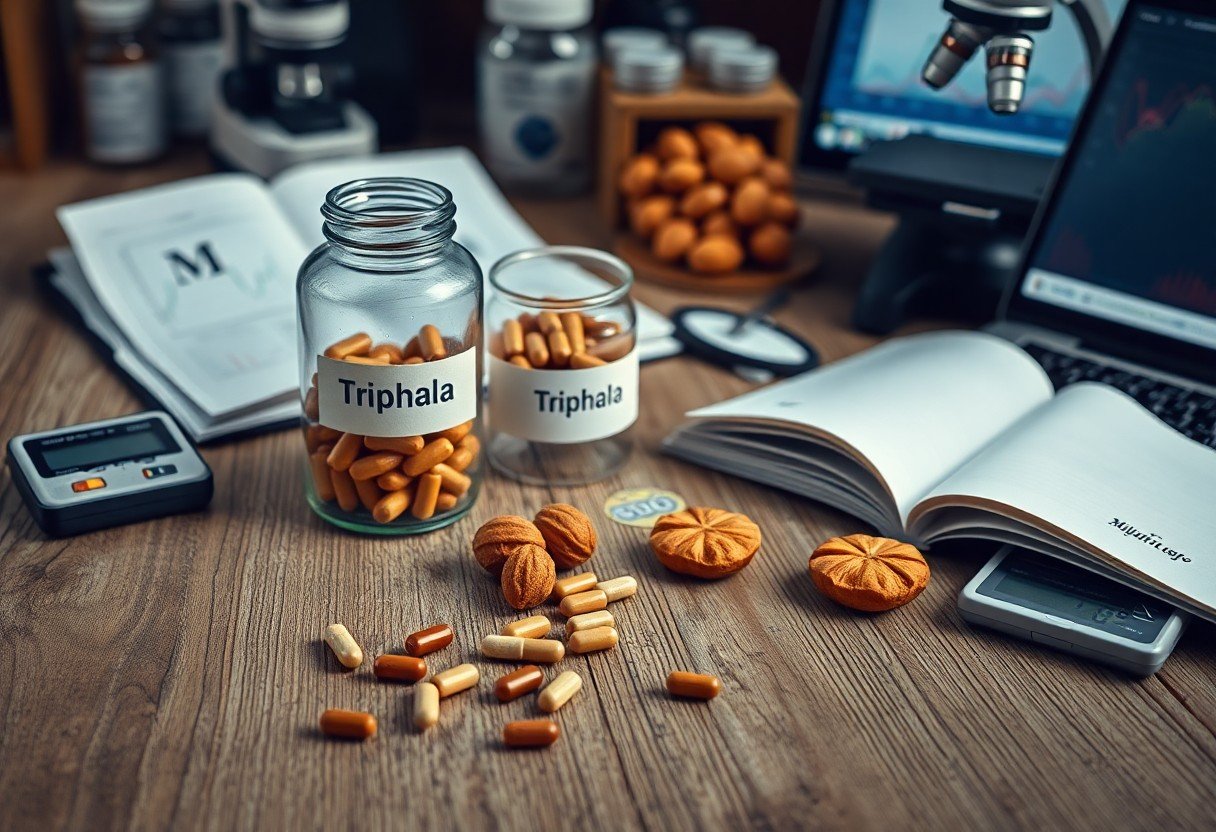
Triphala blends Amalaki, Bibhitaki and Haritaki into a complementary mix where you benefit from combined antioxidants, tannins and fiber that support digestion and mild metabolic activity; keep in mind the formula can interact with blood sugar and act as a laxative, so monitor responses when you start using it.
Amalaki (Emblica officinalis) and Metabolic Modulation
Amalaki supplies vitamin C and polyphenols that you may find helpful for antioxidant protection and subtle metabolic modulation; some research suggests it may improve glucose handling, but individual results vary and you should track changes.
Bibhitaki (Terminalia bellirica) for Lipid Regulation
Bibhitaki contains tannins and phenolic acids that you may notice support lipid processing and bile flow, potentially aiding fat metabolism-monitor for interactions with medications if you have chronic conditions.
Research shows Bibhitaki is rich in gallic and ellagic acids that, in animal and cellular studies, influence hepatic lipid accumulation and promote bile secretion; when you take it as part of Triphala the combined actions often complement Amalaki’s antioxidant effects and Haritaki’s gut motility, but be cautious of additive blood-thinning or glucose-lowering interactions.
Haritaki (Terminalia chebula) and Digestive Optimization
Haritaki enhances gut motility and enzyme activity so you may experience improved bowel regularity and reduced bloating, though it can produce a mild laxative effect that affects hydration if overused.
Studies attribute Haritaki’s benefits to chebulinic and chebulagic acids that modulate microbiota composition and nutrient signaling; when you use Triphala with Haritaki-dominant formulations expect clearer digestion that can indirectly support metabolic rate, yet avoid excess because overuse may cause cramping and electrolyte imbalance.
Mechanisms of Action in Weight Management
Detoxification and the Removal of Ama (Toxins)
Triphala can support hepatic and intestinal cleansing, helping you clear ama (toxic buildup) and promote regular bowel movements, while its antioxidants may reduce low-grade inflammation that otherwise hinders weight-loss efforts.
Regulation of Blood Glucose and Insulin Sensitivity
Clinical trials and pilot studies report that Triphala components lower postprandial glucose, so you may experience fewer sugar spikes and steadier energy, with improved glycemic control supporting reduced fat-storage signaling.
You should expect effects from fiber and polyphenols that slow carbohydrate absorption and enhance insulin response; animal and small human studies show modest insulin-sensitizing activity, but you must watch for a risk of hypoglycemia when combined with diabetes medications and note that standardized dosing is inconsistent across trials.
Anti-Adipogenic Properties and Fat Storage Inhibition
Laboratory research indicates Triphala extracts inhibit adipocyte differentiation, which means you could see less formation of new fat cells and a potential reduction in long-term fat accumulation through suppressed adipogenesis.
Herbal constituents appear to downregulate adipogenic genes and activate pathways that increase lipolysis and energy expenditure in cell and animal models, so you may benefit from reduced fat accumulation, but human evidence remains limited and effects are best realized alongside diet and exercise.

Triphala’s Impact on Basal Metabolic Rate
Stimulating the “Digestive Fire” or Agni
You may find Triphala supports your digestion by gently stimulating Agni, which can improve metabolic turnover and bowel regularity; small studies link this to modest increases in calorie processing, though effects vary and overuse can cause cramping or diarrhea.
Enhancing Nutrient Absorption and Cellular Energy
If you take Triphala consistently, digestive improvements can increase your nutrient uptake and support cellular ATP production, which may subtly raise resting energy use; effects are typically slow and depend on diet, sleep, and activity levels.
Several studies show that better gut motility and microbiome balance from Triphala can raise absorption of vitamins and minerals, so you may notice better energy, steadier blood sugar, and modest gains in basal metabolic markers; watch for loose stools or electrolyte shifts at higher doses.
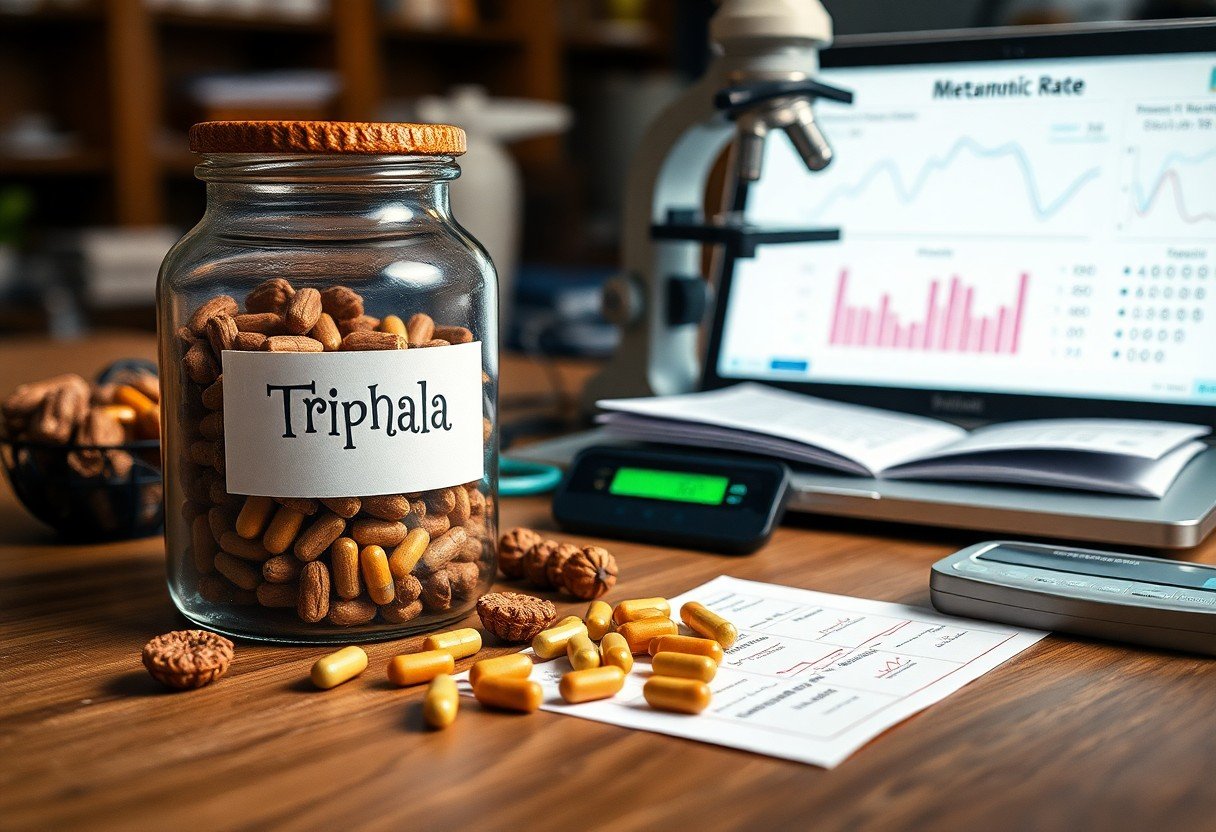
Clinical Evidence and Research Findings
Research in small randomized trials suggests Triphala may produce modest reductions in body weight and BMI, but study quality and consistency vary, so you should treat results as provisional; see What Are the Benefits of Triphala? for broader context.
Key Trial Summaries
| Small RCT (n≈60, 8-12 weeks) | Reported small BMI and weight decreases; limited by size and short follow-up. |
| Pilot studies | Noted minor waist circumference reductions; inconsistent blinding and endpoints. |
| Systematic reviews/meta-analyses | Found heterogeneous results and called for larger, high-quality RCTs. |
Analysis of Human Trials on Body Mass Index and Waist Circumference
You will find that most trials report only modest BMI and waist reductions with short durations and small cohorts, so clinical relevance for sustained weight loss remains uncertain.
Comparative Effectiveness Against Standard Placebos
Trials comparing Triphala to placebo often show no clear superiority or only marginal benefits, and you should weigh those modest effects against inconsistent adverse-event reporting.
Comparison studies reveal variable effect sizes and methodological limits, so you should be cautious interpreting efficacy claims.
Placebo Comparison Details
| Weight change vs placebo | Small, inconsistent effects across studies |
| Adverse events | Typically mild GI symptoms; reporting is sporadic |
| Study quality | Mostly low-to-moderate with short follow-up periods |
Practical Guidelines for Supplementation
Formats: Churna (Powder) vs. Tablets and Extracts
Powdered Triphala (churna) preserves the fiber and you can mix it into warm water or smoothies for slow release, while tablets and extracts offer convenience and standardized potency; choose based on preference. Use churna for appetite control and extracts for consistent dosing.
Optimal Timing and Dosage for Weight Loss Support
Morning or before meals tends to reduce appetite: a common churna dose is 1-3 grams (about ½-1 teaspoon) once or twice daily, while extracts are often 500-1,000 mg twice daily; prioritize consistent, moderate dosing.
When you begin, start with a low dose and increase slowly over 1-2 weeks to assess tolerance; take churna with warm water about 20-30 minutes before meals for appetite control, or at night to support digestion. Pair consistent dosing with diet and exercise, avoid prolonged very high doses, and consult your healthcare provider if you take medications or have chronic conditions.
Safety Profile, Side Effects, and Contraindications
Common side effects include mild abdominal cramping, loose stools, and increased bowel frequency; stop if you experience severe diarrhea or dehydration. Avoid during pregnancy and breastfeeding, and check interactions if you take diabetes or blood-thinning medications. Laxative effects and drug interactions are the main concerns.
If you take glucose-lowering or anticoagulant medications, inform your clinician before adding Triphala because it can augment blood sugar lowering and may alter medication effects; monitor blood glucose and INR as advised. Stop use and seek care for severe GI symptoms, and avoid long-term high-dose use without medical supervision to prevent electrolyte disturbances.
Maximizing Results Through Holistic Integration
Combine Triphala with consistent sleep, stress reduction, and mindful eating so you support metabolic balance while minimizing side effects; consult your practitioner if you take medications or notice strong laxative effects that could interfere with nutrients.
Dietary Considerations to Complement Ayurvedic Treatment
Choose whole, fiber-rich foods and limit refined sugars so you let Triphala work alongside your diet; avoid heavy, greasy meals that can blunt digestion while you pursue steady, sustainable weight loss.
The Importance of Hydration and Physical Activity
Maintain steady hydration and regular movement so you help Triphala aid digestion and metabolism; beware of dehydration if bowel activity increases and adjust fluids accordingly.
Daily attention to water intake, timing, and exercise improves outcomes: you should aim to sip fluids throughout the day, pair gentle aerobic work with resistance training to build lean mass, and schedule workouts when you feel energized. Monitor for signs of excessive laxation or dizziness, and stop use and consult a clinician if you experience severe dehydration or persistent diarrhea.
Final Words
On the whole you can view Triphala as a traditional supplement that may modestly support digestion and metabolic health; clinical evidence is limited, so use it alongside a balanced diet and regular exercise and consult your healthcare provider before starting.
FAQ
Q: Does Triphala boost metabolism and help weight loss?
A: Triphala is an Ayurvedic blend of Amalaki, Bibhitaki, and Haritaki traditionally used to support digestion and elimination. Clinical evidence for direct metabolic boosting in humans is limited but some small trials report modest reductions in body weight and BMI when Triphala is used alongside diet and exercise. Animal studies show improvements in lipid metabolism and increased fat oxidation, suggesting possible mechanisms that could translate to humans. Triphala should be considered a complementary aid rather than a standalone weight-loss solution.
Q: How does Triphala influence digestion and fat metabolism?
A: Triphala contains soluble fiber and polyphenols that can slow gastric emptying and increase satiety, which may reduce calorie intake. The formula has mild laxative and bowel-regulating effects that can reduce constipation and perceived bloating. Polyphenolic compounds in the fruits have shown anti-inflammatory and antioxidant activity and have been linked to reduced adipogenesis and improved hepatic lipid handling in preclinical studies. Triphala may also modulate gut microbiota composition, which can indirectly affect energy harvest and metabolic signaling.
Q: What is the recommended dosage and best way to take Triphala for weight management?
A: Common dosing ranges from 500 mg tablets taken two to three times daily to 1-3 grams of Triphala churna (powder) once or twice daily. A traditional method is 1 teaspoon of powder mixed in warm water each night and consumed before bed. Start at the lower end to assess tolerance and increase gradually if needed. Combine Triphala with a balanced diet, regular physical activity, and adequate hydration for safer and more effective weight-management results.
Q: What does the research say about Triphala’s effectiveness for weight loss?
A: Human studies are small and heterogeneous but report modest benefits in weight, BMI, and some metabolic markers when Triphala is added to lifestyle interventions. Systematic reviews note promising signals but emphasize low-to-moderate quality evidence and short study durations. Larger, well-controlled randomized trials with standardized Triphala preparations are needed to confirm efficacy, optimal dosing, and long-term safety.
Q: Are there side effects or precautions when using Triphala?
A: Triphala is generally well tolerated at common doses, but gastrointestinal effects such as diarrhea, abdominal cramping, and increased bowel frequency can occur, especially at higher doses. People on blood sugar-lowering medications should monitor glucose closely because Triphala may enhance hypoglycemic effects. Caution is advised for people on anticoagulants, pregnant or breastfeeding individuals, and anyone with chronic diarrhea or electrolyte imbalance. Consult a healthcare professional before starting Triphala if you have chronic conditions or take prescription medications.