
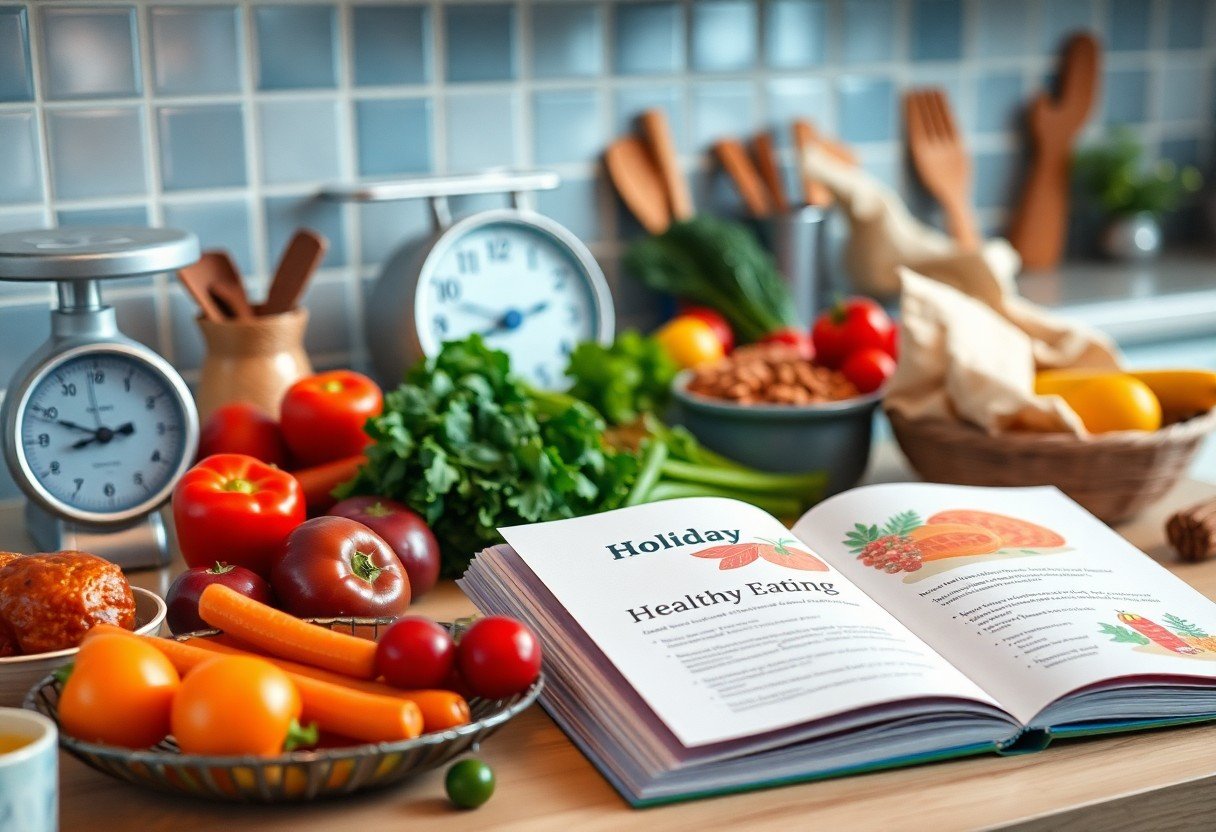
Holiday celebrations can be a minefield of high-calorie temptations, making it easy for you to pack on the extra pounds. In this guide, you’ll discover practical strategies to navigate festive feasts while enjoying the season without sacrificing your health. By implementing these simple tips, you can indulge wisely and maintain your fitness goals throughout the holiday season, ensuring you step into the New Year feeling your best.
Key Takeaways:
- Plan meals and snacks to avoid impulse eating during holiday gatherings.
- Engage in regular physical activity to balance holiday indulgences.
- Practice mindful eating to better enjoy food and recognize fullness signals.
Understanding Holiday Weight Gain
Common Causes of Weight Gain During Holidays
Holiday weight gain often stems from a combination of indulgent foods, decreased physical activity, and the sheer volume of social gatherings. You might find yourself consuming more calories than usual, particularly from rich desserts and savory dishes. The festive season usually brings about more opportunities for snacking and large meals, which can easily lead to an excess of weight if not balanced with moderation.
Psychological Factors Affecting Eating Habits
During the holidays, your eating habits can be significantly influenced by emotional triggers and societal pressures. The festive atmosphere may promote emotional eating, where you reach for comfort foods in response to stress or nostalgia. Additionally, the expectation to indulge can create a mindset where you feel compelled to eat beyond your needs or desire. Any shift in your psychological state can lead to an increase in food consumption and disregard for portion control.
- emotional eating
- social pressures
- mindless snacking
- holiday traditions
Understanding these psychological factors is important. Stress levels might rise during family gatherings, leading you to unconsciously reach for high-calorie foods. Being aware of your emotional triggers can help you implement healthier eating strategies and resist the urge to overindulge amidst festivities. Any changes in awareness can transform your approach to holiday eating.
- family gatherings
- emotional triggers
- self-awareness
- food cravings
Navigating Social Situations and Food Temptations
Social events during the holidays present unique challenges when it comes to maintaining your weight. Surrounded by enticing foods and drinks, you might feel pressure to partake in everything offered. Buffets and potlucks can be especially tricky, as they often feature an abundance of caloric options that appeal to your senses, making it easy to lose track of your eating habits.
To navigate these scenarios effectively, consider setting clear boundaries for yourself before you attend. You can choose to have a small, healthy meal beforehand to reduce the temptation to overeat. When faced with multiple food choices, focus on quality over quantity, selecting smaller portions of your favorite dishes. This approach allows you to relish the holiday fare while minimizing excess calorie intake. Any proactive strategies you employ can make a substantial difference in your overall outlook during the season.
Types of Holiday Foods
- Traditional Festive Dishes
- High-Calorie Snacks and Desserts
- Healthier Alternatives and Substitutions
| Traditional Dishes | Examples |
| Roast Turkey | Stuffing, Gravy |
| Pumpkin Pie | Cream, Sugars |
| Mashed Potatoes | Butter, Cream |
| Candied Yams | Marshmallows, Syrups |
Traditional Festive Dishes
During the holidays, you typically encounter an array oftraditional festive dishes that can be both delicious and calorie-dense. Roast turkey, often the centerpiece, is frequently paired with rich stuffing and gravy, elevating the calorie count. Sides like mashed potatoes with cream and butter, along with desserts such as pumpkin pie topped with whipped cream, contribute to holiday indulgence, making moderation necessary for maintaining your weight.
High-Calorie Snacks and Desserts
Holiday gatherings are notorious for an abundance ofhigh-calorie snacks and desserts. These can include cheese platters, sugary treats, and creamy dips that add hidden calories to your plate. A seemingly innocent plate of cookies or pastries can quickly lead to overconsumption, making it important to be mindful of portion sizes and your overall intake to avoid unwanted weight gain.
These snacks and desserts are often laden with sugars and fats, providing little nutritional value while being highly appealing. For instance, a single slice of fruitcake can contain over 300 calories, mainly due to its high sugar and fat content. Being aware of these figures can help you make more informed choices throughout the season.
Healthier Alternatives and Substitutions
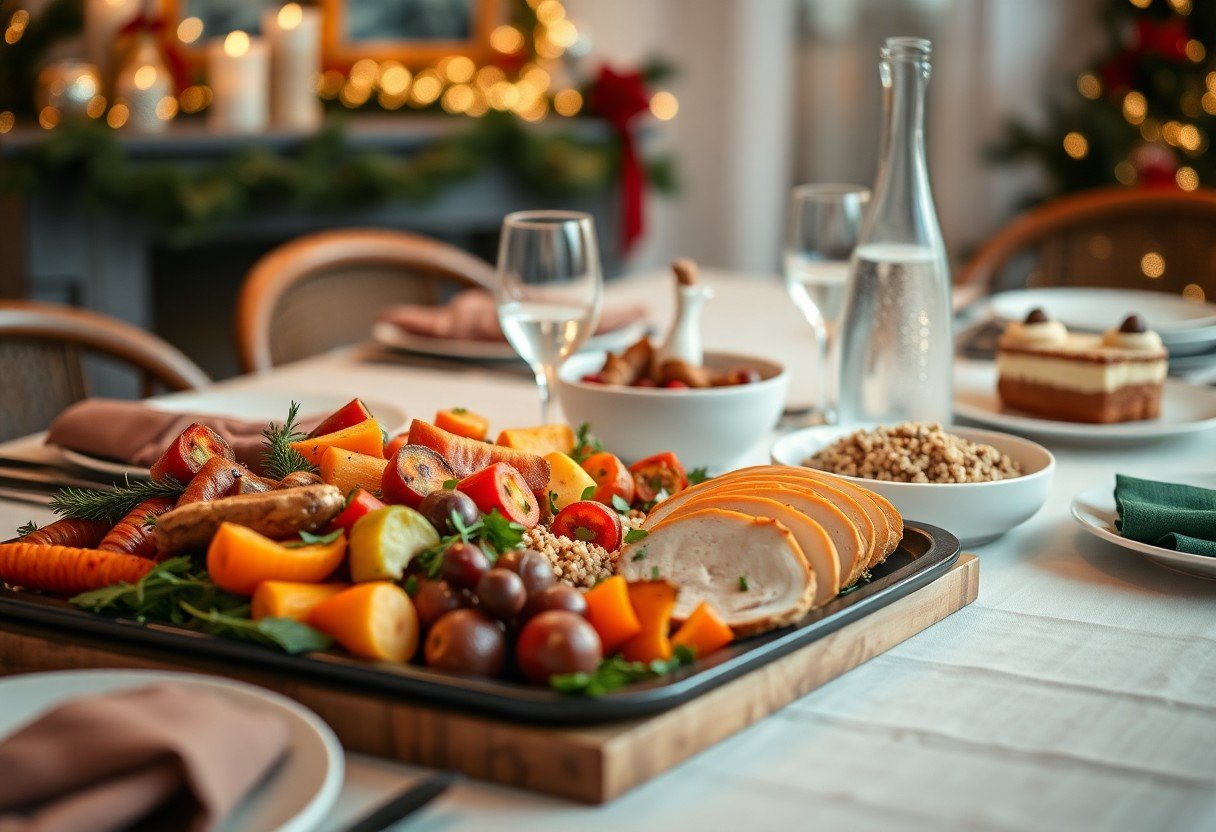
To enjoy the festive season without the added calories, explorehealthier alternatives and substitutions. You can replace creamy dressings with vinaigrettes, opt for whole grains in stuffing, or use Greek yogurt in place of sour cream. Small adjustments can make a significant impact on your dietary intake while still allowing you to enjoy your favorite flavors.
Making these substitutions can drastically reduce calorie intake while maintaining the essence of your favorite holiday dishes. For example, using mashed cauliflower instead of potatoes can save hundreds of calories per serving, enabling you to indulge without the guilt. Choose these healthier options to enjoy a festive feast that aligns better with your health goals.
Practical Tips for Maintaining Weight
- Set Realistic Goals for the Season
- Implement Portion Control Strategies
- Prioritize Staying Hydrated
- Incorporate Regular Physical Activity
- Track Your Food Intake
Setting Realistic Goals for the Season
During the holiday season, it’s important to set realistic goals for your weight maintenance. Aim for a target that focuses on preventing weight gain rather than drawing strict lines around indulgence. Acknowledge that some weight fluctuation is normal but strive to stay within a range that feels comfortable for you. Thou must align your objectives with the season’s celebratory spirit.
Portion Control Strategies
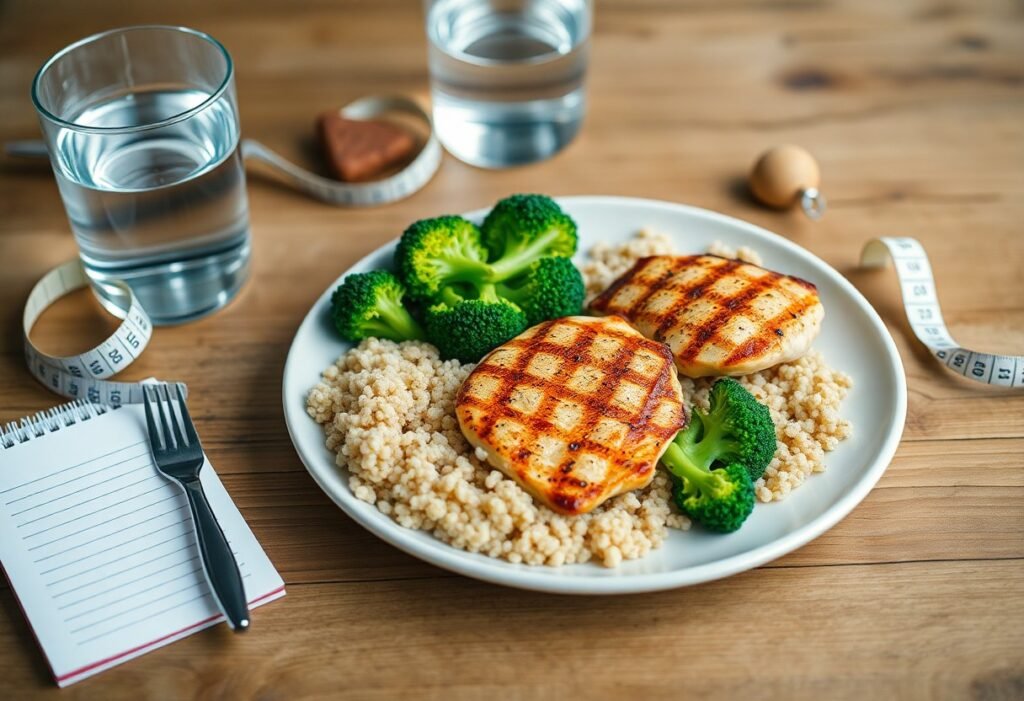
Implementing effective portion control strategies can help you manage your food intake during holiday festivities. Use smaller plates to create the illusion of a full plate, and always serve yourself smaller amounts. These tactics will enable you to enjoy a variety of dishes without overwhelming your calorie intake. Thou should prioritize awareness of what you consume.
Each holiday gathering can become a buffet of delights, making portion control vital. Consider filling half of your plate with vegetables or salads before adding proteins and carbohydrates. Practicing mindful eating by taking slow bites and engaging in conversation can help you recognize when you’re satisfied, rather than overindulging. Additionally, pre-planning your meals can assist in making conscious choices about what and how much you eat.
Staying Hydrated: Importance of Water
In the hustle and bustle of the holidays, staying hydrated can often get overlooked. Water plays an important role in maintaining fullness and can reduce the temptation to snack mindlessly. Aim for at least eight glasses of water per day, adjusting for physical activity and holiday beverages. Thou will feel more energized and less likely to confuse thirst with hunger.
Hydration is key, especially as you navigate parties and gatherings where calorie-dense foods are prevalent. Drinking water before meals can help you consume fewer calories and assist your body in digestion. Infusing water with slices of fruits or herbs can also make staying hydrated more enjoyable and encourage you to reach your daily goals.
Step-by-Step Plan for Success
9 Quick & Easy Tips
| Understand Your Triggers | Identify situations that lead to overeating. |
| Maintain Regular Exercise | Keep up with your fitness routine to offset extra calorie intake. |
| Balance Treats with Healthy Choices | Pair indulgent foods with nutritious options to maintain balance. |
| Track Your Intake | Keep a food diary to stay aware of what you eat. |
| Prioritize Sleep | Adequate sleep can prevent weight gain by regulating hunger hormones. |
Pre-Holiday Preparation
Before the festivities begin, set yourself up for success by planning ahead. Create a strategy that includes identifying realistic goals for maintaining your weight. Stock your pantry with healthy snacks and ingredients, ensuring you have nutritious choices readily available amidst temptation.
Daily Routine Adjustments
Adjust your daily routine to promote balanced living during the holidays. Incorporate exercise into your schedule, aiming for at least 30 minutes of activity each day. This might include brisk walking, yoga, or any form of exercise you enjoy, making it easier to stick with your plan.
Consider adding brief workouts or physical activities before or after holiday meals. Incorporating family walks or quick exercise sessions with friends can help you stay active while boosting mood and enjoying quality time together.
Post-Event Recovery Strategies
After holiday gatherings, adopt a recovery strategy. Focus on hydration and return to your usual healthy eating habits. Eliminate any leftover heavy foods and replace them with nutrient-dense options, ensuring your body has the necessary support to bounce back.
Engage in a solid workout regimen after events where you may have overindulged. This includes both cardiovascular and strength training exercises. Also, consider meal prepping healthy options to ensure you have accessible meals that align with your goals moving forward.
Pros and Cons of Popular Holiday Diets
| Diet | Pros and Cons |
|---|---|
| Intermittent Fasting | Pros: Can promote weight loss and improve metabolic health. Cons: May lead to overeating during eating windows. |
| Low-Carb Diet | Pros: Effective for quick weight loss and reduces insulin levels. Cons: Can cause fatigue and nutritional deficiencies if not balanced. |
| Keto Diet | Pros: May enhance mental clarity and reduce hunger. Cons: Difficult to sustain long-term and can lead to “keto flu.” |
| Paleo Diet | Pros: Emphasizes whole foods and eliminates processed foods. Cons: Can be expensive and impractical for daily life. |
| Mediterranean Diet | Pros: Heart-healthy and sustainable. Cons: Some may find weight loss slower due to higher calorie intake from healthy fats. |
| Whole30 | Pros: Can help identify food sensitivities. Cons: Requires strict adherence and can be hard during holiday meals. |
| Flexitarian Diet | Pros: Offers flexibility while promoting plant-based foods. Cons: May require careful planning to ensure balance in nutrients. |
| Detox Diets | Pros: Can reset eating habits temporarily. Cons: Often not backed by science and can be unhealthy. |
| Weight Watchers | Pros: Focuses on portion control and community support. Cons: Requires tracking, which can be time-consuming. |
| Raw Food Diet | Pros: Rich in nutrients and fiber. Cons: Limited food choices, and may not be suitable in winter. |
Pros and Cons of Intermittent Fasting
Intermittent fasting can be a powerful tool for weight management during the holidays. Pros include its ability to promote weight loss and improve metabolic health through periods of no food intake. Cons could involve the risk of overeating when your eating window is open, as hunger can lead to less mindful food choices. You might find it challenging to navigate holiday gatherings while sticking to this regimen, particularly if you’re around tempting festive foods.
Evaluating Low-Carb or Keto Diets
Low-carb or keto diets can be effective for rapid weight loss, especially during the holidays. Such diets focus on reducing carbohydrates, encouraging your body to burn fat for fuel instead. However, it’s crucial to ensure that you’re not missing vital nutrients that come from a balanced diet. Additionally, while initial weight loss may be significant, you should be aware of potential side effects like fatigue or “keto flu” as your body adjusts.
Balancing Indulgence and Moderation
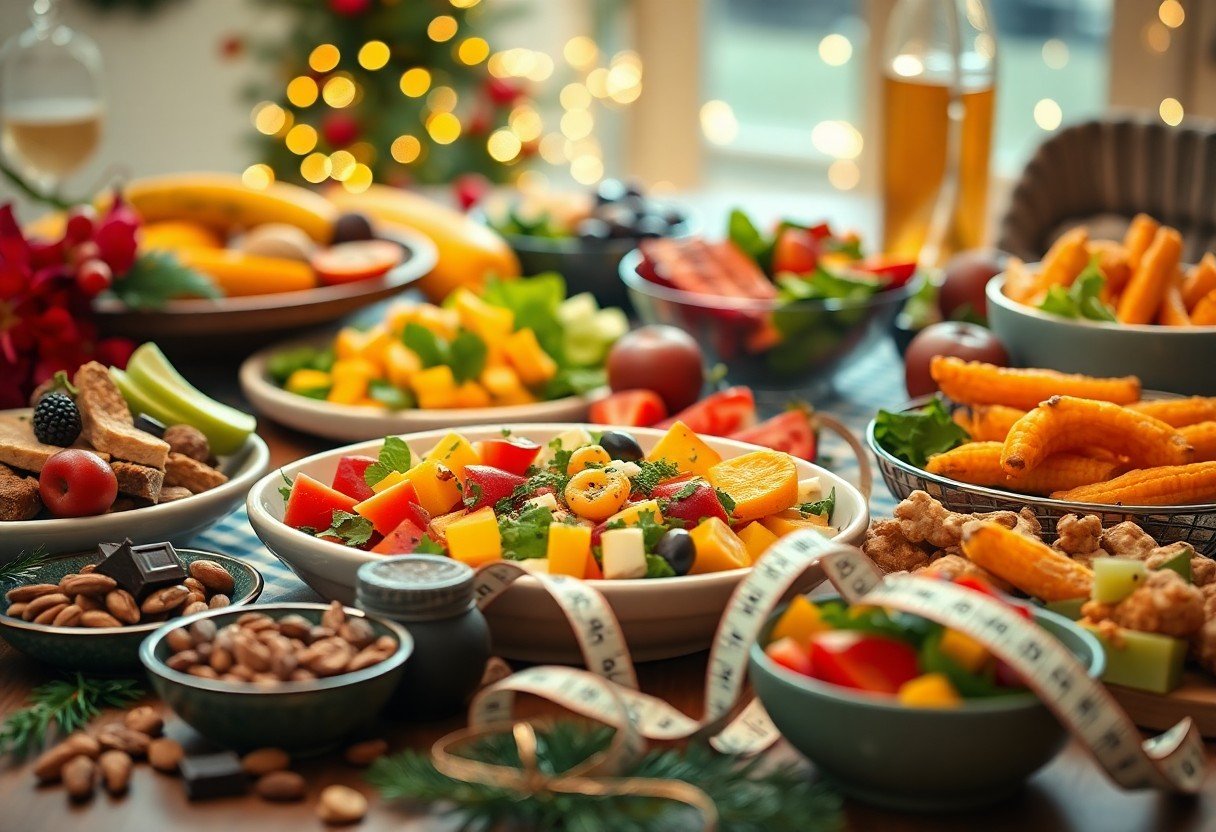
Finding a balance between indulgence and moderation is key during the holiday season. You can enjoy festive treats without fully derailing your weight management goals by practicing mindful eating and portion control. Treating yourself occasionally, rather than abstaining completely, helps maintain your psychological well-being while still making progress towards your goals.
It’s possible to savor holiday favorites while keeping your diet in check. For instance, instead of avoiding the holiday pie altogether, you can opt for a smaller slice or share with someone else. This strategy allows you to partake in celebrations without overindulgence, ensuring you maintain a healthy relationship with food throughout the season.
Staying Active During the Holidays
Fun Holiday Activities for Families
Engage your family in outdoor activities that promote movement while creating lasting memories. Consider going ice skating, visiting a local holiday market, or even taking a brisk walk to admire neighborhood decorations. You can have a snowball fight, build a snowman, or participate in festive community events. These interactive experiences not only keep you active but also encourage bonding time with loved ones.
Incorporating Exercise into Your Schedule
Finding time for exercise during the holiday season can be challenging, but short workouts can fit into your busy days. Aim for at least 30 minutes of physical activity most days, even if that means breaking it into shorter sessions. Morning walks, quick home workouts, or family sports events can seamlessly fit into your plans.
To incorporate exercise effectively into your schedule, evaluate your daily routines and pinpoint opportunities. For example, consider doing a 10-minute workout before breakfast or a 15-minute session during your lunch break. Utilize festive gatherings to host a friendly game of basketball or floor hockey instead of sitting around. The key is to be intentional about making movement a priority, even in small chunks.
Using Technology to Stay Accountable
Embrace technology to help you stay on track with your fitness goals throughout the holidays. Use apps to track your meals, log workouts, and connect with friends for added motivation. Setting reminders to prompt your daily activities can keep exercise at the forefront of your day.
Leverage fitness apps that allow you to set personalized goals and send alerts when it’s time to move. By connecting with family or friends via fitness challenges, you can turn staying active into a fun competition, increasing your accountability. Remain engaged through wearable devices that monitor your steps, heart rate, and even sleep patterns, keeping you informed and motivated. The integration of technology fosters a sense of community and support, making it easier to reach your holiday health objectives.
Summing up
Summing up, staying mindful during the holiday season is key to keeping off those extra pounds. You can enjoy festive foods by practicing portion control, opting for healthier alternatives, and maintaining regular physical activity. Plan ahead for social gatherings and stay hydrated to help manage cravings. By making conscious choices, you can indulge in holiday treats while still prioritizing your health. Your commitment to balance will ensure that you emerge from the season feeling satisfied without compromising your wellness goals.
FAQ
Q: How can I enjoy holiday gatherings without overeating?
A: Focus on portion control. Opt for smaller plates and take a few bites of your favorite dishes instead of piling your plate high. Engage in conversation to pace your eating and be mindful of your hunger levels.
Q: What are effective strategies to handle food leftovers after holiday meals?
A: Store leftovers in individual portions to avoid mindless snacking. Choose healthier options first and limit access to high-calorie items. You can also share leftovers with friends or family to reduce temptation.
Q: How can I manage holiday stress that may lead to emotional eating?
A: Incorporate stress-relief activities into your routine, such as exercising, meditating, or pursuing hobbies. Surround yourself with supportive people and communicate your feelings instead of turning to food for comfort.
Q: What snacks can I prepare to stay healthy during the holidays?
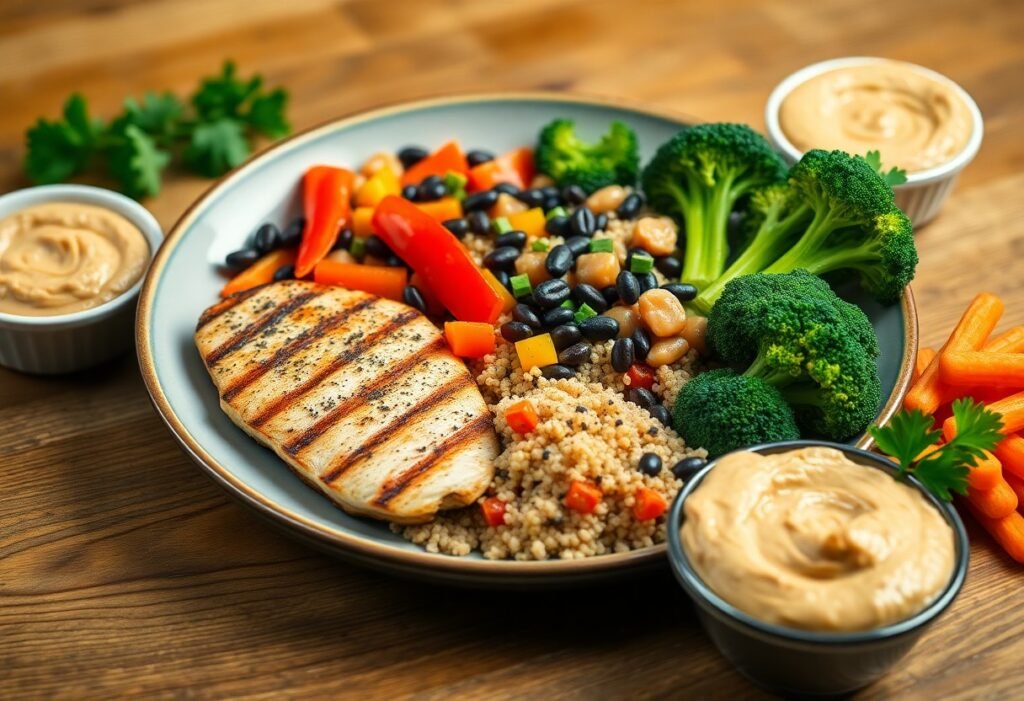
A: Prepare healthy snacks like veggie trays with hummus, fruit salads, or yogurt with nuts. These options provide nutrition and help keep you full without adding excessive calories during holiday events.
Q: Is it okay to indulge occasionally during the holiday season?
A: Yes, occasional indulgence is fine. Focus on quality rather than quantity. Enjoy your favorite treats in moderation and balance them with healthier meals and physical activity to maintain overall wellness.