

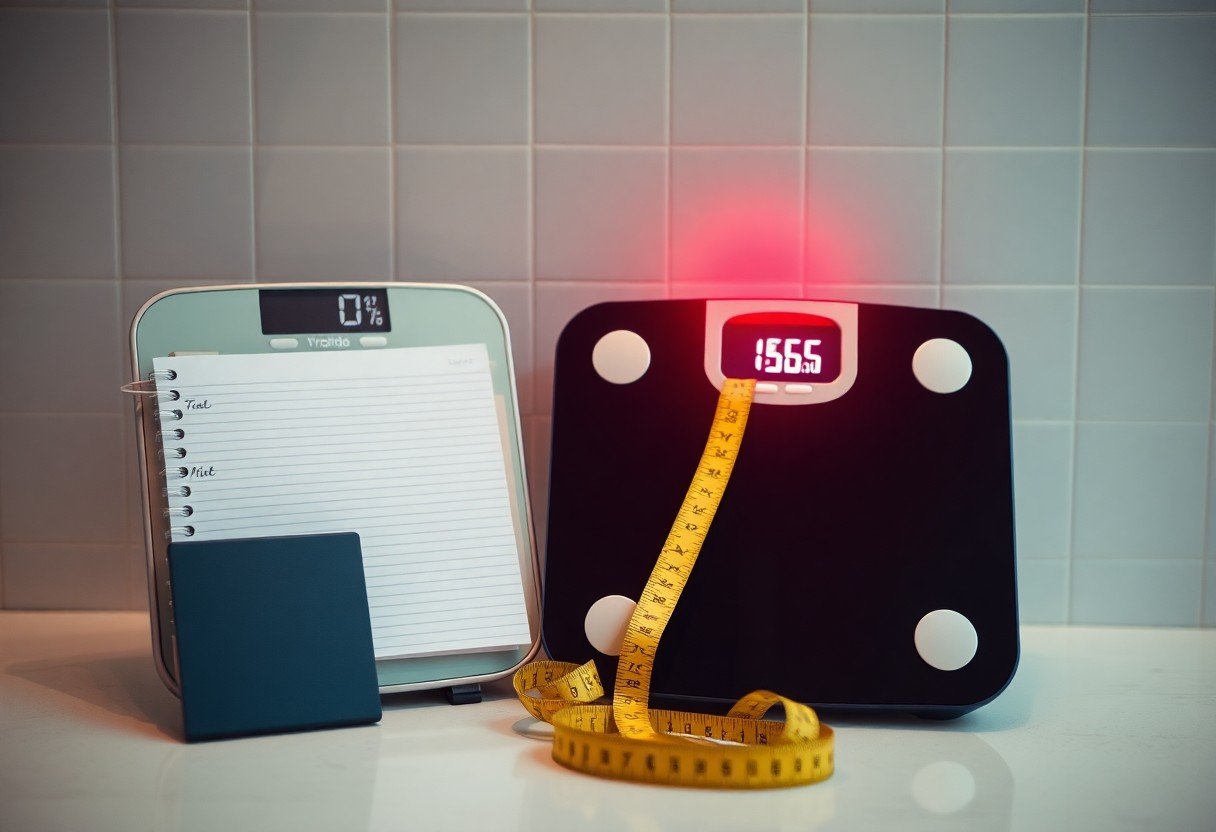
There’s a significant difference between tracking body composition and scale weight, and understanding both can greatly impact your health journey. While scale weight merely tells you how much you weigh, body composition reveals the percentages of fat, muscle, and other tissues in your body. Focusing solely on scale weight can be misleading as it doesn’t account for muscle gain or fat loss. By tracking body composition, you gain a more comprehensive view of your health and progress, helping you make more informed decisions about your fitness goals.
Key Takeaways:
- Body composition provides a more accurate representation of health by measuring fat mass vs. lean mass, unlike scale weight which solely indicates overall mass.
- Tracking body composition can help identify changes in muscle gain or fat loss, which scale weight may not reflect effectively.
- Utilizing both metrics can offer a comprehensive view of progress, enhancing motivation and providing clearer health insights.
Understanding Body Composition
What is Body Composition?
Body composition refers to the proportion of different tissues that make up your body, including fat, muscle, bone, and water. Unlike scale weight, which only provides a single number, body composition gives you a clearer picture of your health and fitness status by differentiating between lean mass and fat mass.
Key Components of Body Composition
The main components of body composition include lean body mass, fat mass, and total body water. Lean body mass includes muscles, bones, organs, and tissues, while fat mass represents your body’s fat stores. Understanding these components helps you assess your overall health more effectively than just monitoring your weight.
For instance, if you’re focusing on fitness, increasing your lean muscle mass while reducing fat mass can enhance your performance and metabolism. Athletes often have a higher lean body mass, which supports better strength and endurance. Prioritizing body composition over scale weight allows you to set realistic health goals tailored to your specific needs.
Methods for Measuring Body Composition
There are several methods for measuring body composition, including bioelectrical impedance analysis, dual-energy X-ray absorptiometry (DEXA), and skinfold measurements. Each method has its own level of accuracy, convenience, and cost, allowing you to choose what best suits your needs.
For example, DEXA scans are widely regarded as one of the most accurate ways to measure body composition, providing a detailed view of fat and lean mass distribution. However, they may not be accessible for everyone due to cost and availability. On the other hand, bioelectrical impedance analysis is quicker and more affordable, making it a popular choice for everyday fitness enthusiasts seeking a general understanding of their body composition.
The Role of Scale Weight
What is Scale Weight?
Scale weight is the total mass of your body as measured by a scale. It encompasses everything: muscle, fat, bone, and water. Tracking your scale weight can provide a quick and easy way to monitor changes in your overall mass over time. However, it doesn’t differentiate between these components, making it a less informative measure compared to BMI vs. body fat: Which number is more important?.
Factors Influencing Scale Weight
Many factors can affect your scale weight, such as fluid retention, muscle mass, and even hormonal fluctuations. Daily activities, meals, and time of day can also cause variability. It’s important to consider how these factors can skew your perception of weight changes. Regular weighing under consistent conditions can help moderate these influences.
- Fluid retention – can lead to temporary weight increases.
- Muscle mass – increases might suggest you’re building strength.
- Hormonal fluctuations – especially relevant for women, can affect weight.
Perceiving the influence of these factors is necessary for understanding your scale weight accurately. For example, after intense workouts, you may experience gains in muscle that aren’t immediately reflected in weight loss.
Limitations of Scale Weight
While scale weight can be useful, it has notable limitations. It does not provide insight into your body composition, meaning you can weigh the same while experiencing significant changes in muscle and fat. Relying solely on the scale can contribute to a skewed self-image or expectations.
Delving deeper into the limitations shows that focusing only on scale weight can create a false narrative regarding your health. For instance, an athlete might weigh more due to increased muscle mass yet be healthier than someone with a lower weight but higher fat percentage.
- Does not indicate body composition – lacks detail on fat vs. muscle.
- Can fluctuate daily – influenced by numerous external factors.
- Contributes to negative self-image – can lead to unhealthy comparisons.
Perceiving weight as just a number can undermine the importance of overall health and progress, particularly when focusing on wellness rather than simply aesthetics.
Comparing Body Composition and Scale Weight
| Aspect | Body Composition |
|---|---|
| Definition | Proportion of fat, muscle, water, and bone in your body. |
| Measurement Methods | DEXA scans, skinfold measurements, bioelectrical impedance. |
| Health Indicators | More indicative of health risks, fitness level, and overall wellness. |
| Weight Changes | Can show changes due to fat loss or muscle gain without significant weight change. |
| Flexibility | Allows tailored fitness and nutrition strategies. |
Why Body Composition Matters More
Body composition offers a deeper insight into your health than scale weight alone. It emphasizes the ratio of fat to lean mass, which directly impacts metabolic health, athletic performance, and aesthetic goals. Tracking body composition helps you understand whether weight changes result from fat loss or muscle gain, providing a clearer picture of your fitness journey.
When to Use Scale Weight
Scale weight can be useful during initial weight loss phases or general monitoring. It provides a basic understanding of your overall trend but can fluctuate significantly due to various factors like hydration, muscle gain, or hormonal changes. Using scale weight alongside body composition assessments gives a more comprehensive overview of your progress.
Scale weight is particularly handy when setting short-term goals or making quick adjustments to your diet and exercise routine. If you aim for rapid weight loss initially, the scale can serve as a motivator. However, you should acknowledge that a single number may not reflect your true health, as it doesn’t account for muscle mass or body fat percentage.
Fitness Goals: Tailoring Your Approach
Your fitness goals play an important role in deciding whether to focus on body composition or scale weight. For instance, if you aim to build muscle, monitoring body composition becomes vital since the scale may remain stagnant while you gain muscle. Understanding your unique objectives enables you to create a personalized strategy that aligns with your health aspirations.
When establishing fitness goals, it’s important to define them clearly-whether you’re aiming for fat loss, muscle gain, or overall health improvement. Tracking body composition often suits goals related to fitness and aesthetics, while scale weight might be more applicable for those focused on general weight management. By tailoring your approach according to your specific aims, you can optimize your results and ensure a balanced perspective on your progress.
Tracking Methods and Tools
Best Practices for Tracking Body Composition
For accurate tracking of body composition, it’s necessary to use consistent methods. Opt for a reputable skinfold caliper or bioelectrical impedance scale, and ensure you follow the same conditions each time, such as measuring at the same time of day under similar hydration levels. Keeping a record of your progress over weeks or months is more insightful than daily fluctuations. Aim for a comprehensive view by combining measurements of fat mass, muscle mass, and water retention to better understand your overall health status.
Effective Ways to Monitor Scale Weight
Tracking scale weight can provide quick feedback on your overall progress. Weigh yourself at the same time each day, preferably in the morning after using the bathroom, for consistent results. Additionally, look for trends over weeks rather than focusing on daily changes, as weight can fluctuate due to various factors such as hydration and diet. Aim to record your weight weekly, allowing for a more reliable assessment of your progress over time.
Using a weekly average can further enhance your understanding of weight trends. Instead of focusing on a single number, calculate the average of your daily weights for the week. This mitigates the effects of daily fluctuations and provides a more accurate representation of your weight loss or gain. Establishing a consistent routine will help you see realistic progress and keep your motivation intact.
Technology in Tracking Progress: Apps and Devices
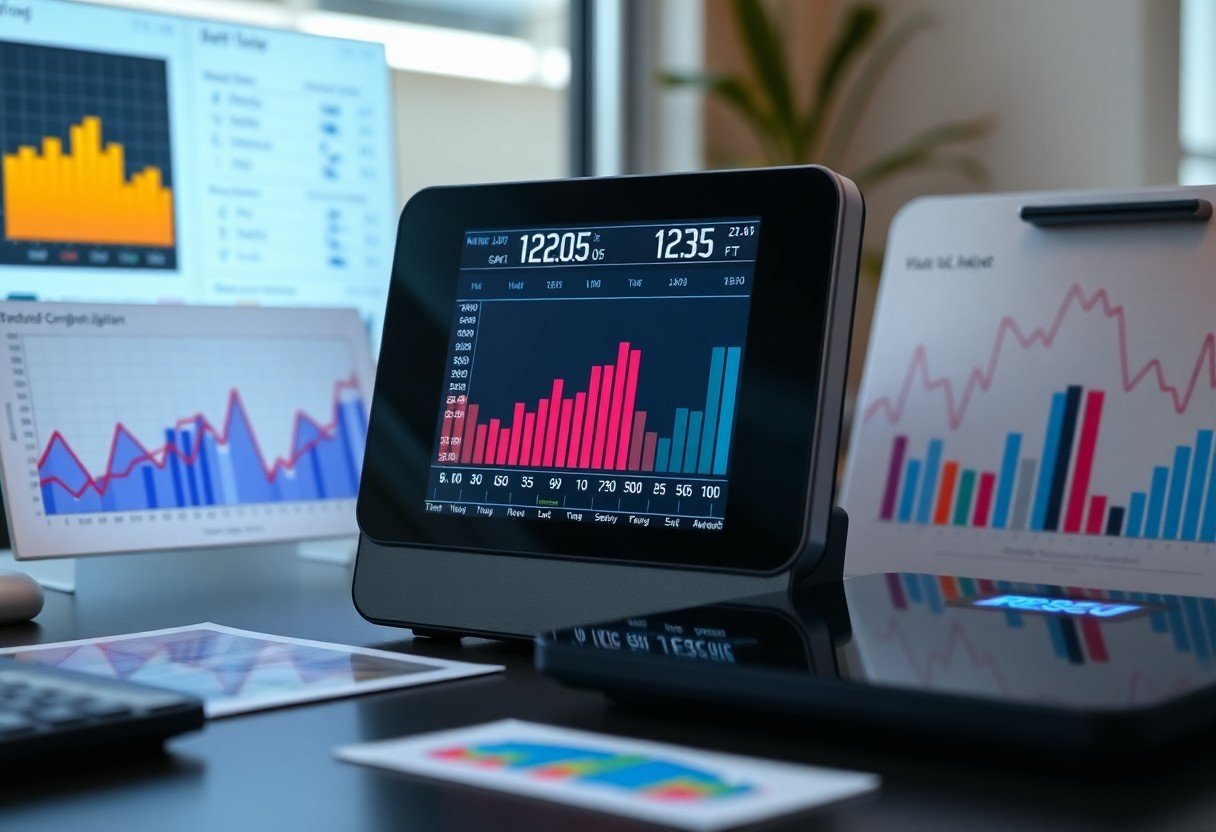
Utilizing technology can streamline your tracking process and make it easier to stay accountable. Fitness apps such as MyFitnessPal and Fitbit allow you to seamlessly log your meals and workouts, while also tracking your body composition and scale weight over time. These tools can provide insights and charts that highlight your progress, helping you stay focused on your goals.
Many smart scales now sync with mobile apps, automatically recording your weight and body composition metrics. This integration minimizes manual entry and provides real-time feedback on your progress. Some devices even generate insights tailored to your individual goals, making it easier to adjust your routine based on your specific needs. Such advancements in technology can enhance your tracking experience, offering a comprehensive view of your health journey.
Making Sense of the Numbers
Interpreting Body Composition Results
When you analyze your body composition results, focus on the breakdown of fat mass, lean mass, and water weight. Body fat percentage gives you insight into your fat levels relative to your muscle and bone, which is often more indicative of health than weight alone. Pay attention to the trends over time rather than isolated readings, as they reflect changes in your fitness regimen and overall health.
Understanding Scale Weight Trends
Scale weight can fluctuate daily due to factors like hydration, food intake, and hormonal changes. To draw meaningful conclusions from scale weight, track trends over several weeks or months. This approach helps you see past temporary fluctuations and focus on overall progress, shedding light on long-term changes.
For instance, if you’ve maintained a consistent exercise routine and noticed stable scale weight yet experience tighter clothing or improved performance, you may be losing fat and gaining muscle. This transformation, although not reflected by the scale, signifies a positive shift in your body composition. Regularly recording your weight while considering your activity levels and dietary habits is imperative for uncovering these patterns.
Setting Realistic Expectations
Establishing realistic expectations is key to maintaining motivation and commitment. Understanding that significant changes in body composition typically take time is imperative. Aiming for a 1-2 pound loss per week or a gradual increase in muscle mass is both achievable and sustainable, fostering a more positive relationship with your progress.
Many individuals expect immediate results, which can lead to frustration. Studies show that a body fat reduction of just 1% a month is significant and contributes to improved health outcomes. Focus instead on your journey and celebrate incremental gains, recognizing that sustainable improvements will yield more lasting benefits than quick fixes. Staying patient will help you remain dedicated to your goals, ultimately leading to success over time.
Case Studies and Practical Applications
- Case Study 1: A 35-year-old female started a strength training program. Her scale weight reduced from 160 lbs to 155 lbs, but her body fat percentage decreased from 30% to 25%, showcasing a loss of 5 lbs of fat and a gain of muscle.
- Case Study 2: A 40-year-old male followed a high-protein diet while engaging in cardio. His scale weight stayed constant at 180 lbs, yet his body composition revealed a 4% decrease in body fat, indicating effective fat loss paired with muscle preservation.
- Case Study 3: An athlete transitioned from a high-carb diet to a ketogenic approach. Scale weight dropped from 190 lbs to 185 lbs, but body composition analysis showed a 6 lb gain in muscle mass, emphasizing the importance of tracking body composition over scale weight.
- Case Study 4: A 50-year-old woman focused on flexibility and strength. Despite an initial scale weight of 140 lbs, after 12 weeks, her weight remained the same, yet her muscle mass increased by 3 lbs, highlighting low-calorie muscle gain while losing fat.
Individual Success Stories
Your journey can be inspired by many successful transformations. For instance, a 28-year-old personal trainer named Sarah began focusing on her body composition rather than scale weight. After 6 months, her scale weight remained at 145 lbs, but her muscle mass increased by 5 lbs and body fat dropped from 29% to 22%. This shift empowered her to educate clients on the importance of body composition.
Fitness Programs and Their Approaches
Fitness programs emphasize different metrics, but the most effective ones consider both body composition and scale weight. A holistic approach provides insights into fat loss and muscle gain. Programs tailored to individual needs often involve measuring progress through body fat percentage and muscle mass instead of solely tracking scale weight, thereby ensuring participants develop healthier relationships with their bodies.
Health Risks Associated with Relying Solely on Scale Weight
Relying only on scale weight can lead to inaccurate health assessments. For instance, a person may appear to be at a healthy weight but could possess a high body fat percentage, increasing risks for diseases such as diabetes and heart conditions. Tracking body composition provides a more accurate reflection of health status.
More critically, individuals focused solely on scale weight might experience unhealthy dieting behaviors, potentially leading to nutrient deficiencies. By overlooking growth in muscle mass or changes in fat distribution, you risk missing vital indicators of overall well-being, highlighting the need for a broader perspective on body metrics.
Summing up
Now that you’ve explored body composition and scale weight, it’s clear that focusing solely on the number on the scale may not provide a complete picture of your health. Tracking body composition offers more insight into your muscle and fat levels, which can better inform your fitness goals. Prioritizing your body composition helps you understand your progress in a more meaningful way, ultimately guiding you towards healthier lifestyle choices that align with your personal objectives.
FAQ
Q: What is body composition?
A: Body composition refers to the proportion of fat and non-fat mass in the body, including muscles, bones, and organs.
Q: Why is tracking body composition more beneficial than scale weight?
A: Tracking body composition provides a better understanding of changes in muscle and fat, offering insights into health and fitness progress that scale weight alone does not reflect.
Q: How can I measure my body composition?
A: Body composition can be measured using methods such as dual-energy X-ray absorptiometry (DEXA), bioelectrical impedance analysis (BIA), skinfold measurements, or through specialized scales.
Q: Can I lose weight and still gain muscle, affecting my scale weight?
A: Yes, it is possible to lose fat while gaining muscle, which may not result in significant changes to scale weight but can improve overall body composition.
Q: How often should I track my body composition versus scale weight?
A: It is recommended to track body composition monthly or every few weeks for better insights, while scale weight can be checked more frequently, such as weekly.