
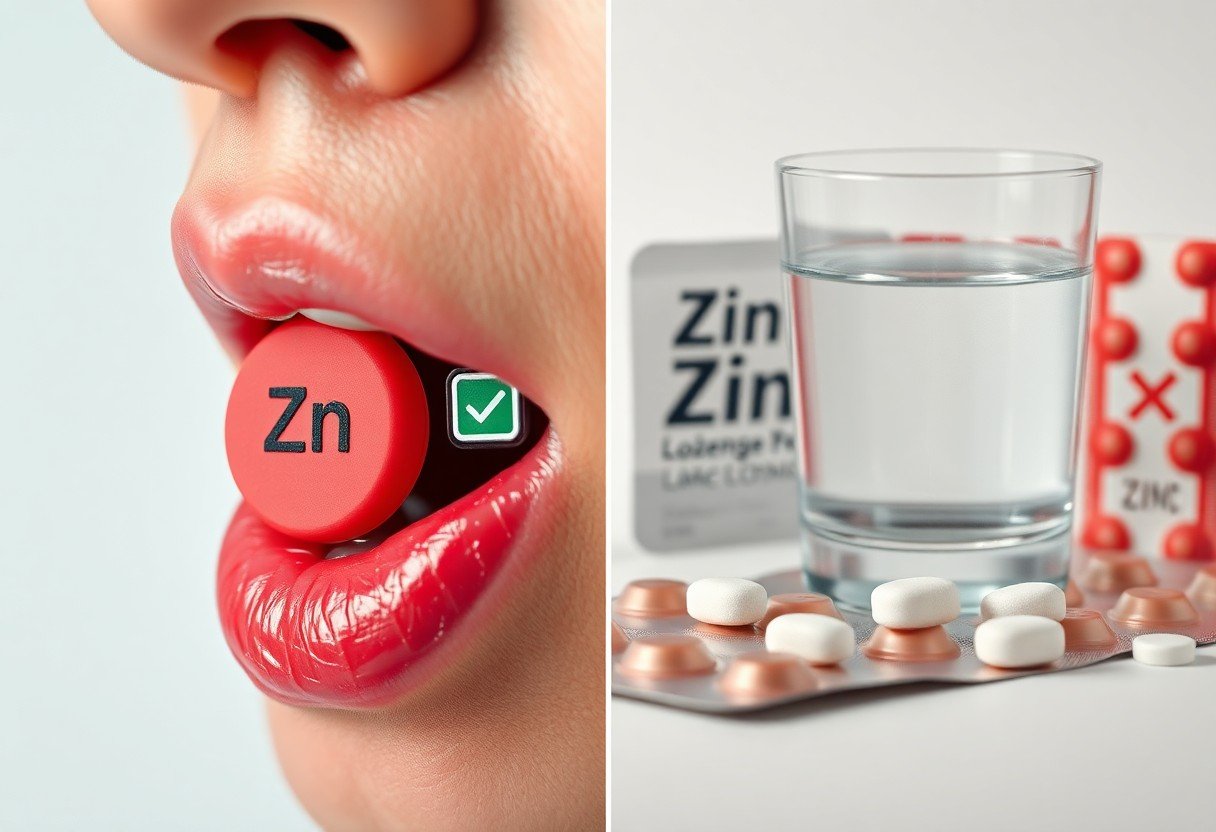
Health tip: you should let zinc lozenges dissolve slowly to increase throat absorption; do not chew or swallow whole lozenges to avoid excess zinc and irritation, and follow dosage limits for safe use.
The Biological Mechanism of Zinc for Immune Defense
Zinc ions released at the mucosal surface interact directly with incoming pathogens and local immune cells, so you gain targeted antiviral action when a lozenge dissolves slowly and maintains higher local ionic zinc concentrations that interfere with viral proteins and support mucosal defenses.
How ionic zinc inhibits viral replication in the upper respiratory tract
Ionic zinc binds to and inhibits viral polymerases and proteases in the nasopharynx, so you experience reduced viral replication and potentially shorter symptom duration when zinc levels remain elevated at the site of infection.
The importance of the oral mucosa as a delivery pathway
Surface absorption across the oral mucosa delivers zinc directly to the infection site, giving you direct antiviral concentration with a dissolving lozenge and often reduced systemic side effects compared with rapid swallowing.
You maximize mucosal exposure by letting the lozenge dissolve slowly, which prolongs contact time and raises local zinc concentration enough to impair viral enzymes; this lowers the need for higher systemic doses, but you must avoid exceeding recommended intake, since excess zinc can cause nausea and copper deficiency.
The Science Behind Slow Dissolution
Prolonging contact time with the pharyngeal tissues
Allowing a lozenge to dissolve slowly increases the time you expose the pharyngeal mucosa to zinc, giving extended local antiviral and anti-inflammatory action instead of a brief, washed-away dose.
Preventing premature digestion and loss of bioavailability
Holding the lozenge in your mouth reduces early swallowing, so less zinc is broken down by gastric acid and more remains available for absorption.
Keeping the lozenge until fully dissolved lets zinc ions interact with your mucosal transporters and be absorbed sublingually, which bypasses some gastric degradation. If you swallow the lozenge too soon, much zinc may be neutralized by stomach acid, lowering effectiveness and increasing risk of gastric irritation.
Essential Dos for Optimal Results
Use precise timing, frequent dosing, and proven formulations so you maximize symptom control while minimizing harms; allow each lozenge to dissolve slowly and avoid chewing or swallowing for best mucosal exposure.
Initiating treatment within the 24-hour symptom window
Begin zinc lozenges within 24 hours of your first cold symptoms to have the strongest effect; delay reduces benefit, so start promptly and let the lozenge dissolve slowly in your mouth.
Adhering to a frequent dosing interval for sustained levels
Keep dosing every 2-3 hours while awake to maintain mucosal zinc levels; consistent dosing is linked to shorter colds, but stop when symptoms subside to avoid excess exposure.
Maintain a regular schedule because salivary zinc clears quickly; you should check elemental zinc per lozenge and balance dose with side effects – overuse can cause nausea, metallic taste, and long-term copper deficiency, so limit duration and consult a clinician for extended high-dose use.
Selecting clinically proven forms like Zinc Acetate or Gluconate
Choose lozenges containing zinc acetate or zinc gluconate, since clinical studies report benefits; verify elemental zinc amount on the label and avoid additives that reduce availability.
Prefer zinc acetate when available because it may release more free zinc ions in saliva, though gluconate is also effective; inspect ingredient lists for chelators like citric acid or excess sugar that can bind zinc, and avoid intranasal zinc products due to the risk of anosmia.
Critical Don’ts: Common Administration Errors
Why chewing or swallowing whole negates therapeutic benefits
Chewing or swallowing lozenges quickly disrupts the intended slow release; you reduce local mucosal zinc concentration and lose antiviral benefit, while increasing systemic exposure that raises the risk of nausea or zinc toxicity.
Avoiding acidic foods and drinks that inhibit ion release
Acidic foods and drinks can chelate zinc, lowering available free ions; you should avoid citrus, soda and vinegar-containing foods for at least 30 minutes before and after lozenge use to preserve therapeutic ion release.
Timing your intake around meals matters: low pH from citrus, coffee, or soft drinks promotes formation of zinc complexes that reduce free Zn2+ at the mucosa, cutting efficacy. You should wait 30-60 minutes after acidic consumption and avoid combining lozenges with antacids or chelating minerals; this preserves ion availability for antiviral action.
Resisting the urge to use lozenges on an empty stomach
Empty-stomach use often increases absorption and can trigger a strong metallic taste, nausea or vomiting; you should take lozenges with a light snack to reduce GI irritation while maintaining local efficacy.
Stomach buffering from a small, non-acidic snack slows dissolution and lessens the chance of systemic zinc absorption and nausea; you should choose bland items like a cracker or banana and avoid taking lozenges on an empty stomach to minimize side effects, especially if you are prone to GI upset.
Understanding Potential Side Effects and Safety
Mitigating the metallic aftertaste and transient nausea
Sucking zinc lozenges slowly lets the zinc act locally and reduces the metallic aftertaste and transient nausea. You can take them with a small snack or sip water; stop use and consult a clinician if nausea is severe or persistent.
Risks of copper deficiency associated with chronic over-supplementation
High zinc intake over months can provoke copper deficiency, causing anemia, neutropenia, and neurological symptoms by binding copper in the gut. You should avoid long-term high-dose zinc without monitoring and check blood levels if you use zinc daily for weeks.
Monitoring your zinc dose matters: the adult tolerable upper intake level (UL) is 40 mg/day, and sustained intake above that can induce metallothionein in the gut, producing hypocupremia, marrow suppression, and peripheral neuropathy. You should have serum copper and a CBC checked and discuss dose reduction or copper replacement with your clinician if levels fall.
Summing up
Upon reflecting, you should let a zinc lozenge dissolve slowly to maximize mucosal exposure and effectiveness, avoid chewing or swallowing, space it from interfering supplements or antibiotics, limit total daily zinc to recommended doses, and stop use if persistent nausea or metallic taste occurs.
FAQ
Q: Why should I let a zinc lozenge dissolve slowly instead of chewing or swallowing it?
A: Letting a zinc lozenge dissolve slowly allows zinc ions to bathe the oropharyngeal mucosa, where local antiviral and immune effects are most likely to occur. Chewing or swallowing releases zinc into the stomach, reducing contact time in the mouth and increasing the chance of gastrointestinal side effects like nausea. Dissolve each lozenge fully over 20-30 minutes for optimal local exposure.
Q: How often and how many zinc lozenges are typically used for a cold?
A: Clinical studies most often used lozenges containing about 13-23 mg elemental zinc every 2-3 hours while awake, producing roughly 75-150 mg elemental zinc per day during the symptomatic period (commonly 3-7 days). Product labels and a healthcare provider’s guidance should determine exact dosing. Adults should avoid prolonged daily intakes above the tolerable upper intake level of 40 mg without medical supervision because longer high-dose use can cause adverse effects.
Q: What side effects and risks should I watch for with slow-dissolving zinc lozenges?
A: Common side effects include metallic taste, mouth or throat irritation, and mild nausea. Intranasal zinc products have been linked to loss of smell and must not be used. Extended high-dose zinc can cause copper deficiency, anemia, and impaired immune function. Zinc can also reduce absorption of tetracycline and fluoroquinolone antibiotics; separate dosing by at least 2-4 hours or follow prescriber advice.
Q: Which lozenge formulations work best and what ingredients should I avoid?
A: Zinc acetate and zinc gluconate are common; trials reporting benefit often used zinc acetate because it tends to release more free zinc ions in the mouth. Check the label for the amount of elemental zinc per lozenge. Avoid intranasal zinc sprays and products with ingredients that bind zinc (some citric acid or certain flavoring agents may reduce free zinc availability). Sugar alcohols like sorbitol or xylitol can cause digestive upset in sensitive individuals.
Q: When should I stop using zinc lozenges and who should not use them?
A: Stop if you develop severe nausea, persistent mouth irritation, allergic symptoms, or if respiratory symptoms worsen or last beyond 7-10 days; seek medical evaluation in those cases. Pregnant or breastfeeding people, young children, and individuals with kidney or liver disease or on chronic copper therapy should consult a clinician before using high-dose lozenges. Discuss timing with your prescriber if you are taking antibiotics that interact with zinc.