With high blood pressure affecting millions, you face increased heart attack and stroke risk; this post explains the Top 5 causes and offers proven, practical fixes you can apply to lower pressure and protect your health.
Chronic Stress and Sympathetic Nervous System Overdrive
Stress that never lets up keeps your sympathetic nervous system on high alert, so your heart rate and vessels stay constricted; this chronic overactivation can raise your blood pressure and damage organs if you don’t intervene.
The Physiological Link Between Cortisol and Vasoconstriction
Cortisol released during prolonged stress increases blood vessel sensitivity to catecholamines, so you experience more vasoconstriction and higher peripheral resistance; this direct pathway elevates blood pressure over time.
Evidence-Based Mindfulness and Stress Reduction Techniques
Research shows that practices like mindfulness meditation, slow breathing, and cognitive-behavioral strategies reduce sympathetic tone and lower systolic BP; use them regularly to see measurable blood pressure reductions.
Practice a mix of daily mindfulness meditation (10-20 minutes daily), diaphragmatic breathing for acute spikes, and cognitive-behavioral techniques to reframe stressors; you can follow structured programs like MBSR or app-guided courses over eight weeks. Consistency with these methods often produces measurable reductions in resting blood pressure within weeks to months, especially when combined with exercise and better sleep.

High Alcohol Consumption and Metabolic Disruption
Alcohol in excess disrupts metabolism, raises sympathetic tone and causes fluid retention, driving chronic blood pressure elevation. See What Causes High Blood Pressure? for mechanisms and risk factors you should monitor.
Understanding Alcohol’s Direct Effect on Blood Vessel Constriction
Constricted vessels after drinking increase peripheral resistance, so you experience immediate blood pressure spikes and greater risk of cardiovascular events when episodes repeat.
Strategies for Moderation and Systemic Recovery
Reduce intake to recommended limits, alternate drinks with water, and track consumption so you achieve lower blood pressure and improved metabolic markers within weeks.
Plan weekly drink caps, use a diary or app to log servings, and swap high-alcohol choices for lower-strength options to avoid binge patterns that trigger arrhythmias and sudden BP surges. Combine lifestyle changes with sleep, weight management and professional help if you notice dependence; counseling, medication-assisted treatment and regular monitoring speed metabolic recovery and sustain BP reduction.
Obesity and the Role of Visceral Fat
Visceral fat surrounds organs and secretes hormones and cytokines that increase inflammation and activate the renin-angiotensin system, driving up your vascular resistance and raising your risk of hypertension and cardiovascular events, so reducing central adiposity should be a treatment priority in your blood pressure strategy.
Adipose Tissue Influence on Hormonal Blood Pressure Regulation
You should know visceral adipose tissue releases angiotensinogen, leptin and cytokines that boost sympathetic tone and fluid retention, raising vascular resistance and blood pressure. This hormonal disruption is a key mechanism linking central obesity to hypertension.
Sustainable Weight Loss Interventions for Vascular Health
Targeted lifestyle changes help you lose visceral fat: calorie control, regular exercise and improved sleep reduce arterial stiffness and lower BP; even 5-10% weight loss gives meaningful BP reductions.
Combining a Mediterranean-style, lower-glycemic diet with resistance training and 150-300 minutes of moderate aerobic activity weekly helps you shed visceral fat and restore vascular function. If you have severe obesity or uncontrolled hypertension, discuss prescription GLP‑1 agonists or bariatric surgery with your clinician, since these can produce substantial, sustained weight loss and marked BP reductions; track waist circumference and home BP to monitor progress and prioritize long-term adherence over quick fixes.
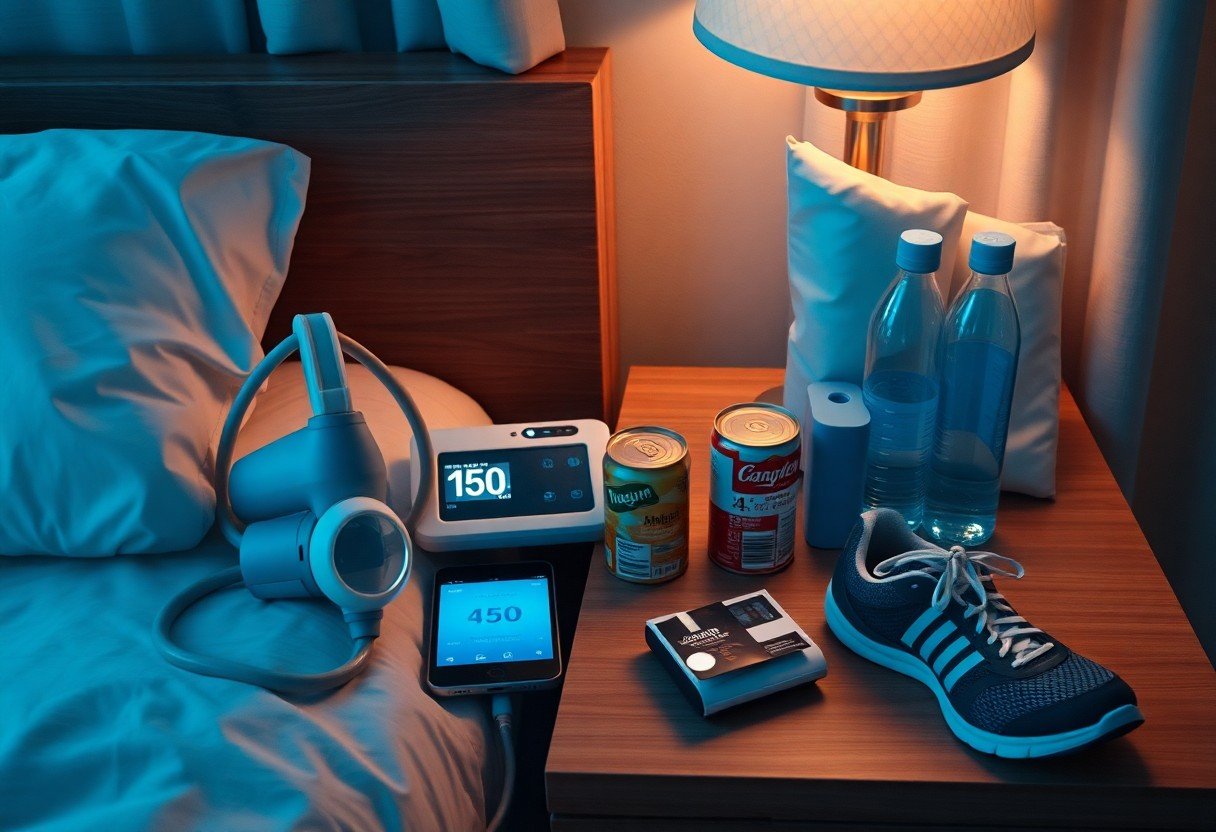
The Influence of Poor Sleep Hygiene and Sleep Apnea
How Sleep Deprivation Elevates Nocturnal Blood Pressure
Sleep deprivation disrupts your autonomic balance, causing sympathetic surges, higher cortisol, and loss of the normal night-time dip, which produces nighttime blood pressure surges that increase your long-term cardiovascular risk.
Corrective Measures for Obstructive Sleep Apnea and Rest Quality
Treating obstructive sleep apnea with CPAP, weight loss, positional therapy, or an oral appliance can restore your nocturnal dip and lower blood pressure; severe or persistent cases warrant ENT or sleep-specialist evaluation.
Using CPAP nightly and maintaining follow-up titration delivers the biggest blood-pressure benefit, while losing about 10% of body weight often reduces apnea severity; consider home sleep testing, mandibular advancement devices for mild-moderate OSA, and surgical options only after specialist assessment to protect your heart and brain.
Final Words
With this in mind, you can address the top five causes of high blood pressure-sodium, inactivity, stress, obesity, and alcohol-by cutting salt, exercising regularly, managing stress, losing weight, and reducing drinks; these steps lower blood pressure, improve cardiovascular health, and reduce medication needs when combined with medical advice.
FAQ
Q: What are the top five causes of high blood pressure?
A: The five most common causes are high sodium intake, excess body weight, physical inactivity, heavy alcohol use and tobacco, and chronic stress with poor sleep. High sodium increases blood volume and vascular resistance. Excess weight raises cardiac output and promotes inflammation and hormonal changes that increase pressure. Physical inactivity reduces vascular function and lowers cardiopulmonary fitness. Heavy drinking and smoking stiffen arteries and boost sympathetic activity. Ongoing stress and inadequate sleep raise catecholamines and cortisol, which elevate resting blood pressure.
Q: How does salt raise blood pressure and what fixes work?
A: High salt intake causes the body to retain water, increasing blood volume and arterial pressure. Reducing sodium to about 1,500-2,000 mg per day for most people lowers systolic pressure by several mmHg; practical steps include cutting processed foods, checking labels, and using herbs and spices instead of salt. Adopting a DASH-style diet that emphasizes fruits, vegetables, whole grains, lean protein, and low-fat dairy increases potassium and magnesium intake and further reduces blood pressure.
Q: How does excess weight affect blood pressure and how can weight loss help?
A: Excess body weight increases cardiac workload and raises vascular resistance through inflammatory and hormonal mechanisms. Losing 5-10 percent of body weight typically lowers systolic pressure by about 5-10 mmHg. Combine a calorie-controlled diet with regular aerobic exercise and resistance training, aim for gradual, sustainable weight loss, and get professional guidance from a clinician or registered dietitian when needed.
Q: Why does physical inactivity raise blood pressure and what exercise works best?
A: Physical inactivity reduces nitric oxide production and diminishes cardiovascular efficiency, which makes blood vessels stiffer and pressures higher. Regular aerobic exercise-about 30 minutes most days or 150 minutes per week-lowers systolic pressure by 4-9 mmHg. Add resistance training two days per week to improve vascular health, support weight management, and maintain muscle mass.
Q: What role do alcohol and smoking play, and how do you fix those habits?
A: Heavy alcohol use increases sympathetic tone and blood pressure; smoking causes transient blood-pressure spikes and long-term arterial damage. Limit alcohol to no more than one drink per day for women and two for men to reduce pressure, and consider abstaining for greater benefit. Use evidence-based smoking cessation tools such as nicotine replacement, prescription medications, and behavioral programs to lower blood pressure and cardiovascular risk.
Q: How do stress and poor sleep contribute to high blood pressure and what interventions help?
A: Chronic stress raises cortisol and catecholamine levels, which increase vascular tone and sodium retention; untreated sleep disorders, especially obstructive sleep apnea, cause repeated nocturnal blood-pressure surges. Practice stress-reduction techniques like focused breathing, progressive muscle relaxation, cognitive behavioral therapy, or regular physical activity to lower baseline pressure. Screen for and treat sleep apnea-continuous positive airway pressure (CPAP) therapy often reduces both nighttime and daytime blood pressure.
Q: When should I see a doctor and what medical treatments are effective?
A: See a clinician if home readings consistently exceed 130/80 mmHg, if a single reading is 180/120 mmHg or higher, or if you have chest pain, shortness of breath, or neurological symptoms. Clinicians confirm hypertension with repeated office or ambulatory monitoring and usually start with lifestyle interventions for mild cases. When lifestyle measures fail to reach targets or risk is high, doctors prescribe medications such as thiazide diuretics, ACE inhibitors, ARBs, calcium channel blockers, or beta-blockers tailored to your medical history, with regular follow-up to adjust doses and monitor side effects.