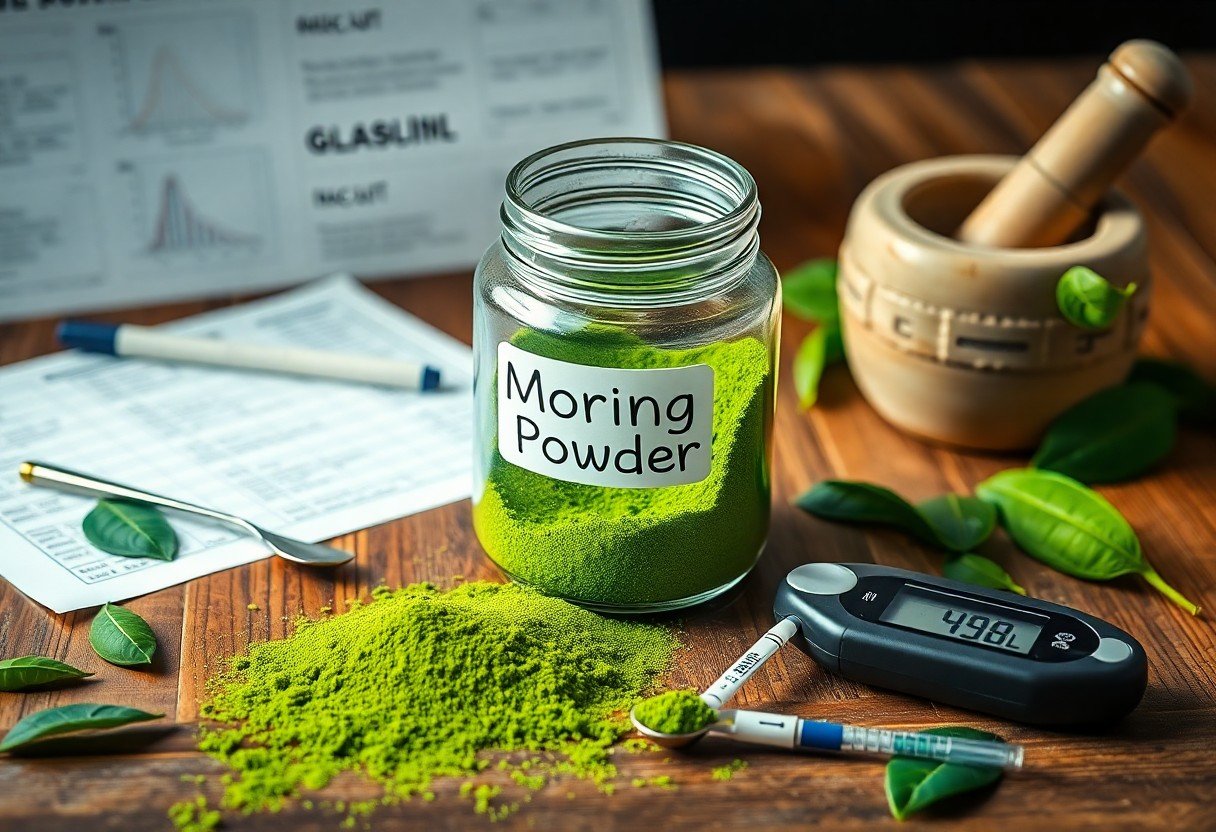
Many studies show you can use moringa powder to improve blood sugar control and reduce inflammation, while hypoglycemia risk and medication interactions require medical oversight.
Moringa Powder – The “Miracle Tree” – Benefits for Diabetes and Inflammation: The Nutritional Profile of Moringa Oleifera
Essential Vitamins, Minerals, and Complete Protein Content
Leaves offer you concentrated vitamins A, C, and E, minerals like calcium, potassium, and iron, and a complete protein profile with imperative amino acids, supporting nutrient needs that matter when you manage diabetes and inflammation.
Key Bioactive Compounds: Isothiocyanates and Quercetin
You receive powerful anti-inflammatory and antioxidant actions from isothiocyanates and quercetin, which help lower oxidative stress and assist blood glucose control, though effects vary by dose and preparation.
Research indicates you benefit from isothiocyanates inhibiting inflammatory enzymes and improving insulin signaling, while quercetin reduces cytokine production and scavenges free radicals; you should note that concentrated extracts can amplify hypoglycemia risk and may interact with diabetes medications, so coordinate dosing with your healthcare provider.
Mechanisms of Action in Glycemic Control
Moringa modulates insulin signaling, reduces hepatic glucose output, and slows carbohydrate digestion, helping you lower blood sugar; see the literature summary Effectiveness of Moringa Oleifera Extract in Type II Diabetes, while monitoring for hypoglycemia when combined with medications and noting its antihyperglycemic effects.
Enhancing Insulin Sensitivity and Cellular Glucose Uptake
Leaf bioactives like chlorogenic acid and isothiocyanates enhance insulin receptor signaling and GLUT translocation, so you experience greater glucose uptake into muscle and fat cells, helping reduce fasting glucose; improved insulin sensitivity lowers overall glycemic burden.
Inhibition of Carbohydrate-Digesting Enzymes
Plant compounds inhibit alpha-amylase and alpha-glucosidase, slowing starch and sugar breakdown so you see blunted postprandial glucose spikes and steadier blood sugar; lower post-meal peaks aid glycemic control.
Clinical and preclinical studies link this enzyme inhibition to flavonoids and polyphenols; when you take moringa with carbohydrate-rich meals you can reduce glucose excursions, but you should watch for interactions with antidiabetic drugs and the risk of hypoglycemia, consulting your clinician for dose adjustments.
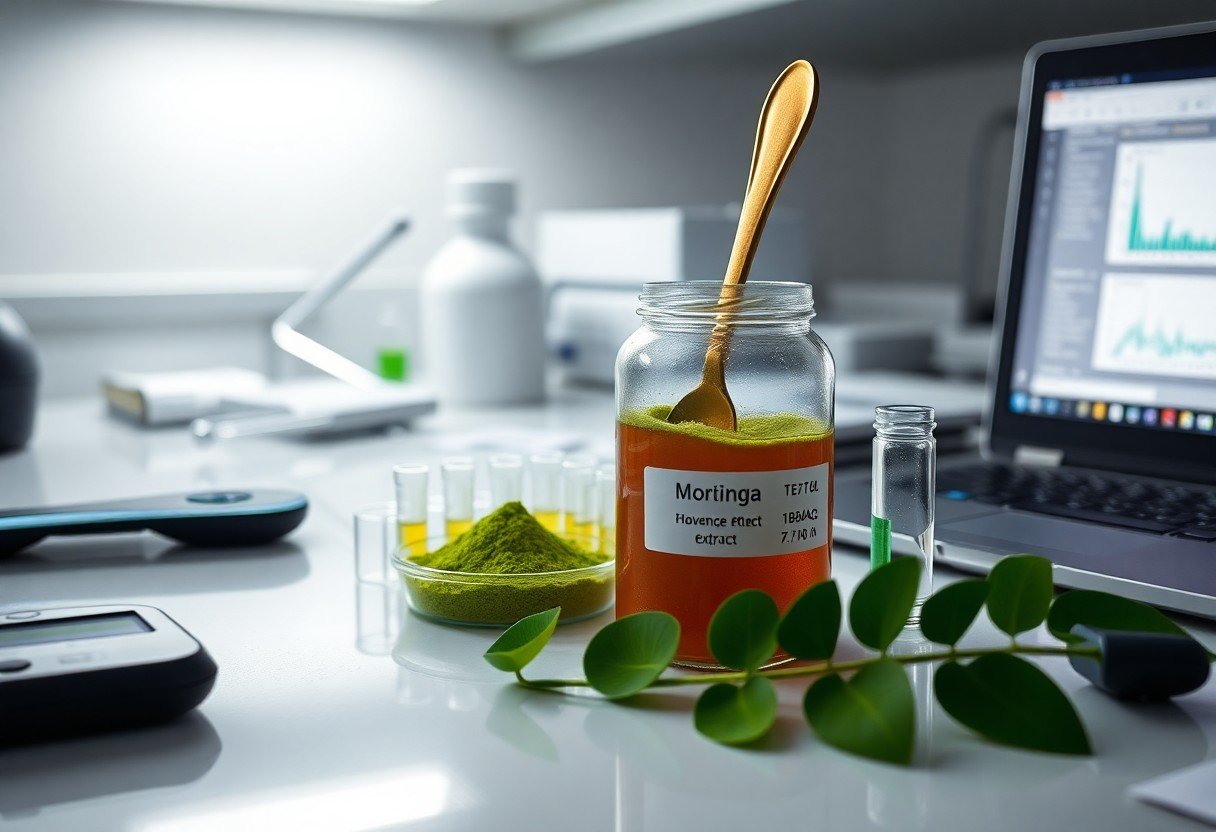
Clinical Evidence for Diabetes Management
Clinical trials and meta-analyses indicate you can achieve modest reductions in fasting glucose and inflammatory markers with moringa powder; some studies report small HbA1c decreases, while you must monitor for hypoglycemia if combined with glucose-lowering medications.
Impact on Fasting Blood Glucose and HbA1c Levels
Studies report that regular moringa use can lower fasting glucose and produce modest HbA1c declines over weeks, offering a supportive adjunct to therapy; you should not change prescriptions without clinician guidance due to hypoglycemia risk.
Role in Reducing Postprandial Glucose Spikes
Evidence shows moringa taken with meals can blunt post-meal glucose excursions by slowing carbohydrate absorption, helping you reduce postprandial spikes; monitor glucose closely when combined with insulin or secretagogues.
Mechanistically, moringa’s fiber, polyphenols and enzyme inhibitors slow carbohydrate digestion and reduce intestinal glucose uptake, so when you consume the powder with carbohydrate-rich meals studies document lower peak glucose and reduced insulin excursions; you must monitor levels and coordinate timing with your provider to avoid hypoglycemia or drug interactions.

Molecular Basis of Moringa’s Anti-inflammatory Effects
Moringa’s bioactive compounds target intracellular signaling to reduce inflammation, helping you lower pro-inflammatory cytokine release and suppress NF-kB activation.
Suppression of Pro-inflammatory Cytokines and NF-kB Pathways
You observe moringa leaf extracts inhibit cytokines like IL-6 and TNF-α and block NF-kB translocation, reducing inflammatory gene expression and protecting tissues in diabetes-related inflammation.
Neutralizing Oxidative Stress through Potent Antioxidants
Leaves contain flavonoids and phenolics that scavenge reactive oxygen species, so you reduce oxidative damage linked to chronic inflammation and diabetic complications.
Extracts rich in quercetin, kaempferol and chlorogenic acid directly neutralize reactive oxygen species and lower lipid peroxidation, reducing cellular injury. You also see upregulation of antioxidant defenses-moringa increases glutathione, superoxide dismutase and catalase activity-thereby preserving insulin signaling and limiting inflammation-driven tissue damage in diabetes.
Therapeutic Applications for Chronic Inflammation
Clinical studies and traditional use show moringa powder can lower inflammatory cytokines and support metabolic health; you may experience reduced swelling and improved glucose regulation. Use caution if you take blood sugar medications or anticoagulants-risk of hypoglycemia or interactions requires monitoring and medical advice.
Management of Joint Pain and Rheumatoid Arthritis Symptoms
You can use moringa to reduce joint pain and stiffness thanks to its anti-inflammatory flavonoids; short-term studies report symptom relief. Keep in mind it does not replace disease-modifying therapy, and combining with prescription drugs needs clinician approval to avoid adverse effects.
Protective Effects on Cardiovascular and Digestive Health
Evidence suggests you may gain cardiovascular and digestive protection from moringa’s antioxidants, which can lower LDL oxidation and reduce gut inflammation. If you take antihypertensives, antidiabetics or blood thinners, monitor for drug interactions and blood sugar drops.
Mechanisms behind these effects include moringa’s rich supply of antioxidants (quercetin, kaempferol) and isothiocyanates that reduce oxidative stress and vascular inflammation, so you may see improved lipid profiles, endothelial function and lower CRP over time. Be aware the supplement can potentiate hypoglycemia and lower blood pressure, so you should adjust medications only with medical supervision and avoid high doses during pregnancy.
Practical Guidelines: Dosage, Safety, and Quality
Recommended Daily Intake for Therapeutic Benefits
Clinical studies suggest you take 1-3 g daily of moringa powder for blood-sugar and inflammation benefits; short-term use up to 6 g has been studied-start low and monitor your glucose with your clinician.
Potential Side Effects and Drug Interactions
If you combine moringa with antidiabetic drugs you face additive hypoglycemia; avoid during pregnancy and consult about possible interactions with anticoagulants, blood-pressure, and thyroid medications.
You may experience gastrointestinal symptoms (nausea, cramping, diarrhea) and a mild laxative effect at higher doses; moringa’s glucose- and blood-pressure-lowering actions can cause severe hypoglycemia or symptomatic hypotension if your medications aren’t adjusted. Inform your prescriber about herbal use, stop if allergic reactions occur, and avoid concentrated root extracts in pregnancy.
Identifying High-Quality, Bioavailable Moringa Powder
Choose organic, leaf-only powders with batch testing for heavy metals and microbes, clear origin, and third-party certification; prefer recent harvest dates and transparent processing.
Look for certificates of analysis showing limits for heavy metals and microbial contamination, prefer freeze-dried whole-leaf products or standardized extracts, and avoid blends with seeds/roots unless tested; taking the powder with a small amount of dietary fat increases absorption of fat-soluble compounds and improves bioavailability.
Summing up
Upon reflecting, you can recognize that moringa powder supports blood-sugar control and reduces inflammation through antioxidant and anti-inflammatory compounds, offering a useful adjunct to diabetes care when combined with prescribed treatment and healthy lifestyle choices.
FAQ
Q: What is moringa powder and why is Moringa oleifera called the “Miracle Tree”?
A: Moringa oleifera leaf powder is a dried, ground form of the leaves from the moringa tree, used as a nutritional supplement and food ingredient. The leaves concentrate vitamins A, C, and E, minerals such as calcium and potassium, complete proteins (including imperative amino acids), and high levels of antioxidants like quercetin, chlorogenic acid, and various isothiocyanates. Traditional medicinal systems and modern nutrition science highlight this nutrient density and the tree’s wide range of potential health effects, which is why moringa earned the nickname “Miracle Tree.”
Q: How can moringa powder help manage diabetes and blood sugar?
A: Moringa powder affects blood glucose through several mechanisms: it can slow intestinal glucose absorption, enhance insulin secretion in some animal models, improve peripheral insulin sensitivity, and protect pancreatic beta cells from oxidative damage. Key bioactive compounds linked to these effects include chlorogenic acid, quercetin, and certain isothiocyanates. Clinical evidence includes animal studies showing consistent reductions in fasting glucose and small human trials demonstrating modest reductions in postprandial glucose after consuming 1-2 teaspoons (roughly 2-4 g) of moringa leaf powder with a meal. Larger, high-quality randomized trials remain limited, so moringa should be considered an adjunct to-not a replacement for-established diabetes treatments.
Q: What anti-inflammatory effects does moringa powder have and how do they work?
A: Moringa leaf powder contains polyphenols and other phytochemicals that suppress pro-inflammatory pathways. Laboratory and animal studies show reductions in cytokines such as TNF-α and IL-6, inhibition of NF-κB signaling, and decreased markers of oxidative stress. Small human studies and pilot trials report reductions in inflammatory biomarkers such as C-reactive protein (CRP) and subjective improvements in pain or joint discomfort in some participants. Anti-inflammatory effects stem from antioxidant scavenging of reactive oxygen species and direct modulation of inflammatory signaling cascades by specific moringa compounds.
Q: What is a practical dosing approach for moringa powder for someone with diabetes or chronic inflammation?
A: Culinary use typically ranges from 1 teaspoon to 1 tablespoon daily (about 2-7 g). Many clinical and pilot studies used doses in the 1-6 g/day range. Start at a low dose such as 1 teaspoon (≈2 g) once daily, taken with food, and monitor blood glucose closely if you are on antidiabetic medication. Gradual increases can be considered based on tolerance and response. Moringa powder can be mixed into smoothies, yogurt, soups, or sprinkled onto cooked dishes. Consult a healthcare professional before changing dose or combining moringa with prescription medications.
Q: Are there safety concerns, side effects, or interactions to be aware of when using moringa powder?
A: Common side effects include mild gastrointestinal symptoms such as nausea, bloating, or diarrhea at higher doses. Moringa can lower blood glucose and blood pressure, so concurrent use with antidiabetic or antihypertensive drugs may increase the risk of hypoglycemia or hypotension; close monitoring and possible medication adjustment are advised. Parts of the moringa plant (roots, bark, and flowers) contain compounds with uterotonic activity, so pregnant people should avoid concentrated extracts and consult their provider; commercially sold leaf powder used as food is generally considered safer but still requires caution in pregnancy. Quality control matters: contaminated or adulterated products can carry heavy metals or other toxins. Stop use and seek medical advice if severe side effects occur, and discuss moringa use with your clinician before adding it to your regimen.