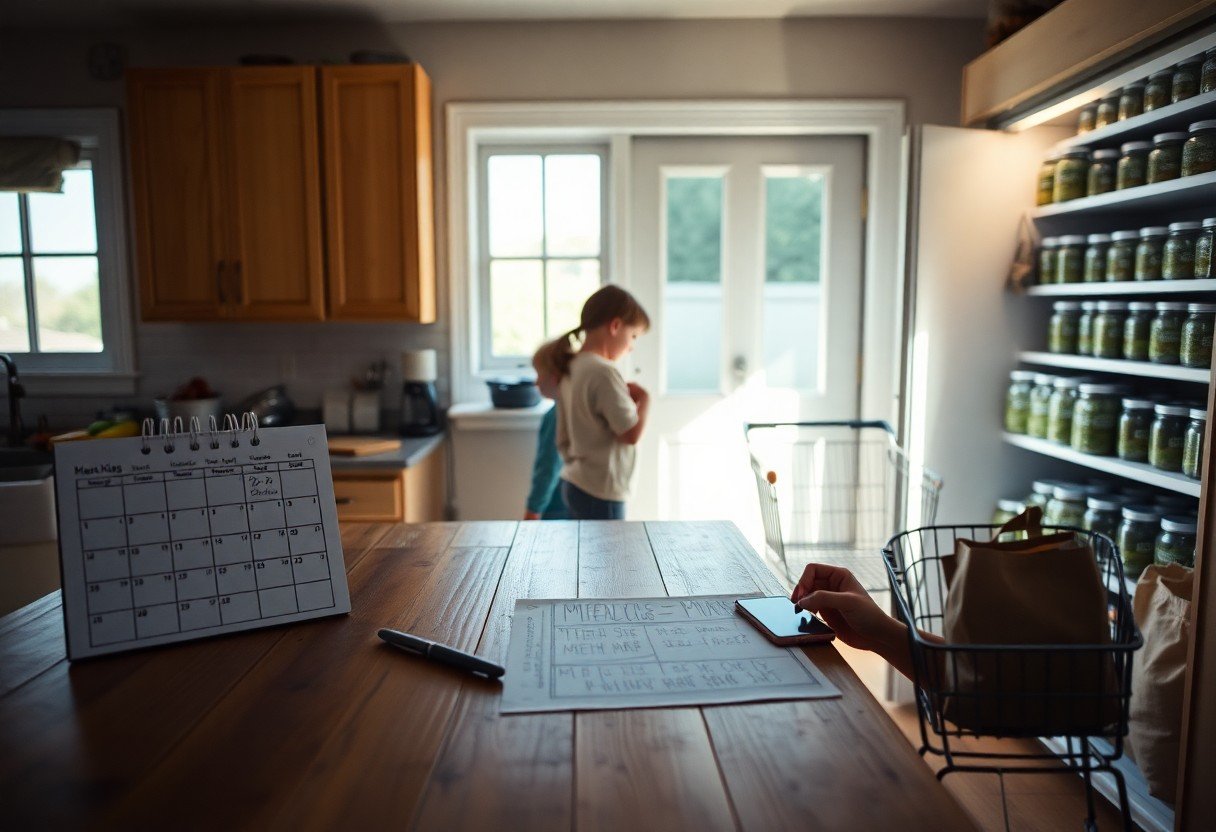
Most often, you can reclaim evenings and your budget by adopting streamlined meal planning: plan a weekly menu, keep a rotating master grocery list, and prep ingredients on weekends to cut daily cooking time. Use sales, coupons, and bulk buys to save money, and follow safe storage and reheating practices to reduce foodborne risks. With these disciplined habits you’ll feed your family healthier, faster, and for less.
Key Takeaways:
- Use a weekly menu with theme nights and batch-cook staples (grains, roasted proteins, sauces) to speed weeknight dinners and create ready lunches.
- Shop smarter with a store-layout list, compare unit prices, buy staples and frozen produce in bulk, and use store apps, loyalty deals, and digital coupons to save time and money.
- Stretch time and budget by planning double-duty meals and freezer portions, using one-pot/slow-cooker or Instant Pot recipes, and prepping family-friendly components (chopped veggies, sauces) on weekends.
Understanding the Importance of Meal Planning
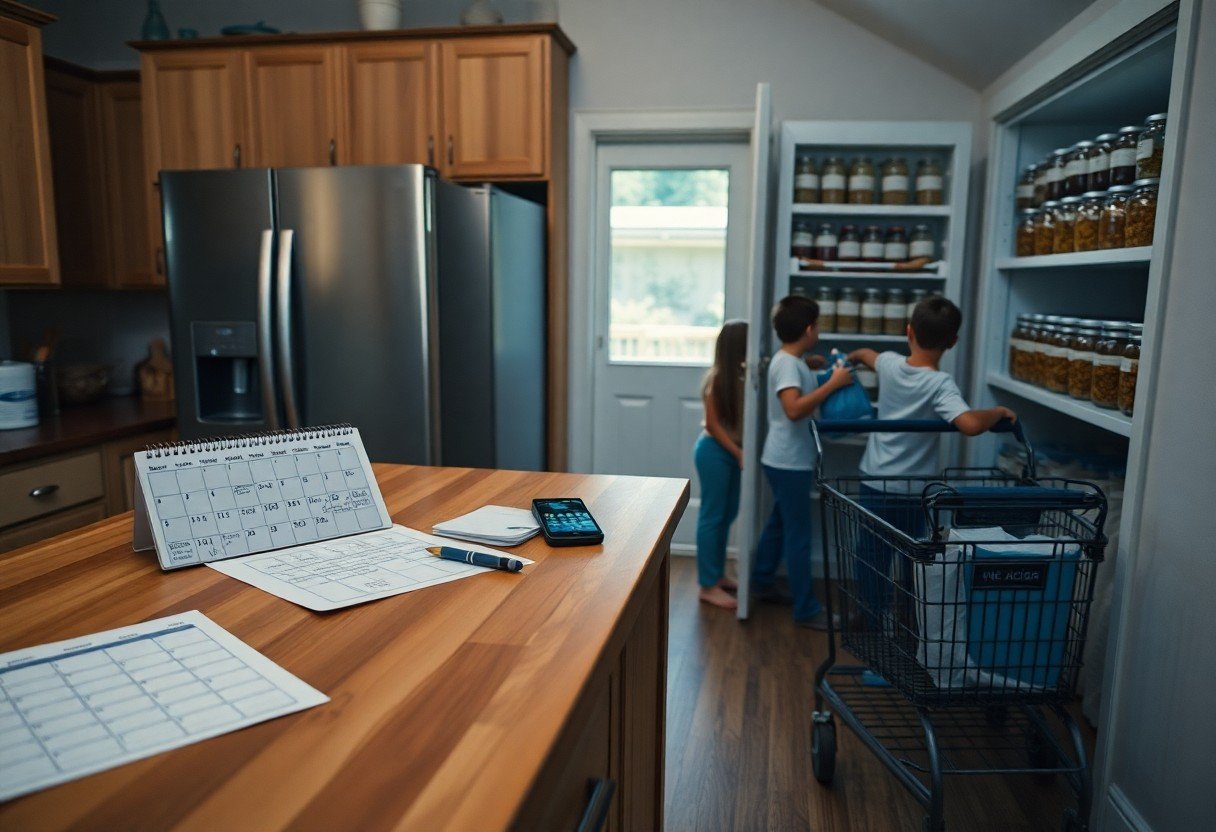
By scheduling what you’ll cook and shop for, you convert chaotic evenings into predictable routines that cut costs and waste. Many households report saving 10-30% on groceries and reducing food waste by about 30% when they plan; practical examples include turning one roast chicken into three dinners and two lunches, or using a Sunday 90‑minute prep session to shave weeknight dinner time from an hour to 20-30 minutes.
Benefits for Busy Families
Scheduling meals helps you manage time, reduce decision fatigue, and keep nutrition consistent across the week. For instance, batching grains, chopping veggies, and pre-cooking proteins on Sunday can give you 3-4 ready components to assemble dinners in 20 minutes, while themed nights (Taco Tuesday, Stir‑Fry Thursday) simplify shopping and keep kids engaged without extra planning effort.
Time and Cost Efficiency
Buying in bulk, using unit‑price comparisons, and planning for leftovers directly lower per‑meal costs; you can often cut spending by 10-25% simply by sticking to a shopping list and avoiding impulse buys that add 10-15% to your total. Take care with perishables though-improper storage of bulk items can be dangerous if it causes spoilage or foodborne illness.
Use a simple weekly template: pick 3 proteins, 3 vegetables, and 2 starches, then map them across seven days so ingredients get reused. For example, a $6-10 rotisserie chicken can yield 3 dinners + 2-3 lunches; freezing portions extends use. Compare unit prices on shelves, clip coupons or use cash‑back apps, and plan one shop for staples and one midweek top‑up to keep costs low and fridge turnover high.
Essential Grocery Shopping Strategies
Plan your route through the store to minimize time and spoilage: start on the perimeter for produce, dairy and meat, then move through center aisles for staples and snacks. Shop weekday mornings to avoid crowds and impulse buys, and aim to keep trips under 60 minutes so decisions stay efficient. If you buy sale perishables to stock up, freeze them within 2 hours (1 hour above 90°F) to prevent foodborne illness and wasted money.
Creating a Comprehensive Grocery List
You should base your list on a 7-14 day meal plan and include quantities, brands, and prep notes so partners can shop confidently. Group items by store section-produce, dairy, meat, frozen, pantry-to avoid backtracking and save time. Use apps like AnyList or Google Keep to sync lists and track prices; for a family of four, note typical amounts (for example, 1.5-2 gallons of milk and 10-12 eggs per week) to prevent repeat trips.
Utilizing Store Flyers and Coupons
You can cut grocery costs by checking weekly flyers and clipping digital coupons early; stacking a store promo with a manufacturer coupon often delivers 20-40% savings on staples. Subscribe to loyalty programs and use rebate apps like Ibotta or Fetch for extra cash back, then plan meals around proteins and produce on sale so you buy in the right quantities and freeze portions for later.
Start by setting alerts for your top 10 items so you see sales as soon as flyers drop-many weekly ads run on a 7-day cycle and post midweek. Clip digital coupons before checkout and upload manufacturer coupons to loyalty accounts when allowed; for example, if chicken falls to $1.99/lb and you have a $0.50/lb coupon, you effectively pay $1.49/lb, making bulk buys worth freezing. Verify each store’s coupon stacking and price-match policies, label frozen portions with dates, and freeze perishables within 2 hours after purchase to protect quality and your savings.
Quick and Healthy Meal Ideas
You can streamline dinners by rotating fast, nutrient-dense options-think 15-30 minute stir-fries, 20-minute tacos, or 10-minute grain bowls built from 4-6 staples like canned beans, frozen veggies, whole grains, and lean proteins. Try a 20-minute shrimp stir-fry or a 25-minute turkey and sweet potato hash; these often fall in the 400-600 calorie range per serving and can cut weekly food costs-save up to $150 monthly by reducing takeout.
One-Pot and Sheet Pan Recipes
You’ll get dinners and minimal cleanup by using one-pot stews or sheet-pan roasts: roast 4 bone-in chicken thighs with potatoes and green beans at 425°F for 25-30 minutes to feed four, or simmer a lentil-and-tomato skillet in 25-35 minutes for high-fiber protein. Layer flavors with spice mixes, and use parchment or foil to achieve one-pan cleanup that saves 15-20 minutes after dinner.
Meal Prep and Freezing Techniques
You should portion meals into 2-cup servings, cool to room temperature within 2 hours, then freeze flat in resealable bags to save space; best quality is about 3 months in a home freezer. Thaw overnight in the fridge and reheat to an internal temperature of 165°F to ensure safety, and label packages with contents and date so you rotate older items first.
Focus on freezer-friendly recipes like chili, bolognese, casseroles, meatballs, and cooked grains; flash-freeze single portions on a baking sheet before bagging to prevent clumping. When you need food fast, thaw in the fridge overnight, or for quicker results use the microwave or cold-water submersion-change the water every 30 minutes and cook immediately if using cold-water or microwave thawing. Vacuum sealing and removing air can extend quality to 6-12 months for some proteins, but always label dates and use the oldest first.
Incorporating Family Preferences
Your family stays happier when you build the plan around favorites: run a quick poll, assign 2 “favorite” dinners, 1 “new recipe” night and 1 “swap” night for dietary needs. If someone has a peanut allergy or a vegetarian teen, create two base meals plus a shared side to mix-and-match. Use rotating themes like tacos, pasta, and sheet-pan proteins to cut prep time and waste. Allergy adjustments are high-priority to keep everyone safe.
Involving Kids in Meal Planning
You can start by letting kids aged 3-5 choose between two proteins, ages 6-9 pick sides and help measure, and 10-14 plan one meal weekly using a grocery app. Research suggests involvement can raise acceptance of new foods by up to 30%. Use sticker charts, a family menu board, or a Sunday 10-minute vote to keep it quick and consistent; hands-on tasks reduce dinner resistance while building skills.
Balancing Nutrition and Picky Eaters
You can focus on nutrient-dense swaps: puree cauliflower into mac and cheese, add spinach to smoothies, and offer two vegetable choices plus a lean protein at dinner. Aim for 2-3 vegetable servings at supper and keep portions familiar-small, predictable plates lower rejection. Rotate textures and colors across the week so you raise variety gradually without turning meals into battles.
You can apply exposure and pairing tactics: present a new food 10-15 times without pressure, pair it with a preferred item at a 1:3 ratio, and sneak nutrition into favorites (for example, 25% cauliflower purée in cheese sauce). Use “two-bite” agreements and track wins; many families see improvement within 3-4 weeks when consistent. Highlight positive wins and modify textures to reduce choking-risk for young children.
Smart Kitchen Tools and Gadgets
Must-Have Cooking Appliances
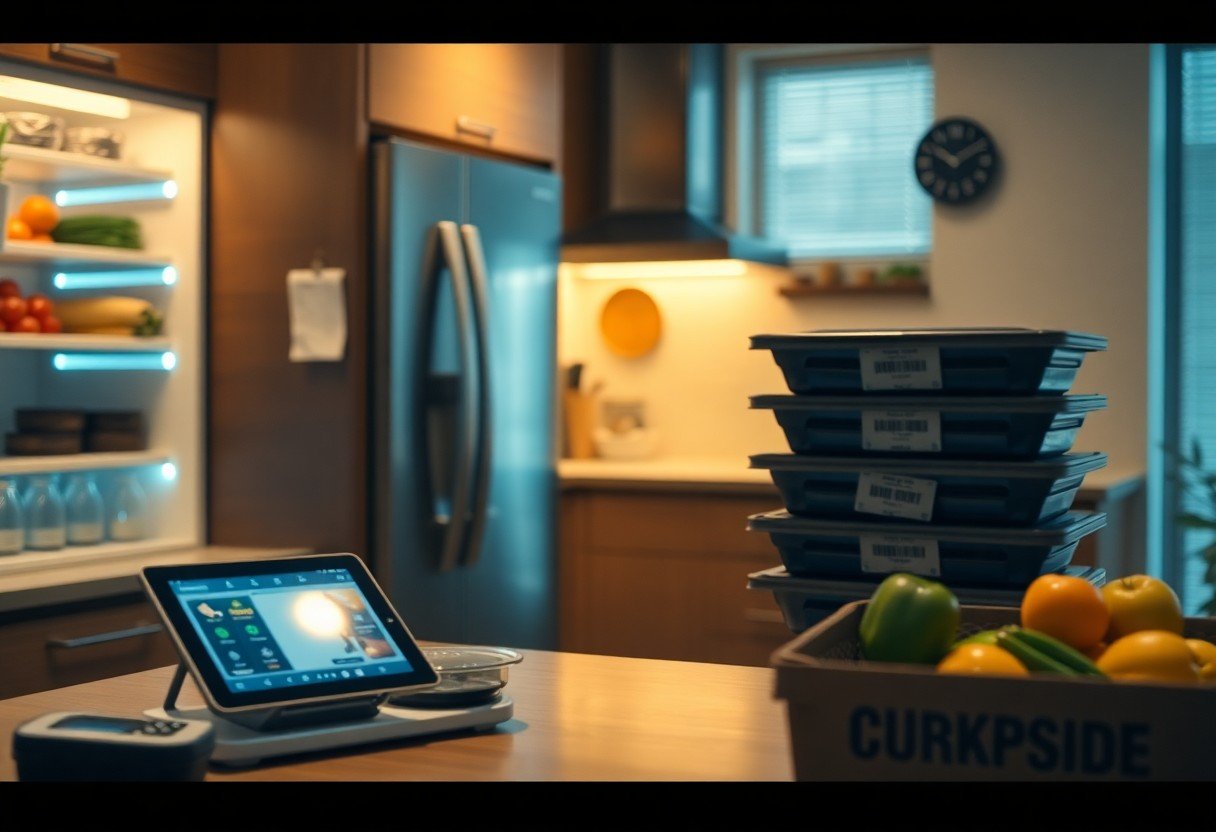
Upgrade weeknight cooking with appliances that reclaim hours: a 6‑quart Instant Pot Duo pressure cooker can reduce braising from 120 minutes to about 30 (≈75% faster), an air fryer (2-4 lb basket) crisps proteins using roughly 70% less oil, and a 1200W blender or 10‑cup food processor speeds sauces and prep for 4-6 servings-use programmable timers for reliable, set-and-forget dinners that fit your schedule.
Tools for Easy Meal Preparation
Stock high-impact tools: a 10‑cup food processor, a 600-800W immersion blender for hot soups, a quality mandoline for uniform cuts, silicone spatulas, a digital scale, and a vacuum sealer. You’ll shave prep time and get consistent portions; however, the mandoline blade is very sharp-use the guard or a cut-resistant glove to avoid injury, and label vacuum-sealed packs with dates for safe rotation.
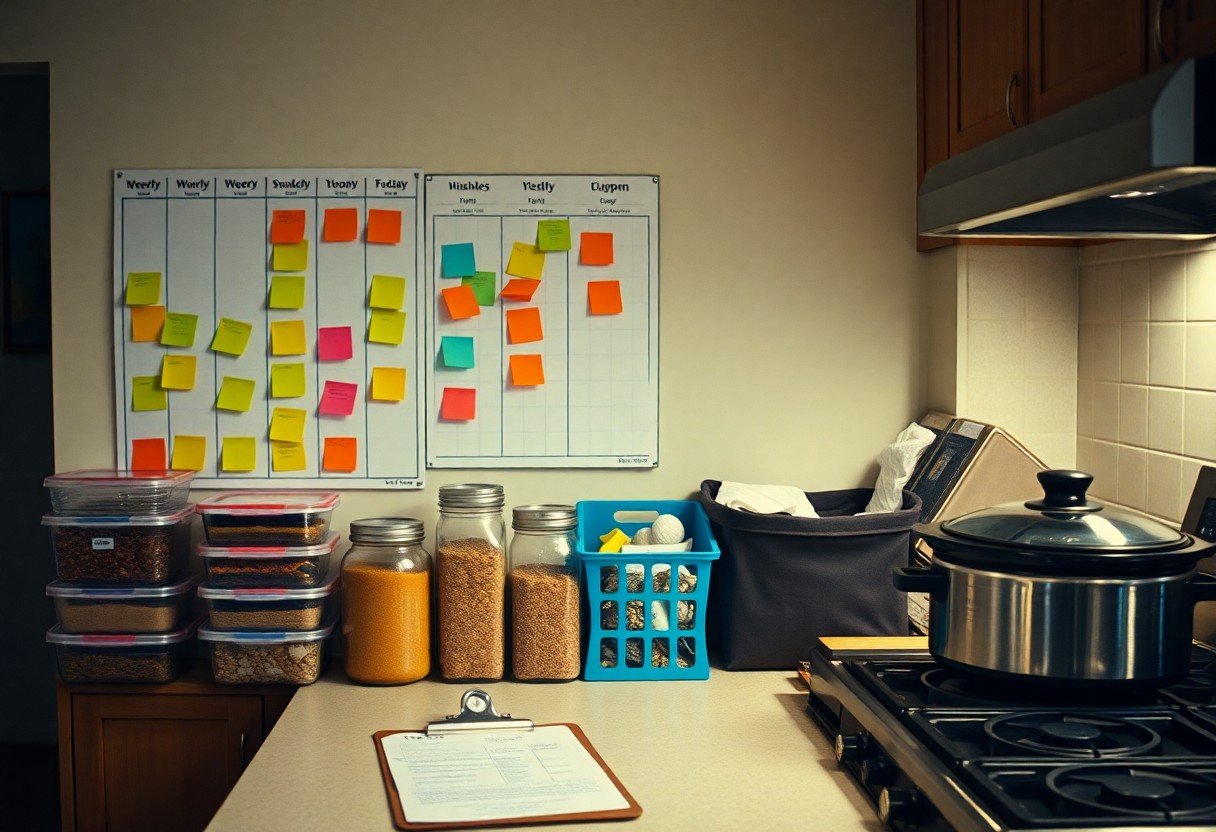
For efficient batch work, portion meals into 2‑cup servings (single adult portions) or 1-1.5 cups for kids, freeze flat to stack and thaw overnight in the fridge, and pulse the food processor 10-15 seconds for controlled texture. You can blend hot soups directly with an immersion blender to cut transfers, set mandoline at 2-3 mm for even slices, and use the vacuum sealer to extend refrigerated freshness by about 2-3×.
Overcoming Common Meal Planning Challenges
When plans fall apart you need quick pivots: keep a simple template (2 proteins, 2 grains, 3 veg) and a backup list for nights you don’t cook. Use a rotating 4-week menu to cut decision time by half and avoid last-minute takeout, which often increases weekly spending. For extra tactics, see 5 Smart Back-To-School Meal Prep Tips For Busy Families.
Staying Consistent with Planning
You can stay consistent by blocking two short sessions: a 10-minute midweek tweak and a 30-minute weekend plan. Build a 4-week rotating menu, batch-cook 3 proteins and 4 sides, and sync a master shopping list to your phone. Consistency reduces wasted food and saves time, and using calendar reminders helps you treat planning like any other family appointment.
Adapting to Changing Schedules
You should design flexible slots: “swap nights,” a 30-minute sheet-pan option, and two freezer-ready meals each week. Keep versatile staples-rice, canned beans, frozen veg-and a slow-cooker recipe that feeds 4 in under 4 hours. Rigid plans often lead to wasted food, so build adaptability into every weekly plan.
For example, stock three ready-made meals, one 20-minute stir-fry kit (prepped veggies + protein), and a pantry emergency meal; for a family of four this covers most unexpected evenings and cuts ordering out by an estimated 60% on those nights. You’ll find that rotating freezer meals weekly and labeling dates prevents spoilage while giving you the flexibility to swap plans without stress.
To wrap up
The practical strategies of meal planning, batch cooking, and smart grocery shopping let you save time, cut costs, and reduce stress while feeding your family healthier meals; by setting a weekly menu, using shopping lists, leveraging sales, and prepping staples in advance you streamline routines and reclaim evenings for what matters most.
FAQ
Q: How can busy families build a weekly meal plan quickly?
A: Start by taking a 10-15 minute inventory of your fridge, freezer and pantry, then choose 3-4 proteins and 3-4 vegetables to mix and match. Use theme nights (e.g., Taco Tuesday, Pasta Wednesday), plan one double-batch night for leftovers, and slot one flexible “leftovers or takeout” night. Write meals directly on a shared family calendar or app and list ingredients by aisle to speed shopping. Block a weekly 30-60 minute prep session (chop, cook grains, portion snacks) to shorten nightly cooking time.
Q: What batch-cooking and prep hacks save the most time?
A: Cook large batches of staple components-rice/quinoa, roasted vegetables, shredded chicken, and a sauce-then mix and match across meals. Use sheet-pan dinners, slow cooker or Instant Pot recipes that scale, and double soups/stews to freeze single-serve portions. Pre-portion lunch items into reusable containers, blanch and freeze vegetables for quick use, and store chopped produce in airtight containers with paper towels to extend freshness.
Q: How do I create a grocery list that saves money and reduces trips?
A: Base your list on the weekly meal plan and group items by store section. Check store circulars and apps for sales, compare unit prices, choose seasonal produce and store brands for staples, and buy pantry/bulk items when on sale. Use grocery pickup or delivery for a targeted, time-saving shop and set a rule to avoid unplanned aisles. Keep a running inventory on your phone so you only restock what you need.
Q: How can I accommodate picky eaters and dietary restrictions without extra work?
A: Build modular meals-bowls, tacos, or grain plates-so each person assembles their plate from shared components. Offer one familiar base and a few simple options (protein, veg, sauce) so variety doesn’t multiply cooking. Incorporate vegetables into sauces, casseroles or smoothies to increase intake stealthily. Let kids pick one new item per week to increase buy-in and keep portion sizes small when introducing new foods.
Q: Which kitchen tools and apps give the best return for busy families?
A: A pressure cooker/Instant Pot and a reliable sheet pan reduce active cooking time; a sharp chef’s knife and food storage set speed prep and organization. Airtight containers, freezer bags and a vacuum sealer extend leftovers. Use a meal-planning app (Paprika, Mealime, or Google Keep templates), store loyalty apps for digital coupons, and grocery pickup or delivery services to save time. Prioritize tools that match your most common cooking methods and your household size.