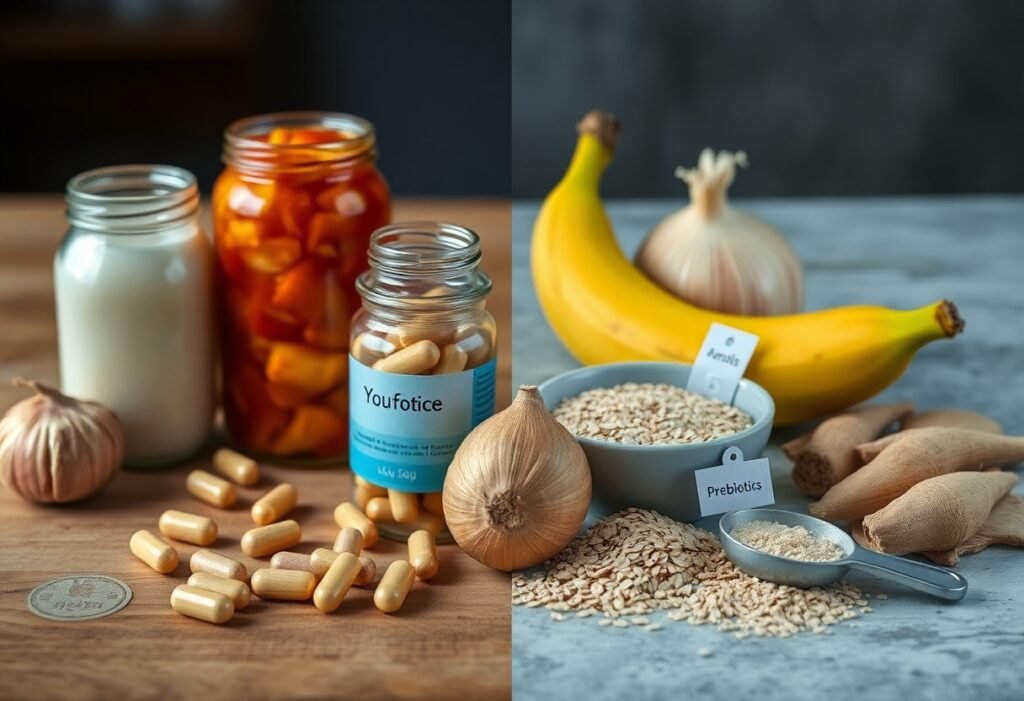
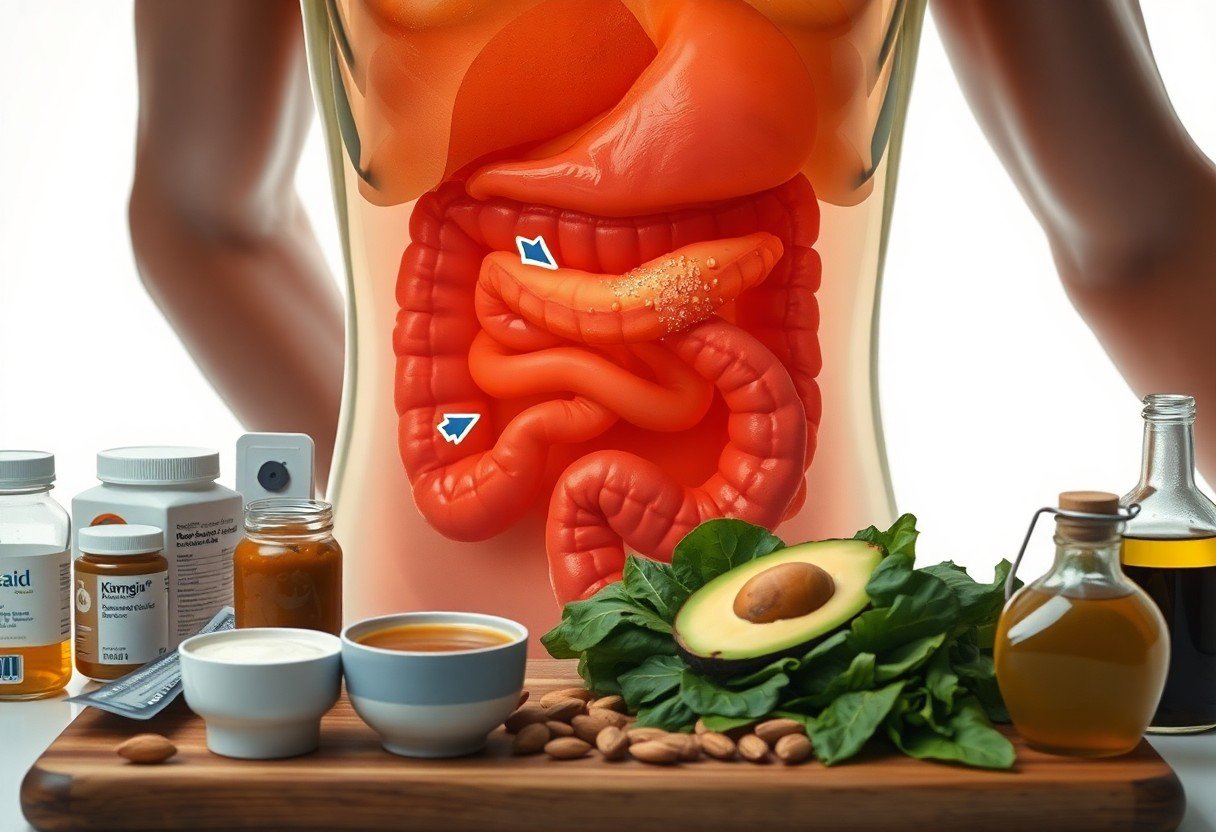
It’s important you recognize leaky gut by symptoms like abdominal pain, bloating, systemic inflammation, understand causes such as diet and stress, and use healing foods like fermented vegetables, bone broth, fiber to reduce permeability and lower autoimmune risk.
The Physiology of the Intestinal Barrier
The intestinal barrier integrates epithelial cells, mucus, immune cells, and microbial signals to regulate absorption and block harmful agents, so you depend on its selective permeability for overall health.
The Function of Tight Junctions and the Mucosal Layer
Tight junctions seal spaces between epithelial cells while the mucosal layer traps microbes and nutrients, so you rely on them to keep luminal contents out of circulation. If they weaken, intestinal permeability increases.
The Mechanism of Endotoxemia and Systemic Inflammation
When LPS from gram-negative bacteria crosses a compromised barrier, it enters your portal circulation and activates immune signaling, driving a cascade that results in systemic inflammation and metabolic stress.
Exposure to translocated LPS engages TLR4 on macrophages and hepatocytes, triggering release of TNF-α and IL-6 that can cause fever, insulin resistance, and tissue injury; if you experience persistent translocation, chronic endotoxemia increases risk of metabolic and autoimmune conditions, while dietary and microbiome-focused interventions can restore barrier integrity and lower systemic inflammation.
Recognizing the Symptoms of Increased Permeability
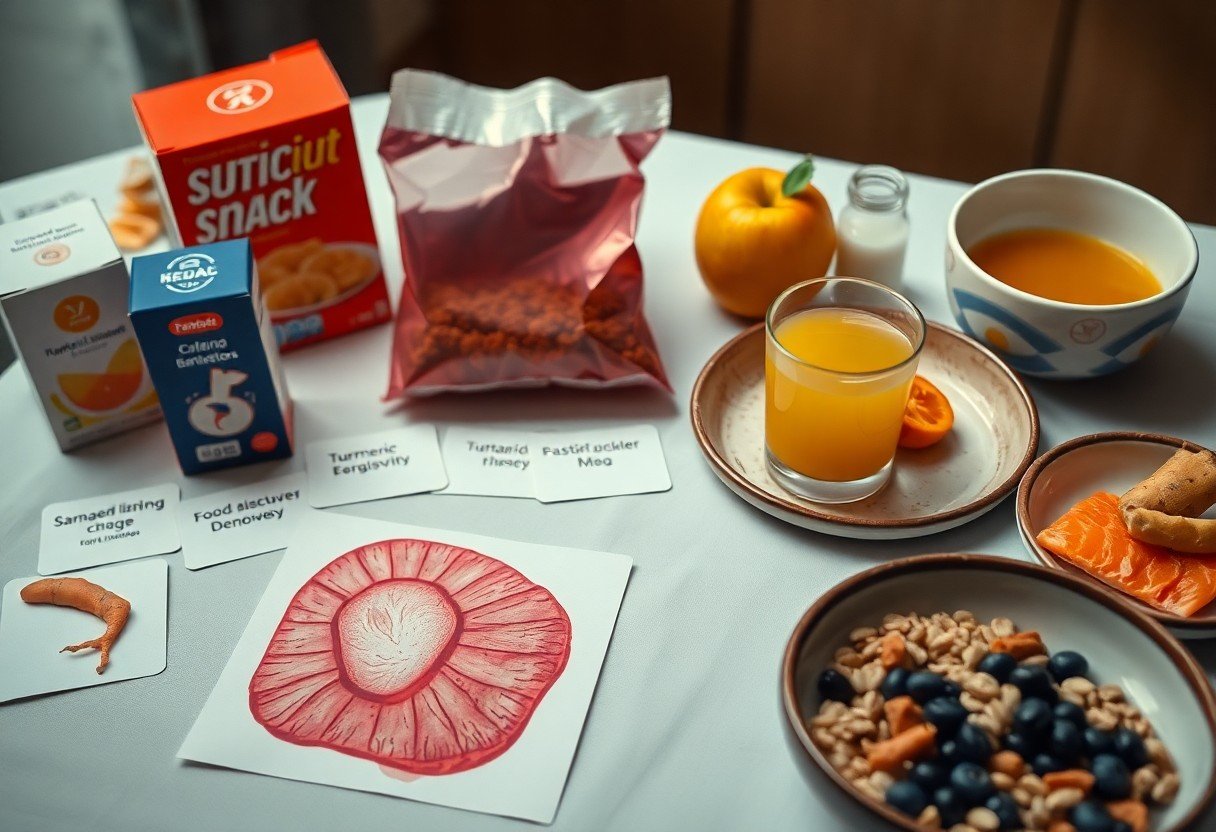
Signs of increased intestinal permeability often include persistent bloating, new food sensitivities, unexplained cramps, and frequent low-grade infections; you may also experience systemic inflammation and fluctuating weight. Consult resources like Leaky Gut Syndrome: Symptoms, Treatments, and More to compare symptoms and treatment options.
Chronic Digestive Issues and Nutrient Malabsorption
Frequent diarrhea, constipation, or bloating can signal damage to your lining; this leads to nutrient malabsorption, causing deficiencies in iron, B12, and fat-soluble vitamins that leave you weak and prone to infections.
Systemic Indicators: Brain Fog, Fatigue, and Skin Rashes
Persistent brain fog, unrelenting fatigue, and unexplained rashes often show that gut-derived immune activation is affecting your whole body, not just digestion.
You may notice cognitive slowing, concentration lapses, and memory slips when gut barrier breaches let microbial fragments into circulation; those immune triggers can produce chronic fatigue, mood shifts, and inflammatory skin conditions like eczema or acne. Track patterns between meals, stress, and symptoms to help your clinician identify links and prioritize targeted dietary and lifestyle changes.
The Link Between Leaky Gut and Autoimmune Conditions
Connections between increased permeability and autoimmune flares mean your immune system can mistake self for foreign when gut antigens cross into the bloodstream, increasing risks of conditions like rheumatoid arthritis or thyroiditis.
Autoimmune activity can escalate after repeated antigen exposure from a compromised gut barrier; you may experience worsening joint pain, new hormonal imbalances, or unpredictable symptom clusters. Evidence implicates molecular mimicry and persistent inflammation as drivers, so addressing permeability alongside conventional autoimmune care can reduce flare frequency and improve outcomes.
Dietary Protocols: Healing Foods for Gut Restoration
Healing choices focus on repairing the mucosa, reducing inflammation, and restoring microbial balance; you should prioritize nutrient-dense broths, varied ferments, and targeted fibers while avoiding irritants that sustain pathogenic overgrowth or increase intestinal permeability.
Therapeutic Benefits of Bone Broth and Collagen
Bone broth supplies collagen, gelatin, and amino acids like glycine that support the mucosal matrix; you should use it to aid mucosal repair and reduce immune-driven inflammation that contributes to gut permeability.
Probiotic-Rich Fermented Foods and Microbiota Support
Fermented foods such as kefir, yogurt, sauerkraut, and kimchi help restore microbial diversity; you should include them to repopulate beneficial bacteria and suppress pathogenic blooms that worsen symptoms.
Including a range of strains-especially Lactobacillus and Bifidobacterium-gives you targeted benefits: improved barrier function, competitive exclusion of pathogens, and increased short-chain fatty acid production. Introduce small servings, rotate products for diversity, and avoid unpasteurized or high-FODMAP ferments if you have SIBO or immune compromise, since they can provoke symptoms.
High-Fiber Prebiotics and Anti-Inflammatory Phytonutrients
Prebiotic fibers from onions, garlic, asparagus, oats, and resistant starch feed helpful microbes and deliver polyphenols that reduce mucosal inflammation; you should pair them with fermented foods to maximize microbial restoration.
Abundant sources include cooked vegetables, berries, oats, legumes (if tolerated), cooled potatoes or rice for resistant starch, chia, and flax; pairing these with polyphenol-rich items like turmeric, ginger, and green tea supports butyrate production and anti-inflammatory signaling. If you suspect SIBO, test and tailor intake because some prebiotics can intensify symptoms.
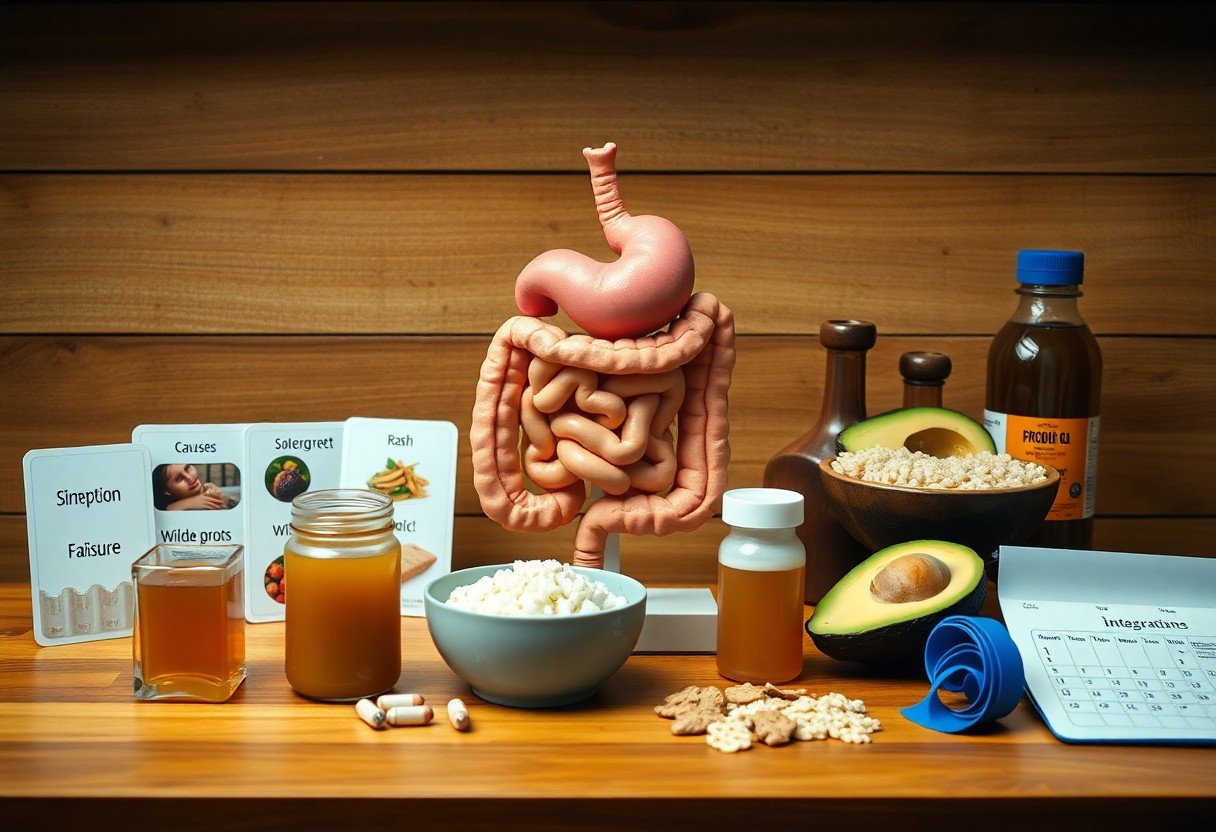
Integrative Strategies for Long-Term Maintenance
Stress Mitigation and Vagus Nerve Stimulation
Practice daily breathwork, gentle yoga, and cold exposure to stimulate your vagus nerve and lower inflammatory signaling; these habits help reduce cortisol spikes that worsen gut permeability.
Targeted Supplementation: L-Glutamine and Quercetin
Consider short-term L‑glutamine to support enterocyte repair and quercetin to lower mast cell-driven inflammation; use clinically appropriate doses and consult your practitioner if you have allergies or are pregnant.
Clinical evidence suggests you may use L‑glutamine 5-10 g daily to support mucosal repair and reduce permeability, while quercetin 500-1,000 mg daily can stabilize mast cells and lower histamine-driven inflammation. Choose pharmaceutical-grade sources, split doses with meals, avoid quercetin if you take warfarin or have kidney issues, and stop supplements before procedures.
Final Words
Drawing together, you should recognize leaky gut symptoms, address triggers, and restore gut integrity with anti-inflammatory, fiber-rich, collagen-boosting, and probiotic foods while consulting a clinician for testing and individualized treatment.
FAQ
Q: What is leaky gut syndrome?
A: Leaky gut syndrome refers to increased intestinal permeability, a condition in which the gut lining allows bacteria, toxins, and undigested food particles to pass into the bloodstream. This breach of the gut barrier can provoke immune activation and low-grade systemic inflammation. Researchers and clinicians debate whether leaky gut is a standalone diagnosis or a pathophysiologic mechanism that contributes to conditions like irritable bowel syndrome, autoimmune disorders, and food sensitivities.
Q: What symptoms suggest someone might have leaky gut?
A: Common symptoms include bloating, excess gas, abdominal pain, chronic diarrhea or constipation, and new or worsening food sensitivities. Extraintestinal signs often reported are fatigue, brain fog, joint pain, skin rashes (eczema or acne), and flares of autoimmune symptoms. Symptom patterns vary by person and overlap with many other GI and systemic conditions, so thorough evaluation is important.
Q: What causes the intestinal barrier to become “leaky”?
A: Multiple factors can damage the gut barrier or disrupt tight junction proteins, including repeated antibiotic use, chronic or severe infections, long-term NSAID or alcohol use, high-sugar and highly processed diets, and chronic psychological or physical stress. Imbalances in gut microbiota (dysbiosis) and certain inflammatory conditions can increase zonulin and other mediators that open tight junctions. Genetic predisposition and underlying autoimmune disease may increase susceptibility.
Q: How is leaky gut diagnosed and what medical treatments help?
A: No single universally accepted test confirms leaky gut; clinicians use clinical history, exclusion of other disorders, stool testing for dysbiosis or pathogens, and specialized permeability tests in selected cases. Treatment begins with identifying and removing triggers (offending medications, infections, dietary culprits) and treating identifiable conditions such as SIBO or celiac disease. Therapeutic strategies include targeted antimicrobial or probiotic therapy when indicated, short-term symptom control, and interventions to reduce inflammation and support mucosal repair under medical supervision.
Q: Which foods and supplements best support healing of the gut barrier?
A: A healing diet emphasizes whole, minimally processed foods: nonstarchy vegetables, low-sugar fruits (berries), oily fish (salmon, mackerel) for omega-3s, bone broth or collagen-rich foods for amino acids that support mucosal repair, fermented foods with live cultures (yogurt, kefir, sauerkraut) for microbial diversity, and prebiotic fibers (asparagus, onions, leeks) to feed beneficial microbes. Foods to reduce or avoid include added sugars, refined carbohydrates, highly processed foods, excessive alcohol, and industrial seed oils. Evidence-based supplements that may help include L-glutamine for enterocyte support, zinc (zinc carnosine in some regions), targeted probiotics (strain-specific), vitamin D if deficient, and omega-3 supplements; discuss dosing and interactions with a healthcare provider before starting supplements.