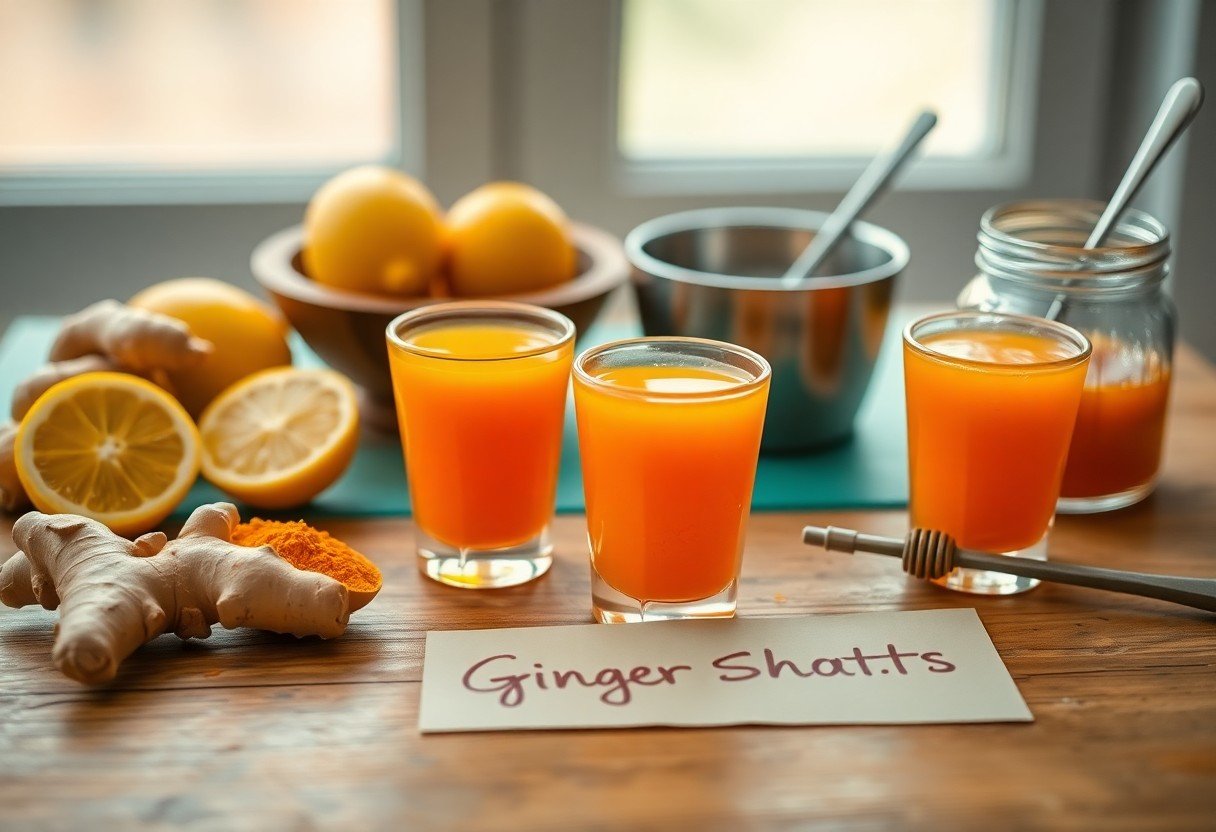
Ginger concentrates anti-inflammatory compounds; you mix lemon, honey, and cayenne into a shot that boosts immunity, helps fight cold and flu, and may cause medication interactions or stomach irritation in sensitive people.
The Biological Mechanisms of Ginger in Immune Defense
Gingerol: The Primary Bioactive Compound for Viral Protection
Gingerol is the dominant bioactive that helps you block viral entry and reduce replication, showing antiviral and anti-inflammatory actions in lab studies that support cold and flu defense.
Antioxidant Properties and the Neutralization of Free Radicals
You gain protection from ginger’s antioxidants, which neutralize free radicals to lower cellular damage and inflammation, helping preserve immune cell function during infection.
Cellular oxidative stress impairs your immune cells by damaging membranes, proteins, and DNA; ginger compounds scavenge reactive oxygen species and boost enzymes like glutathione peroxidase and superoxide dismutase, reducing oxidative injury and maintaining immune signaling. High levels of free radicals can worsen viral illness, so ginger shots can serve as a supportive measure alongside vaccines and medical treatment.
Selecting the Best Ingredients for Maximum Potency
Fresh Ginger vs. Powder: Why Quality Matters
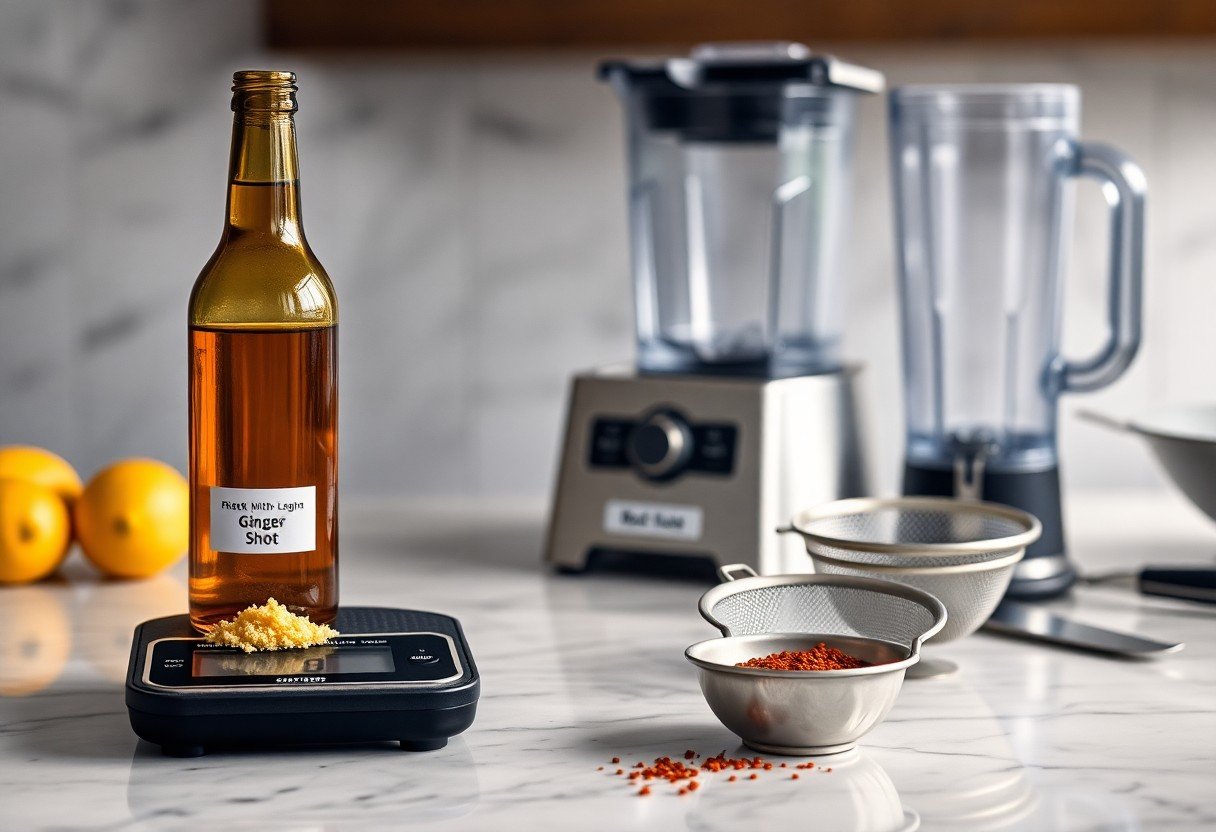
Fresh ginger gives you higher levels of volatile oils and enzymes than powder, delivering stronger anti-inflammatory and antiviral effects; choose fresh root for maximum potency, while powdered ginger offers convenience and longer shelf life.
The Role of Vitamin C and Citric Acid in Lemons
Lemons pack vitamin C that supports immune-cell function and citric acid that helps preserve and extract plant compounds; use fresh juice for maximum potency and limit intake if you have acid reflux or sensitive enamel.
When you squeeze fresh lemons into your shots, the ascorbic acid stabilizes ginger’s volatile oils and slows oxidation while citric acid improves extraction of flavonoids; aim for the juice of half to one lemon per shot to deliver a meaningful dose of vitamin C, but avoid prolonged contact with teeth.
Turmeric and Black Pepper: Enhancing Curcumin Absorption
Turmeric benefits from black pepper’s piperine, which dramatically increases curcumin absorption; add a pinch and a little oil for better uptake, but be aware that piperine can interact with certain medications.
Adding a small amount of healthy fat such as coconut oil and a pinch of black pepper blocks curcumin’s rapid metabolism and increases bioavailability significantly; if you take anticoagulants, hormone therapy, or prescription drugs, check with your clinician because turmeric and piperine can alter drug metabolism.
Health Benefits and Therapeutic Uses
Ginger shots deliver concentrated gingerol and shogaol that boost your immune response, reduce inflammation, and provide mild antiviral support; try a simple recipe to ramp up defenses: Make A Ginger Shot and Kick Your Winter Cold to the Curb. You should note that high doses can increase bleeding risk if you take anticoagulants, so check with your clinician.
Easing Respiratory Congestion and Sore Throats
Sipping concentrated ginger shots can thin mucus and soothe sore throats thanks to ginger’s warming, anti-inflammatory compounds; adding honey offers antimicrobial relief. If you have severe asthma or are on blood thinners, use caution.
Improving Digestive Health and Nutrient Absorption
Daily ginger shots stimulate gastric motility, reduce bloating, and encourage digestive enzyme release so you absorb nutrients more efficiently. Start with small doses to gauge tolerance; excess may cause heartburn for sensitive people.
You benefit from ginger’s ability to speed gastric emptying, which eases post-meal fullness and nausea while promoting regularity. Its bioactive compounds boost bile and enzyme secretion, enhancing fat digestion and micronutrient absorption. If you have GERD, peptic ulcers, or take medication that affects stomach acidity, begin conservatively and consult your healthcare provider because higher doses can worsen reflux or interact with certain drugs.
Strategic Consumption and Dosage
Morning vs. Evening: When to Take Your Shot
Morning shots suit you if you want an immediate energy boost and better absorption on an empty stomach; evening intake may disrupt sleep for sensitive people, so test timing and avoid large doses close to bedtime.
Recommended Frequency for Prevention and Recovery
Preventive routines often call for one shot daily, while during active illness you can take up to two to three small shots per day for several days; monitor stomach upset and interactions, especially if you take blood thinners-consult your doctor.
During recovery you can increase shots to two or three 15-30 ml servings daily for up to a week, then reduce to maintenance; limit continuous high-dose use longer than two weeks without medical advice. Pay attention to stomach irritation, heartburn, and interactions with anticoagulants or diabetes medications, and if you are pregnant or nursing, seek professional guidance.
Storage, Preservation, and Safety
Store your ginger shots in airtight glass bottles, fill to minimize air, seal and refrigerate within two hours; label with the prep date and discard any batch that smells off or shows cloudiness to avoid bacterial growth, keeping refrigerated for about 5-7 days or freezing extras.
Maximizing Shelf Life Through Proper Refrigeration
Place bottles on a fridge shelf (not the door) at 4°C or below, keep lids tight, and avoid frequent temperature swings; you should consume shots within 3-5 days for optimal flavor and potency.
Freezing Methods: DIY Ginger Shot Ice Cubes
Pour shots into silicone trays, freeze solid, then transfer cubes to a labeled, airtight freezer bag to prevent odor uptake; you can keep frozen cubes for up to 3 months.
When you thaw cubes, move them to the refrigerator overnight or drop them directly into hot tea or a smoothie; expect slight texture and flavor shifts, do not refreeze once thawed, and separate cubes before bagging to avoid clumping.
Potential Interactions and Who Should Avoid Ginger Shots
Avoid high intake if you take blood thinners, have gallstones, or are pregnant without medical advice; ginger can also lower blood sugar and may interact with diabetes medications.
Consult your clinician before regular use if you take warfarin, antiplatelet agents, or glucose-lowering drugs; you may need monitoring, should consider limiting ginger to about 1-2 grams daily, and stop a few days to a week before surgery to reduce bleeding risk.
Final Words
Conclusively, you can strengthen your immunity against colds and flu by using a simple ginger shot recipe combining fresh ginger, lemon, honey, and a pinch of black pepper; consume daily during high-risk seasons to reduce symptom severity and support recovery.

FAQ
Q: What are ginger shots and how do they support immunity?
A: Ginger shots are concentrated small servings of raw ginger juice often mixed with citrus, honey, or spices. Gingerol and shogaol, the primary active compounds in ginger, have anti-inflammatory, antioxidant, and mild antimicrobial properties that can reduce upper respiratory inflammation and support the body’s immune response. Lemon adds vitamin C and acidity that can help mucus clearance, while honey soothes the throat and provides antimicrobial compounds. Research shows ginger can relieve symptoms like sore throat and nausea and may shorten symptom duration when used alongside conventional care, though evidence specifically for preventing colds is limited.
Q: What is the best recipe for a potent immunity ginger shot?
A: Best single-serving recipe: 30 g fresh ginger root (about a 2-inch piece), 1/2 lemon (juiced), 1 tsp raw honey or maple syrup (optional), 1/4 tsp ground turmeric or 1 tsp fresh turmeric (optional), a pinch of black pepper, and 30-50 ml cold water. Method: peel and chop ginger and turmeric, blend with water until smooth, strain through a fine sieve or nut milk bag for a clear shot, stir in lemon juice, honey, and black pepper, then serve immediately. Yield is about 50-60 ml; adjust water and sweetener to taste and desired potency.
Q: How often should I take ginger shots and are there safety concerns or interactions?
A: Typical dosing is one shot (50-60 ml) once daily for maintenance and up to two shots per day short-term at the first sign of cold or flu symptoms. Daily intake of fresh ginger under 4 g is generally considered safe for most adults. Side effects can include heartburn, stomach upset, gas, or diarrhea at higher doses. Ginger can increase bleeding risk and may interact with anticoagulants (warfarin, aspirin), antiplatelet drugs, and some diabetes or blood pressure medications. Consult a healthcare provider before regular use if you take prescription medications, have a bleeding disorder, or plan major surgery.
Q: Can pregnant or breastfeeding people, children, and those with medical conditions use ginger shots?
A: Small amounts of ginger are commonly used in pregnancy for nausea, and doses up to about 1 g daily are frequently regarded as safe, but always confirm with an obstetrician before regular use. Breastfeeding people should check with their provider before starting concentrated doses. Children can have reduced-strength shots (about one-quarter to one-half adult dose) after pediatrician approval. Avoid honey in infants under 12 months. People with gallstones, severe GERD, or on blood-thinning medications should seek medical advice before taking concentrated ginger preparations.
Q: How should I store ginger shots and what are good variations or serving tips?
A: Store ginger shots in an airtight glass container in the refrigerator for up to 3-5 days; freeze extra shots in ice cube trays for up to three months and thaw as needed. Juicer extraction yields a stronger, clearer shot while blender-and-strain keeps more fiber. Variations: add fresh turmeric plus black pepper to boost curcumin absorption, a pinch of cayenne for sinus relief, or apple/carrot for natural sweetness. Warm a shot with hot water and honey for a soothing drink when you have a sore throat. Avoid concentrated raw honey for infants under one year.