Inflammation accelerates chronic disease, so you should avoid processed sugars, refined carbs, and trans fats and emphasize omega‑3 rich fish, leafy greens, berries, nuts, and fiber to lower markers and improve long-term health.
Understanding the Biological Mechanisms of Chronic Inflammation
The distinction between protective acute and harmful chronic responses
Acute inflammation protects you by clearing pathogens and repairing tissue, while chronic inflammation keeps immune cells active, causing tissue damage and raising long-term disease risk. Knowing how to distinguish them helps you prioritize dietary and lifestyle choices to reduce persistent risk.
- acute inflammation
- chronic inflammation
- tissue damage
Factors that contribute to persistent systemic immune activation
Persistent immune activation stems from excess adiposity, poor sleep, chronic infections, environmental toxins and pro-inflammatory diets that keep cytokines elevated. Knowing these triggers lets you target changes to lower systemic inflammation.
- adiposity
- cytokines
- pro-inflammatory diet
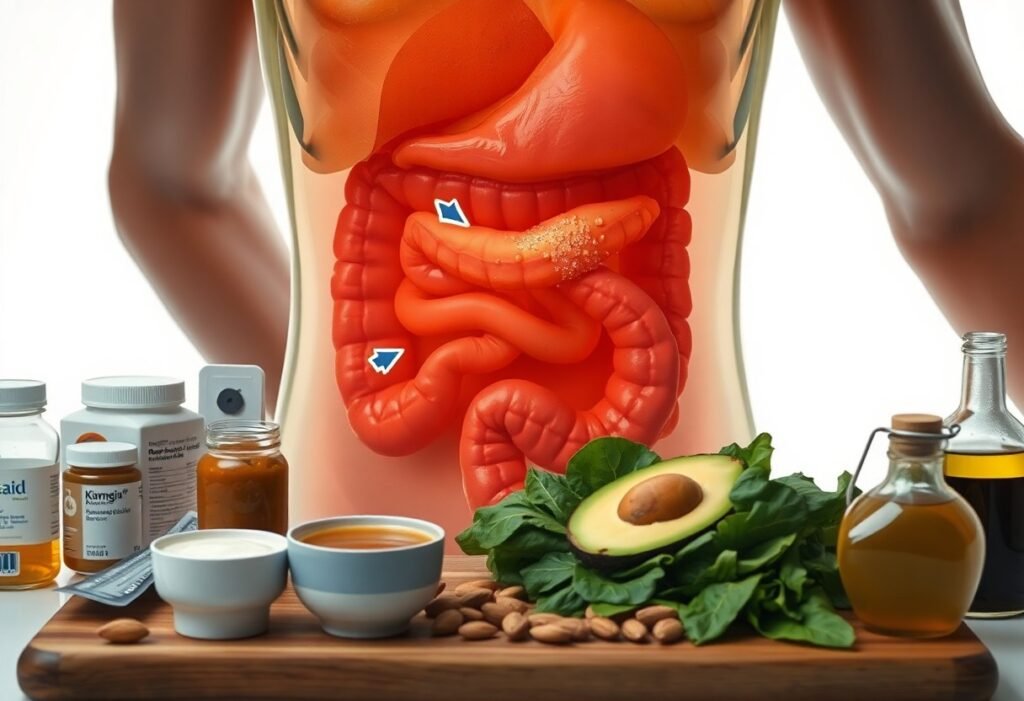
Lifestyle drivers such as high visceral fat, frequent consumption of processed foods, smoking and sleep deprivation sustain inflammatory signaling by disrupting the gut barrier and maintaining cytokine release; you should focus on whole-foods, fiber and infection control to shift immune balance. Knowing simple, targeted changes can reverse persistent immune activation in many cases.
- visceral fat
- gut barrier
- processed foods
Summing up
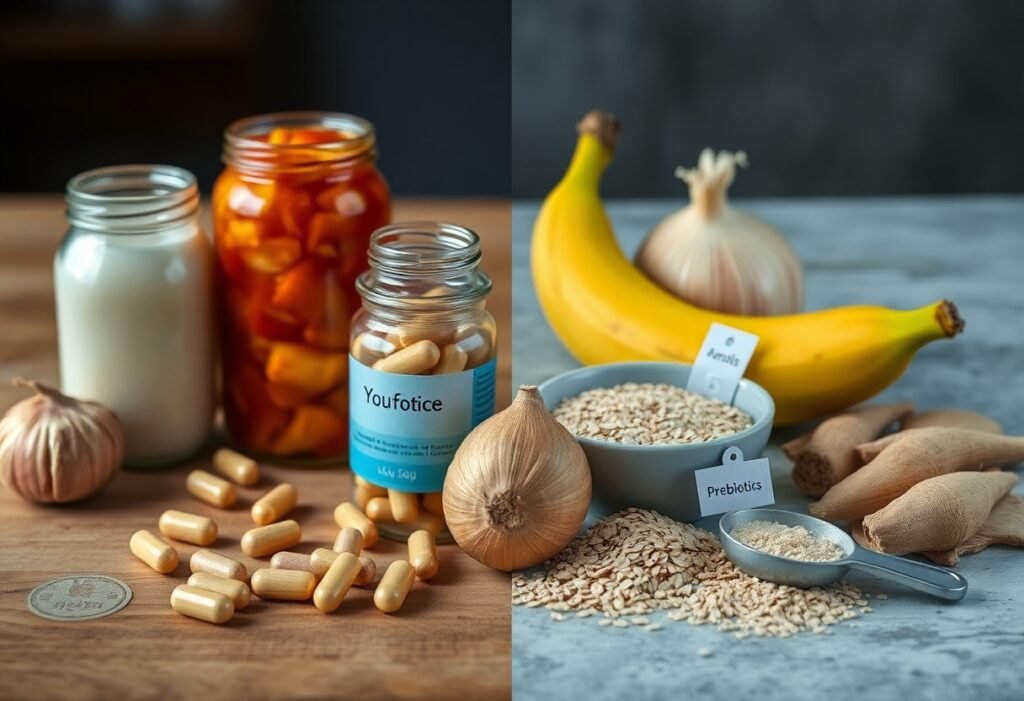
Summing up, you can reduce chronic inflammation by favoring fruits, vegetables, whole grains, fatty fish, nuts and olive oil, cutting processed foods, added sugars and trans fats, maintaining a healthy weight, staying active and including probiotic or fiber-rich foods to support gut balance.
FAQ
Q: What is chronic inflammation and how does diet affect it?
A: Chronic inflammation is a low-grade, persistent immune response that can contribute to conditions such as cardiovascular disease, type 2 diabetes, arthritis, and some cancers. Diet shapes inflammation through effects on body fat, blood sugar, gut microbiota, and circulating inflammatory mediators like C-reactive protein and cytokines. Foods that promote insulin spikes, oxidative stress, or dysbiosis tend to increase inflammatory signaling, while foods rich in antioxidants, fiber, and anti-inflammatory fats help reduce inflammatory pathways and support immune regulation.
Q: Which foods are most likely to promote chronic inflammation?
A: Highly processed foods often drive inflammation. Examples include sugary beverages and snacks, refined grains and pastries, processed meats, foods high in trans fats, and products made with large amounts of seed oils high in omega-6 fats when consumed in excess. Frequent overeating and high intake of added sugars and refined carbohydrates cause repeated blood sugar and insulin surges that increase inflammatory markers. Heavy alcohol use and excessive consumption of ultraprocessed ready-made meals also worsen inflammatory profiles.
Q: Which foods help reduce inflammation and how should I include them?
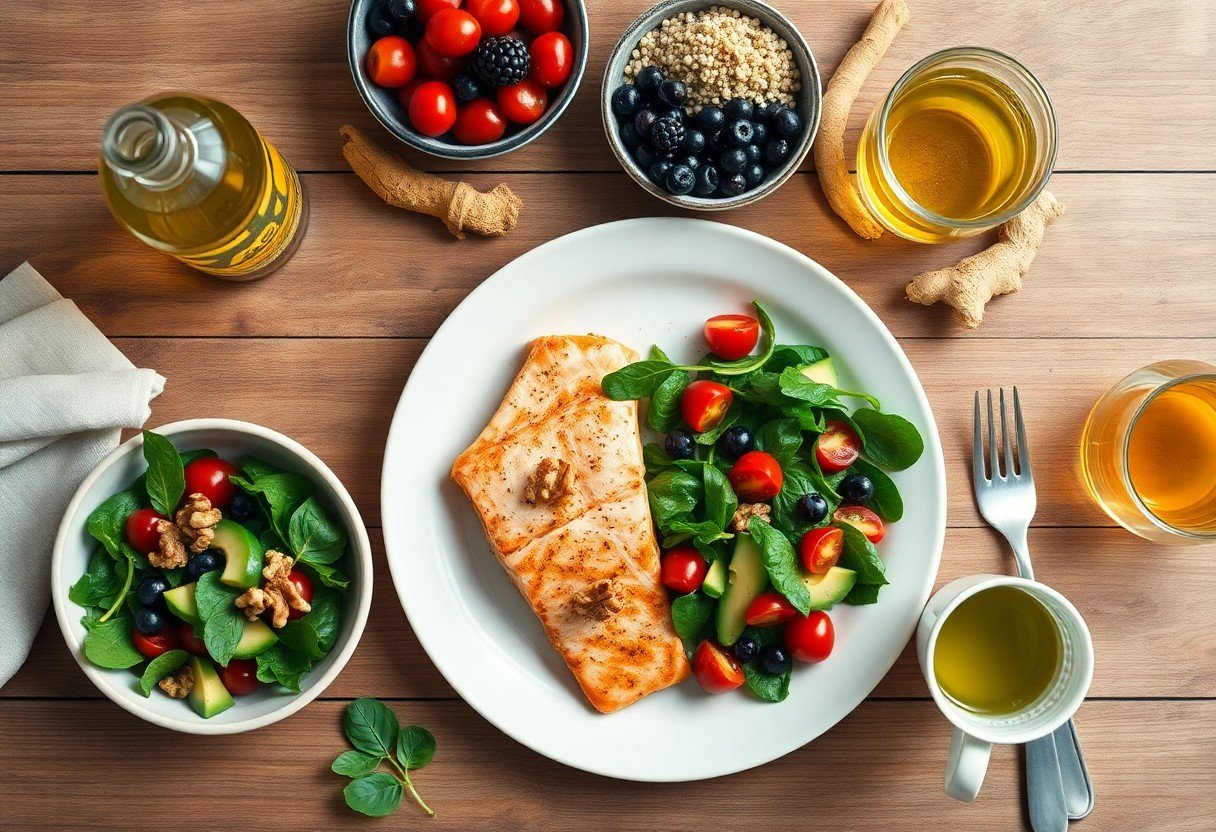
A: Anti-inflammatory foods include fatty fish rich in EPA and DHA (salmon, mackerel, sardines), extra-virgin olive oil, nuts and seeds (walnuts, almonds, flaxseed), a wide variety of colorful fruits and vegetables, whole grains, legumes, and spices such as turmeric and ginger. Regular inclusion means aiming for at least two servings of fatty fish per week, using olive oil instead of refined vegetable oils, filling half your plate with nonstarchy vegetables at meals, choosing whole grains over refined grains, and adding nuts or seeds as snacks or toppings. Polyphenol-rich beverages like green tea and modest dark chocolate can add benefit.
Q: What role do omega-3 supplements play, and what dose is appropriate?
A: Omega-3 fatty acids EPA and DHA reduce production of pro-inflammatory eicosanoids and cytokines. Dietary sources remain preferable, but supplements are useful when fish intake is low. Typical general-use doses range from 250-1000 mg combined EPA+DHA per day for health maintenance; higher therapeutic doses of 1-3 g per day of EPA+DHA have been used to lower inflammatory markers in clinical studies. People taking blood-thinning medications, preparing for surgery, or with specific health conditions should check with a clinician before starting higher doses. Vegan alternatives include algal oil providing DHA and EPA.
Q: How do sugar and refined carbohydrates drive inflammation, and what practical steps reduce their impact?
A: Rapidly absorbed carbohydrates cause postprandial glucose and insulin spikes that promote oxidative stress and inflammatory signaling. Repeated spikes increase visceral fat, which releases pro-inflammatory cytokines. Practical steps include replacing sugary drinks with water or unsweetened beverages, choosing whole fruits instead of fruit juices, swapping refined grains for whole grains, reading labels to avoid added sugars, and pairing carbohydrates with protein, healthy fats, and fiber to slow absorption and blunt glucose excursions.
Q: Can meal timing or intermittent fasting lower inflammation?
A: Time-restricted eating and some intermittent fasting approaches have reduced inflammatory markers in trials, likely through improved metabolic flexibility, reduced insulin exposure, and changes in gut microbiota. Effects vary by individual and depend on total diet quality and caloric balance. People with diabetes, those taking glucose-lowering or other medications, pregnant or breastfeeding individuals, and those with a history of eating disorders should seek medical advice before starting fasting protocols. Consistent sleep, regular meal patterns, and avoiding late-night large meals also help control inflammation.
Q: What are practical anti-inflammatory meal ideas and shopping tips for the week?
A: Sample day: breakfast of oats topped with berries, walnuts, and a sprinkle of cinnamon; lunch of a mixed salad with chickpeas, mixed greens, cherry tomatoes, avocado, and olive oil-lemon dressing; snack of plain yogurt with ground flaxseed; dinner of baked salmon, roasted Brussels sprouts, and quinoa. Shopping tips: stock a variety of colorful vegetables and fruits, buy fatty fish or canned wild salmon, choose whole grains (brown rice, oats, barley), keep a selection of nuts and seeds, use extra-virgin olive oil, and keep turmeric, ginger, garlic, and black pepper on hand. Batch-cook legumes and whole grains, plan two fish meals per week, and limit purchase of sugary snacks, sweetened beverages, and highly processed frozen meals.