

Wellness after 30 depends on choices: you should prioritize adequate sleep and balanced nutrition, watch for dangerous weight gain and mood shifts, and use regular exercise and stress reduction to maintain balance.
The Biological Shift: Understanding Hormones in Your 30s
During your 30s, ovarian and adrenal outputs adjust, creating subtle hormonal shifts that affect cycles, mood, sleep and metabolism; you may notice declining progesterone and altered estrogen ratios that change symptom patterns and recovery capacity.
The Decline of Progesterone and the Rise of Estrogen Dominance
Progesterone levels often fall faster than estrogen, leaving you prone to estrogen dominance, which can worsen bloating, heavy periods, mood swings and disrupted sleep if unaddressed.
Cortisol’s Role in the Pregnenolone Steal
Chronic stress forces production toward cortisol, pulling pregnenolone away from sex-hormone pathways-the pregnenolone steal-which can lower progesterone and blunt libido and energy.
Stress hijacks pregnenolone, the precursor for cortisol and sex steroids; when cortisol demand remains high, less pregnenolone converts to progesterone and DHEA, reducing reproductive hormone balance. Long-term elevated cortisol can suppress sex hormones, increasing fatigue, irregular cycles and mood instability. You can mitigate this with better sleep, paced training, daily breathwork and consistent stress-management practices while consulting your clinician before starting supplements.
Thyroid Function and Metabolic Slowdown
Thyroid output often dips in your 30s, slowing metabolism and increasing fatigue; even mild reductions can cause weight gain, cold intolerance and brain fog-watch for declining thyroid function if energy and weight shift unexpectedly.
You should know that thyroid hormone is produced as T4 and converted to active T3; impaired conversion, nutrient gaps or autoimmune activity can reduce output and slow metabolism. Autoimmune hypothyroidism becomes more common and may require testing of TSH, free T4, free T3 and antibodies. Support strategies include adequate protein, moderated iodine, selenium and zinc, stable sleep and avoiding extreme dieting while working with your provider.
Nutritional Foundations for Endocrine Health
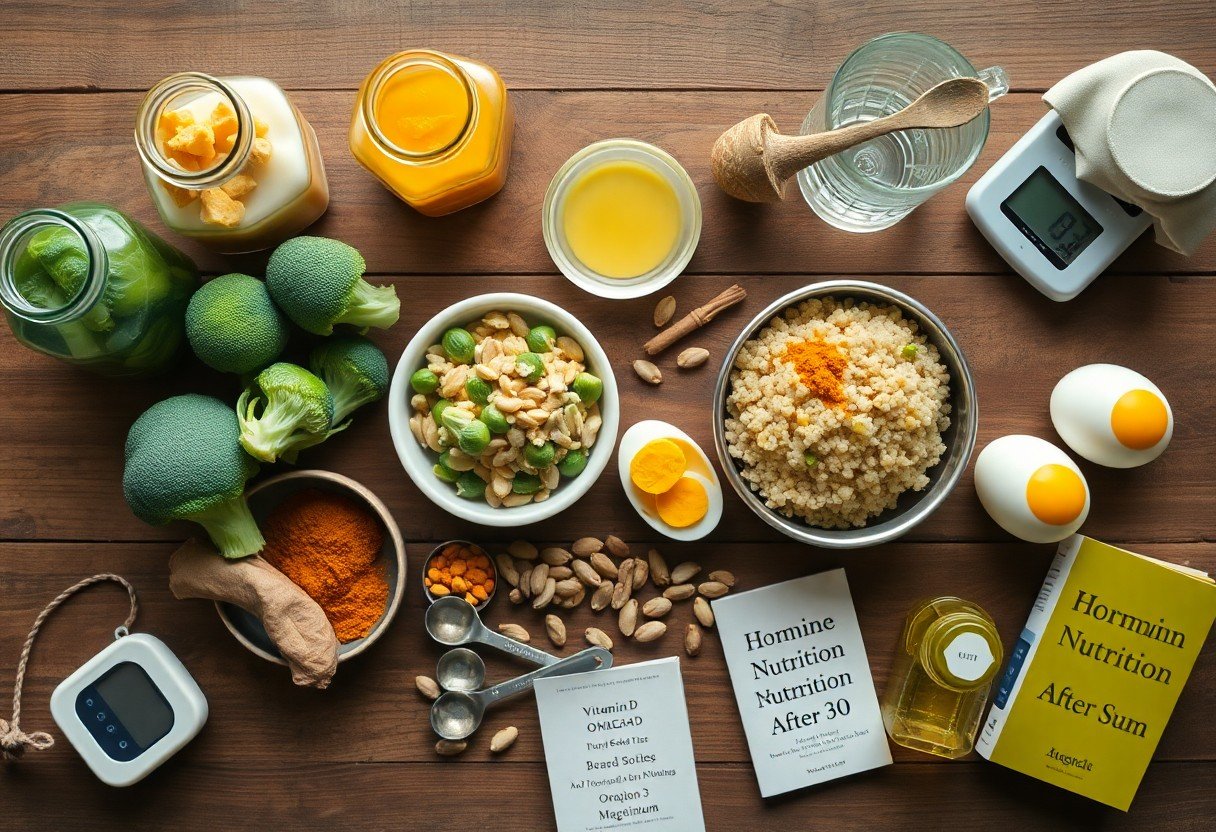
Nutrition shapes how your hormones perform: prioritize whole proteins, fiber, and healthy fats while reducing added sugars and refined carbs that drive insulin spikes. Balance micronutrients like vitamin D, magnesium, and zinc, and consult practical meal ideas such as Tips for a hormone-balancing diet: Top foods that help … to guide choices.
Blood Sugar Regulation and Insulin Sensitivity
Stable blood sugar supports insulin sensitivity; you should pair protein and fiber with carbohydrates, prioritize low-GI foods, and avoid frequent sugary snacks that provoke hormonal imbalance and fat storage.
The Importance of Healthy Fats for Hormone Synthesis
Include sources of omega-3s and monounsaturated fats-fatty fish, walnuts, olive oil-to provide building blocks for steroid hormones and improve fat-soluble vitamin absorption; limit trans fats that impair endocrine signaling.
Oils and whole-food fats supply the precursors your endocrine system needs: cholesterol and crucial fatty acids are required for producing estrogen, progesterone, testosterone, and maintaining cortisol rhythm. You should aim for a moderate fat intake (about 20-35% of calories) focused on fatty fish, avocados, nuts, and extra-virgin olive oil, while avoiding processed trans fats and excessive seed oil frying.
Cruciferous Vegetables and Estrogen Detoxification
Choose cruciferous vegetables for compounds like sulforaphane and indole-3-carbinol that support liver pathways and healthy estrogen detoxification; aim for several servings weekly to help hormonal balance.
Broccoli, Brussels sprouts, kale, and cauliflower contain glucosinolates that convert to isothiocyanates, which stimulate phase II liver enzymes and favor safer estrogen metabolites (2-hydroxy pathway). You should include cooked and raw preparations; note that very large amounts of raw crucifers may interfere with thyroid function if you have iodine deficiency, so cooking and dietary variety reduce that risk.

Physical Activity and its Impact on Hormonal Signaling
Exercise shifts hormonal signaling across your body, giving you improved insulin sensitivity, more favorable sex-hormone balance, and steadier mood when you combine aerobic, interval, and resistance work while matching intensity to adequate recovery.
Resistance Training for Growth Hormone and Testosterone Support
Strength training with compound lifts and moderate reps helps you raise growth hormone and testosterone; aim for 2-3 weekly sessions and progressive overload while prioritizing sleep and protein to sustain gains.
Avoiding Over-Training and its Effect on Adrenal Health
Chronic overtraining can push your adrenals into a prolonged stress state, raising cortisol and impairing sleep, recovery, and sex hormones; scale back intensity and add rest days if you feel persistent fatigue or mood changes.
Monitor training load, sleep quality, resting heart rate and HRV so you can spot early adrenal strain signs like elevated resting pulse, poor sleep, or reduced libido; if trends persist, cut volume by 20-50%, schedule weekly deloads, prioritize calories and protein, and seek medical advice, since sustained high cortisol can cause immune suppression and long-term hormonal disruption.

Natural Supplementation and Herbal Support
Adaptogens: Ashwagandha, Maca, and Holy Basil
Ashwagandha, maca, and holy basil modulate stress hormones and can support sleep, libido, and mood; ashwagandha reduces cortisol, maca may boost sexual desire, and holy basil helps stress resilience, so consult your clinician if you take thyroid or hormone medications because interactions can occur.
Essential Micronutrients: Magnesium, Vitamin D, and Zinc
Magnesium, vitamin D, and zinc support sleep, mood, bone health, and reproductive hormones; low levels can disrupt cycles and metabolic health, so have your levels tested and discuss dosing with your clinician before supplementing.
Testing your levels guides safe use: check serum 25(OH)D for vitamin D and assess zinc status or symptoms so you know what to correct. Use magnesium glycinate for better tolerance and avoid high-dose magnesium oxide that may cause diarrhea. Monitor because Vitamin D toxicity causes hypercalcemia and zinc excess can induce copper deficiency, so coordinate supplements with your clinician. Start with conservative doses-vitamin D often 1,000-2,000 IU, magnesium 200-400 mg, zinc 8-15 mg-and adjust based on lab results.
Conclusion
Presently you should support hormone balance after 30 by prioritizing quality sleep, regular resistance and aerobic exercise, nutrient-dense whole foods, stress-reduction techniques, and routine medical screening to stabilize insulin, cortisol, and sex hormones for sustained energy and mood.