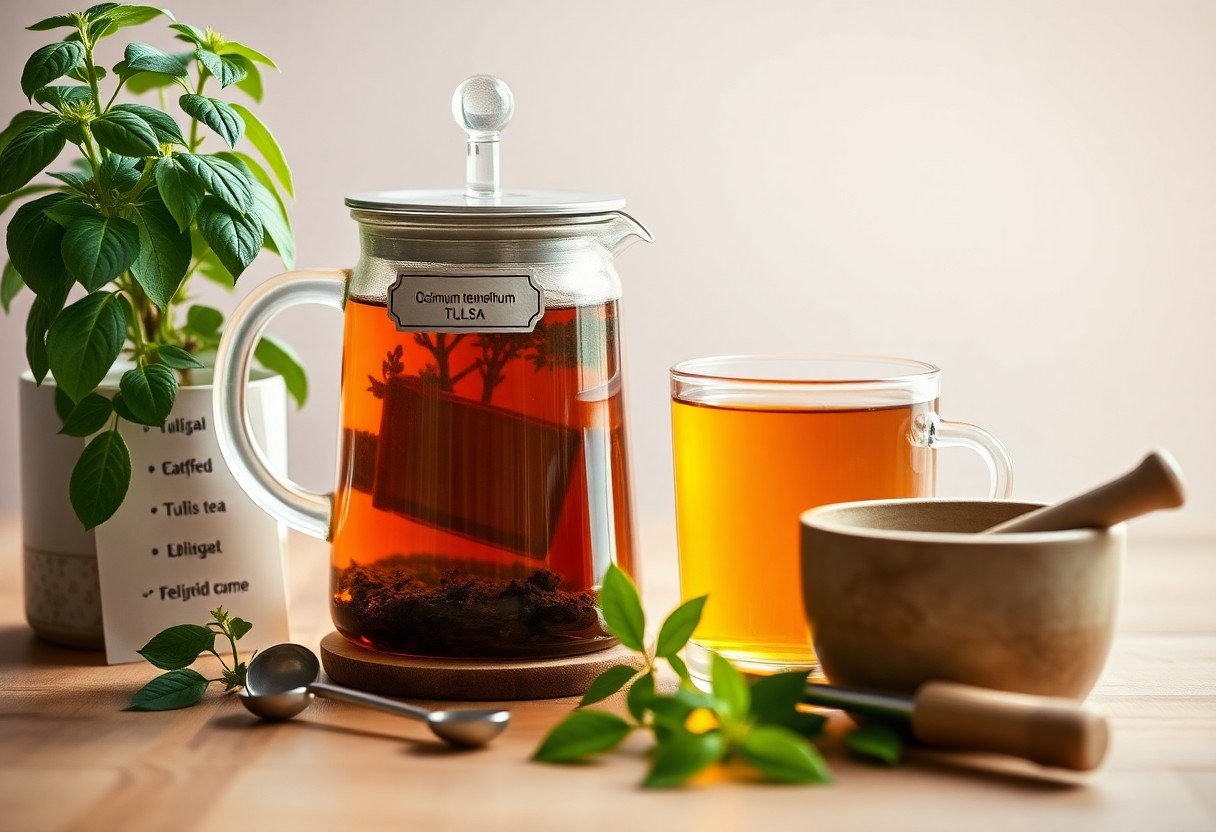
Tea made from holy basil offers stress relief, antioxidant and immune support when brewed properly; you steep fresh or dried leaves five to seven minutes at about 90°C. Expect calming, antioxidant benefits, but avoid use in pregnancy or with anticoagulants without medical advice.
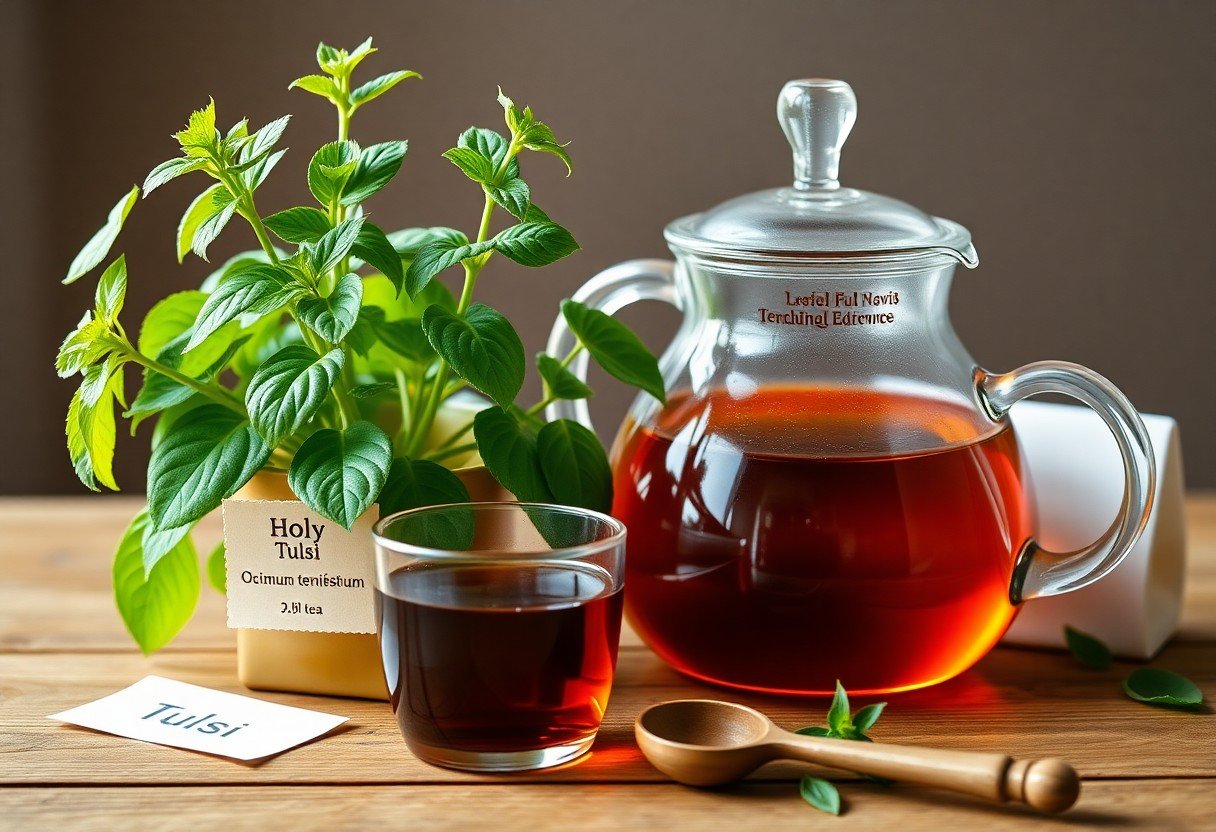
The Botanical Profile of Holy Basil
Tulsi grows as a bushy, aromatic herb (Ocimum tenuiflorum) with square stems, serrated leaves and small flowers; you can tell varieties by leaf color and scent, and note that the leaves concentrate imperative oils used medicinally, which influence flavor and therapeutic effects.
Distinguishing Between Rama, Krishna, and Vana Varieties
Rama displays smooth green leaves and a mild, sweet aroma you’ll prefer for everyday tea; Krishna shows darker, purple-tinged foliage with a spicier bite; Vana is wild-type with smaller, earthier leaves-choose by taste and intended herbal use.
Understanding the Primary Bioactive Compounds
Eugenol, ursolic acid and rosmarinic acid dominate tulsi’s chemistry, and you’ll notice eugenol’s anti-inflammatory effects in brewed tea while rosmarinic acid supplies antioxidant support-avoid use with blood thinners or during pregnancy without medical advice.
Ursolic acid adds anti-inflammatory and antimicrobial action and its levels shift with variety, plant age and drying; you extract different compounds by adjusting water temperature and steep time, so steep just-below-boiling for 5-10 minutes to balance potency and bitterness, and consult your clinician if you take medications or have health concerns.
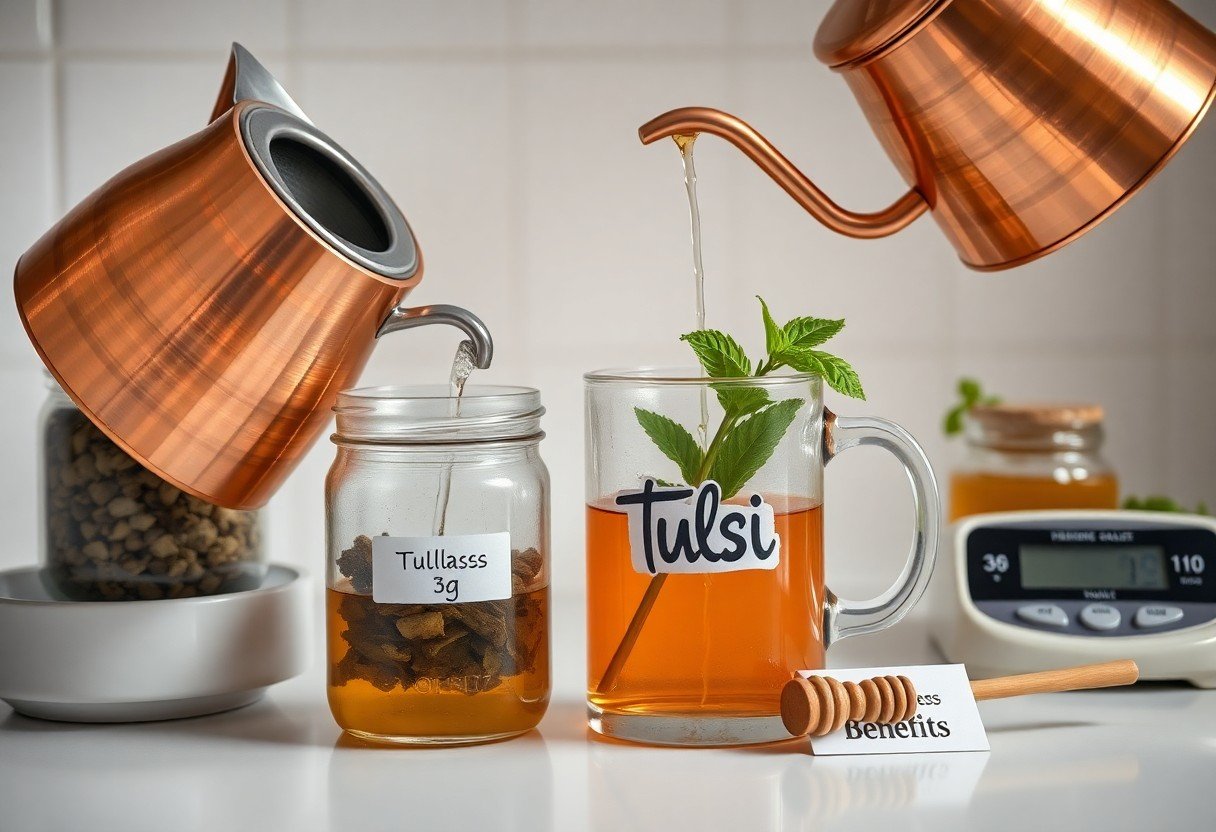
Therapeutic Health Benefits of Tulsi Tea
Tulsi tea delivers a blend of adaptogenic, anti-inflammatory and antimicrobial effects that support stress regulation, immune resilience, respiratory comfort and digestion; you can integrate it into daily routines while watching for potential interactions with medications.
Natural Stress Relief and Cortisol Management
Drinking tulsi tea helps modulate your stress response and lowers cortisol, promoting calmer mood and clearer sleep; you can sip a cup during tense periods to steady nerves without relying on stimulants.
Strengthening the Immune Response and Respiratory Health
Regularly consuming tulsi tea supplies antioxidants and compounds like eugenol that support your immune defenses and soothe your airways, helping to ease cough and congestion during seasonal colds.
You should know that tulsi’s polyphenols, ursolic acid and eugenol provide anti-inflammatory, antimicrobial and antioxidant actions; clinical and animal studies report reduced bacterial growth, improved lung markers and modulation of immune cells. Use caution if you take immunosuppressants, anticoagulants or blood‑sugar medications-tulsi can interact with those drugs and consult your clinician if you are pregnant or breastfeeding.
Supporting Digestive Health and Metabolism
Sipping tulsi tea eases indigestion, reduces bloating and stimulates gentle digestive enzyme activity, helping you feel lighter after heavy meals.
Many active constituents in tulsi-oleanolic and ursolic acids, tannins and volatile oils-calm gastric inflammation, balance gut microbiota and modestly improve digestion. Avoid high doses if you have hypotension or are on glucose‑lowering drugs because tulsi can lower your blood pressure and blood sugar, so check with your provider before regular therapeutic use.
Critical Factors for Selecting High-Quality Tulsi
Selecting high-grade Tulsi means you inspect leaf color, aroma and integrity; you should favor whole leaves without spots and avoid dust or excessive stems. Look for a strong clove-like scent that signals higher eugenol levels and check harvest or packaging dates to avoid stale batches.
- Leaf appearance: bright, intact leaves signal freshness
- Aroma: pronounced Holy Basil fragrance indicates potency
- Processing: minimal heat and no additives preserve volatile oils
- Traceability: clear sourcing and organic labels
Choosing Between Fresh, Dried, and Powdered Forms
Compare fresh Tulsi for peak aroma, dried for shelf-stable convenience, and powdered for ease in blends; you should pick based on desired flavor intensity and extraction method.
The Importance of Organic Certification and Soil Quality
Verify that packaging shows recognized organic certification and ask sellers about soil testing, since contaminated soil raises the risk of unwanted residues and lowers beneficial compound levels.
Thou must demand clear provenance, certified lab tests for heavy metals and pesticide residues, and prefer growers who protect the soil microbiome to secure higher nutrient density and reduced contaminant risk.
Practical Tips for Integrating Tulsi into Your Routine
- Tulsi dose: 1 tsp loose leaves or 1 tea bag per cup, steep 5-10 minutes.
- Start small: one cup daily, increase as tolerated to two cups.
- Pairing: combine Tulsi tea with ginger, lemon, or cinnamon for flavor and added benefits.
- Warnings: may interact with blood thinners and certain medications; avoid if pregnant without consulting your clinician.
- Storage: keep dried Holy Basil airtight, cool, and dark to preserve potency.
Recommended Timing for Morning and Evening Consumption
Morning cups of Tulsi tea can support alertness and stress relief, while evening brews help you unwind; you should avoid heavy doses late if you take stimulants or sleep medications.
Enhancing Flavor with Healthy Natural Additives
Try adding fresh lemon, a cinnamon stick, or a spoon of raw honey to your Holy Basil infusion to brighten flavor without processed sweeteners.
Experiment with unsweetened almond or oat milk for creaminess, grated ginger for a warming kick, or a pinch of cardamom for aroma; if you have diabetes monitor intake since sweeteners may affect blood sugar, and never give honey to infants under one year.
Proper Storage to Maintain Freshness and Potency
Store dried Tulsi in small, airtight, opaque containers away from heat, light, and moisture to slow degradation and preserve aroma.
Protect leaves by using glass jars with tight seals, labeling purchase dates, and rotating stock so older batches are used first. This helps preserve potency for up to 12 months when kept sealed and cool.
Safety Considerations and Potential Contraindications
Be cautious if you are pregnant, breastfeeding, immunocompromised, or preparing for surgery; tulsi can affect blood clotting, blood sugar, and blood pressure. Check interactions with current drugs and trusted guides such as Tulsi Tea | Ayurvedic Recipes | AOLRC before making it a daily habit.
Monitoring Interactions with Prescribed Medications
Check with your clinician if you take anticoagulants, antidiabetics, or antihypertensives because tulsi may amplify or blunt medication effects, requiring dose adjustments or closer monitoring.
Recommended Dosage Limits for Daily Consumption
Limit intake to about 1-3 cups daily or roughly 2-4 grams dried leaf unless a healthcare professional advises otherwise to reduce risk of adverse effects.
Generally start with one cup to assess tolerance and increase slowly; if you are on glucose- or blood-pressure-lowering drugs, monitor levels closely because higher doses can cause hypoglycemia or hypotension. Pregnant individuals and those facing surgery should avoid concentrated extracts and consider pausing tulsi at least two weeks before elective procedures.

Summing up
Drawing together the key benefits of holy basil (Tulsi) tea, you gain anti-inflammatory, calming, and immune-supporting effects. Brew correctly by steeping fresh or dried leaves in hot (not boiling) water for five to ten minutes, then strain and drink warm.
FAQ
Q: What is Holy Basil (Tulsi) tea and how does it differ from culinary basil?
A: Holy Basil (Tulsi) refers to several Ocimum species, most commonly Ocimum tenuiflorum (also called Ocimum sanctum). Tulsi varieties include Rama (green leaves), Krishna (purple-tinged leaves), and Vana (wild) tulsi, each with slightly different flavor and phytochemical profiles. Culinary basil (Ocimum basilicum) has a sweeter, milder flavor and is used mainly for cooking, while tulsi is more aromatic, bitter-tasting, and traditionally consumed as a medicinal tea.
Q: What health benefits does Tulsi tea offer according to research?
A: Research shows tulsi contains antioxidants, eugenol, ursolic acid, and other phytochemicals that can reduce oxidative stress and inflammation. Regular consumption is associated with reduced perceived stress and improved mood in short-term trials, likely linked to adaptogenic effects on the stress response. Tulsi has demonstrated modest blood sugar-lowering effects in human and animal studies, which may help glycemic control when combined with standard care. Tulsi exhibits antimicrobial and respiratory-supporting properties that can ease mild coughs and congestion. Tulsi may also support cardiovascular health by modestly improving lipid profiles and blood pressure in some studies.
Q: Are there side effects or interactions to watch for with Tulsi tea?
A: Tulsi is generally safe for most adults when consumed as tea in moderate amounts, but high doses or concentrated extracts can cause dizziness, low blood sugar, or gastrointestinal upset in susceptible individuals. People taking antidiabetic medications should monitor blood glucose closely and consult a clinician before regular use because tulsi can potentiate glucose-lowering effects. Individuals on anticoagulant or antiplatelet drugs should seek medical advice, as tulsi may influence clotting pathways. Pregnant people should avoid medicinal doses of tulsi and consult a healthcare provider before use, since limited animal data suggest possible effects on fertility and pregnancy at high doses.
Q: How do I brew Tulsi tea correctly for best flavor and benefits?
A: For one cup, use 1-2 teaspoons dried tulsi leaves or 8-10 fresh leaves. Bring fresh water to a near boil (about 95-100°C), pour over the leaves, and steep covered for 5-10 minutes; longer steeping yields a stronger, slightly bitter infusion. For a decoction with deeper extraction, simmer leaves in water for 5-15 minutes before straining. Cold-brew method works well for a milder taste: combine 1 tablespoon dried leaves per liter of cold water and refrigerate 6-8 hours, then strain. Add honey, lemon, or ginger to taste if desired.
Q: How often can I drink Tulsi tea, what dose is recommended, and how should I store it?
A: Typical recommendations for healthy adults are 1-3 cups of tulsi tea daily using the brewing amounts above; avoid very high daily intakes or concentrated extracts without professional guidance. Children can have smaller portions but infants and pregnant people should avoid regular medicinal use. Store dried tulsi in an airtight container in a cool, dark place for up to a year; store fresh leaves in the refrigerator for several days or freeze them for longer storage. Brewed tea can be refrigerated and consumed within 48 hours for best quality.