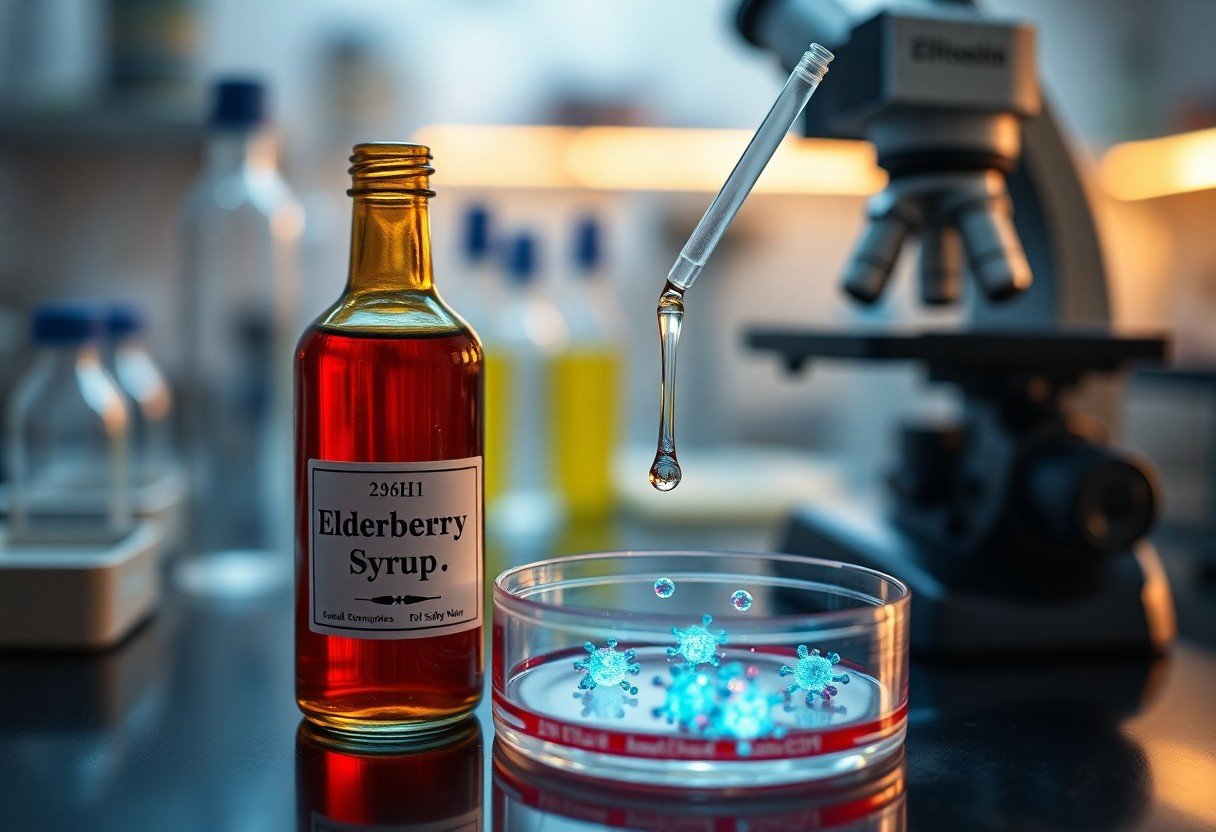
Syrup made from elderberry can help you recover faster from colds; studies suggest it may shorten illness by about 1-2 days, but risks include allergic reactions and safety concerns for children, pregnant people, and drug interactions-consult a clinician before use.
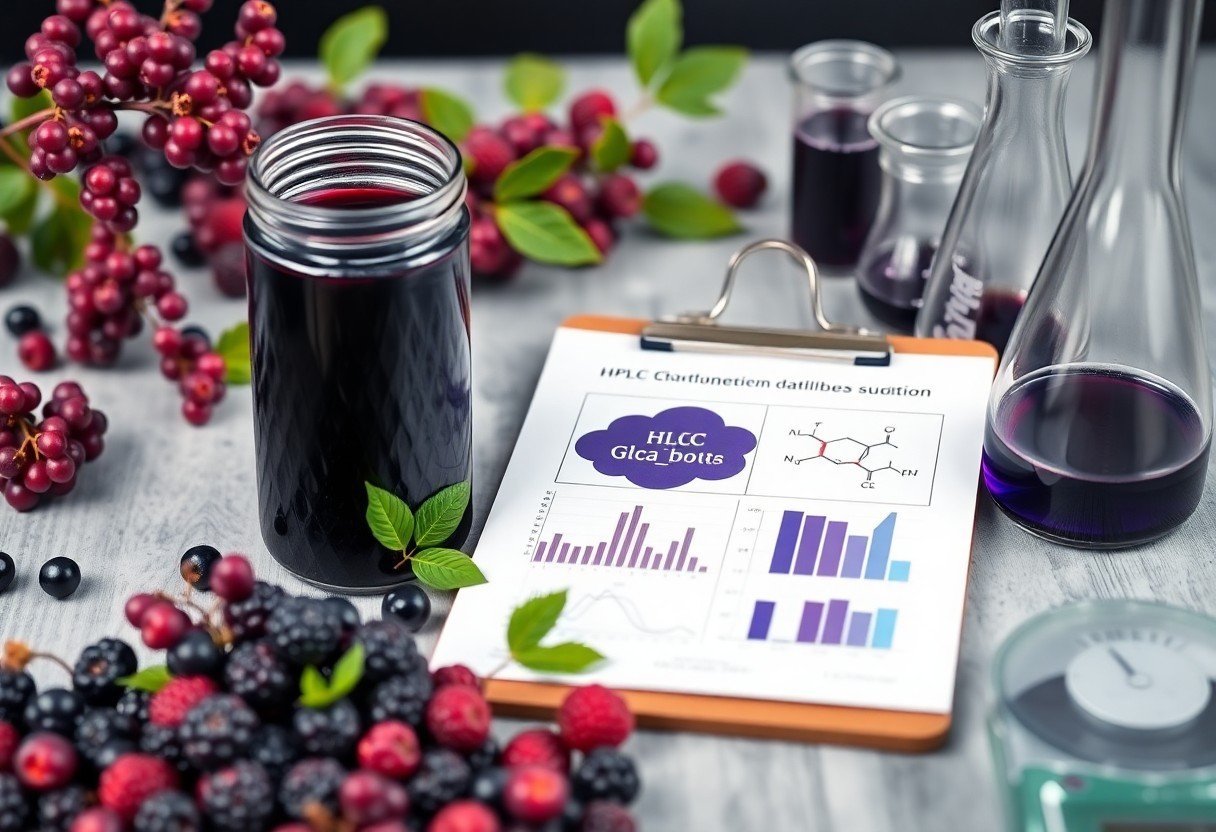
Phytochemical Profile of Sambucus Nigra
Anthocyanins and Their Role in Respiratory Health
Anthocyanins in elderberry provide strong antioxidant and anti-inflammatory effects that can modulate respiratory inflammation, so you may experience reduced symptom severity; these pigments exhibit antiviral activity in vitro.
Bioavailability of Polyphenolic Compounds in Elderberry
Absorption of polyphenols varies widely; you should know that processing, sugar, and gut microbiota change how much reaches circulation, limiting clinical effects, though metabolites still exert anti-inflammatory action.
Processing methods like cooking, juicing, or alcohol extraction alter polyphenol stability and glycoside cleavage, so you absorb different compounds and rates; gut microbiota convert elderberry polyphenols into smaller metabolites that can be more bioactive, while high-sugar syrups may affect gastric emptying and uptake. Pay attention to raw parts, since uncooked seeds and bark contain sambunigrin-a cyanogenic glycoside that is potentially dangerous, although typical syrup preparation deactivates it.
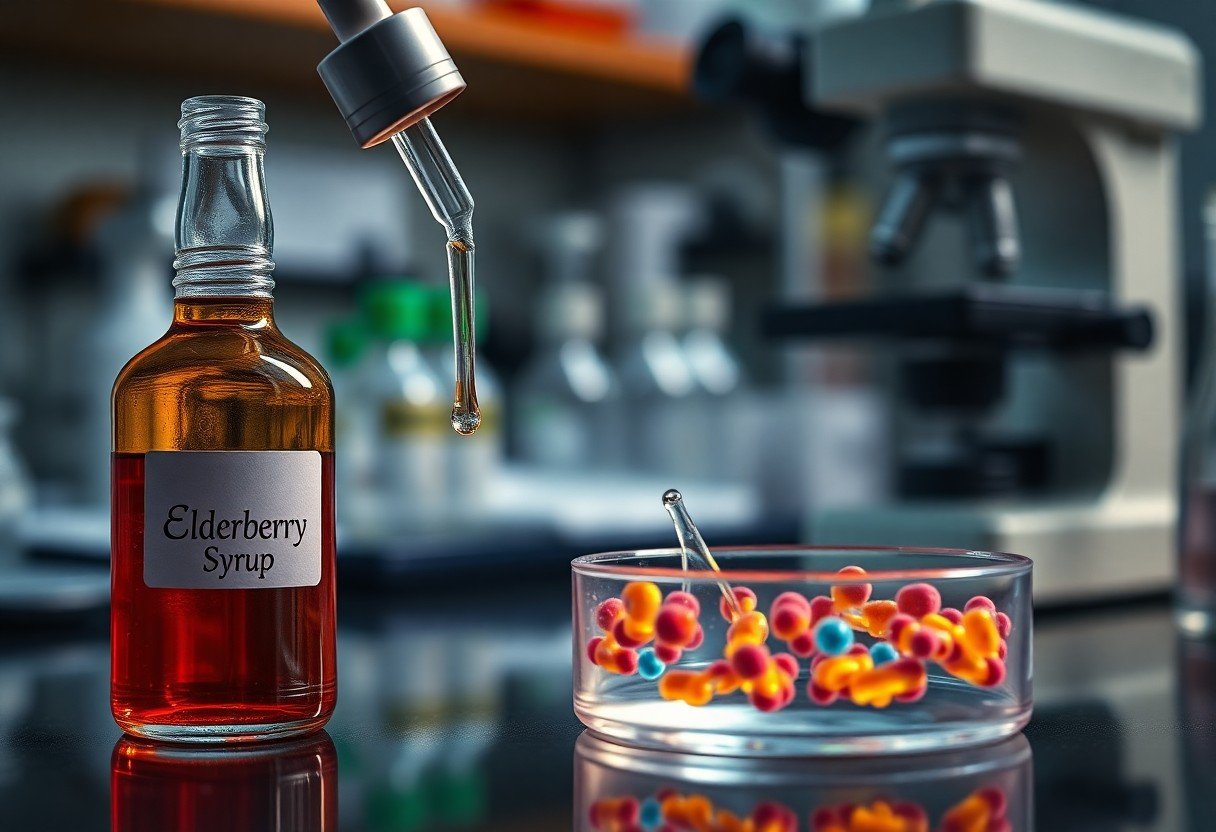
Mechanism of Action: Antiviral Properties
Studies indicate elderberry’s anthocyanins and flavonoids can bind viral surface proteins and limit replication, so you may notice shorter symptom duration; you can also review preparation steps at How to Make Elderberry Syrup for Immune System Support, while being mindful that rare allergic reactions and possible interactions with immunomodulatory drugs require caution.
Inhibition of Viral Attachment and Entry into Host Cells
Antiviral evidence suggests elderberry extracts block viral attachment by binding hemagglutinin, meaning you may experience reduced viral entry and lower early replication, though potency varies by strain and preparation.
Modulation of the Systemic Immune Response
Clinical studies show elderberry can alter cytokine profiles, so you might see faster symptom resolution, but results are mixed and timing matters.
Laboratory assays and small human studies report elderberry extracts modulate innate responses by boosting early cytokine signaling and enhancing neutrophil and natural killer cell activity, which can help control viral load, yet you should weigh this against reports of in vitro cytokine spikes and the theoretical risk of exacerbating autoimmune or inflammatory conditions, especially if you take immunomodulatory medications.
Clinical Evidence: Impact on Symptom Duration and Severity
Systematic Review of Randomized Controlled Trials
Several systematic reviews of small randomized trials suggest you may experience a modest reduction in symptom duration with elderberry, but study heterogeneity and limited sample sizes keep the overall certainty low.
Comparative Analysis of Recovery Rates in Cold vs. Influenza
Trials comparing colds and influenza report you often see a clearer benefit for influenza, while common cold outcomes remain inconsistent or show little shortening of illness.
Comparison data indicate you typically get larger effect sizes in influenza studies, with several trials reporting 1-3 day shorter illness and faster return to normal activity; common cold trials are smaller and show mixed results, though safety signals are similar overall.
Comparative Recovery: Cold vs Influenza
| Outcome | Finding |
|---|---|
| Symptom duration | Colds: inconsistent; Influenza: 1-3 days shorter in several trials |
| Recovery rate | Colds: no clear effect; Influenza: faster clinical recovery reported |
| Study quality | Colds: mostly small, varied methods; Influenza: some larger, better-controlled trials |
Addressing the Placebo Effect in Herbal Medicine Research
Placebo-controlled designs help determine whether you gain benefits beyond expectation; many elderberry trials use blinding, yet subjective symptoms can still inflate perceived effects.
Analysis of trial methods shows you should prioritize studies with rigorous blinding and objective endpoints, since unblinded subjective measures can overestimate benefit and mask whether effects are pharmacologic or placebo-driven.
Commercial Preparations and Standardization
Syrups, Lozenges, and Standardized Liquid Extracts
Syrups often contain standardized elderberry extract and added sweeteners; you should watch labels for standardized anthocyanin content and added sugars, preferring formulas that list dosage per serving.
Identifying High-Quality Supplements via Third-Party Testing
Check packaging for third-party certification seals and batch-specific lab information so you can avoid products with contaminants or inconsistent potency.
Examine product listings for an accessible Certificate of Analysis, batch number, and clear potency claims; you should confirm testing for heavy metals, microbial contamination, and labeled elderberry extract levels (anthocyanin percentage) before purchasing.
Safety Profile and Potential Contraindications
Elderberry is widely used but you should treat it like any supplement: expect mostly mild side effects and watch for allergic reactions, gastrointestinal upset, and possible interactions with immunomodulatory drugs.
Lectin Toxicity and the Importance of Proper Heat Treatment
Proper preparation matters because raw berries and uncooked plant parts can release lectins and cyanogenic compounds that cause nausea, vomiting, and diarrhea; you must heat elderberries sufficiently to deactivate these toxins before use.
Autoimmune Considerations and Drug-Nutrient Interactions
If you have an autoimmune disorder or take immunosuppressants, note that elderberry’s immune-stimulating properties may theoretically interfere with treatment or exacerbate symptoms; consult your clinician before starting it.
Discuss elderberry with your healthcare provider if you’re on biologics, corticosteroids, or disease‑modifying antirheumatic drugs, since extracts can modulate cytokine production in lab studies; while clinical evidence of harm is limited, the theoretical risk of altered immune control or drug interaction warrants caution and monitoring, especially during active disease or when adjusting medication.
Practical Application and Integrative Strategies
Practical use asks you to start elderberry at first signs, pair it with rest, fluids, and symptom-directed OTC care; begin within 48 hours for the best chance of benefit and consult a clinician if you have autoimmune disease or take immunosuppressants.
Optimal Dosing Windows for Maximum Efficacy
You should aim to begin elderberry within 48 hours of symptom onset and follow product labels-typical adult dosing is 1 tablespoon (15 mL) twice daily; discontinue if symptoms worsen or allergic reaction occurs.
Synergistic Effects with Vitamin C and Zinc Supplementation
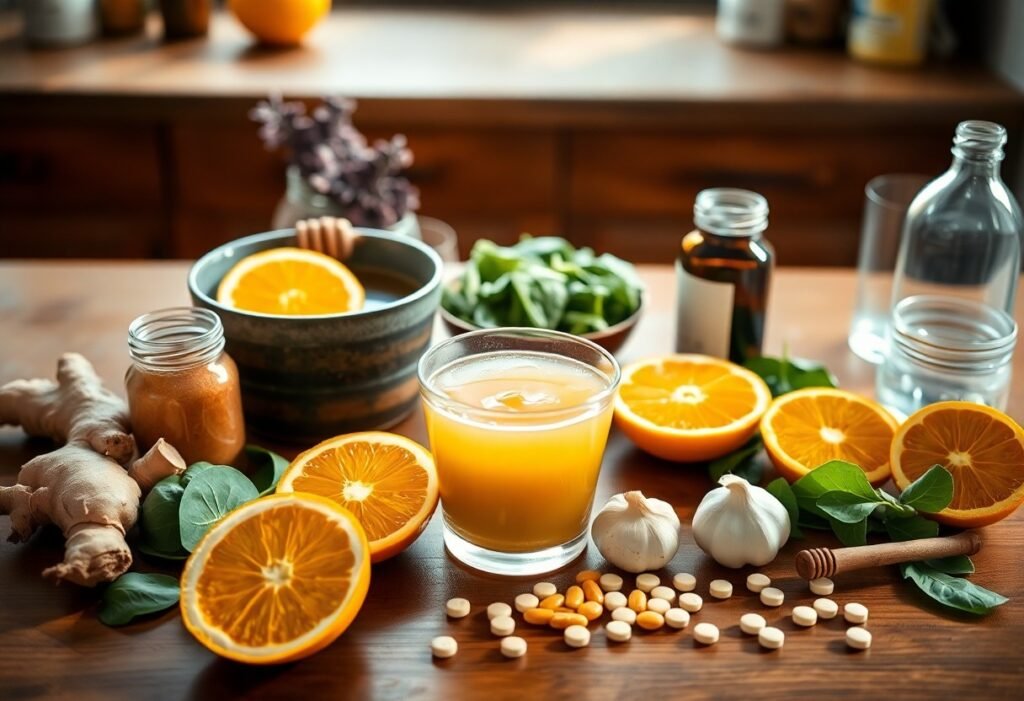
Combining elderberry with vitamin C (500-1000 mg) and short-term zinc lozenges can provide complementary support, but watch for zinc side effects such as nausea and altered taste.
Evidence indicates the combination may modestly reduce symptom severity by addressing different mechanisms: vitamin C supports antioxidant defenses, zinc can inhibit viral replication at mucosal surfaces, and elderberry may reduce inflammatory cytokine activity; you should avoid prolonged high-dose zinc (>40 mg/day) because of risks like nausea and copper deficiency, and check interactions with other medications.
To wrap up
Conclusively you should know elderberry syrup can modestly shorten cold duration if started early; clinical trials show reduced symptom days for some people, but effects vary and it should supplement, not replace, professional medical care.
FAQ
Q: What is elderberry syrup and how might it work against colds?
A: Elderberry syrup is a concentrated extract of Sambucus nigra berries mixed with a sweetener and preservative to make a palatable liquid. Anthocyanins and other flavonoids in elderberry show antiviral activity in laboratory studies, blocking viral entry and reducing replication for several respiratory viruses. Small human studies report modest immune-modulating effects, such as altered cytokine responses and enhanced antibody production. Most mechanistic evidence comes from in vitro and animal research, so clinical effects are inferred rather than fully proven.
Q: Does clinical research show elderberry syrup reduces the duration of colds?
A: Several small randomized controlled trials and a handful of systematic reviews have evaluated elderberry for influenza-like illness and common colds. Many trials found reduced symptom duration and severity versus placebo, with reported reductions often in the range of about 1-3 days for adults. Study sizes, populations, product formulations, and outcome measures varied, leaving overall evidence graded as low to moderate quality and suggestive but not definitive.
Q: How does elderberry compare with standard cold remedies or antiviral drugs?
A: Over-the-counter cold medicines mainly relieve symptoms without shortening illness. Direct head-to-head trials between elderberry and common OTC drugs are limited; existing data indicate elderberry can reduce symptom severity and duration relative to placebo and may complement symptomatic care. Prescription antiviral drugs for influenza have stronger, higher-quality evidence for shortening illness in high-risk patients; elderberry should not replace antiviral treatment when medical guidelines recommend it.
Q: What dose and timing have studies used, and when should people start taking it?
A: Clinical trials typically used standardized elderberry syrups at doses roughly equivalent to 15 mL (1 tablespoon) two to four times daily for adults and 5-10 mL (1-2 teaspoons) two to four times daily for children, begun at the first signs of illness and continued for about 3-5 days. Product concentrations and recommended dosing vary by manufacturer, so follow label instructions and choose standardized preparations when available. Consult a healthcare provider before use in pregnancy, breastfeeding, infants, or people taking immunomodulatory medications.
Q: Is elderberry syrup safe and are there any interactions or precautions?
A: Commercial elderberry syrups are generally well tolerated, with mild gastrointestinal upset and rare allergic reactions reported. Raw or unripe elderberries contain compounds that can cause nausea, vomiting, or diarrhea and must be properly cooked or processed. Elderberry’s immune effects are not fully characterized, so discuss use with a clinician for autoimmune disease or concurrent immunosuppressive therapy. People with diabetes should account for added sugars in many syrups or choose low-sugar formulations, and anyone with severe or worsening symptoms should seek medical care rather than relying solely on supplements.