

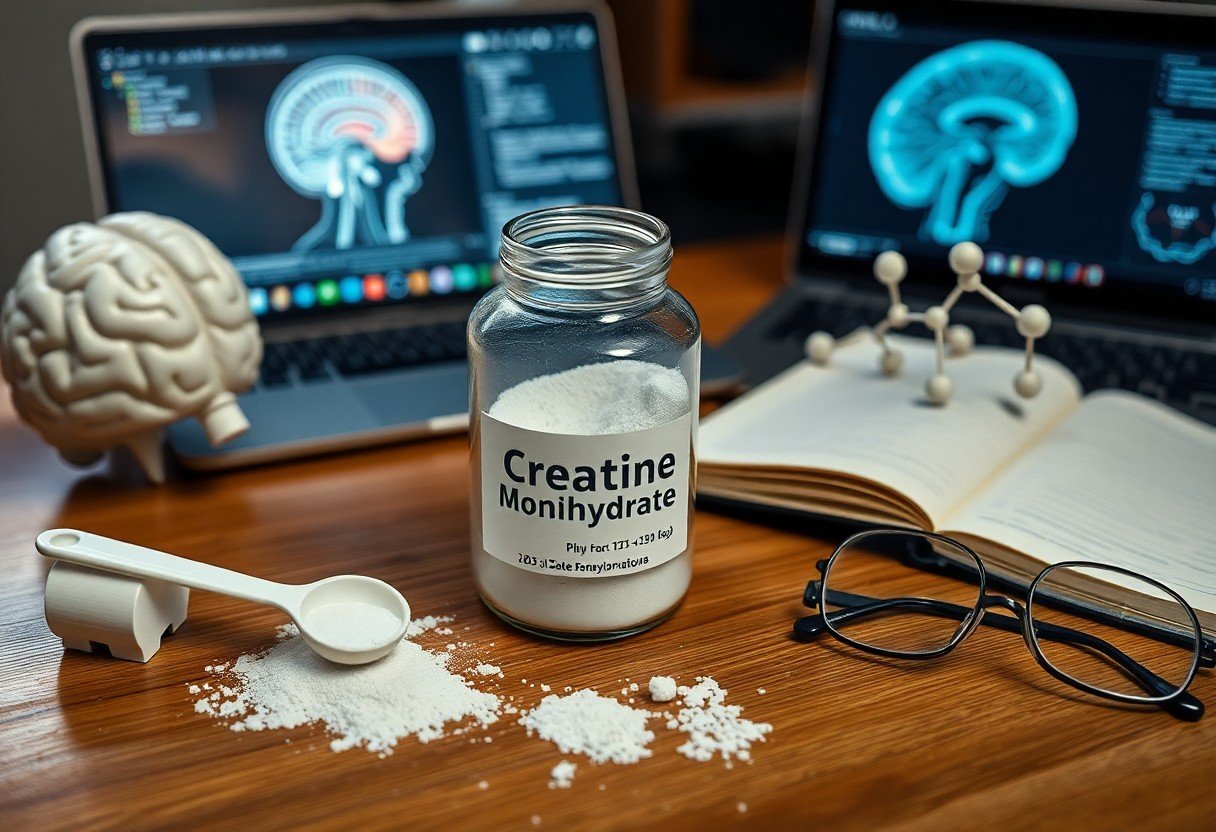
Many people take creatine for strength, but you should know it also improves memory and mental stamina and may pose risks if you have kidney disease, making it a potent, well-studied cognitive aid when used responsibly.
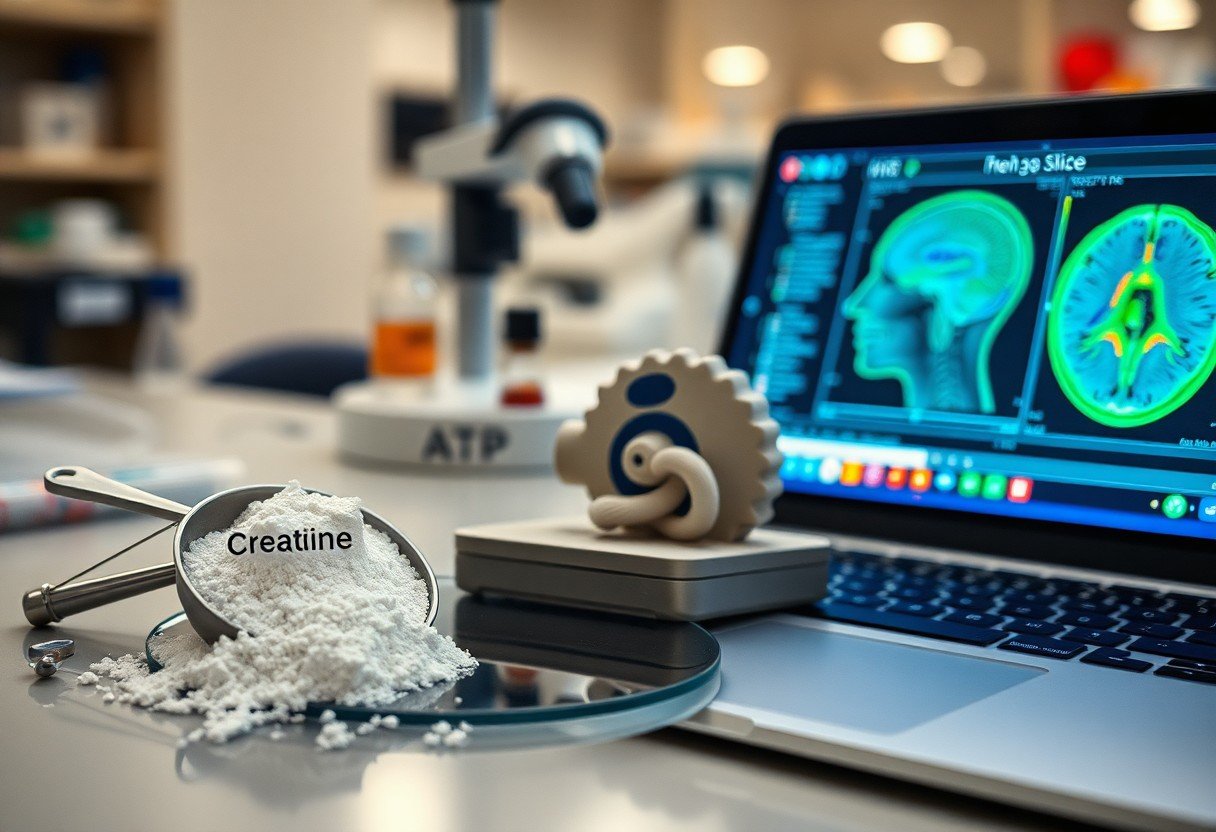
The Bioenergetics of the Brain: How Creatine Supports Neural Energy
ATP Resynthesis and Cellular Energy Buffering in Neurons
Neurons demand rapid ATP turnover and you rely on the creatine-phosphocreatine system to quickly resynthesize ATP, buffering energy during spikes in firing so synaptic transmission and working memory remain stable under metabolic stress.
The Role of the Creatine Kinase System in Brain Metabolism
Creatine kinase isoforms shuttle phosphate between mitochondria and cytosol, helping you sustain ATP where pumps and ion channels demand it; disruption raises risk of energy failure during hypoxia or high workload.
Mitochondrial and cytosolic creatine kinase (mtCK, CK‑BB) create a local phosphate shuttle that delivers high‑energy phosphate as phosphocreatine to ATPases at synapses and nodes, so you maintain ion gradients and neurotransmission during bursts; studies show increased brain creatine via supplementation can strengthen this buffer, while CK dysfunction heightens neuronal vulnerability in energy crises.
Impacts on Executive Function and Working Memory
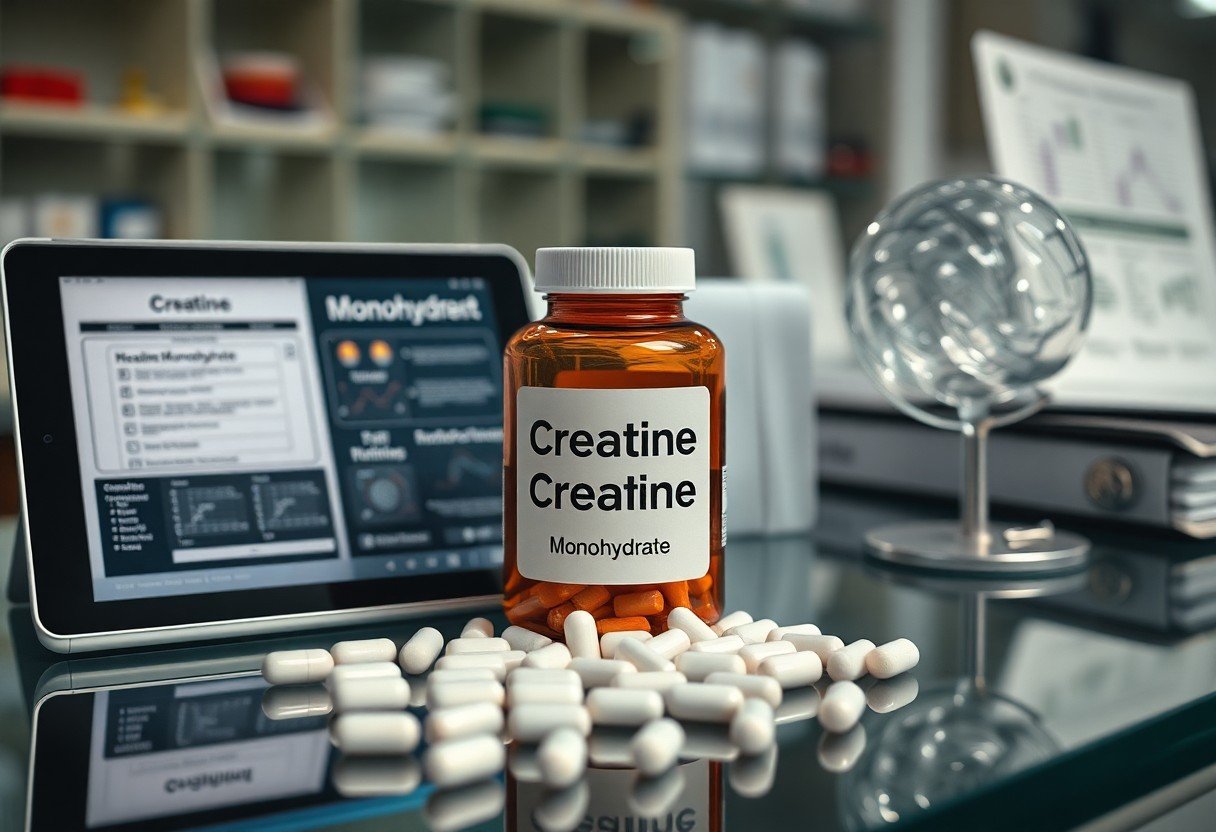
You can notice improved executive performance with creatine supplementation, as enhanced phosphocreatine availability supports prefrontal cortex tasks like planning, inhibition, and sustained attention; studies report improved working memory and faster decision-making, though some users experience minor gastrointestinal discomfort at high doses – see commentary: Creatine is often associated with muscle growth, but its benefits extend far beyond…
Enhancing Processing Speed and Mental Clarity
When you supplement with creatine, increased cellular energy can translate into quicker reaction times and clearer thinking during complex or prolonged cognitive tasks.
Cognitive Advantages for Vegetarians and Aging Populations
If you are vegetarian or older, lower baseline creatine stores often mean you experience larger cognitive gains from supplementation.
As you age, restoring brain creatine helps counteract declining cellular energy, improving attention, working memory, and resistance to mental fatigue, with trials indicating that regular low-dose creatine yields cognitive benefits while minimizing side effects.
Neuroprotective Properties and Long-Term Brain Health
Mitigating Oxidative Stress and Mitochondrial Dysfunction
Creatine helps you buffer cellular energy, preserving ATP and reducing oxidative stress, which protects neurons from mitochondrial dysfunction. By stabilizing energy supply, you lower reactive oxygen damage and support cellular resilience against metabolic insults.
Potential for Slowing Age-Related Cognitive Decline
Emerging studies indicate that creatine supplementation can help you maintain processing speed and memory by supporting neuronal energy, potentially slowing age-related cognitive decline and reducing risk factors linked to neurodegenerative processes.
Clinical trials in older adults show daily creatine at about 3-5 g can boost working memory and processing speed by increasing brain phosphocreatine and ATP availability. You often see larger benefits if baseline brain creatine is low (for example, in vegetarians). Be aware of kidney disease risks and consult a healthcare professional if you have renal concerns.
Combatting Sleep Deprivation and Mental Fatigue
You can blunt cognitive decline from sleep loss by supplementing creatine, which helps you maintain focus and reduce mental fatigue when sleep is short and demands remain high.
Sustaining Cognitive Performance During Acute Sleep Loss
Creatine supplementation has been shown to help you sustain attention and working memory during acute sleep loss, with trials noting smaller performance drops and faster reaction times compared with placebo.
Reducing Perceived Mental Effort During Complex Tasks
During complex, prolonged tasks you often perceive less effort after creatine, reporting lower subjective fatigue and greater task persistence that keeps performance steadier under strain.
Research shows creatine raises brain phosphocreatine stores, supporting ATP resynthesis so neural circuits can sustain demanding activity; when you supplement, metabolic support translates to reduced perceived effort, improved accuracy on taxing tasks, and fewer attention lapses during extended cognitive work.
Clinical Perspectives: Neurological and Psychological Support
Clinical studies increasingly show creatine’s neurological and psychological applications, offering neuroprotective benefits in energy-deficient tissues and augmenting treatment responses in mood disorders; you should weigh evidence, dosing strategies, and renal contraindications when considering supplementation for cognitive support.
Creatine as a Nutritional Adjunct for Mood Disorders
You may see improved antidepressant response and faster symptom relief when creatine is added to standard therapy, with trials showing reduced depressive symptoms particularly in women; monitor kidney function and drug interactions before recommending supplementation.
Implications for Recovery from Traumatic Brain Injury and Concussion
Early supplementation after head injury can support energy metabolism, reduce post-concussive headaches, and may shorten cognitive recovery time; you should discuss timing, dosing, and potential risks for those with renal impairment before use.
Research in animal models and small human trials indicates creatine given immediately post-injury can help preserve ATP, limit secondary neuronal damage, and associate with faster cognitive recovery and fewer persistent symptoms. You should consider common study regimens (initial loading or 5 g/day maintenance), be cautious about limited sample sizes, and confirm dosing with medical supervision to ensure renal safety.
Optimization: Dosage and Safety for Cognitive Health
Establishing Effective Protocols for Brain Tissue Saturation
Loading with 20 g/day for 5-7 days then 3-5 g/day helps saturate brain creatine, but you can also begin with 3-5 g daily for steady increases while monitoring hydration and GI tolerance.
Assessing Long-Term Safety and Bioavailability of Different Forms
Comparing forms shows you that creatine monohydrate has the most extensive safety record; alternative salts and esters claim higher bioavailability but lack long-term human data, so watch for GI issues or unknown risks.
Evidence from decades of trials shows daily creatine up to 5 g is generally safe for healthy adults, with occasional weight gain and transient GI upset; you should monitor renal function if you have existing kidney disease or take nephrotoxic drugs. Alternatives like creatine HCl or ethyl ester show no clear long-term advantage and often cost more.
Synergistic Effects with Other Nootropic Compounds
Combining creatine with omega-3s and B-vitamins can support membrane integrity and methylation pathways; you might see additive cognitive benefits, but monitor stimulant intake to avoid sleep or GI disruption.
Pairing creatine with DHA, folate, or B12 targets complementary mechanisms-membrane fluidity, mitochondrial support, and methylation-so you should time doses to avoid redundant supplements and monitor medications and stimulant use. Limited human trials suggest potential synergy, so prioritize evidence-backed combos and consult a clinician when stacking nootropics.
Final Words
You can add creatine monohydrate to support cognitive function beyond muscle: studies show improved working memory, faster processing, and reduced mental fatigue when taken at standard doses under medical guidance.
FAQ
Q: What is creatine monohydrate and how can it affect cognitive function?
A: Creatine monohydrate is a nitrogenous compound that supports rapid regeneration of ATP, the brain’s primary energy currency. Brain cells use creatine to maintain energy during high-demand tasks, and supplementation raises brain creatine concentrations in many people. Studies report improvements in short-term memory, working memory, and processing speed in tasks that require sustained mental effort.
Q: What does the scientific evidence say about creatine’s effects on the brain?
A: Controlled trials and meta-analyses show small-to-moderate benefits for working memory and intelligence-type tests, with variability across studies. Acute loading protocols (for example, ~20 g/day for 5-7 days) and chronic maintenance doses (3-5 g/day) have both produced benefits in some trials. Trial outcomes depend on task type, baseline brain creatine, diet, age, and sleep status.
Q: Which groups are most likely to gain cognitive benefits from creatine?
A: Vegetarians and vegans commonly show larger effects because their baseline dietary creatine is lower. Older adults with age-related declines in brain energy metabolism often benefit. People experiencing sleep deprivation or performing mentally demanding tasks also tend to show measurable short-term improvements.
Q: What dosing, timing, and safety advice should users follow?
A: Typical approaches include a loading phase of about 20 g/day split into multiple doses for 5-7 days, followed by 3-5 g/day maintenance, or simply taking 3-5 g/day without loading. Creatine monohydrate has an extensive safety record at recommended doses; common side effects are modest weight gain from water retention and occasional gastrointestinal upset. Maintain normal hydration and consult a healthcare professional if you have preexisting kidney disease or other medical concerns.
Q: Are there interactions, contraindications, or special precautions?
A: No widespread serious drug interactions have been established, but combining creatine with medications that affect kidney function warrants medical supervision. Data in children and pregnant or breastfeeding people are limited, so seek clinician guidance in those cases. Competitive athletes should confirm sport-specific rules; creatine is generally permitted but policies vary by organization.
