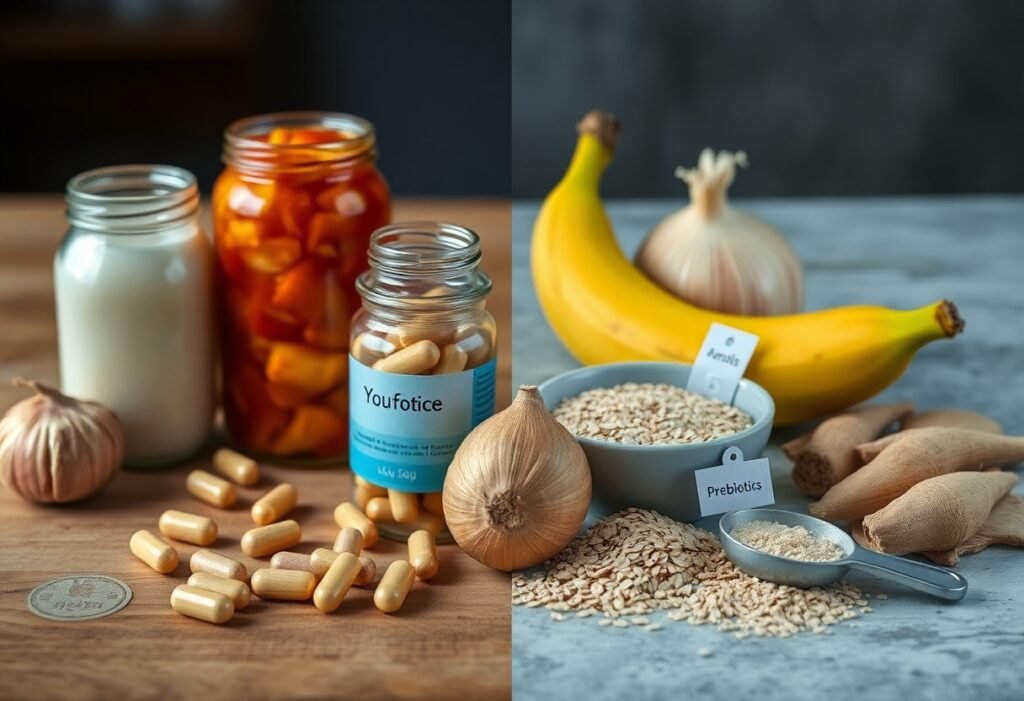

You can boost your defenses by prioritizing quality sleep, balanced nutrition, regular exercise, and stress reduction; avoid chronic stress and poor sleep, which weaken immunity, and consider evidence-based supplements and vaccines with medical guidance to stay protected.
Eat Nutrient-Dense Whole Foods
Increase plant-based antioxidants
You should fill your plate with colorful fruits, vegetables, and herbs to supply antioxidants that neutralize free radicals and support immune cells. Favor berries, leafy greens, cruciferous vegetables, and brightly colored produce for maximum variety.
Include healthy fatty acids
You can include omega-3-rich foods like fatty fish, flaxseeds, chia, and walnuts to modulate inflammation and aid immune signaling. Aim for EPA/DHA from fish or algae, and avoid trans fats that harm immune response.
Omega-3 fatty acids from oily fish, algae, and seeds support balanced immune responses by modulating inflammation and cell signaling. EPA and DHA lower inflammatory markers and support pathogen defense. A high dietary ratio of omega-6 to omega-3 can promote chronic inflammation; excess omega-6 relative to omega-3 is linked to increased immune dysregulation. If you rarely eat fish, choose algae-based or third-party tested fish oil supplements to ensure reliable EPA/DHA and avoid oxidized products.
Prioritize Quality Sleep
Support immune cell production
You get increased white blood cell and cytokine production during sleep, helping you fight infections. Aim for 7-9 hours nightly to maximize immune function. Chronic short sleep raises your infection risk.
Regulate circadian rhythms
Consistent sleep-wake times align your circadian clock, optimizing immune signaling. Exposure to morning sunlight and evening darkness stabilizes melatonin. Persistent rhythm disruption lowers your immune defenses and raises infection and inflammation risk.
Your circadian rhythm times hormone release and immune cell trafficking, so misalignment from shift work, late-night screens, or irregular sleep can weaken pathogen defenses and raise inflammation. You can strengthen timing by getting bright morning sunlight, dimming lights and avoiding blue light in the last 90-120 minutes before bed, and keeping a consistent sleep-wake schedule daily. These habits support melatonin rhythm and immune coordination, lowering infection risk.

Exercise Regularly and Moderately
Improve systemic circulation
You get better blood flow from moderate aerobic exercise like brisk walking or cycling for 30-45 minutes most days, which delivers immune cells and nutrients more efficiently. Avoid extreme training because overtraining suppresses immunity.
Reduce chronic inflammation
You lower systemic inflammation by doing regular moderate exercise, which reduces markers like CRP and IL-6 and protects against chronic disease. Excessive high-intensity sessions can raise inflammation and weaken defenses.
You should aim for about 150 minutes per week of moderate activity plus two strength sessions; contracting muscle releases myokines that lower chronic inflammatory markers and losing visceral fat cuts pro-inflammatory signals. Long, relentless high-intensity training without recovery can spike inflammation and increase infection risk, so balance intensity with rest.
Manage Stress Levels Effectively
Lower cortisol production
You can reduce cortisol by practicing daily deep breathing, brief meditation, and regular moderate exercise; chronic high cortisol suppresses immunity and raises infection risk, so lowering it strengthens your defenses.
Enhance lymphocyte function
You improve lymphocyte activity through adequate sleep, anti-inflammatory foods, and stress reduction; strong lymphocyte responses help you clear infections faster.
You should prioritize 7-9 hours of sleep, vitamin D, vitamin C, a varied fiber-rich diet, and consistent moderate exercise to maintain lymphocyte counts and signaling. Chronic stress reduces lymphocyte numbers and impairs function, increasing infection and illness risk. You can also practice mindfulness, limit alcohol and avoid smoking; these steps help restore lymphocyte function and improve your immune response.

Stay Properly Hydrated
Support lymphatic drainage
You help lymphatic circulation by staying hydrated: water maintains fluid balance and supports capillary filtration and lymph flow. Dehydration can slow lymph transport and increase infection risk. Sip water regularly and move often to enhance drainage.
Maintain mucosal barriers
You preserve mucosal barriers by keeping tissues moist; saliva, tears and mucus trap pathogens. Dry mucous membranes raise infection risk. Drink fluids, avoid excess alcohol, and use saline sprays when air is dry to support barrier function.
You maintain mucosal defenses by keeping airway and digestive linings hydrated so they trap and clear microbes efficiently. Dry, cracked, or irritated mucosa increases your susceptibility to respiratory and gastrointestinal infections. Use a humidifier in dry environments, perform saline nasal irrigation or sprays, chew sugar-free gum or sip water to stimulate saliva, avoid smoking and heavy alcohol that dry tissues, and seek medical advice if persistent dryness or bleeding occurs. Consistent hydration and local moisture measures reduce infection risk and support faster recovery.
Limit Added Sugar Intake
Prevent metabolic dysfunction
You cut added sugars to reduce strain on metabolism and lower risk of insulin resistance, fatty liver, and chronic inflammation. Excess sugar drives metabolic imbalance and increases risk of type 2 diabetes, while reducing it improves insulin sensitivity and supports immune-related metabolic health.
Stabilize blood glucose
You stabilize blood glucose by replacing sugary snacks and drinks with whole foods and balanced meals; preventing sharp glucose spikes protects immune cells. Frequent spikes raise inflammation and impair immune response, while steady glucose supports infection defense.
Practical steps include pairing carbohydrates with protein and fiber at each meal, choosing low-glycemic whole foods, and avoiding sugary beverages and processed snacks. Chronic high blood sugar impairs white blood cell function and increases infection risk; replacing added sugars with whole foods reduces spikes and improves immune performance, and you can monitor labels to keep added sugars low.
Supplement with Key Vitamins
Optimize Vitamin D levels
You should check your vitamin D level and aim for 25-50 ng/mL. Daily supplements of 800-2000 IU often help during low sun exposure. Deficiency increases infection risk, while excessive dosing can cause hypercalcemia. Get a blood test and follow clinician guidance.
Consider Zinc and Vitamin C
You can use zinc (about 10-30 mg/day) and vitamin C (200-1000 mg/day) to support immune response. Zinc supports antiviral defenses and vitamin C can shorten cold duration when used appropriately. Avoid long-term excess zinc due to copper loss and high vitamin C doses that cause GI upset.
Zinc lozenges (acetate or gluconate) totaling up to 75-100 mg/day can shorten colds if you start within 24 hours of symptoms; chronic intake above the 40 mg/day upper limit risks copper deficiency and immune harm. Intranasal zinc has been linked to permanent anosmia and should be avoided. Vitamin C at 500-1,000 mg/day taken regularly offers modest prevention and duration benefits; doses above 2,000 mg/day can cause diarrhea and may raise kidney stone risk in susceptible people. Consult your clinician about testing, dosing, and interactions before high-dose use.
Maintain a Healthy Weight
You can strengthen your immune system by maintaining a healthy weight. Excess visceral fat increases inflammation and infection risk. Choose whole foods, regular activity, good sleep and stress control; consider nutrient-rich options like 10 foods that can help boost your immune system to support weight management.
Optimize metabolic health
You can improve insulin sensitivity through consistent exercise, balanced carbohydrates and adequate sleep, which lowers systemic inflammation and supports immune cell function.
Reduce adipose tissue stress
You should target visceral fat with modest weight loss and regular activity because adipose tissue releases inflammatory cytokines that impair immune responses.
You should understand that visceral adipose tissue secretes pro-inflammatory cytokines like IL-6 and TNF-α, creating chronic inflammation that disrupts immune signaling and raises the risk of infection. You can reduce that stress by losing even 5-10% of body weight, doing 150-300 minutes of moderate aerobic activity weekly plus resistance training, prioritizing protein-rich whole foods, cutting refined sugars, sleeping 7-9 hours, and managing stress to lower inflammation and improve vaccine responses.
Practice Good Hygiene Habits
Prevent pathogen entry
You can block many infections by keeping hands away from your face, wearing a mask in crowded indoor settings, and keeping vaccinations up to date. Wash hands with soap for at least 20 seconds and use 60%+ alcohol sanitizer when soap isn’t available.
Reduce germ transmission
You can lower spread by cleaning high-touch surfaces, washing linens, and covering coughs. Use EPA-registered disinfectants, launder sick-person items separately, and stay home when you’re contagious to protect others.
You can reduce transmission further by practicing proper handwashing: wet, lather with soap, scrub all surfaces including between fingers and under nails for at least 20 seconds, rinse and dry with a clean towel. Use alcohol-based sanitizer with 60%+ alcohol when washing isn’t possible. Disinfect high-touch surfaces daily, wash shared linens on hot cycles, improve ventilation, and stay home when you’re contagious. Avoid touching your face and avoid sharing utensils or cups to limit exposure to respiratory droplets.
Limit Alcohol and Smoking
Protect lung tissue
Smoking damages airway cilia and immune defenses, raising your risk of respiratory infections. You reduce infection risk and improve oxygen exchange by quitting and avoiding secondhand smoke. Smoking increases pneumonia and COVID-19 severity.
Support liver detoxification
Alcohol impairs immune signaling and overloads the liver, compromising pathogen clearance. You lower inflammation and restore immune function by cutting alcohol and supporting healthy diet, sleep, and hydration. Excess drinking causes liver disease and weakens infection defenses.
Your liver processes alcohol through enzymes that generate oxidative stress and inflammation; chronic drinking reduces white blood cell effectiveness and vaccine responses. You can accelerate liver recovery by stopping alcohol, eating protein and antioxidant-rich foods like vitamin C, E and leafy greens, staying hydrated, and prioritizing sleep. Quitting reduces infection risk and allows partial liver regeneration within weeks to months. Consult a clinician if you have heavy use or symptoms.
Summing up
Considering all points, you can strengthen your immune system by prioritizing sleep, balanced nutrition, regular exercise, proper hydration, stress reduction, sun-derived vitamin D, probiotics, hygiene, limiting smoking and excess alcohol, and staying up to date on vaccinations for measurable health gains.
FAQ
Q: What are the most effective science-backed lifestyle changes to strengthen the immune system naturally?
A: Ten evidence-based steps include: prioritize 7-9 hours of quality sleep per night to support immune memory and T-cell function; eat a varied diet high in fruits, vegetables, whole grains, lean protein, and healthy fats to supply vitamins, minerals, and antioxidants; stay hydrated to maintain mucosal barriers and cellular transport; engage in regular moderate exercise (150 minutes/week) to improve circulation and immune surveillance; manage chronic stress through techniques such as mindfulness, cognitive behavioral strategies, or breathing exercises to lower stress hormones that suppress immunity; maintain a healthy weight to reduce inflammation and immune dysregulation; include fiber and fermented foods or proven probiotic strains to support a healthy gut microbiome linked to immune responses; ensure adequate vitamin D status through safe sun exposure or supplements when deficient; avoid tobacco and limit alcohol to moderate levels because both impair multiple immune pathways; follow good hygiene and stay up to date on recommended vaccines to reduce pathogen exposure and enhance specific immunity.
Q: How should I adjust my diet and supplements to support immune health without overdoing it?
A: Focus on whole foods first: aim for a colorful plate with at least five servings of fruits and vegetables daily to provide vitamin C, carotenoids, polyphenols, and fiber. Include lean protein sources for amino acids used in immune cell production and zinc-rich foods such as legumes, nuts, and seafood when possible. Use supplements selectively: vitamin D supplementation benefits people with low serum 25(OH)D, zinc can shorten colds when taken early at recommended doses, and vitamin C may modestly reduce cold duration in high-need populations. Avoid megadoses of fat-soluble vitamins or minerals that can be harmful. Consult a clinician for blood testing and personalized dosing if you have chronic disease, take medications, or are pregnant or elderly.
Q: What type and amount of exercise best support immunity, and when can exercise be harmful?
A: Regular moderate-intensity aerobic and resistance exercise performed most days of the week enhances immune cell circulation, reduces systemic inflammation, and improves vaccine responses. Examples include brisk walking, cycling, or 30-60 minutes of mixed activity totaling about 150 minutes weekly. High-intensity or prolonged endurance training without adequate recovery can temporarily suppress some immune functions and increase infection risk, so include rest days, proper nutrition, and sleep. Acute illness with fever or systemic symptoms warrants rest and medical evaluation rather than exercise until recovery.
Q: What role does sleep and stress management play in preventing infections, and what practical steps improve them?
A: Sleep supports adaptive immunity, including formation of long-term immune memory after infections or vaccinations; chronic sleep loss raises inflammatory markers and infection susceptibility. Establish a consistent sleep schedule, create a dark, cool, quiet bedroom environment, limit screens before bed, and avoid heavy meals and caffeine late in the day. Stress activates the hypothalamic-pituitary-adrenal axis and sympathetic nervous system, which can suppress antiviral responses. Effective stress-reduction strategies include short daily mindfulness or breathing sessions, regular physical activity, social support, and structured problem-solving; professional therapy helps when stress or anxiety is persistent or severe.
Q: How effective are probiotics, hygiene measures, and vaccines for immune protection, and how should they be used together?
A: Select probiotics with clinical evidence for specific outcomes; randomized trials show some strains reduce duration or incidence of respiratory and gastrointestinal infections, though effects are strain- and population-specific. Handwashing with soap, appropriate respiratory etiquette, and surface cleaning remain highly effective for reducing transmission of many pathogens. Vaccination provides targeted adaptive immunity and is one of the most powerful measures to prevent serious infectious diseases; follow recommended schedules for influenza, COVID-19, pneumococcal, and other vaccines as appropriate for age and health status. Combine these approaches with healthy lifestyle measures for broad, complementary immune protection.