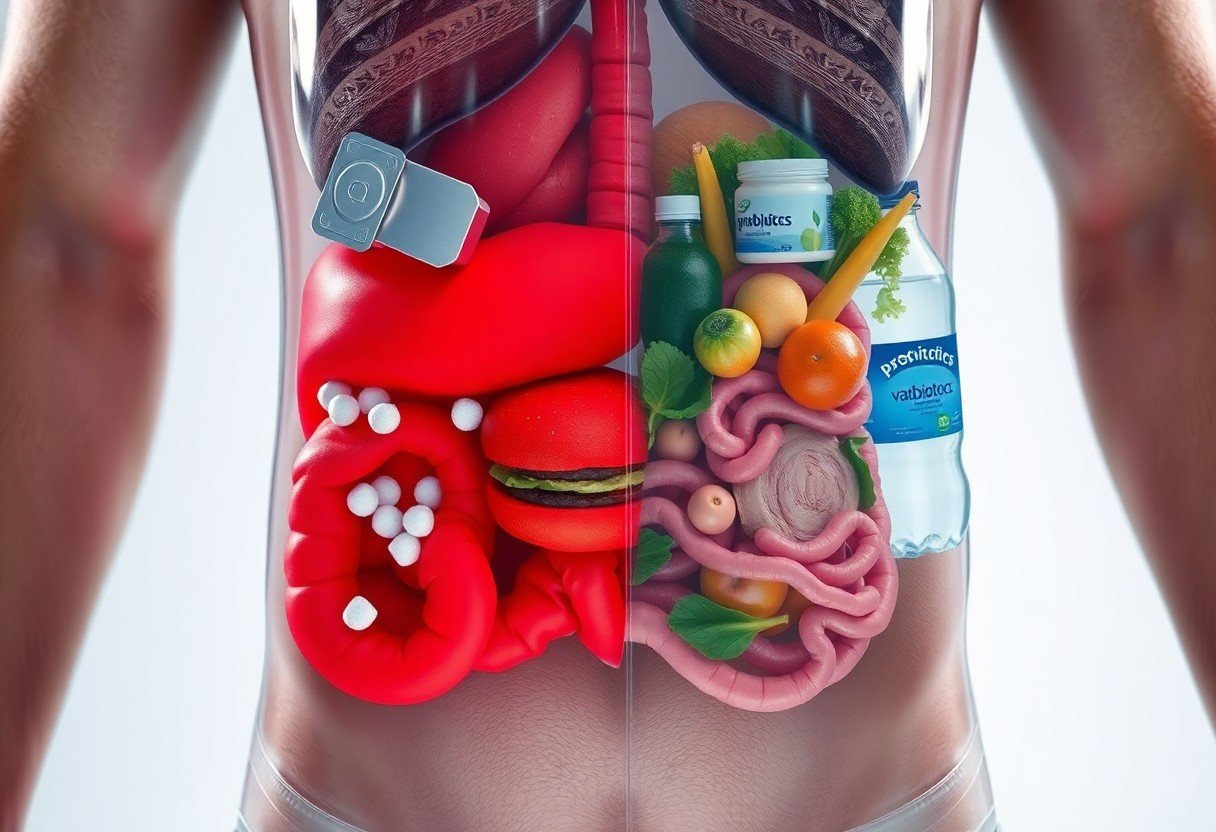
It’s a warning when you have persistent bloating, irregular stools, fatigue or brain fog suggesting gut imbalance; untreated issues raise chronic inflammation and immune risk. This list shows 10 signs and how to restore balance through diet, probiotics and medical advice.
Frequent Bloating and Gas
Increase fiber intake
You should increase fiber slowly to feed beneficial microbes without triggering excess gas. Choose beans, whole grains, vegetables, and fruit; add fiber over 2-4 weeks. Gradual increases reduce bloating and support production of short-chain fatty acids that calm inflammation.
Drink more water
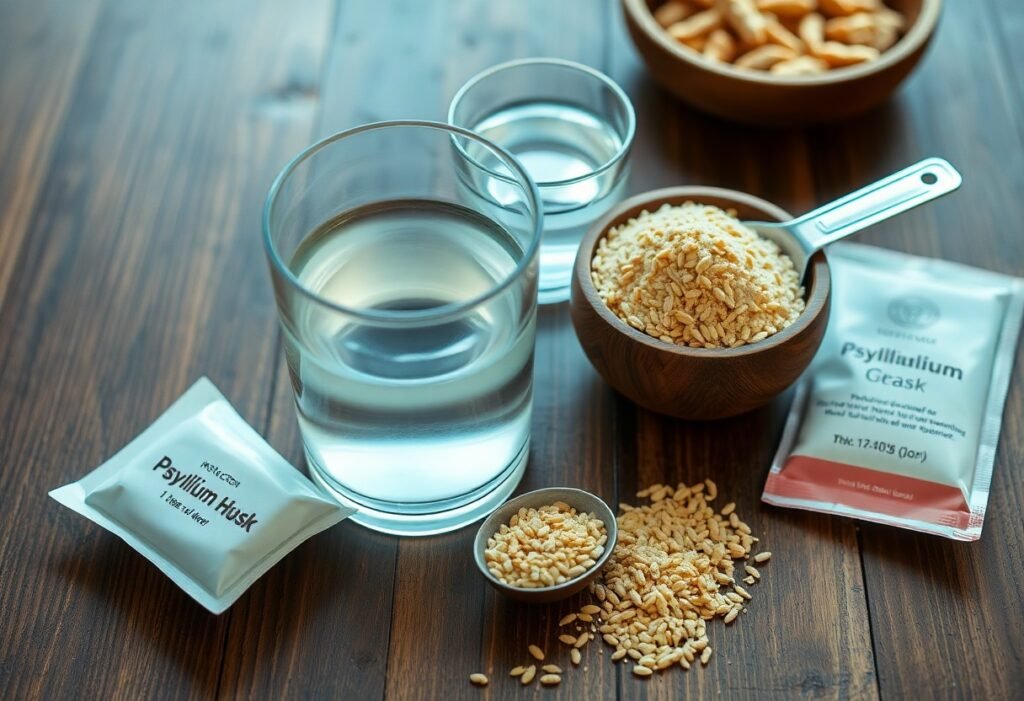
You must drink more fluids to help fiber move and keep stools soft; dehydration can worsen gas and constipation. Sip water throughout the day with meals and between them. Proper hydration reduces bloating and improves microbial balance.
You should aim for about 2-3 liters (8-12 cups) daily depending on your size, activity, and climate, and increase intake when adding fiber, exercising, or in heat. Sip steadily rather than chugging large volumes, and limit excess alcohol and caffeine that promote fluid loss. Chronic low fluid intake increases constipation and bacterial fermentation, raising the risk of severe bloating; consult your clinician if you have kidney or heart conditions before changing fluid targets.
Excessive Sugar Cravings
Avoid processed snacks
You should skip processed snacks loaded with added sugars and refined carbs; they feed sugar-loving microbes and trigger blood sugar spikes and stronger cravings.
Eat whole fruits
You should choose whole fruits over juice or sweets; their fiber slows absorption, blunts blood sugar spikes, and helps reduce sugar cravings while supplying vitamins and antioxidants.
You’ll get fiber and polyphenols from whole fruits that feed beneficial microbes, producing short-chain fatty acids that strengthen your gut barrier and help curb cravings. Avoid fruit juices and many dried fruits because their concentrated sugars produce blood sugar spikes, worsen cravings, and favor harmful microbes; pair fruit with protein or healthy fat to slow absorption.
Persistent Bad Breath
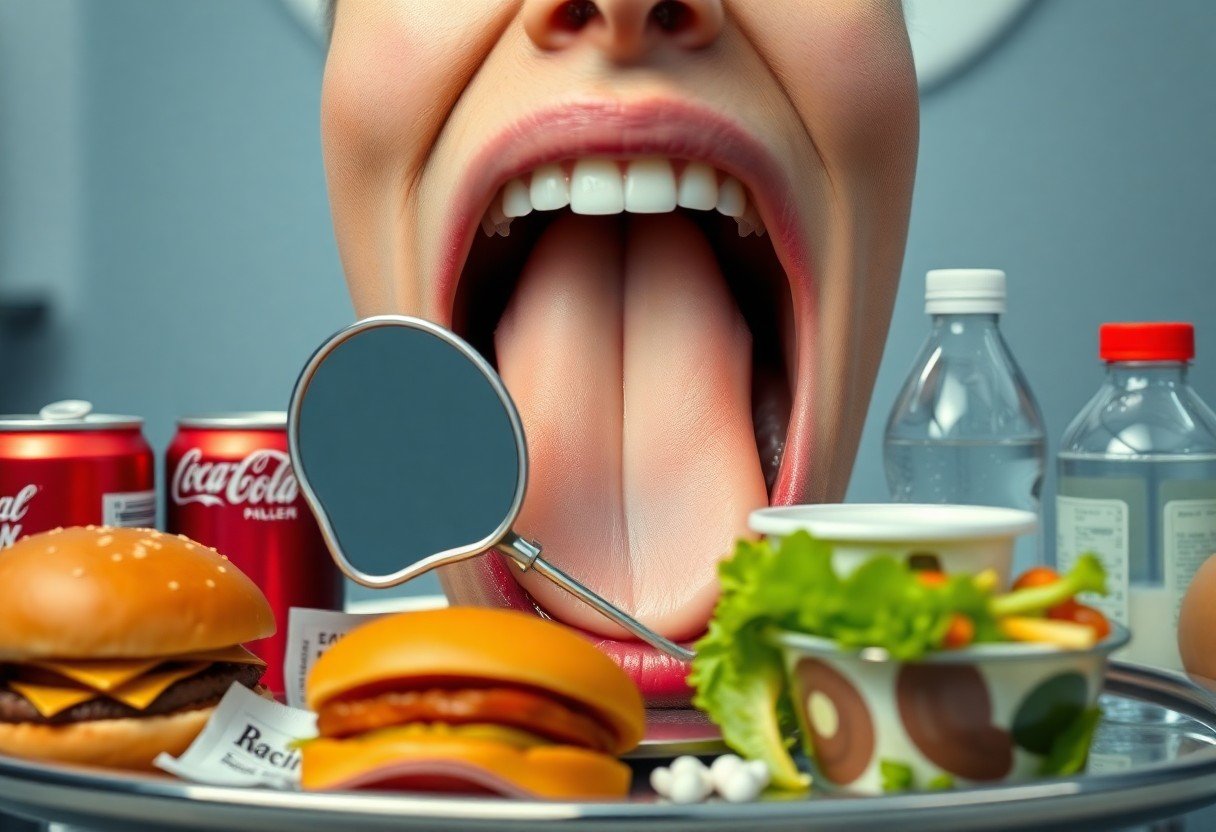
You keep noticing chronic bad breath despite brushing; this often signals oral issues or an imbalanced gut microbiome. You may have gum disease or gut dysbiosis, both of which drive chronic halitosis and should prompt evaluation if it persists.
Improve oral hygiene
You should brush twice daily, floss, and use a tongue scraper to remove odor-causing bacteria; schedule dental cleanings and treat periodontal infection promptly to stop persistent bad breath.
Eat fermented foods
You can add yogurt, kefir, sauerkraut, or kimchi to introduce beneficial bacteria that compete with odor-producing microbes and support gut balance; aim for daily servings without added sugars.
You should choose plain, unsweetened fermented foods and start with small servings to avoid digestive upset. You can select live-culture yogurt and kefir because they supply Lactobacillus and Bifidobacterium strains that reduce proteolytic, sulfur-producing bacteria linked to malodor. You should add fermented vegetables for diversity and fiber that feed helpful microbes. If you have immune suppression or severe illness, consult a clinician before consuming unpasteurized ferments because of infection risk. You may notice reduced bad breath within weeks as microbial balance improves.
New Food Sensitivities
Try elimination diets
You can try a structured elimination diet to spot problem foods. Remove common triggers like dairy, gluten, soy, eggs and nuts for 2-6 weeks, then reintroduce one at a time while tracking symptoms. Identifying triggers reduces inflammation and prevents ongoing gut damage.
Support gut lining
You should support your gut lining with L-glutamine, zinc, collagen and omega-3s, plus fermented foods and diverse fiber. Avoid NSAIDs and excess alcohol. Repairing the mucosal barrier lowers intestinal permeability and systemic inflammation.
You can strengthen the lining by addressing diet, stress and infections: eat bone broth, gelatin or collagen, high-fiber plants, and fermented foods; take L-glutamine, zinc, vitamin D and short-term targeted probiotics (Lactobacillus rhamnosus, Bifidobacterium longum). Unchecked permeability can allow bacteria and toxins into circulation, driving chronic inflammation and raising autoimmune risk. Work with a clinician for testing and tailored supplements if symptoms persist.
Chronic Skin Irritation
Identify food triggers
You may notice recurring rashes or eczema flares after certain foods; keep a food-symptom journal and try a short elimination phase to spot patterns.
Manage stress daily
You can practice short daily stress tools-breathwork, walks, or brief mindfulness-to lower inflammatory signals that worsen skin; five minutes can reduce flares.
Chronic stress drives gut dysbiosis and raises systemic inflammation, which can trigger persistent itching, redness, or slow-healing lesions. You should build simple routines: 5-10 minutes of breathing exercises each morning, a 20-minute walk, and a brief evening cooldown. If flares become frequent or disturb sleep, seek professional support; therapy or guided relaxation can break the stress-gut-skin cycle and reduce flares.
Constant Unexplained Fatigue
Increase physical activity
You may feel persistent fatigue when an imbalanced gut increases inflammation and disrupts sleep. You can boost energy by adding 20-30 minutes of brisk walking or light resistance work most days to improve gut motility and insulin sensitivity. Consistent movement reduces fatigue and supports healthier gut bacteria.
Check nutrient levels
You should test for deficiencies linked to gut issues, especially iron, vitamin B12, vitamin D, and magnesium. Low levels often cause exhaustion; blood tests and a stool assessment can reveal malabsorption. Treating documented deficiencies can restore energy.
You often miss that gut dysbiosis impairs nutrient absorption, causing iron or B12 deficiency that leads to anemia and profound fatigue. Ask your clinician for CBC, ferritin, serum B12, 25(OH)D, magnesium, and folate; consider stool testing for pancreatic insufficiency or SIBO if malabsorption is suspected. Correcting confirmed deficiencies-iron replacement, B12 injections or high-dose oral B12, and vitamin D-frequently returns energy within weeks. Work with a provider before starting supplements to avoid masking serious conditions or causing toxicity.
Frequent Mood Changes
Practice deep breathing
Practice slow diaphragmatic breathing for 5-10 minutes daily to calm your nervous system, reduce gut inflammation, and steady mood swings linked to microbiome imbalance.
Support gut-brain axis
Choose fermented foods, increase dietary fiber, and consider a targeted probiotic to rebalance your microbes and lower anxiety or low mood associated with gut dysbiosis.
Your gut microbes produce neurotransmitters like serotonin and influence the vagus nerve, so gut dysbiosis can raise systemic inflammation and trigger persistent anxiety or depressive episodes. Boost fermentable fiber, eat fermented and polyphenol-rich foods, avoid unnecessary antibiotics, try a tested probiotic when appropriate, and seek medical help if mood shifts are severe or prolonged.
Sudden Weight Fluctuations
Balance your meals
You can stabilize weight by combining fiber-rich vegetables, lean protein, and healthy fats at every meal to slow digestion and keep blood sugar steady, supporting beneficial gut bacteria and reducing cravings.
Avoid mindless snacking
You should limit grazing; frequent processed snacks and sugary bites fuel sugar-loving bacteria, cause insulin spikes, and drive unpredictable weight changes.
Grazing between meals keeps your digestive system in constant activity, favoring microbes that thrive on simple sugars and increasing inflammation and fat storage. Set meal times, choose small whole-food snacks with protein and fiber, drink water when cravings hit, and keep tempting foods out of sight. These habits support a balanced microbiome and steady weight.
Weakened Immune System
Gut dysbiosis undermines your immune defenses, increasing your risk of infections and chronic inflammation. Imbalanced microbes can drive leaky gut and overactive immune responses, which raises chances of autoimmune flares and slower recovery. Read practical steps at Signs Your Gut Is Unhealthy and the 4 Ways to Restore It.
Take probiotic supplements
You can restore bacterial balance by taking targeted probiotic supplements that reduce inflammation and support your gut barrier. Choose strains such as Lactobacillus and Bifidobacterium and follow product directions or your healthcare provider’s guidance.
Get enough sunlight
Sunlight helps your skin produce vitamin D, which supports immune cells and can influence gut microbes. Aim for regular safe exposure to boost vitamin D and immune defense, especially during low-sun months.
You should aim for short, regular sun exposure-about 10-30 minutes several times per week depending on skin tone and latitude-to maintain healthy vitamin D levels. Vitamin D deficiency links to weaker immune responses and worse gut imbalance, so check your levels and use supplements when sunlight is inadequate. Protect your skin to avoid sunburn and consult your healthcare provider for personalized dosing.

Disturbed Sleep Patterns
Limit evening caffeine
You should avoid caffeine within six hours of bedtime because it can delay sleep and alter gut bacteria. Late caffeine worsens sleep quality and promotes harmful gut microbes, increasing inflammation. Choose herbal tea or water in the evening to protect sleep and microbiome recovery.
Create dark environment
You should block light in your bedroom to support melatonin and gut repair. Nighttime light exposure suppresses melatonin and disrupts gut microbes, raising metabolic and inflammatory risks. Use blackout curtains and remove electronics to help your body and microbiome restore overnight.
Blocking artificial and street light reduces melatonin suppression and helps your gut microbes repair during sleep. Melatonin suppression from blue and dim lights shifts microbial balance toward inflammation and metabolic dysfunction. Switch to warm, dim bedside lamps an hour before bed, use blackout curtains and an eye mask, remove blinking electronics, and choose red or amber night lights if you need minimal illumination.
Final Words
With these considerations you can spot signs of an imbalanced gut and take targeted steps-adjust diet, increase fiber and fermented foods, limit processed sugar and unnecessary antibiotics, prioritize sleep and stress management, and consult a clinician for persistent issues-to restore microbial balance and improve health.
FAQ
Q: What are the 10 most common signs that my gut microbiome is unhealthy?
A: Common signs include persistent bloating and excess gas, chronic constipation or diarrhea, frequent heartburn or indigestion, strong sugar or carbohydrate cravings, unexplained weight gain or difficulty losing weight, persistent fatigue and brain fog, new food intolerances or worsening allergies, recurrent infections or slow-healing wounds, skin problems such as acne, rosacea, or eczema, and mood changes like anxiety or low mood. Each sign can arise from shifts in gut bacterial diversity, overgrowth of opportunistic microbes, inflammation, or disrupted gut barrier function. Tracking symptom patterns alongside diet, sleep, and stress helps identify links to microbiome imbalance and points to targeted fixes.
Q: How does an unhealthy gut microbiome affect mood, cognition, and sleep, and what can I do to improve those problems?
A: Gut bacteria produce neurotransmitter precursors, short-chain fatty acids, and immune signals that influence brain function and sleep regulation. Imbalanced microbiota can raise systemic inflammation and alter serotonin and GABA pathways, producing anxiety, low mood, poor concentration, and insomnia. Practical steps include eating more fiber-rich, diverse plant foods to boost beneficial microbes; adding fermented foods like yogurt, kefir, kimchi, or sauerkraut; trying a multi-strain probiotic with evidence for mood or cognition support (for example certain Lactobacillus and Bifidobacterium strains); improving sleep hygiene to restore circadian cues for microbes; exercising regularly to increase microbial diversity; and addressing chronic stress with breathing practices or therapy to lower inflammation.
Q: What skin or immune symptoms point to gut imbalance, and which dietary or lifestyle changes help resolve them?
A: Symptoms such as acne flares, eczema, rosacea, frequent colds, or prolonged post-illness recovery suggest immune activation linked to gut dysbiosis and increased intestinal permeability. Anti-inflammatory dietary changes reduce microbial drivers of immune activation: cut down on highly processed foods and excess added sugars, increase omega-3 sources (fatty fish, flaxseed), consume a wide variety of vegetables, fruits, legumes, nuts, and seeds, and include prebiotic fibers from onions, garlic, leeks, asparagus, and bananas. Fermented foods and targeted probiotic supplements can rebalance species associated with skin and immune benefits. Addressing sleep, stress, and regular moderate exercise supports immune resilience. Severe or rapidly worsening immune or skin conditions should be evaluated by a clinician for targeted testing and treatment.
Q: What immediate steps can I take in the next week to begin fixing an unhealthy gut microbiome?
A: Start by removing or reducing refined sugars, high-fructose sodas, and ultra-processed foods for seven days. Add two servings daily of fermented foods and increase daily fiber gradually to 25-35 grams from diverse plant sources to avoid sudden gas increases. Drink adequate water and aim for at least 30 minutes of moderate activity most days. Prioritize 7-9 hours of consistent sleep and practice a short stress-reduction habit each day, such as deep breathing or a 10-minute walk. Consider a short course of a well-studied multi-strain probiotic if you have recent antibiotic exposure or persistent symptoms; choose a product with documented strains and doses. Keep a symptom and food diary to monitor changes and avoid abrupt, large-dose fiber increases that can worsen bloating.
Q: When should I seek medical testing or specialist care, and what treatments might a clinician recommend?
A: Seek prompt medical attention for severe abdominal pain, unexplained weight loss, blood in stool, persistent fever, or symptoms that worsen despite lifestyle changes. Primary care or gastroenterology evaluation can order tests such as stool PCR or culture panels for pathogens, comprehensive stool analysis or shotgun metagenomic testing for microbial composition, breath testing for small intestinal bacterial overgrowth (SIBO), and inflammatory markers like fecal calprotectin or blood tests to rule out celiac disease. Clinicians may prescribe targeted antibiotics for confirmed SIBO, rifaximin for certain overgrowths, or specific antifungals if fungal overgrowth is suspected. Fecal microbiota transplantation is reserved for recurrent C. difficile infection and selected research settings. Dietitians can create individualized feeding plans and guide safe probiotic or prebiotic use. Collaboration with your healthcare team ensures tests and treatments match the underlying cause rather than treating symptoms alone.