Nutrition

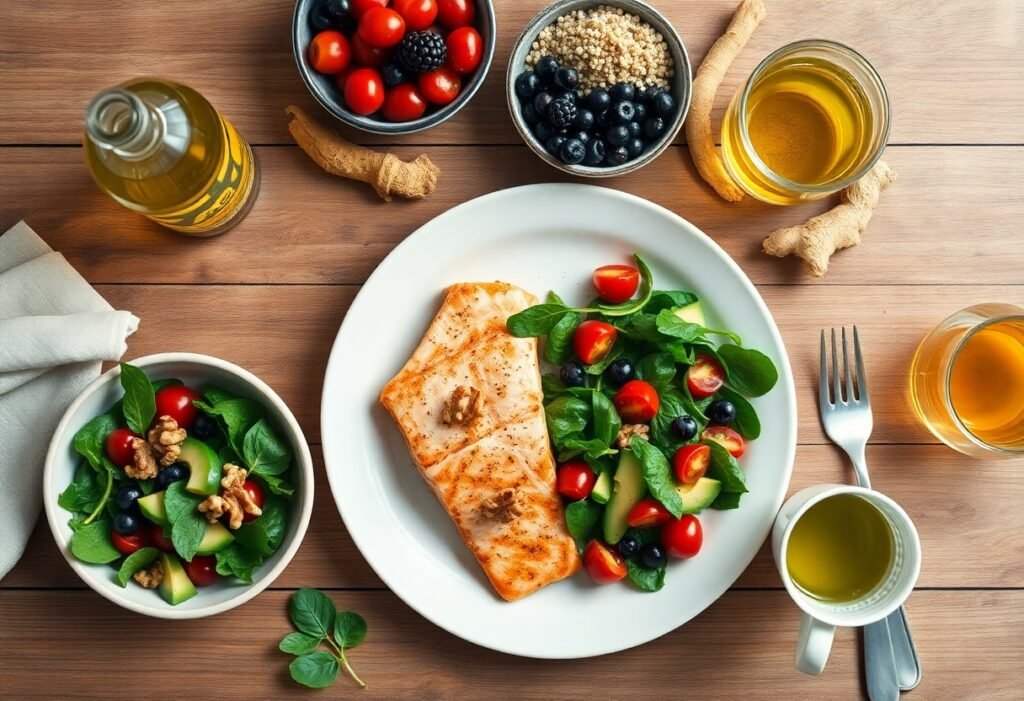
How to Eat to Avoid Chronic Inflammation

Inflammation accelerates chronic disease, so you should avoid processed sugars, refined carbs, and trans fats and emphasize omega‑3 rich fish, leafy greens, berries, nuts, and fiber to lower markers and improve long-term health. Understanding the Biological Mechanisms of Chronic Inflammation The distinction between protective acute and harmful chronic responses Acute inflammation protects you by clearing […]


How to Eat to Avoid Chronic Inflammation Read More »

Blood Sugar Control Without Medication – A Step-by-Step Plan

You will use clear steps-targeted nutrition, regular exercise, stress control, adequate sleep-to lower blood glucose and boost insulin sensitivity and reduce risk of serious complications without medication. Strategic Nutritional Foundations for Glucose Stability Prioritizing Complex Carbohydrates and Low-Glycemic Index Foods Favor complex carbohydrates like whole grains, legumes, and non-starchy vegetables to stabilize glucose; choose low-GI

Blood Sugar Control Without Medication – A Step-by-Step Plan Read More »

Garlic – Raw vs. Cooked – Which Form Gives You Better Immune Protection?

Nutrition: You get allicin-linked immune protection mainly from raw garlic; cooking reduces allicin but retains some antioxidants. You should note raw garlic can cause stomach irritation and increase bleeding risk, so adjust intake for safe benefit. The Bioactive Profile of Garlic: Understanding Allicin Allicin forms when you damage garlic and is the signature compound responsible

Garlic – Raw vs. Cooked – Which Form Gives You Better Immune Protection? Read More »

Probiotics vs. Prebiotics – What’s the Difference and Why You Need Both

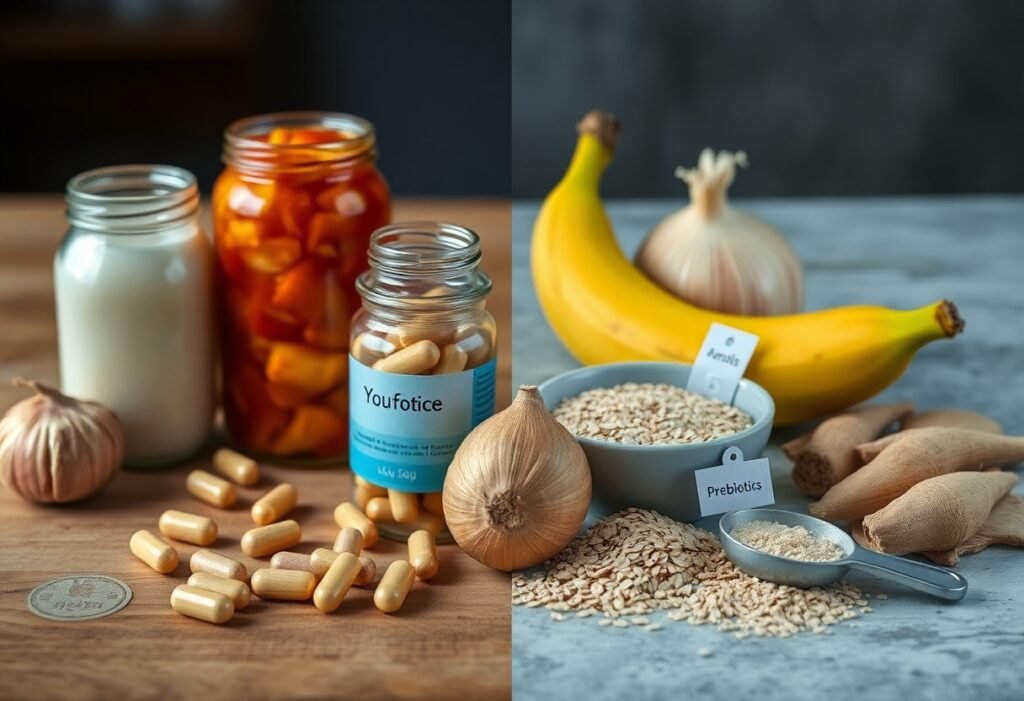
Many people confuse probiotics and prebiotics, but you should know probiotics are live microbes that support digestion and immunity, while prebiotics feed them; combining both can help gut health, though overuse or poor strains can cause harm without proper guidance. Prebiotics: The Essential Fuel for Microbiome Health Types of Prebiotic Fibers: Inulin, FOS, and GOS

Probiotics vs. Prebiotics – What’s the Difference and Why You Need Both Read More »

SIBO Diet – What to Eat and What to Avoid for Small Intestinal Bacterial Overgrowth

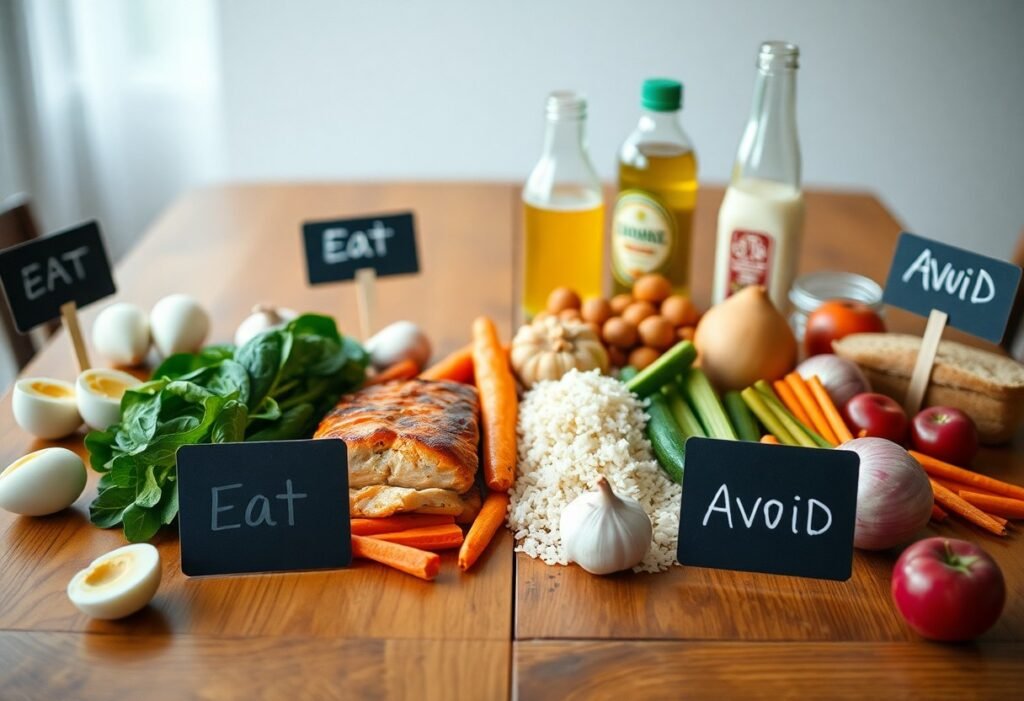
Just follow a low-FODMAP, low-fermentable carbohydrate plan to reduce SIBO symptoms; you should avoid sugary, high-fermentable carbs and alcohol that feed bacteria, and prioritize lean proteins, low-FODMAP vegetables, and physician-guided probiotics to support recovery. Understanding SIBO and the Role of Diet The Mechanism of Bacterial Fermentation in the Small Intestine Bacterial overgrowth in the small

SIBO Diet – What to Eat and What to Avoid for Small Intestinal Bacterial Overgrowth Read More »

Fermented Foods List – Kimchi, Sauerkraut, and Kombucha – Which Is Healthiest?

Most consumers weigh benefits and risks when you pick kimchi, sauerkraut, or kombucha: kimchi and sauerkraut offer abundant probiotics and vitamins, kombucha can contain added sugar and trace alcohol, and you should avoid unpasteurized products if immunocompromised or pregnant. The Biological Mechanisms of Fermentation Probiotic diversity and the human gut microbiome Diversity in kimchi, sauerkraut,

Fermented Foods List – Kimchi, Sauerkraut, and Kombucha – Which Is Healthiest? Read More »

Ultra-Processed Foods

Ultra-Processed Foods and What the Latest U.S. Data Reveals

Nutrition plays a pivotal role in your health, and understanding the impact of ultra-processed foods is crucial. Recent U.S. data highlights a concerning trend: over 60% of your daily caloric intake may come from these food products, often linked to negative health outcomes such as obesity and heart disease. However, awareness of these foods can

Ultra-Processed Foods and What the Latest U.S. Data Reveals Read More »

High-Fiber Eating Made Simple

High-Fiber Eating Made Simple – Tips for Americans

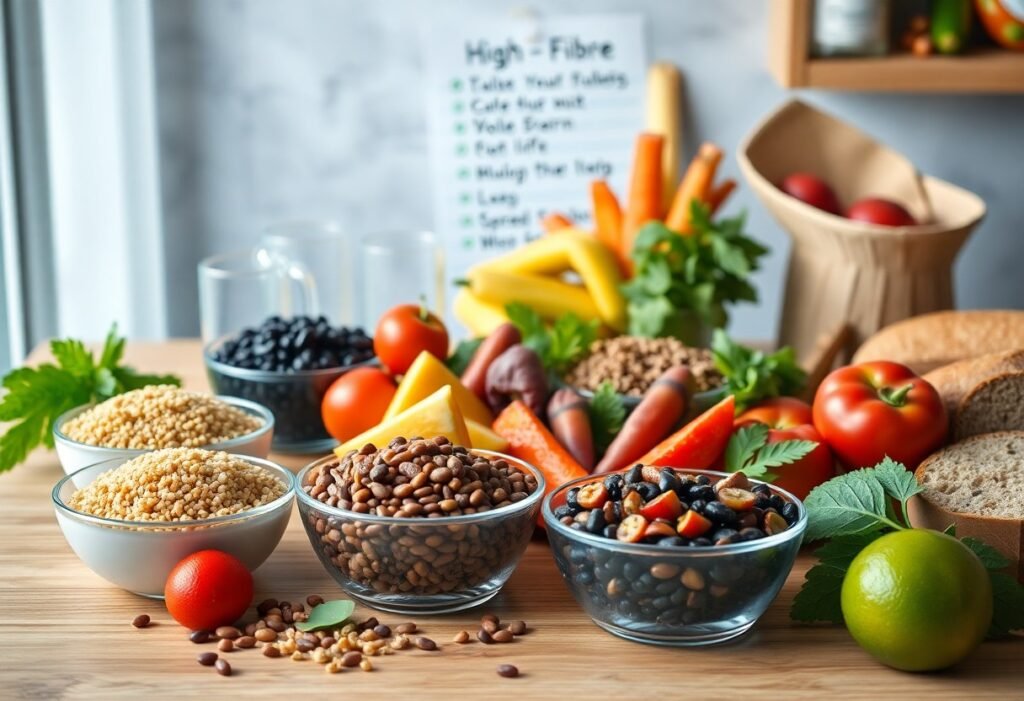
Nutrition plays a vital role in your overall health, and increasing your fiber intake can significantly improve digestion and reduce the risk of chronic diseases. By incorporating whole foods like fruits, vegetables, legumes, and whole grains into your meals, you can easily boost your fiber levels. This blog post provides you with simple, actionable tips

High-Fiber Eating Made Simple – Tips for Americans Read More »

Why Personalized Nutrition Is Taking Off

Why Personalized Nutrition Is Taking Off (And How to Start)

Personalization in nutrition is transforming the way you approach your health and well-being. By tailoring dietary choices to fit your unique needs, you can experience better health outcomes and increased energy levels. This shift toward individualized nutrition is backed by advancements in technology and a growing understanding of how genetics and lifestyle influence dietary requirements.

Why Personalized Nutrition Is Taking Off (And How to Start) Read More »

Just one more step—check your inbox and click the confirmation link to confirm your subscription.. Don’t forget to peek in spam or promotions if you don’t see it.

Oh hi there 👋
It’s nice to meet you.

Sign up to receive awesome content in your inbox, every month.

We don’t spam! Read our privacy policy for more info.