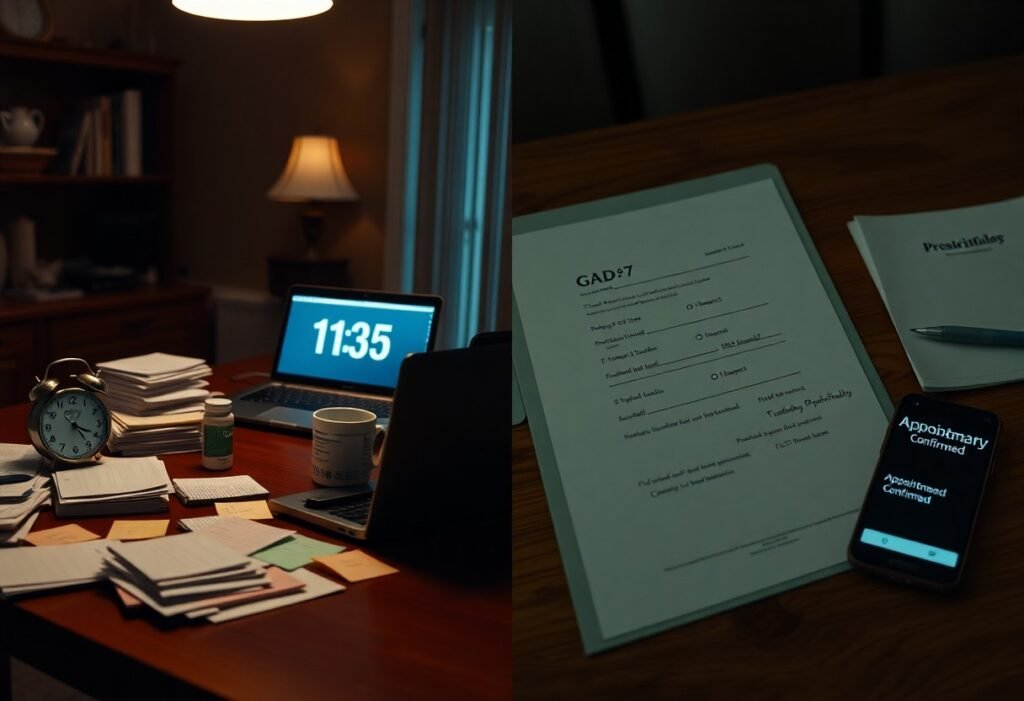
There’s a practical path you can follow to reduce anxiety through daily routines; by adopting simple practices-breathing, movement, sleep hygiene-you build resilience and lower physiological arousal, so panic attacks become less frequent and daily functioning improves. This list gives evidence-based, manageable habits you can integrate to strengthen your nervous system, manage triggers, and gain lasting control over your stress response.
Key Takeaways:
- Consistent small actions-deep breathing, short walks, and regular sleep-lower physiological arousal and improve mood.
- Mindfulness and reducing stimulants (less caffeine, limited screen time before bed) cut rumination and support restful sleep.
- Regular social connection, breaking tasks into steps, and gradual exposure to fears build confidence and reduce avoidance.
Practice Deep Breathing
You can reduce anxiety by slowing your breath and focusing on diaphragmatic inhalation and extended exhalation; this shifts you into the parasympathetic state and lowers heart rate and eases tension. Avoid rapid shallow breaths-they can heighten panic. Practice a few minutes daily to build resilience.
Inhale through nose
Breathe gently through your nose for a count of four, directing air into your belly so your abdomen rises; this fills lungs efficiently and calms you. Keep shoulders relaxed and let the inhalation be smooth-focus on belly expansion, not chest lifting.
Exhale through mouth
Exhale slowly through slightly pursed lips for a count of six, making the exhale longer than the inhale to prompt relaxation; this helps release tension and slows your heart. Use a soft, controlled breath-avoid forcing the air out too quickly.
Try paced patterns like 4:6 or 4:8 and gradually lengthen exhalations as you feel comfortable; if you feel lightheaded, stop and breathe normally-over-breathing can cause dizziness. Aim for short daily sessions; even five minutes of controlled exhalation can have noticeable calming effects.
Engage in Regular Exercise
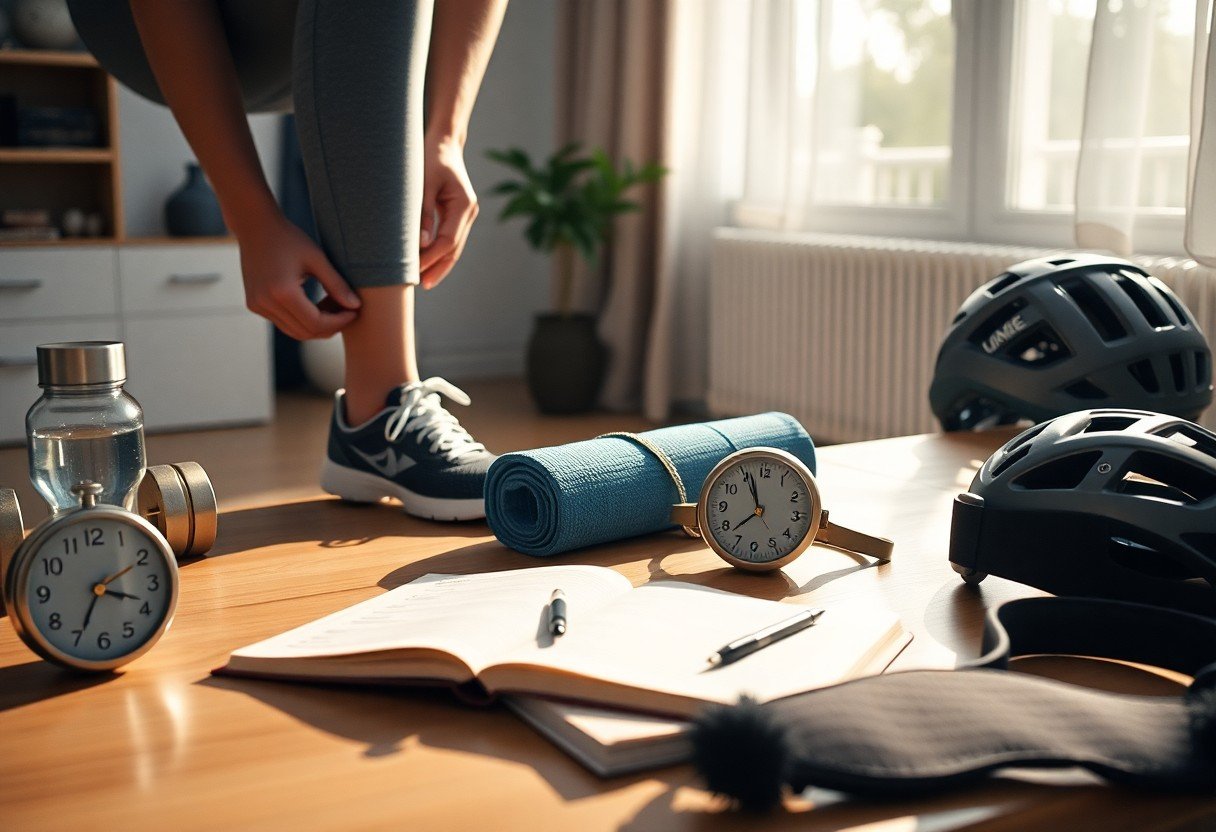
You lower anxiety by making movement part of your routine; regular activity stabilizes mood, improves sleep, and helps you manage stress. Even moderate sessions stimulate endorphins and reduce anxiety, while protecting your body from long-term health issues. Aim for consistency so your body and mind adapt to the benefit of daily movement.
Aim for 30 minutes
Aim for 30 minutes of moderate activity most days-brisk walking, cycling, or a home workout-because consistent sessions reliably lower anxiety and elevate energy. If you’re short on time, split it into two 15-minute bursts; the goal is steady effort, not intensity, to build a lasting habit.
Choose enjoyable activities
Pick activities you genuinely like so you stick with them-dancing, hiking, team sports, or gentle yoga all work. When you enjoy movement, your likelihood of continuing rises and the exercise becomes a positive coping tool rather than a chore; let pleasure drive your plan.
Include variety and social options to keep motivation high: try group classes, walking with a friend, or alternating cardio and strength. Adapt activities for limits-low-impact swimming or chair exercises-and track progress to reinforce gains. Be cautious: pushing through sharp pain can cause injury; instead rest, modify, or consult a professional. Social exercise often produces the strongest mood lift.
Maintain a Healthy Diet
Eating well shapes your mood and stress resilience; prioritize whole foods, routine meals, and hydration so your brain receives steady fuel. Favor lean protein, fiber-rich vegetables, and healthy fats, and limit processed sugars and refined carbs because sugar spikes can worsen anxiety. Small, consistent dietary changes improve your energy, focus, and emotional balance.
Eat balanced meals
Structure each meal to include protein, complex carbohydrates, and a source of healthy fat to stabilize blood glucose and neurotransmitter production. When you include lean protein, whole grains, and vegetables, you’ll reduce energy crashes; avoid skipping meals or relying on caffeine and sugary snacks, as those habits can increase anxiety and jitteriness.
Include omega-3 foods
Omega-3 fats support brain function and lower inflammation linked to anxiety; add fatty fish, walnuts, chia, or flaxseed to your meals. Making omega-3-rich foods a regular habit is associated with reduced anxiety symptoms and better mood regulation.
Aim for about two servings of fatty fish per week or a combined 250-500 mg EPA+DHA daily if you can; if you avoid fish, consider algae-based supplements to meet needs. Choose lower-mercury options like salmon, sardines, and trout, and be cautious with large predatory fish. If you are pregnant, breastfeeding, or on blood thinners, consult your healthcare provider before starting high-dose supplements.
Get Sufficient Sleep
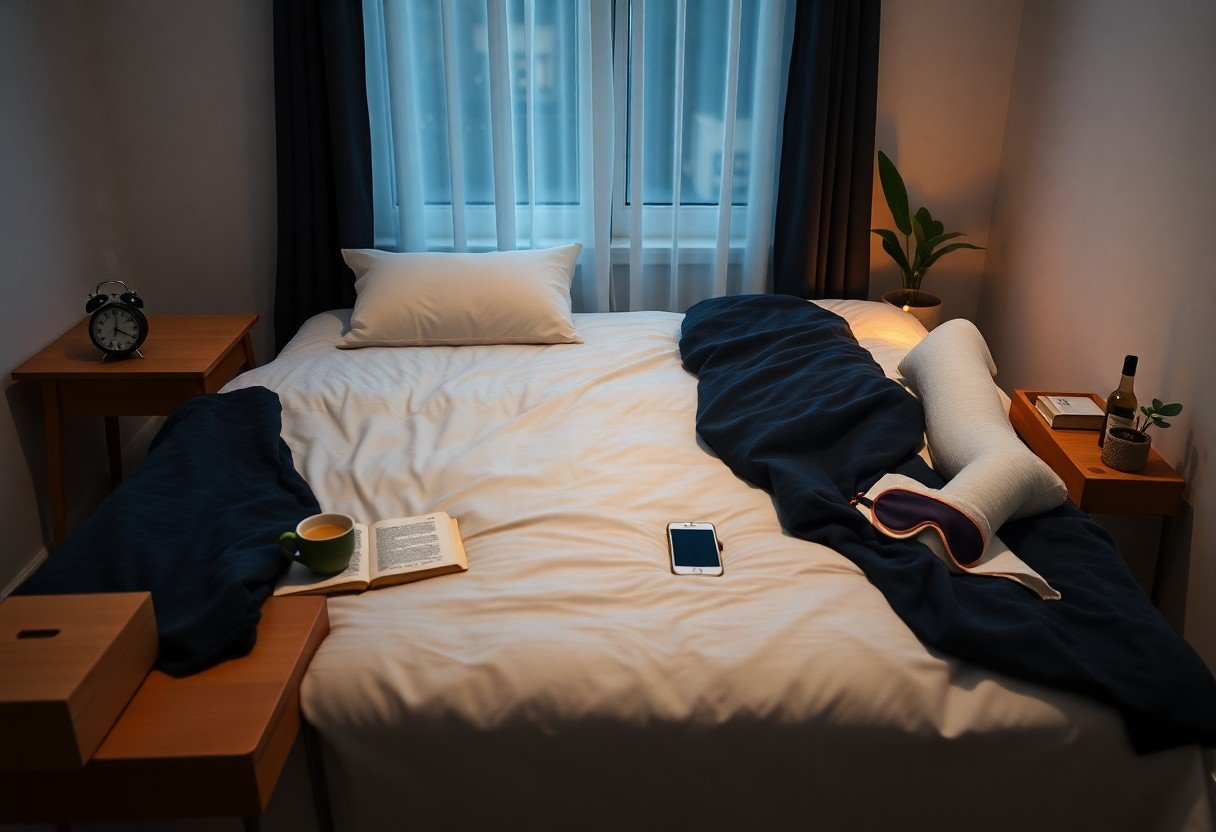
Sleep affects anxiety more than you think; aim for 7-9 hours nightly so your brain can process stress and lower reactivity, helping to improve mood and resilience. When you sleep poorly, sleep deprivation increases worry, impairs decision-making, and raises physical tension. Prioritize sleep as part of anxiety management by scheduling it, avoiding late caffeine, and treating it as a nonnegotiable recovery window.
Establish a routine
Set a predictable bedtime and wake time so your body clock stabilizes and anxiety eases. Create a brief wind-down ritual-reading, gentle stretching, or dimming lights-to signal sleep is coming. Avoid heavy meals and intense exercise within two hours of bed, and keep your bedroom cool, dark, and quiet to help you fall and stay asleep.
Limit screen time
Switch off screens at least an hour before bed to reduce exposure to blue light and stimulating content that heightens alertness. When you limit screens, you lower nighttime arousal and make it easier for melatonin to rise; set device curfews, silence notifications, or keep chargers outside the bedroom to reinforce the habit.
Use night mode and blue-light filters in the evening, but don’t rely on them entirely-blue light still suppresses melatonin and scrolling can keep your mind active. Replace bedtime browsing with calming alternatives like a book or guided relaxation, and make your bedroom a consistent tech-free zone so it becomes a restful sanctuary rather than a source of late-night stimulation.
Stay Hydrated
Hydration influences your nervous system and mood; even mild dehydration can increase tension and irritability. Keep water handy and sip throughout the day to support cognitive function and calm. For practical routines and more guidance see 10 Tips for Managing Anxiety in Your Daily Life. Dehydration can mimic or worsen anxiety, while consistent hydration often produces a noticeable calming effect.
Drink plenty of water
Sip water regularly rather than waiting until you feel thirsty; you should carry a bottle and set simple reminders. Start your morning with a glass and include water with meals. Small, frequent sips help steady your physiology, supporting relaxation and clearer thinking without medication.
Reduce caffeine intake
Caffeine stimulates your sympathetic nervous system, which can trigger jitteriness, racing thoughts, or heart palpitations that feel like anxiety. You should cut back gradually to avoid withdrawal and note how your symptoms change. High caffeine intake can significantly worsen anxiety, so monitoring consumption is a simple, effective step.
To taper, replace one cup of coffee with decaf or herbal tea each week and avoid caffeine after mid-afternoon to protect your sleep. Track hidden sources like sodas, energy drinks, and chocolate so you can reduce total intake. Improving sleep and lowering stimulants often reduces day‑time anxiety and panic risk; if you experience severe withdrawal or persistent anxiety, consult a professional.
Practice Mindfulness Meditation
When you practice mindfulness meditation you train your attention to rest in the present moment, which reduces anxiety, improves focus, and supports better sleep. Start with 5-10 minutes daily, attend to breath or sensations, and be gentle with wandering thoughts. If you have severe trauma or dissociation, it can intensify distress-seek professional guidance.
Focus on the present
When you focus on the present, anchor to your breath, body, or sounds and note thoughts without judgment; this grounds you and weakens future-oriented worry. Avoid trying to force thoughts away-doing so can backfire and increase anxiety. Practice brief anchors throughout your day to build resilience.
Use guided sessions
Use guided sessions to structure practice: apps, podcasts, or teachers lead you through breathwork, body scans, or loving-kindness meditations, making practice accessible and easier to sustain. If you have complex trauma, choose recordings led by trauma-informed instructors to avoid re-traumatization.
Begin with short guided practices of 5-15 minutes daily, then increase as comfort grows; try different styles-body scan, breath, movement-to find what calms you most. Use reputable apps or local teachers, check for trauma-informed cues, and if a session stirs intense emotions, pause and seek support from a clinician or experienced teacher because unresolved reactions can be harmful.
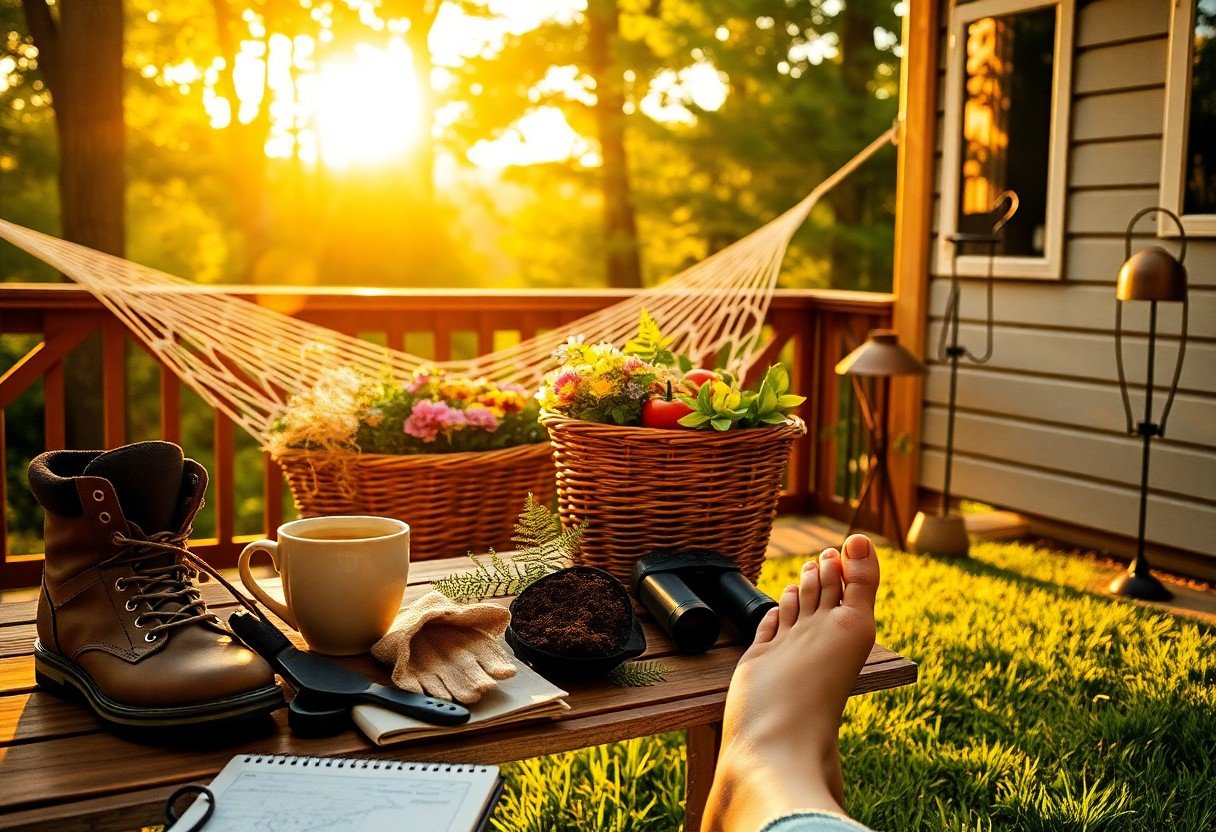
Connect with Nature
Stepping into green spaces eases anxiety by shifting your focus and calming your nervous system; when you make a habit of being outside, even brief exposure to trees, sunlight, and natural sounds can lower cortisol and sharpen concentration. Prioritize regular access to parks or gardens and avoid highly polluted areas – polluted air can negate benefits.
Spend time outdoors
Spend at least 20 minutes outdoors daily to get measurable mood benefits: walk, sit, or garden – you don’t need intense activity. Seek varied environments (grass, water, trees) and schedule this time consistently so your body adapts to natural rhythms; prioritize morning sunlight to regulate sleep cycles and reduce nighttime anxiety.
Enjoy fresh air
Make fresh air a daily habit: you can open windows, step onto a balcony, or take short walks in low-traffic areas to inhale cleaner air and feel immediate tension relief. Avoid locations with heavy traffic or visible smoke; exhaust fumes and wildfire smoke increase stress and harm breathing.
Check local air quality before extended outdoor time using apps or websites so you know when to go out; on high pollution days, limit exposure. Indoors, boost ventilation by cross-ventilating and using a HEPA filter, and add houseplants if you tolerate them. If you have allergies, take precautions and consult your clinician; staying informed protects gains from fresh-air habits.
Journaling
Spend five focused minutes daily writing to sort your mind and reduce anxious looping; this small routine builds consistency, which is the most important factor for lasting change. When you put worries and wins on paper you prevent unspoken tension from growing into increased stress, turning private reflection into a reliable, positive coping tool.
Write daily thoughts
Use a brief stream-of-consciousness practice each morning or evening: write without editing to capture what’s occupying your mind, note one concrete next step, and track any mood shifts. Allowing raw thoughts on the page lowers rumination and creates a positive feedback loop; avoid censoring to keep effects consistent.
Reflect on feelings
After you list thoughts, pause to name the emotion beneath them and rate its intensity from 0-10; doing so shifts you from feeling-driven to observant. Unprocessed emotions can become dangerous if they drive avoidance or sudden panic, while clear labeling offers a positive route to respond and strengthens your awareness.
Use focused prompts-“What am I feeling? Where do I feel it?”-and note body sensations, triggers, and any repeated patterns. Link specific events to emotions and pick one small action you can take next. This practice reduces automatic reactions, helps prevent escalation, and makes naming emotions a simple, powerful tool for regaining control.
Limit Social Media
Limiting social media reduces anxiety by cutting exposure to comparison and endless updates. Set boundaries, mute notifications, and replace scrolling with grounding activities so you regain control. Excessive doomscrolling and constant comparison increase stress; the payoff is more focus, better sleep, and calmer thoughts when you step back.
Set time limits
Use built-in app timers or focus apps to limit daily use and pick specific windows for checking feeds. Schedule phone-free hours, enable Do Not Disturb, and enforce the limit by making scrolling harder. The most effective move is to set timers and turn off notifications so you stop unconscious checking.
Focus on real-life interactions
Prioritize face-to-face time to rebuild social skills and soothe anxious feelings; choose activities that foster conversation over passive screen-based contact. Avoid replacing in-person moments with online substitutes, since isolation and superficial connection can worsen anxiety. Strong, real connections give you emotional support and a sense of belonging.
Actively schedule meetups, join local groups or classes, and set small goals like three phone-free social hours per week. During interactions, put your phone away and practice active listening to deepen bonds; these habits reduce isolation, lower rumination, and build resilience against anxiety.
Create a Supportive Environment
Your surroundings shape how you feel daily. Therefore, design a space that lowers tension and boosts resilience. Start by inviting supportive people and setting clear boundaries. Also, prioritize consistent routines and maximize natural light.
When your environment signals safety and order, you reduce low-level stress. Consequently, you can handle triggers more calmly. This makes anxiety easier to manage.
Surround with positivity
You control the inputs that affect your mood: curate friendships, media, and decor to reinforce calm. Limit exposure to toxic people and negative media, replace them with positive influences such as encouraging friends, uplifting messages, and calming music, and use plants or artwork to steady your emotions.
Declutter your space
Clutter creates visual chaos that taxes your attention and raises anxiety; tackle it in short bursts, keep surfaces clear, and assign a home for everything. When you simplify your space, you reduce decision fatigue and make relaxation easier to access.
First, focus on safety and function. Remove items that create fire hazards or block exits. Also, remove anything that harbors mold. Then, sort items into keep, donate, and recycle piles.
Next, prioritize flat surfaces and storage solutions. This leads to improved focus and calmer sleep. Finally, donate usable items. This action reinforces a positive cycle.
Final Words
So you’ll find that consistent small actions-breathwork, regular movement, quality sleep, balanced nutrition, limits on caffeine and screens, social connection, and boundary-setting-build lasting calm and resilience; use these habits daily and seek professional guidance if anxiety interferes with your life.
FAQ
Q: What are 10 daily habits that help lower anxiety without pills?
A: Combine short daily practices across your body, mind, and environment.
Body:
- Reset your nervous system with 3-5 minutes of morning breathing.
- Reduce tension with 20-30 minutes of daily movement, like a brisk walk.
- Improve resilience with a consistent sleep schedule and wind-down routine.
- Avoid anxiety spikes by limiting stimulants and staying hydrated.
Mind:
5. Take 5-15 minute mindfulness or breathing breaks during the day.
6. Organize thoughts with brief gratitude or worry journaling.
7. Use grounding techniques for acute moments of panic.
Environment:
8. Lift your mood with regular daylight or time outdoors.
9. Reduce isolation with small social check-ins.
10. Lower cognitive overload by structuring your day with priorities and tech boundaries.
Q: How do I begin adding these habits when I feel overwhelmed?
A: Start tiny and specific: pick one habit that feels easiest (two minutes of breathing or a 10-minute walk) and attach it to an existing routine (after brushing teeth, after lunch). Use habit-stacking, set a visible cue or phone reminder, and apply the two-minute rule-do a very small version first, then expand. Track consistency rather than perfection (checkmark calendar or simple app). If a habit fails for a day, resume the next day without judgment. Gradually add one new habit every 1-2 weeks so changes compound without increasing stress.
Q: How quickly will I notice anxiety reduction from these habits?
A: Some practices give immediate relief-deep breathing, grounding, or a short walk can lower acute symptoms within minutes. Regular habits create measurable improvement. Consistent sleep, daily exercise, and mindfulness typically show results in 2-8 weeks. This is due to shifting physiological and cognitive patterns.
Remember, progress is incremental. Expect fluctuating days. Use a mood log or symptom checklist to see overall trends. Do not rely on single-day impressions.
Q: Which common behaviors worsen anxiety and what should I do instead?
A: Certain behaviors increase anxiety. These include excessive caffeine, frequent alcohol use, and irregular sleep. Others are doomscrolling, social isolation, skipping meals, and constant multitasking.
Replace these with healthier choices. Opt for herbal tea and water instead. Establish consistent sleep routines. Schedule tech-free windows. Make short social contacts. Eat regular, nourishing meals. Finally, use single-task blocks with brief pauses.
Q: Can these daily habits replace therapy or medication?
A: For mild-to-moderate anxiety, consistent lifestyle and behavioral changes can significantly reduce symptoms and sometimes be sufficient. However, they are not a guaranteed substitute for therapy or medication when anxiety is severe, persistent, or impairing daily functioning. You should seek professional evaluation for specific symptoms. These include intense panic attacks or persistent suicidal thoughts. Other key symptoms are severe insomnia and an inability to work or care for yourself. Also seek help if your symptoms do not improve with self-care.
Treatments like cognitive-behavioral therapy or medication can be very effective. They work well as complements to your daily habits.