Most new approaches in 2025 – from cold plunges to targeted vagus nerve stimulation and AI-driven therapies – promise faster relief, but you must assess evidence and safety: cold plunges can stimulate your vagus nerve and reduce anxiety, while improper exposure risks hypothermia or cardiac stress; noninvasive vagus stimulation shows clinical potential, yet unregulated devices and exaggerated claims are dangerous. You should prioritize clinician-guided protocols, validated devices, and measured breathwork over fads.
Key Takeaways:
- Emerging interventions such as cold-water immersion and vagus nerve stimulation are gaining evidence for anxiety reduction by improving autonomic balance, but they work best as complements to therapy rather than standalone fixes.
- Behavioral integrations-breathwork, gradual cold exposure, and biofeedback-can boost vagal tone and resilience with low adverse effects; gradual dosing and consistent practice improve outcomes.
- Digital tools and personalized protocols (wearables, guided apps, remote neurostimulation) expand access but need more validation; clinicians should monitor safety, contraindications, and expectancy effects.
Understanding Anxiety in 2025
Shifts in prevalence mean you likely see anxiety in about 1 in 5 adults, often co-occurring with depression or sleep disorders; functional impairment and workplace impact are significant. Clinical measures like the GAD‑7 are still central to tracking severity, while rapid triage via telehealth and wearable data now help you and clinicians prioritize interventions faster than traditional referral loops.
Current Trends in Anxiety Disorders
Digital CBT, app-based exposure modules, and biometric monitoring (HRV, sleep staging) are mainstream tools you’ll encounter; pharmacotherapy still centers on SSRIs/SNRIs but polypharmacy and overprescription remain a dangerous concern. Devices targeting the vagus nerve and short cold‑water protocols have moved from niche to common adjuncts, and insurers increasingly reimburse hybrid care models that blend remote sessions with in‑person follow‑ups.
The Role of Lifestyle in Managing Anxiety
Exercise (aim for 150 minutes/week of moderate activity), consistent sleep (roughly 7-9 hours), reduced caffeine, and structured breathwork or HRV biofeedback are evidence‑based levers you can deploy immediately; even brief cold plunges (2-3 minutes at ~10-15°C) paired with paced breathing often accelerate autonomic recalibration and improve symptom control when combined with therapy.
Implementing lifestyle changes works best with measurable targets: schedule 20-30 minute aerobic sessions 3-5 times weekly, practice 10 minutes of diaphragmatic breathing or HRV training twice daily, and limit caffeine to under 200 mg/day. Programs that track GAD‑7, sleep, and HRV over 6-12 weeks typically show the clearest improvements, so you should use data to guide adjustments and flag when medical escalation is needed.
Cold Plunge Therapy
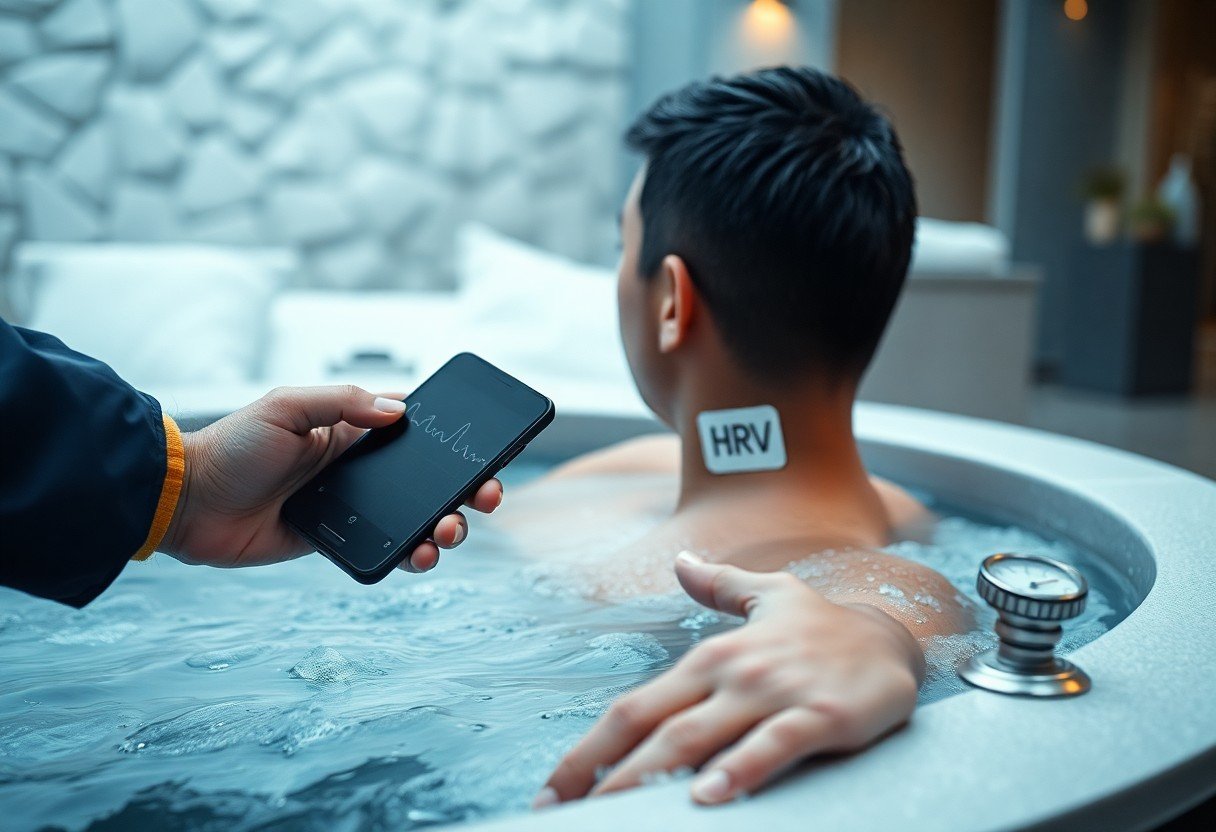
When you step into a cold plunge (typically 2-15°C) you get an immediate sympathetic surge followed by vagal rebound; sessions commonly last 30 seconds to 5 minutes. Repeated exposure-3 times weekly for 4-8 weeks-can improve stress resilience and mood; a 2014 PNAS study combining cold and breathing showed increased epinephrine and lower inflammatory cytokines. If you have heart disease or uncontrolled hypertension, do not plunge without medical clearance and supervision. Read more: Why Cold Plunging is the Hottest Wellness Trend of 2025.
The Science Behind Cold Exposure
Cold immersion triggers a fast sympathetic spike (catecholamine release) then a parasympathetic/vagal rebound that can lower heart rate variability suppression and inflammation; small trials measured reduced TNF-α and IL-6 after repeated exposures. You experience increased norepinephrine-improving alertness and focus-while trained protocols also show enhanced immune markers; physiological effects scale with temperature and duration, so short, controlled dips (30-180 seconds at ~10°C) produce measurable autonomic shifts without prolonged hypothermia.
Benefits for Anxiety Relief
For anxiety, cold plunges offer an acute reset: you get rapid breath control, lowered subjective anxiety, and improved tolerance for discomfort, with several programs reporting 20-40% reductions in self-reported anxiety after 4-8 weeks of regular practice. Use slow nasal breathing during immersion to amplify vagal engagement and reduce panic-like responses.
Digging deeper, repeated cold exposure trains your interoception and stress appraisal-you learn that intense bodily arousal passes within minutes, which generalizes to daily stressors. Practically, start with 15-30 seconds at ~12°C and increase by 15-30 seconds per week while monitoring symptoms. Avoid plunging alone, stop if you feel chest pain or dizziness, and consult a clinician if you have arrhythmia, uncontrolled hypertension, or vasospastic conditions like Raynaud’s-these are serious contraindications that make cold immersion unsafe without medical oversight.
The Vagus Nerve and Its Connection to Mental Health
When you modulate the vagus nerve you directly influence autonomic balance and emotional regulation; the nerve contains roughly 80% afferent fibers carrying visceral signals to the brain, and changes in its tone show up as shifts in heart rate variability (HRV)
Functions of the Vagus Nerve
Beyond slowing heart rate, the vagus mediates digestion, respiratory reflexes and the cholinergic anti‑inflammatory pathway that reduces cytokines like TNF‑α; afferent fibers project to the nucleus tractus solitarius and then to the amygdala and prefrontal cortex, shaping mood and threat processing. If your vagal tone is higher, you typically see increased HRV and better stress recovery, while low tone often coexists with amplified anxiety and inflammatory markers.
Techniques to Stimulate the Vagus Nerve
You can boost vagal activity with simple practices: slow diaphragmatic breathing around 5-7 breaths per minute, 15-30s cold face immersion triggering the dive reflex, humming/singing or gargling to engage the vocal folds, transcutaneous auricular VNS (tVNS) at the ear, and implanted VNS devices (FDA‑approved for treatment‑resistant depression and epilepsy). Each method has different effect sizes, time courses and safety profiles to match your needs.
For practical dosing, start with two 5‑minute breathing sessions daily at 6 breaths/min to raise HRV, add 20-30s cold face immersions post‑workout for vagal rebound, and consider tVNS protocols used in trials (typically ~25 Hz pulses, 200-500 μs, 20-30 minutes/day). Note that implanted VNS requires surgery and can cause hoarseness, cough or bradycardia, and tVNS/pacing may be contraindicated if you have a pacemaker or serious arrhythmia-discuss options with your clinician.
Complementary Practices for Anxiety Management
Layering brief, evidence-based habits with cold plunges and vagal work amplifies outcomes: you can combine digital CBT modules, sleep optimization, nutrition tweaks (reduce excess caffeine), and social support to lower baseline anxiety. Trials show that mixing CBT with lifestyle changes yields larger effect sizes than single interventions, so prioritize structured therapy plus 1-3 daily habits you can sustain rather than chasing every new modality.
Mindfulness and Meditation
You can use structured programs like MBSR or MBCT (typically 8 weeks, weekly sessions plus daily practice) to reduce persistent anxiety; clinical trials report moderate effects versus waitlist. Start with 10-20 minutes/day of breath-focused practice-box breathing (4‑4‑4‑4) or paced 6 breaths/min boosts vagal tone-and track consistency with apps or logs to convert sporadic relief into measurable improvement.
Exercise and Physical Health
You should target WHO guidelines: 150 minutes moderate or 75 minutes vigorous exercise weekly, plus two strength sessions, since aerobic and resistance training both lower anxiety and improve HRV and sleep. If you have cardiac, pulmonary, or orthopedic issues, consult a clinician before intense routines because overexertion can worsen symptoms.
Practically, begin with three 30‑minute brisk walks per week and add two 20‑minute resistance sessions, or swap one walk for a 10-20 minute HIIT session at 60-80% max HR (estimate max HR ≈ 220−age). Increase duration by ~10% weekly, track sleep and resting HR to monitor recovery, and consider combining post‑workout cold exposure for additive vagal benefits while avoiding rapid escalation that raises injury risk.
Emerging Technologies in Anxiety Treatment
Expect an accelerating mix of wearable sensors, closed-loop neuromodulation (like transcutaneous vagus nerve stimulation), AI-driven digital therapeutics and immersive platforms to reshape care; devices such as the Apple Watch, Oura ring and research-grade Empatica E4 are already feeding classifiers that flag stress signatures. You’ll see more trials pairing physiologic markers with interventions, and while scalability and real-time personalization are big positives, there are privacy and data-quality risks you must weigh.
Wearable Tech and Mental Health
Wearables now combine HRV, skin conductance (EDA), sleep and activity to produce continuous anxiety-relevant signals; researchers use Empatica E4 for EDA-based stress detection and commercial rings for nightly HRV trends. You can use device-driven biofeedback or clinician dashboards to catch early relapses; however, expect false positives and variable sampling rates between consumer and research devices, so validate any clinical decision against formal assessments.
Virtual Reality Therapy
VR exposure and skills training let you rehearse feared situations (public speaking, crowded transit) with controlled, repeatable doses; multiple randomized trials and meta-analyses report outcomes comparable to traditional in vivo exposure, with the added benefit of scalable, replicable scenarios. Platforms increasingly stream physiological data to adapt intensity in real time, but watch for cybersickness and insufficient clinical oversight when DIYing at home.
In practice you enter graded VR scenarios while your heart rate and skin conductance inform pacing-therapists can increase challenge only when your physiologic arousal drops to target ranges. Several clinical programs now integrate outcome tracking and relapse alerts, and trials with sample sizes from dozens to low hundreds show symptom reductions that often persist at 3-12 month follow-ups, making VR a practical adjunct when supervised by trained providers.
Future Directions in Anxiety Research
You’ll see large-scale cohorts like UK Biobank (~500,000 participants) paired with continuous HRV and smartphone streams to map anxiety trajectories, linking polygenic scores and inflammatory markers (CRP) to relapse risk. Researchers are moving toward multimodal, time‑locked interventions; while early closed‑loop neuromodulation shows promise, regulators must address privacy risks and data governance before clinical scaling.
Trends to Watch in Psychiatric Science
You should track objective biomarkers (HRV, CRP), digital phenotyping from wearables and phones, and genetics-polygenic scores that currently explain a single‑digit percentage of anxiety risk. Several RDoC‑inspired trials (n≈100-300) are testing multimodal signatures; preliminary findings link low HRV to treatment resistance and inflammatory profiles to blunted SSRI response.
Predictions for Mental Health Innovations
Within five years you’ll encounter AI‑driven CBT platforms, clinician‑assisted apps, and at‑home neuromodulation (tVNS, guided cold exposure) moving into routine care; some devices will gain clearance, but many will remain unregulated. Expect precision prescriptions based on biomarkers, yet be wary-unsupervised neuromodulation and DIY protocols can be dangerous without oversight.
Concrete innovations to watch include closed‑loop tVNS that triggers on HRV drops and cold‑plunge systems tied to paced breathing; pilot trials (n=50-200) combining these with therapy report clinically meaningful anxiety reductions. You’ll need reimbursement pathways and clinician validation for wide adoption; otherwise, rapid commercialization risks data leakage and uneven care-prioritize interventions supported by peer‑reviewed RCTs and clear safety data.
Conclusion
With this in mind, you can integrate evidence-based practices like cold plunges and vagus nerve stimulation into a broader, personalized anxiety strategy, balancing quick physiological tools with therapy, sleep, and lifestyle changes; stay critical of trends, monitor your response, and consult professionals to ensure safe, effective use as part of your ongoing mental health plan.
FAQ
Q: What is a cold plunge and how can it affect anxiety?
A: A cold plunge is deliberate short-term immersion in cold water (typically 5-15°C / 41-59°F). It triggers an acute sympathetic response (increased heart rate and norepinephrine) followed by a parasympathetic rebound that can increase vagal tone and lower perceived stress for some people. Small trials and mechanistic studies report short-term mood and alertness benefits, improved stress tolerance, and reduced inflammatory markers; long-term anxiety outcomes are still limited. Typical practice: 30 seconds to 3 minutes for beginners, progressing slowly; always warm up safely afterwards. Contraindications include unstable cardiovascular disease, uncontrolled hypertension, recent heart attack, severe Raynaud’s, and pregnancy; consult a clinician if you have health concerns.
Q: How does stimulating the vagus nerve help with anxiety and what methods are used in 2025?
A: The vagus nerve mediates parasympathetic regulation of heart rate, digestion, and inflammation. Stimulating it can increase heart-rate variability (HRV) and reduce sympathetic overactivation linked to anxiety. Common noninvasive methods: paced diaphragmatic breathing (6 breaths/minute), cold-face or cold-water exposure, humming/chanting and prolonged exhalation, gargling, and transcutaneous auricular vagus nerve stimulation (taVNS) devices. Evidence varies: breathwork and HRV biofeedback have consistent support; taVNS shows promising early clinical results but needs larger trials for routine anxiety treatment. Side effects are generally mild (lightheadedness, throat or ear tingling); seek medical advice for implanted devices, cardiac conditions, or seizures.
Q: What other anxiety-management trends are emerging in 2025 besides cold plunge and vagus techniques?
A: Leading trends include (1) regulated digital therapeutics and AI-assisted CBT platforms with clinician integration and improved outcome tracking; (2) wearable-driven HRV biofeedback and adaptive interventions that personalize breathing or behavioral prompts in real time; (3) virtual-reality exposure and immersive resilience training for specific phobias and social anxiety; (4) noninvasive neuromodulation tools (tDCS, tVNS) moving from research to guided clinical use; (5) expanded, protocolized psychedelic-assisted therapy in regulated settings for treatment-resistant cases; and (6) nutrition, sleep optimization, and gut-brain approaches packaged into integrative care pathways. Quality and evidence vary widely across products; choose interventions with peer-reviewed data and clinician oversight.
Q: Can you safely combine cold plunges with vagus-stimulating practices, and how should someone begin?
A: Yes-many people combine simple vagal practices (slow breathing, humming) before or after cold exposure to moderate the stress response and enhance parasympathetic recovery. Start with brief, controlled exposures: practice diaphragmatic breathing first, then a very short cold immersion while monitoring tolerance, and finish with slow exhalations or HRV biofeedback. Avoid abrupt, prolonged exposure; stop if you feel faint, numbness, chest pain, severe breathlessness, or prolonged shivering. People with cardiovascular issues, arrhythmias, or autonomic dysfunction should obtain medical clearance and consider supervised introduction.
Q: How should consumers evaluate and choose anxiety tools and products in 2025?
A: Prioritize interventions with transparent evidence: randomized trials, real-world outcomes, and published safety data. Check for regulatory clearances or clinical endorsements, measurable metrics (HRV, symptom scales), data-privacy practices, and options for clinician involvement. Favor stepwise, multimodal plans (therapy + digital tools + lifestyle) over single “quick fix” claims. Look for clear contraindications and return/refund policies; avoid products promising immediate cure or lacking scientific backing. When in doubt, consult a mental-health professional for tailored guidance.