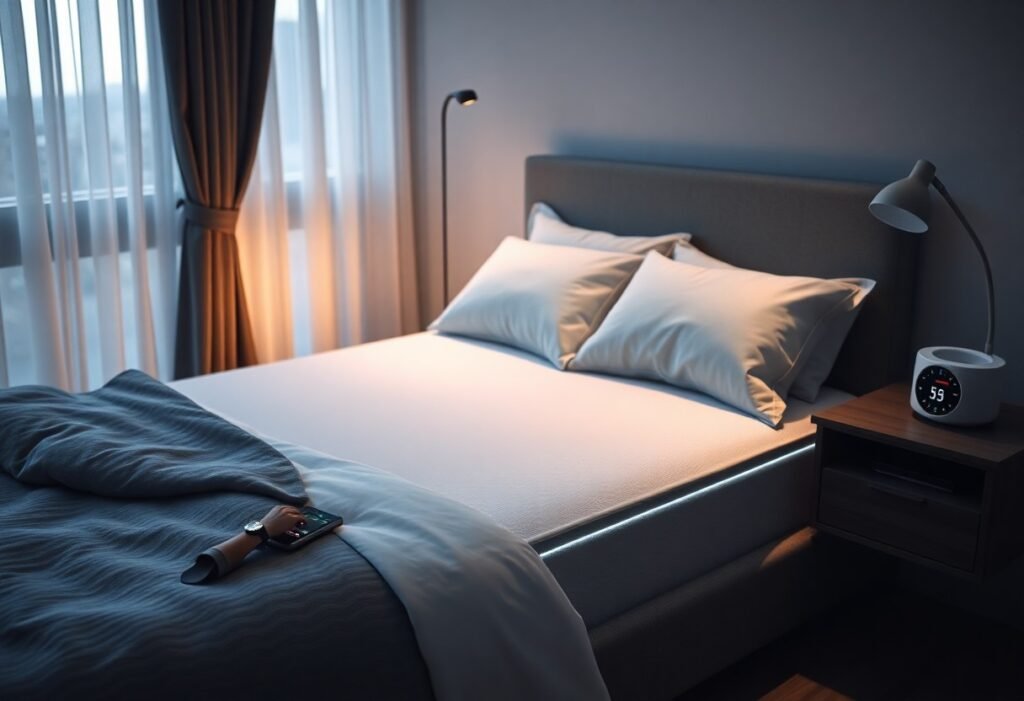

Productivity often improves when you take a brief nap; short naps (10-20 minutes) reliably boost alertness, mood, and cognitive performance, while long naps risk sleep inertia and can disrupt nighttime sleep, especially if you nap late. Plan naps for early afternoon or before critical tasks so your energy and focus recover quickly without undermining nighttime rest.
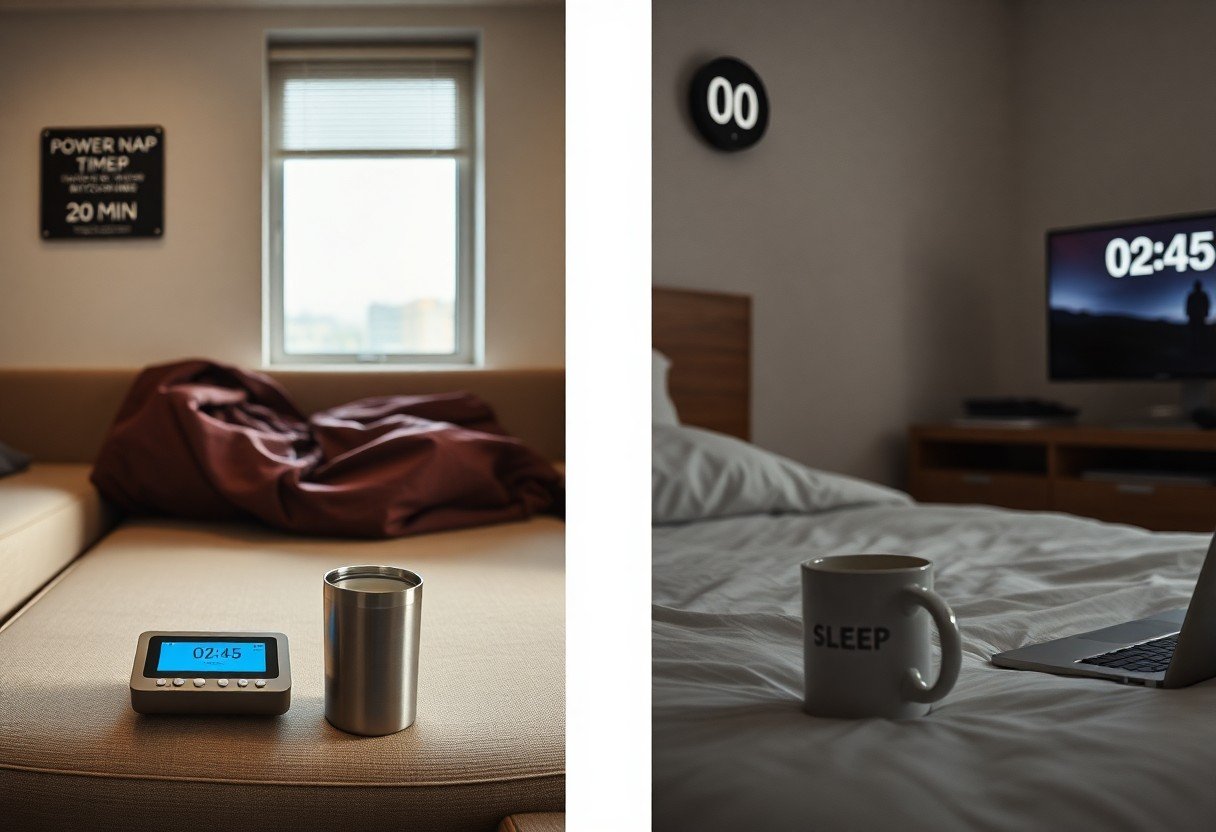
Key Takeaways:
- Short naps (10-20 minutes) quickly boost alertness and reaction time with minimal grogginess, making them ideal for afternoon slumps, drivers, and shift workers.
- Longer naps (30-90 minutes) can enhance memory consolidation and creativity but increase sleep inertia and may interfere with nighttime sleep if taken late or too often.
- Naps can temporarily offset sleep loss but are not a substitute for consistent, sufficient nighttime sleep; frequent long naps may indicate an underlying sleep disorder and warrant evaluation.
Overview of Power Naps
Definition and Purpose
You’ll use short naps-typically 10-20 minutes-to boost alertness, speed reaction time, and enhance working memory without entering deep sleep. Longer naps of about 90 minutes can complete a full sleep cycle and aid emotional memory consolidation, but when you nap 30-60 minutes you risk sleep inertia, a groggy impairment that can last up to 30 minutes. Studies (e.g., a NASA 40‑minute nap trial) show measurable performance gains, so match nap length to your goals.
Historical Context in the US
You’ll notice US nap culture shifted sharply after industrialization and standardized work hours reduced midday rest; cultural norms favored consolidated nocturnal sleep. Operational demands later drove research-NASA studies and military fatigue programs in the 1990s-2000s provided empirical support-and the 2010s wellness movement paired that evidence with workplace design changes, as companies began installing nap spaces to boost productivity and reduce errors.
Digging deeper, you find the revival blended policy and commercial solutions: aviation and military sectors formalized controlled rest procedures to manage fatigue, while vendors like MetroNaps popularized pods for offices and hospitals. Those shifts produced protocol-driven naps-timed around circadian lows and integrated into shift schedules-that many organizations now use to cut mistakes and improve alertness during critical operations.
Benefits of Power Naps
Short, targeted naps give you a fast reset: 10-20 minutes can boost alertness, motor skills and short-term memory without deep-sleep grogginess. You’ll see performance gains in learning and reaction-time tasks, and longer naps (with tradeoffs) can deliver deeper restoration – see Do Power Naps Work? for practical guidelines.
Enhanced Cognitive Function
Ten- to twenty-minute naps sharpen attention and consolidate memory; studies show brief naps improve declarative and procedural memory and speed up problem-solving. You’ll notice faster reaction times and better accuracy on complex tasks, and a longer nap (up to ~40 minutes) can lift performance further – the NASA study found a 40‑minute nap improved performance by 34% and alertness by 54%, though that length may bring grogginess.
Improved Mood and Productivity
Short naps reduce sleepiness and elevate mood, giving you a measurable productivity boost during the afternoon slump; naps of 10-30 minutes commonly decrease fatigue and increase task focus for the next 1-3 hours, helping you handle meetings, creative work and error-prone chores with fewer mistakes.
Time naps during the post-lunch dip (roughly 1-3pm) to align with your circadian trough and avoid disrupting nighttime sleep. Set an alarm at 20 minutes to prevent entering slow-wave sleep-if you hit deep sleep you risk sleep inertia that can impair performance for up to 30 minutes. For night-shift or severely sleep-deprived workers, strategic naps up to 40 minutes can still help, but monitor your nighttime sleep and adjust nap timing and length accordingly.

Optimal Duration and Timing
Aim to match nap length and timing to your sleep goals: use a 10-20 minute snooze for a quick alertness boost, a ~90 minute nap when you need memory consolidation or creative problem solving, and avoid naps that land you in slow-wave sleep if you must be immediately sharp. Align naps with your mid-afternoon circadian dip and keep them early enough so they don’t push your nighttime sleep later, which can produce persistent daytime fatigue.
Ideal Nap Length
You’ll get the sharpest immediate benefit from a 10-20 minute power nap-NASA’s 26-minute study showed performance rose ~34% and alertness ~54%. If you need deeper cognitive gains, a ~90 minute nap completes a full sleep cycle for memory consolidation. By contrast, 30-60 minute naps often lead to grogginess because you can awaken from slow-wave sleep, so plan duration to match the trade-off you’re willing to accept.
Best Times to Nap
Schedule naps during the post‑lunch circadian trough-commonly between 1-3pm-when your sleep propensity naturally rises; that timing minimizes interference with nocturnal sleep. Shift workers should adapt timing to their sleep/wake schedule, and you should avoid napping within 6 hours of your bedtime or after about 4pm if you have a typical evening sleep, since late naps increase the risk of insomnia and fragmented night sleep.
For a 9-5 schedule, try a 10-20 minute nap around 12:30-2pm; if you wake very early, shift the nap earlier. Night-shift workers often benefit from a 20-40 minute nap before the shift or a longer nap during the circadian low (around 3-5am) to reduce lapses. Use these windows as rules of thumb and adjust based on how your nighttime sleep responds.
Potential Drawbacks of Power Naps
You’ll gain benefits from short naps, but note clear downsides: naps that are too long or too late can cause persistent grogginess, reduce nocturnal sleep quality, and impair tasks like driving. Napping beyond about 30-60 minutes increases the chance of entering slow-wave sleep, which often leads to longer recovery times and can shift your sleep schedule, especially if you nap after mid-afternoon.
Sleep Inertia
You can wake feeling disoriented and slower for 10-30 minutes or more after ending a nap that reached deep sleep. During that window your reaction time, decision-making, and memory retrieval are impaired; avoid safety-critical tasks immediately after napping. Short, 10-20 minute naps minimize this effect, while naps over 30 minutes substantially raise the likelihood of prolonged sleep inertia.
Negative Impact on Nighttime Sleep
You may find it harder to fall asleep or stay asleep at night if you nap late or for long periods; studies and sleep clinicians commonly advise avoiding naps after about 3:00 PM and keeping naps short to preserve sleep efficiency. Habitual long napping is linked to increased nocturnal awakenings and longer sleep onset latency in people prone to insomnia.
If you struggle with bedtime, test cutting naps for 1-2 weeks or restrict them to 10-20 minutes before 3 PM to see if sleep onset and continuity improve. Older adults and shift workers respond differently-older adults often nap more but report more fragmented night sleep-so monitor your sleep diary and adjust nap timing or length based on your nightly sleep metrics.
Power Naps in Different Demographics
College Students
When you’re studying late, a short nap can be a strategic reset: a 26-minute nap (NASA study) boosted performance by about 34% and alertness by 54%, making it ideal before exams or labs. Use naps of 20-30 minutes to consolidate memory and combat the post-lunch slump, and avoid sleeping past 60 minutes if you need to preserve your nighttime sleep-long naps can fragment your sleep schedule and reduce sleep efficiency.
Professionals
At work, scheduling a 10-30 minute nap during your lunch break can sharpen attention, speed decision-making, and lower fatigue-related errors; companies like Google and Zappos formalize this with nap pods and quiet rooms. Aim for a brief nap to prevent strong sleep inertia, and be cautious about napping late in the day since it can delay your sleep onset and cut into restorative night sleep.
Target your nap to the post-lunch circadian dip (roughly 1-3 PM): 10-20 minutes gives a quick alertness boost, while a full 90-minute nap completes a sleep cycle if you have the time. For shift workers and safety-sensitive roles, short, planned naps reduce microsleeps and incident risk, but always pair naps with workplace policies-unmanaged naps can increase risks from sleep inertia or disrupted nocturnal sleep if taken after 4 PM.
Cultural Perspectives on Napping
Across regions, social rules shape when you nap and how it’s judged: about one-third of Americans nap occasionally, while countries like Spain and Italy historically fold midday rest into daily life. In workplaces and schools the U.S. tends to favor continuous schedules, so your ability to nap often depends on employer policy and local norms rather than tradition, which changes how and when naps help or harm your nighttime sleep and daytime performance.
Comparison with Global Practices
You’ll see striking differences: Spain’s siesta and Italy’s riposo once allowed longer midday breaks, Japan’s inemuri accepts short public dozing as a sign of dedication, and China and parts of Latin America maintain institutional midday rest; modern urban work schedules have shortened or eliminated many traditional naps.
Global Napping Snapshot
| Region/Country | Typical Practice / Note |
| Spain | Historically long siestas; now shortened due to urban work hours |
| Japan | Inemuri: brief public naps tolerated as social dedication |
| China | Midday rest often institutionalized in schools and offices |
| U.S. | Mixed: about one-third nap; workplace naps vary by employer |
Attitudes Towards Napping in the Workplace
Many U.S. employers still view napping skeptically, though tech firms like Google and Zappos offer nap pods and trials show benefits: a NASA study found brief naps improved performance and alertness significantly. If you work in safety-sensitive roles, your employer often bans naps on shift; otherwise policies range from formal nap rooms to informal allowances, so your ability to nap depends on company culture and documented guidelines.
When you pursue workplace napping, follow evidence-based limits: 10-20 minute power naps reliably boost alertness without heavy grogginess, while naps over ~30-60 minutes risk sleep inertia and can disrupt nighttime sleep. Employers piloting nap programs pair scheduled breaks with quiet spaces and monitor productivity; in transportation or healthcare, strict protocols and post-nap assessments are used to manage safety risks.
Summing up
Considering all points, you should rely on short 10 to 30 minute naps early in the afternoon to boost alertness and performance; avoid long or late naps that trigger grogginess and interfere with nighttime sleep, and adjust nap length, timing, and environment to your sleep debt and daily demands so naps help rather than hurt.
FAQ
Q: What is a power nap and how long should it be?
A: A power nap is a short sleep episode intended to quickly restore alertness and cognitive performance. The most effective length for immediate wakefulness and reduced sleepiness is 10-20 minutes; this avoids deep slow-wave sleep and minimizes sleep inertia. For memory consolidation or greater recovery after extended wakefulness, a full sleep cycle of about 90 minutes can be beneficial, but naps between 30-60 minutes often produce grogginess on waking and can disrupt nighttime sleep.
Q: When do power naps help?
A: Power naps help when you are acutely sleep-deprived, need a short boost in alertness or reaction time, or want to consolidate recently learned material. They are especially useful before safety-sensitive tasks (driving, machinery operation) and for shift workers who must manage irregular schedules. Short naps in the early afternoon often align with the circadian dip and can improve mood, attention, and short-term memory without seriously affecting night sleep if kept brief.
Q: When do power naps hurt?
A: Napping hurts when it is long, late in the day, or used chronically to mask insufficient nighttime sleep. Long naps (over 30-60 minutes) can cause pronounced sleep inertia-confusion and impaired performance after waking-and can make falling asleep at night more difficult, worsening insomnia. People with untreated sleep disorders such as obstructive sleep apnea, or with fragmented nocturnal sleep, may find naps worsen overall sleep quality and daytime sleepiness.
Q: How can I take an effective power nap at work or while traveling in the US?
A: Schedule naps in the early afternoon (typically 1-3 PM), limit them to 10-20 minutes for a quick alertness boost, set an alarm, and nap in a dark, cool, quiet place or use eye masks and earplugs. A “caffeine nap” (consume ~100 mg caffeine immediately before a 15-20 minute nap) can enhance alertness on waking. If your workplace has formal nap spaces or rest policies, follow those guidelines; otherwise choose safe locations and avoid napping in contexts where sleepiness could become a safety hazard.
Q: Who should avoid napping or consult a healthcare provider about napping?
A: Consult a healthcare provider if you have persistent daytime sleepiness despite napping, frequent long naps, difficulty sleeping at night, or diagnosed sleep disorders (sleep apnea, narcolepsy, insomnia). Older adults who experience excessive daytime napping or people with mood disorders should also seek medical advice, since excessive or poorly timed naps can signal or exacerbate underlying health problems. A clinician can assess sleep hygiene, screen for disorders, and recommend tailored strategies.