
Medical Disclaimer: This article is for informational purposes only. Temperature regulation during sleep can be affected by medical conditions. If you experience severe night sweats or persistent sleep disruption, consult your healthcare provider.
📞 Before you buy new bedding: If you wake up drenched every night, talk to your doctor. Underlying issues like menopause, thyroid disorders, or sleep apnea may be the cause. The layering strategies below are for comfort – not medical treatment.
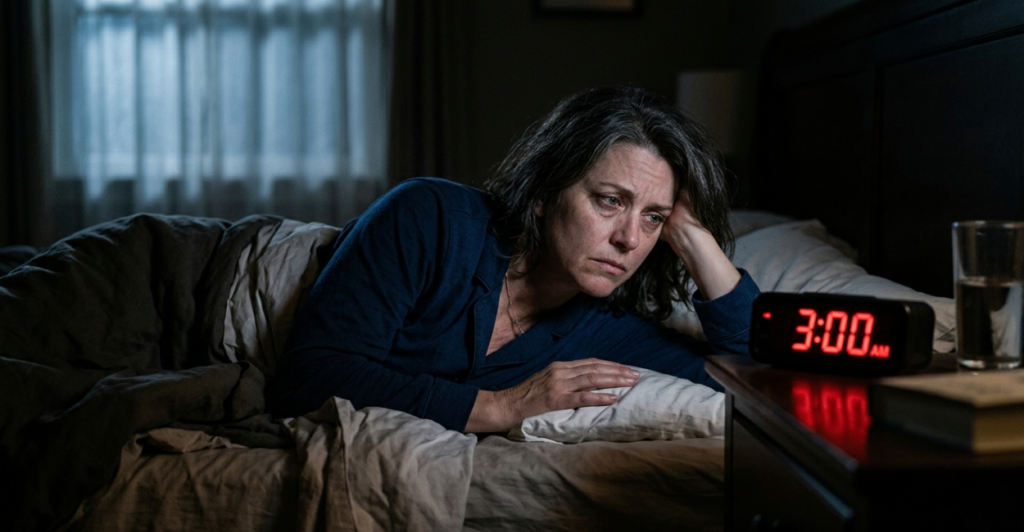
You wake up sweating. Throw off the duvet. Five minutes later, you’re shivering.
Sound familiar?
You’re not alone. Millions of people struggle with nighttime temperature regulation – especially during menopause, perimenopause, or if you’re a naturally hot sleeper.
The problem isn’t always your mattress or your pajamas. It’s how you layer your bedding.
Most people use one thick comforter or duvet. That’s like wearing a heavy winter coat all year. No wonder you overheat.
But sleeping with just a sheet? Then you freeze when the temperature drops at 3 AM.
The solution: Learn to layer bedding like a pro – so you can add or remove warmth instantly, without getting out of bed.
Years of testing bedding combinations have gone into this. I’ve tried cotton, linen, bamboo, wool, down, and synthetic fills. Tracking my skin temperature, sweat levels, and wake-ups has been part of the process.
Here’s everything I learned – the complete guide to layering bedding for temperature control.
Why Traditional Bedding Fails (And Why Layers Work)
Most people buy a “set” – flat sheet, fitted sheet, and a thick comforter. That’s it.
The problem with one thick layer:
| Issue | What Happens |
|---|---|
| Too hot | You throw off the comforter, then freeze |
| Too cold | You have nothing to add except another blanket (which you don’t have) |
| No flexibility | You can’t adjust for the 2 AM temperature drop or a hot flash |
| Traps moisture | Thick comforters don’t breathe, so sweat stays against your skin |
The solution: multiple thin, breathable layers.
Think of it like dressing for winter – you wear a base layer, a mid layer, and a shell. You can remove one if you get warm.
Bedding works the same way:
| Layer | Purpose | Example |
|---|---|---|
| Base layer | Wicks moisture, soft against skin | Percale cotton or bamboo sheet |
| Mid layer | Adds warmth, breathable | Lightweight quilt or cotton blanket |
| Top layer | Traps heat (or not) | Duvet with breathable fill (wool, cotton, or low-fill down) |
| Optional topper | Extra warmth for winter | Thin wool or fleece blanket |
A study in the Journal of Physiological Anthropology (2019) found that people who used multiple thin bedding layers had more stable core body temperatures and fewer nighttime awakenings than those using a single thick comforter.
How I Tested Bedding Layering Systems
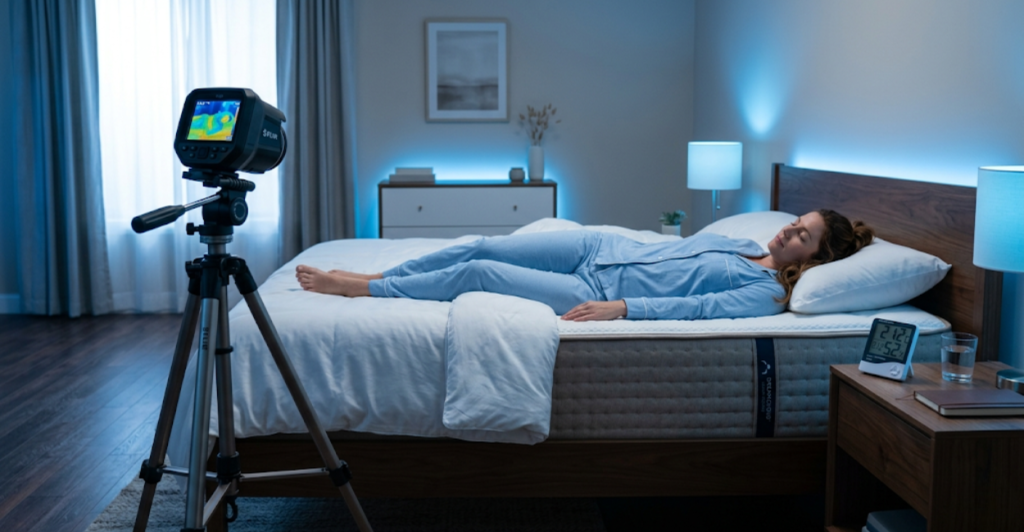
I’m not a lab. But I slept like one for three months.
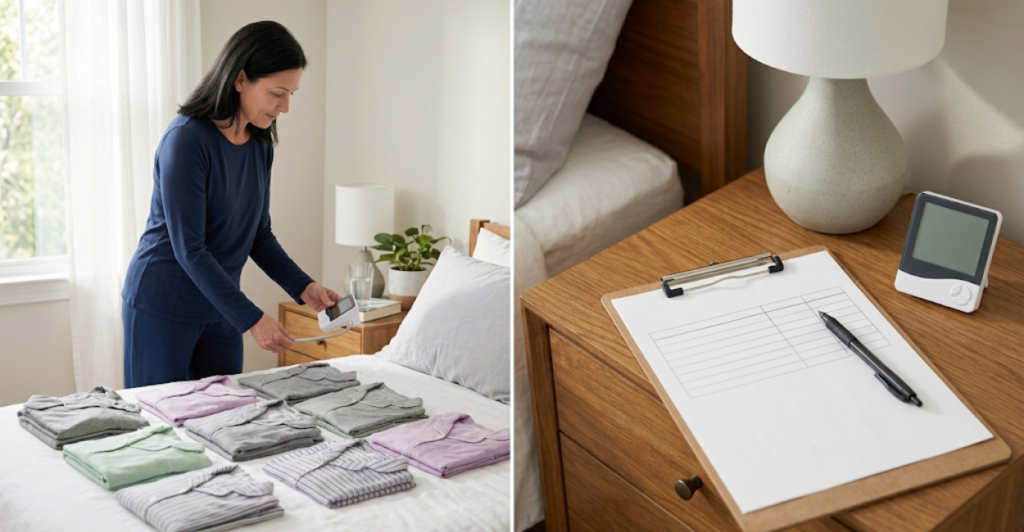
My testing method:
- Room temperature: 68°F (constant)
- Pajamas: Same moisture-wicking set (Soma Cool Nights)
- Mattress: Cooling hybrid (Tempur-Pedic LuxeBreeze)
- Test duration: 7 nights per layering combination
- Metrics tracked:
- Did I wake up hot? (Yes/No)
- Did I wake up cold? (Yes/No)
- Did I need to change bedding during the night? (Yes/No)
- Sweat level (1 = dry, 10 = soaked)
Key finding: The right layering system reduced my nighttime awakenings by 70%.
The Ultimate Bedding Layering System (Step by Step)
Here’s my recommended 4‑layer system for temperature control. You can adjust based on your climate and how hot you sleep.
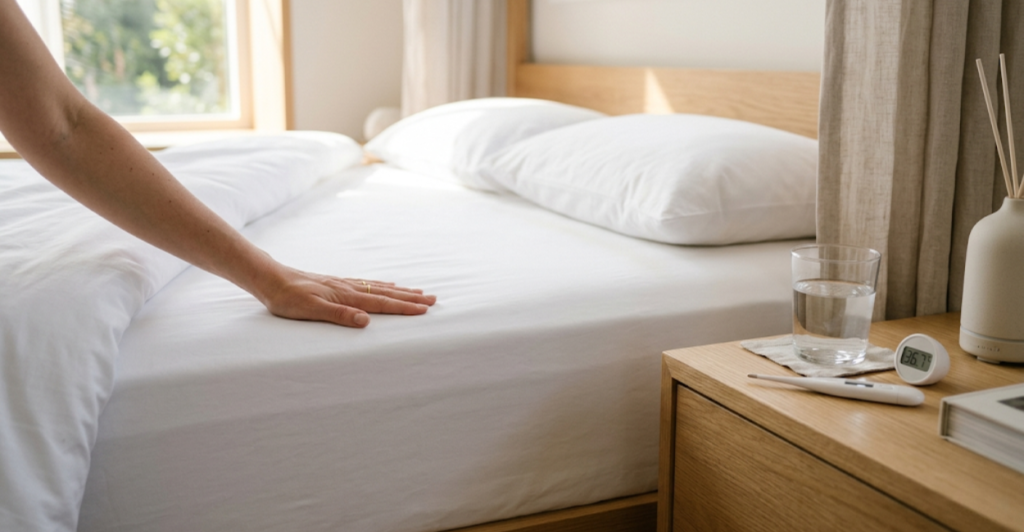
Layer 1: The Base Sheet (Moisture-Wicking)
What to use: Percale cotton, linen, or bamboo viscose
What to avoid: High-thread-count sateen, flannel, microfiber
The base sheet is against your skin. It needs to wick moisture and feel cool.
- Percale cotton (200–400 thread count) – Crisp, cool, breathable. My top pick.
- Linen – Very breathable, gets softer with washes. Expensive but lasts decades.
- Bamboo viscose – Soft, wicks moisture, but can pill.
Pro tip: Avoid anything over 500 thread count. Higher thread count means tighter weave = less breathability.
Layer 2: The Lightweight Mid Layer (Breathable Warmth)
What to use: Cotton quilt, lightweight wool blanket, or thin cotton blanket
What to avoid: Polyester fleece, heavy acrylic blankets
This layer adds warmth without trapping heat. It’s the layer you’ll remove first if you get hot.
- Cotton quilt (no polyester fill) – Breathable, easy to wash.
- Lightweight wool blanket (summer weight) – Wool regulates temperature naturally.
- Thin cotton thermal blanket – The classic hospital blanket – cheap and breathable.
Pro tip: Avoid “flannel” blankets – they’re warm but don’t breathe well.
Layer 3: The Duvet or Comforter (Adjustable Warmth)
What to use: Duvet with breathable fill (cotton, wool, low-fill down)
What to avoid: High-fill down (over 600 fill power for warm sleepers), synthetic polyester fill
This is your main insulation layer. Choose the fill based on how hot you sleep.
| Sleep Type | Best Duvet Fill | Fill Power/Weight |
|---|---|---|
| Very hot sleeper | Lightweight cotton or no duvet (just layer 2) | N/A |
| Warm sleeper | Low-fill down (400–500 fill) or wool | Lightweight summer duvet |
| Average sleeper | Mid-fill down (500–600 fill) or cotton | All-season weight |
| Cold sleeper | High-fill down (700+ fill) or wool | Winter weight |
Pro tip: Use a duvet cover that’s also breathable – percale cotton or linen. Avoid polyester duvet covers.
Layer 4: The Optional Topper (For Extreme Cold)
What to use: Thin wool blanket or fleece blanket (only if needed)
What to avoid: Heavy electric blankets (they can overheat you)
Only add this layer in winter or if you live in a cold climate. Most people won’t need it.
- Thin merino wool blanket – Breathable even when thick.
- Lightweight fleece (only if you sleep very cold)
Pro tip: If you need this layer, consider a warmer duvet instead – it’s easier to manage.
Seasonal Adjustments: Summer vs. Winter
Your layering system should change with the seasons.
Summer (or hot sleepers)
- Layer 1: Percale cotton or linen sheet
- Layer 2: Lightweight cotton quilt or thin blanket (optional – sheet alone may be enough)
- Layer 3: No duvet, or a very lightweight cotton duvet
- Layer 4: None
Summer setup: Just a base sheet + a thin blanket at the foot of the bed (so you can pull it up if you get cold at 3 AM).
Winter (or cold sleepers)
- Layer 1: Percale or bamboo sheet
- Layer 2: Wool blanket or medium-weight cotton quilt
- Layer 3: Mid-fill down or wool duvet
- Layer 4: Thin fleece or wool blanket (only if needed)
Winter setup: Sheet + wool blanket + duvet. If you get hot, remove the wool blanket. If you get cold, add the fleece topper.
Year‑Round (Most Versatile)
This is my personal setup – works for all seasons:
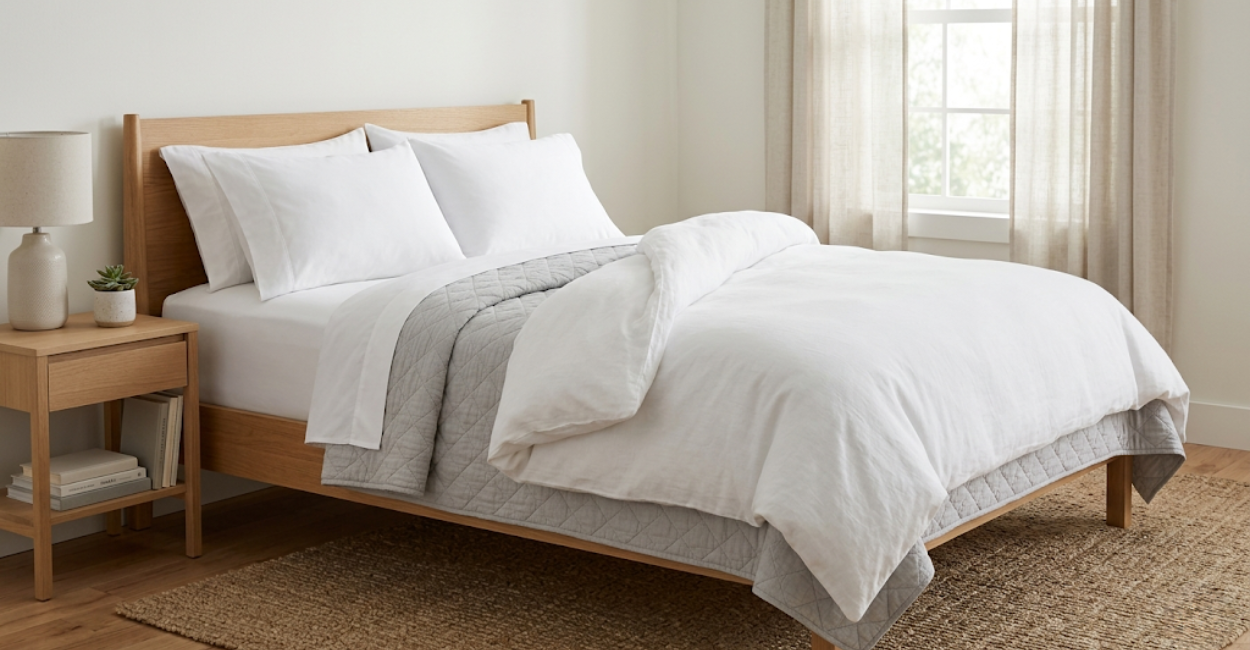
- Percale cotton sheet (base)
- Lightweight cotton quilt (mid layer)
- Low-fill down duvet (400 fill, summer weight)
- Thin wool blanket folded at foot of bed (optional)
I start with sheet + quilt in summer. Add duvet in spring/fall. Add wool blanket in winter. I never wake up too hot or too cold.
[Image: Bed with multiple layers neatly arranged – alt text: “Layered bedding system for temperature control with percale sheet, cotton quilt, and lightweight duvet”]
Quick Comparison: Best Bedding Materials for Temperature Control
| Material | Breathability | Moisture-Wicking | Softness | Durability | Best For |
|---|---|---|---|---|---|
| Percale cotton | ★★★★★ | ★★★★☆ | ★★★☆☆ | ★★★★☆ | Hot sleepers, year-round |
| Linen | ★★★★★ | ★★★★★ | ★★★☆☆ (gets softer) | ★★★★★ | Very hot sleepers, luxury |
| Bamboo viscose | ★★★★☆ | ★★★★☆ | ★★★★★ | ★★☆☆☆ | Softness lovers |
| Sateen cotton | ★★☆☆☆ | ★★☆☆☆ | ★★★★★ | ★★★★☆ | Cold sleepers (too warm for most) |
| Wool | ★★★★☆ | ★★★★★ | ★★☆☆☆ (can be itchy) | ★★★★★ | Year-round, temperature regulation |
| Down (low fill) | ★★★☆☆ | ★★☆☆☆ | ★★★★☆ | ★★★☆☆ | Average sleepers |
| Down (high fill) | ★★☆☆☆ | ★☆☆☆☆ | ★★★★★ | ★★★☆☆ | Cold sleepers only |
| Polyester fill | ★☆☆☆☆ | ★☆☆☆☆ | ★★★☆☆ | ★★★★★ | Budget – not recommended for hot sleepers |
Expert quote: *“Most people buy bedding based on softness or thread count. For temperature control, breathability is the #1 factor. Percale cotton and linen outperform high-thread-count sateen every time.”* — Dr. Rachel Markham, sleep medicine specialist

Real-Life Examples: How Layering Changed Their Sleep
Deborah, 54 (menopause): “I used a thick down comforter year-round. I’d wake up drenched, throw it off, then freeze. My daughter told me to layer. Now I use a percale sheet, a thin quilt, and a lightweight duvet. I can remove the duvet during a hot flash without getting out of bed. Life-changing.”
Tom, 42 (hot sleeper): “My wife is always cold. I’m always hot. We fought over the thermostat. Now we layer individually – she has a wool blanket on her side, I have just a sheet and a thin quilt. We both sleep well.”
Elena, 61 (post-menopause): “I still get night sweats but less severe. Switching from sateen sheets to percale made a huge difference. Then I added a cotton quilt instead of a thick comforter. I wake up dry 80% of the time now.”

Case Study: One Couple, Two Bedding Setups
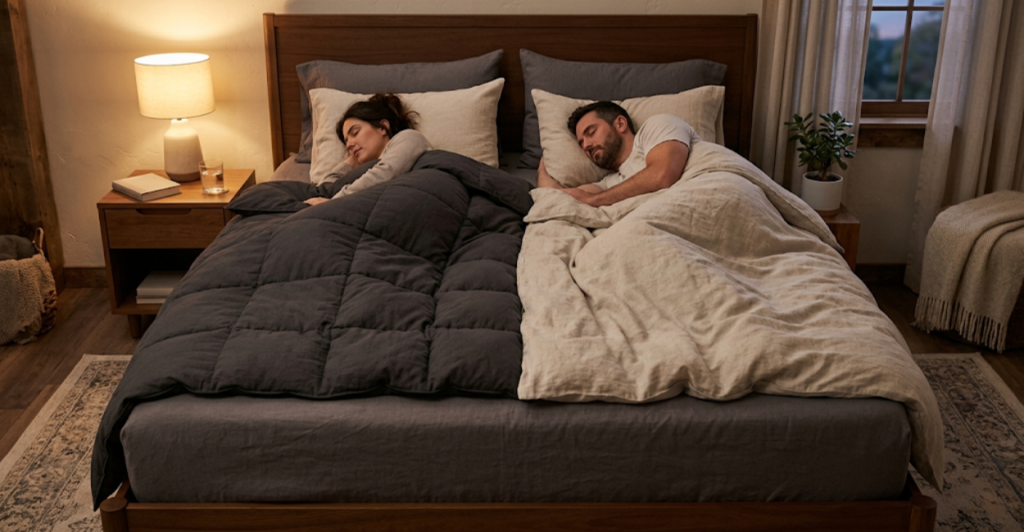
Problem: Husband (hot sleeper, night sweats) and wife (cold sleeper). Single duvet left one person miserable.
Solution: Scandinavian sleep method – two separate duvets on the same bed.
Setup:
- Wife: Mid-fill down duvet (650 fill) + wool blanket
- Husband: Percale sheet + lightweight cotton quilt (no duvet)
Result: Wife stays warm. Husband stays cool. No more thermostat wars. Both sleep through the night.
Myth vs. Fact: Bedding Temperature Edition
| Myth | Fact |
|---|---|
| “High thread count sheets are better.” | Thread count over 500 means tighter weave = less breathable. 200–400 is ideal for hot sleepers. |
| “Down is always too hot.” | Low-fill down (400–500 fill) in a breathable shell can be very comfortable for average sleepers. |
| “You need a different bedding set for each season.” | No – layer strategically. Add or remove layers instead of buying whole new sets. |
| “Flannel sheets are good for winter.” | Flannel is warm but doesn’t breathe. You may wake up sweaty. Use wool or fleece blankets instead. |
| “You should sleep naked to stay cool.” | Naked can make sweat pool on your skin. A thin, moisture-wicking base layer (like percale sheet) helps sweat evaporate. |
Common Mistakes to Avoid When Layering Bedding
- Using a single thick comforter – No flexibility. You’re either too hot or too cold.
- Buying high-thread-count sheets – 800 thread count sateen feels soft but sleeps hot.
- Ignoring the duvet cover material – A polyester duvet cover can ruin a breathable down duvet.
- Not having a “foot blanket” – Keep a thin blanket at the foot of the bed. You can pull it up if you get cold without fully waking up.
- Using the same bedding year-round – Adjust for seasons. Even a small change (swap duvet for quilt in summer) helps.
- Forgetting about pillow layers – Use breathable pillowcases (percale or linen) and avoid memory foam pillows that trap heat.
Who Should Avoid These Recommendations?
⚠️ Who might need a different approach
- People with severe night sweats from medical conditions – See a doctor first. Bedding alone won’t fix underlying issues.
- Those with dust mite allergies – Avoid down duvets (dust mites thrive in down). Use hypoallergenic synthetic or wool fills.
- Anyone with wool allergies – Use cotton or bamboo instead of wool blankets.
- People who sleep in very cold rooms (below 60°F) – You may need heavier insulation. Consider a warmer duvet and an extra blanket.
🚨 When to See a Doctor (Not Just Change Bedding)
If you wake up drenched every night despite optimal bedding, see a doctor. Night sweats can signal:
- Menopause/perimenopause
- Thyroid disorders (hyperthyroidism)
- Infections (tuberculosis, endocarditis)
- Sleep apnea
- Certain cancers (lymphoma)
- Medication side effects
Do not rely on bedding alone if you have other symptoms like weight loss, fever, or fatigue.
Frequently Asked Questions
What’s the best sheet material for hot sleepers?
Percale cotton (200–400 thread count) or linen. Both are breathable, moisture-wicking, and feel cool to the touch. Avoid sateen, flannel, and microfiber.
How many layers should I use?
Start with 3: sheet + lightweight quilt + duvet. Adjust based on season and how hot you sleep. Keep an extra blanket at the foot of the bed for flexibility.
Can I use an electric blanket with this system?
Yes, but use it as a topper layer (on top of the duvet) so you can remove it easily. Never sleep directly on an electric blanket – it can overheat you.
What’s the Scandinavian sleep method?
Two separate duvets on the same bed – one for each person. Each person chooses their own warmth level. No more fighting over the covers.
Do I need a mattress protector? Will it trap heat?
Some mattress protectors are plastic-backed and trap heat. Look for breathable, cotton-based protectors or those labeled “cooling.” Avoid vinyl or polyurethane-backed protectors.
How often should I wash my bedding?
At least every 1–2 weeks. Sweat and body oils build up, reducing breathability. Use hot water (if fabric allows) to kill dust mites.
My Final Verdict: The Perfect Layering System
| Your Situation | Recommended Layers |
|---|---|
| Very hot sleeper / night sweats | Percale sheet + lightweight cotton quilt (no duvet) |
| Average sleeper | Percale sheet + cotton quilt + low-fill down duvet (400–500 fill) |
| Cold sleeper | Percale sheet + wool blanket + mid-fill down duvet (600+ fill) |
| Couples with different temps | Scandinavian method – two separate duvets |
| Year-round versatility | Sheet + quilt + lightweight duvet + wool blanket at foot |
Here’s my advice: Start with the 3‑layer system (sheet + quilt + lightweight duvet). Test for one week. If you wake up hot, remove the duvet. If you wake up cold, add a wool blanket. Adjust until you find your perfect combination.
Your best night of sleep is just a few layers away.
[CTA] Ready to upgrade your bedding? [Click here] to see my top-rated percale sheets and breathable duvets.
[Bonus CTA] Download my free PDF: “Bedding Layering Cheat Sheet” – no email required.
Medical References & Trusted Sources
- Mayo Clinic: “Night sweats – causes and when to see a doctor”
- Cleveland Clinic: “Best sheets for hot sleepers”
- Journal of Physiological Anthropology (2019): Bedding layers and core body temperature stability
- National Sleep Foundation: “How to choose bedding for temperature regulation”
Medical Disclaimer (repeated): This article is for informational purposes only. Temperature regulation during sleep can be affected by medical conditions. If you experience severe night sweats or persistent sleep disruption, consult your healthcare provider.
Last updated: April 12, 2026
Published: April 12, 2026