There’s debate about 1000mg daily of vitamin C and whether it’s excessive; you should know benefits like immune support but also the increased risk of kidney stones and gastrointestinal upset, so consult your clinician if you have a predisposition.
The 1000mg Dosage: Absorption and Bioavailability
Your gut absorbs vitamin C via active transport that saturates at high doses, so a 1000mg oral dose yields a much lower fractional uptake and greater urinary loss; see Can You Overdose On Vitamin C? for more on toxicity and kidney stone concerns.
The Ceiling Effect: How the Body Regulates High-Dose Absorption
Intake above a few hundred milligrams overwhelms intestinal transporters, so excess vitamin C is poorly absorbed and quickly excreted, limiting added benefit.
Comparative Bioavailability: 100mg vs. 1000mg Efficiency
At 100mg you absorb a high fraction of the dose, while at 1000mg absorption efficiency drops markedly and urinary excretion increases, producing diminishing returns.
Data from pharmacokinetic studies show that lower oral doses give higher proportional uptake, whereas very high doses raise plasma briefly but cause increased renal loss and potential oxalate formation; practical differences appear in the table below.
Comparative Bioavailability Details
| Dose | Bioavailability / Practical effect |
|---|---|
| 100 mg | High fractional absorption (~70-90%), steady plasma levels, minimal urinary loss; you get efficient tissue uptake. |
| 1000 mg | Lower fractional absorption (<50%), transient higher plasma peak, much greater urinary excretion and increased oxalate/kidney stone risk in susceptible individuals. |
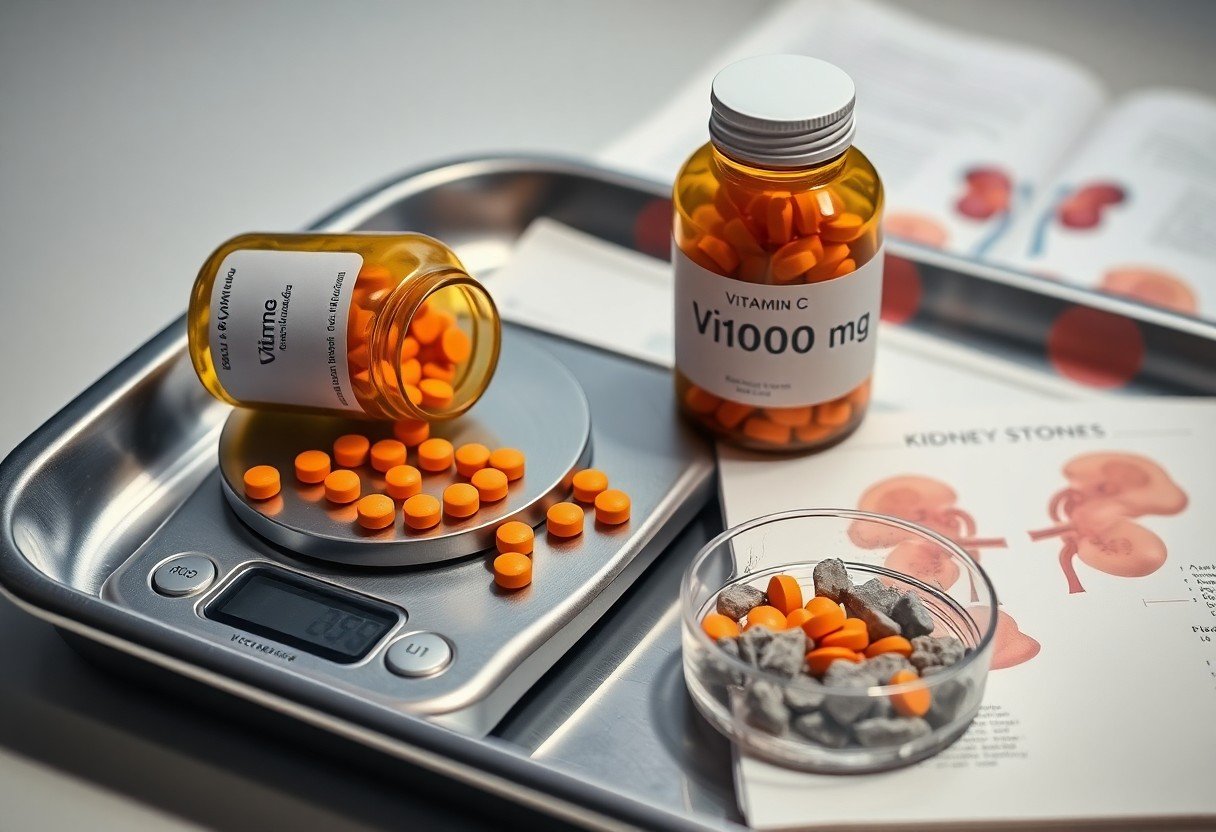
The Science of Vitamin C Overdose
Biochemistry shows that when you take high doses of vitamin C, excess ascorbate is metabolized to oxalate, raising urinary oxalate and the risk of calcium oxalate kidney stones in susceptible people; your intestines and kidneys limit absorption, so much of very large doses is excreted or causes local effects.
Identifying Symptoms of Acute Toxicity and Gastrointestinal Distress
If you ingest too much, common signs include diarrhea, nausea, abdominal cramping, and bloating; severe or persistent symptoms like bloody stool or repeated vomiting warrant medical evaluation.
Osmotic Effects and the Impact on Digestive Health
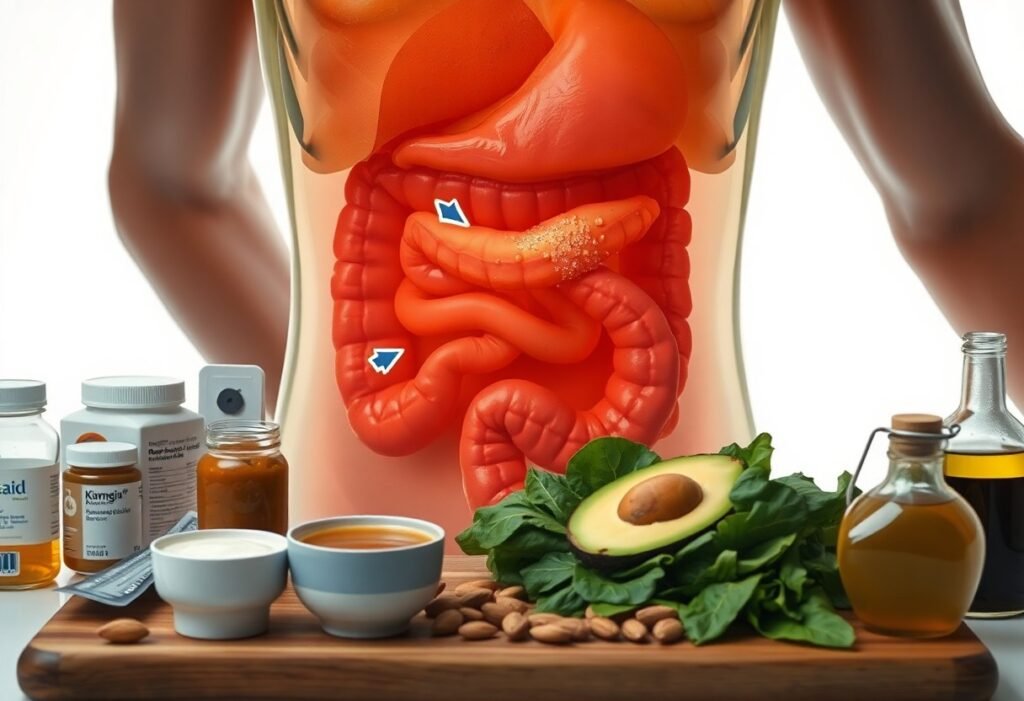
Excess vitamin C in your intestine draws water into the bowel, causing osmotic diarrhea and loose stools that usually stop after you lower the dose or discontinue supplementation.
Repeated large oral doses leave unabsorbed ascorbate in the gut, creating an osmotic load that accelerates transit and can alter nutrient absorption; you may lose fluids and salts, increasing risk of dehydration and electrolyte imbalance, particularly if you have impaired renal function-reducing intake typically resolves symptoms, and the adult upper limit is about 2000 mg/day, so 1000 mg is often tolerated but can trouble sensitive individuals.
The Link Between Vitamin C and Kidney Stones
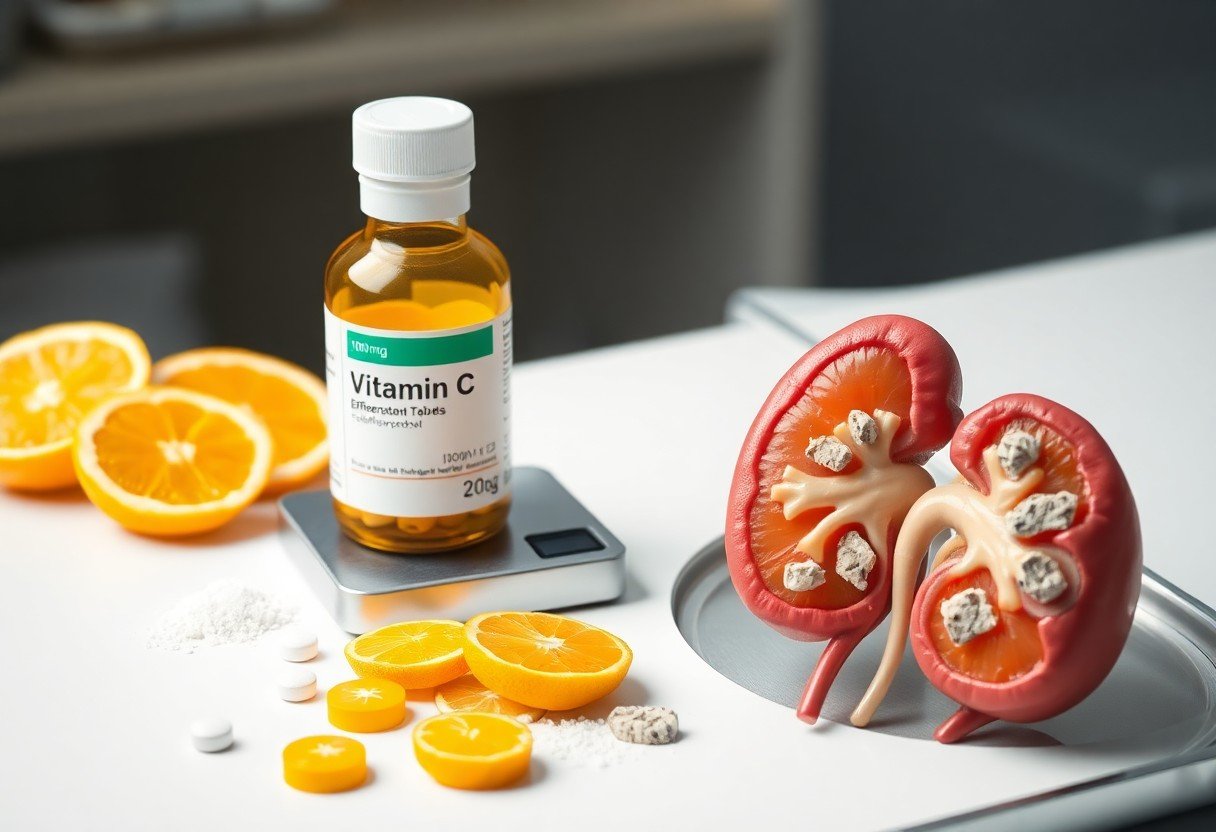
You likely noticed dose discussions earlier; high supplemental vitamin C increases urinary oxalate, raising the chance of calcium oxalate stone formation, especially when combined with low urine volume, dehydration, or preexisting kidney issues.
Oxalate Metabolism: How Excess Vitamin C Converts to Waste
Excess vitamin C is metabolized to oxalate and excreted in urine, so you can develop increased urinary oxalate that promotes crystal formation unless fluid intake dilutes it.
Clinical Evidence Regarding Calcium Oxalate Stone Formation
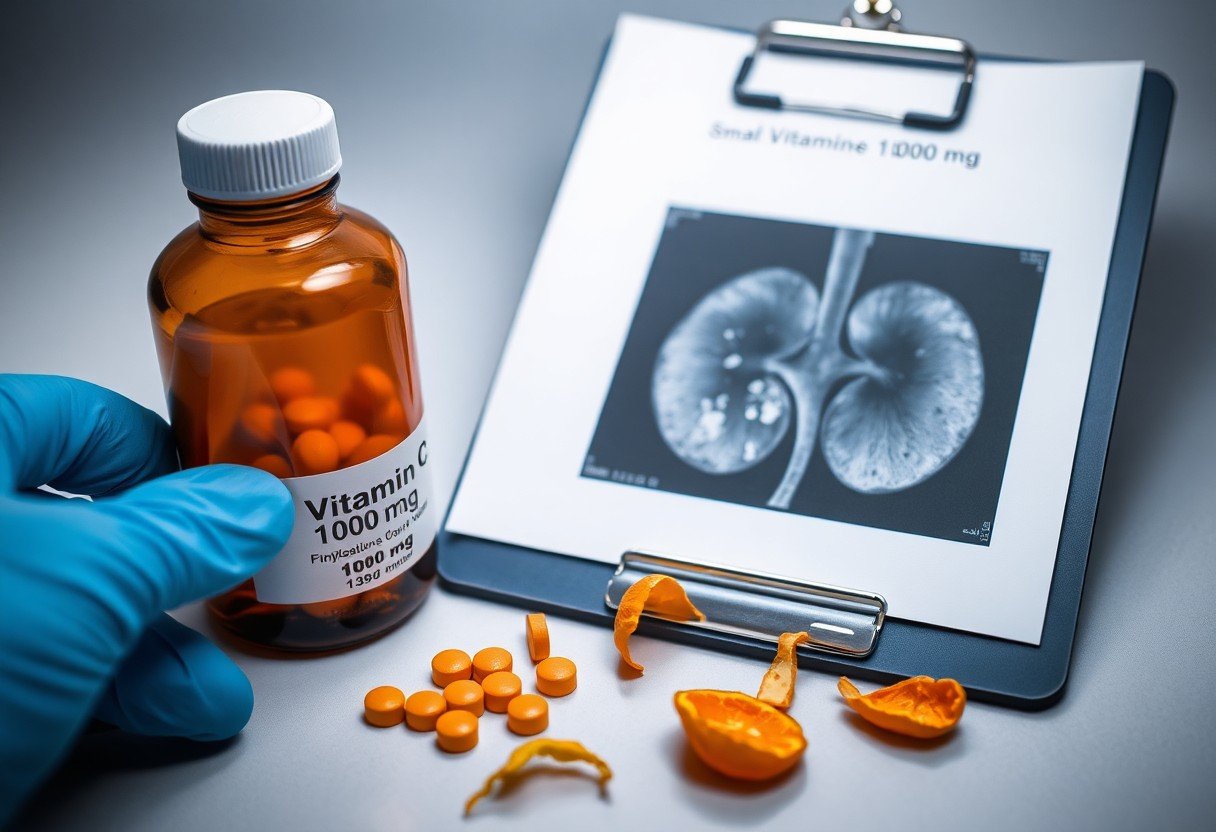
Studies link high-dose supplements, particularly doses around or above 1000 mg/day, to higher urinary oxalate and increased reports of calcium oxalate stones, though results vary across populations.
Observational cohorts found stronger associations in men and long-term supplement users; you should consider the limited randomized data, potential confounders like diet and hydration, and that supplemental vitamin C tends to elevate stone risk more than dietary sources.
Identifying High-Risk Groups and Genetic Predispositions
People with prior kidney stones, chronic kidney disease, bowel disorders, or low urine volume face greater risk, so you should avoid high supplemental doses and monitor symptoms closely.
Genetic conditions such as primary hyperoxaluria or polymorphisms affecting oxalate transport, plus enteric hyperoxaluria after bariatric surgery or inflammatory bowel disease, markedly increase susceptibility; if you have these factors, measure urine oxalate and discuss safer alternatives with your clinician.
Potential Interactions and Secondary Health Concerns
Interactions of high-dose vitamin C with drugs and conditions can alter medication effects and diagnostic tests, so you should monitor kidney stone risk and lab accuracy when taking 1000mg or more.
Impact on Iron Absorption and Risks for Hemochromatosis Patients
You will absorb more non-heme iron when taking high-dose vitamin C, which can worsen iron overload; if you have hemochromatosis, consult your clinician before 1000mg daily.
Interference with Medical Laboratory Tests and Diagnostic Accuracy
High vitamin C intake can cause false negatives or positives on glucose meters, stool occult blood tests, and certain enzyme assays, potentially misleading your diagnosis or treatment decisions.
Clinical lab interference happens because ascorbic acid reacts with assay reagents, producing false results that may mask bleeding, skew glucose monitoring, or alter hormone and drug levels; you should always inform laboratory staff about supplements and consider pausing high doses before critical tests to preserve diagnostic accuracy.
The Phenomenon of Rebound Scurvy After Sudden Cessation
After abrupt cessation of very high vitamin C, you might develop symptoms like fatigue, gum bleeding, or bruising as tissue stores fall, so sudden stops can unmask clinical deficiency in some cases.
Stopping very large doses quickly can leave you with depleted tissue levels and rare but real scurvy-like signs-gingival bleeding, poor wound healing, joint pain, and anemia-especially if your dietary vitamin C is low; if those symptoms appear, contact your healthcare provider for assessment and gradual repletion strategies.
Optimizing Intake: Safety Guidelines and Best Practices
Whole Food Sources vs. Synthetic Ascorbic Acid Supplements
You should favor whole-food sources like citrus, peppers and berries for broader nutrient synergy, while using synthetic ascorbic acid to fill gaps; isolated high doses raise the risk of gastrointestinal upset and increased urinary oxalate.
Benefits of Buffered and Time-Released Delivery Systems
Buffered and time-release formulas reduce gastrointestinal upset and provide steadier plasma levels, so you often tolerate larger cumulative doses with fewer side effects when dosing across the day.
Time-release preparations modulate absorption to avoid sharp plasma peaks that trigger diarrhea and transient oxalate increases, helping you maintain consistent antioxidant coverage during stress or illness. Choose buffered options if you have sensitive digestion or mild reflux.
- time-release
- buffered vitamin C
- gastrointestinal tolerance
- steady plasma levels
Thou should consult a clinician if you have kidney disease or take interacting medications.
Tailoring Dosage to Lifestyle Factors and Individual Health Needs
Adjust your dose for factors like smoking, pregnancy, infection and reduced renal function; aim for RDAs under normal conditions, increase carefully during acute need, and avoid chronic mega-dosing if you have renal impairment or stone history.
Personalize dosing by assessing dietary intake, symptoms, and lab data-smokers and those with wounds often need more, while impaired kidneys raise oxalate risk from high doses; you can titrate upward in short trials and monitor tolerance.
- smoking
- pregnancy
- renal function
- 2,000 mg UL
Thou should arrange testing and medical guidance before sustained high-dose therapy.
Final Words
Drawing together you can usually tolerate 1,000 mg daily without harm, though gastrointestinal upset and increased oxalate excretion can raise kidney stone risk if you are predisposed. If you have kidney disease or prior calcium oxalate stones, consult your clinician about lower doses.
FAQ
Q: Is 1000 mg of vitamin C too much for an adult?
A: The tolerable upper intake level for adults is 2000 mg per day, so 1000 mg is below that threshold. Recommended dietary allowances are much lower: 90 mg/day for adult men and 75 mg/day for adult women, with smokers needing an extra 35 mg/day. Single 1000 mg doses commonly cause no long-term harm in healthy adults, but the dose exceeds what most people obtain from food and raises the chance of short-term side effects such as gastrointestinal upset and diarrhea.
Q: Can 1000 mg of vitamin C cause kidney stones?
A: High intakes of vitamin C can increase urinary oxalate because ascorbic acid metabolizes in part to oxalate. Elevated urinary oxalate may raise the risk of calcium oxalate kidney stones, especially in people who already form stones, have reduced kidney function, or are dehydrated. Observational studies have linked long-term supplemental intakes above 1000 mg/day with increased stone risk in some populations, so people with a history of calcium oxalate stones should avoid routine megadoses and consult a clinician.
Q: What symptoms suggest vitamin C overdose or complications, and when should I get medical help?
A: Short-term overdose symptoms are usually gastrointestinal: abdominal cramps, nausea, and diarrhea. Serious complications include oxalate kidney stones and, in people with kidney failure, oxalate nephropathy with reduced urine output, flank pain, or blood in the urine. People with glucose-6-phosphate dehydrogenase (G6PD) deficiency may experience hemolysis with very high doses. Seek urgent care for severe abdominal or flank pain, persistent vomiting, decreased urine, or signs of acute kidney injury.
Q: How can I reduce the risk if I take high-dose vitamin C supplements?
A: Split daily doses into smaller amounts to improve absorption and reduce GI upset, drink adequate fluids to lower urine concentration, get most vitamin C from fruits and vegetables, and avoid exceeding the 2000 mg/day upper limit. People with prior kidney stones, chronic kidney disease, G6PD deficiency, or hemochromatosis should discuss dosing with their healthcare provider before taking high supplements. Periodic monitoring of kidney function and urinary findings may be warranted for long-term high-dose users.
Q: Are there important drug interactions or laboratory effects to watch for with high-dose vitamin C?
A: Vitamin C can interfere with certain laboratory assays, causing false results for some urine glucose tests and occult blood tests. High doses can increase iron absorption and may worsen iron overload disorders such as hemochromatosis. Interactions have been reported with some medications, including effects on anticoagulant monitoring and potential influence on chemotherapy agents; patients on prescription medications should check with their clinician before starting high-dose supplementation.