
Just prioritize rest and hydration, eat protein-rich, anti-inflammatory foods and consider supplements like vitamin D and zinc to speed recovery, while avoiding overexertion that can prolong post-viral fatigue and consult your clinician for high-dose treatments.
Critical Micronutrients for Mitochondrial Support
Mitochondria require targeted cofactors to rebuild your cellular energy after a cold or flu; focusing on specific nutrients-through supplements and nutrient-dense foods-helps you restore your cellular energy and shorten the duration of post-viral fatigue when paired with rest and gradual activity.
Coenzyme Q10 and L-Carnitine for ATP Production
CoQ10 and L-carnitine help you boost ATP production and improve mitochondrial efficiency, which can reduce fatigue and speed recovery; check with your clinician if you take blood thinners or have cardiac conditions.
The Importance of High-Dose Vitamin B-Complex
High-dose B-complex vitamins provide you with cofactors that accelerate energy metabolism and neurotransmitter synthesis, often improving brain fog and stamina during recovery.
When you choose high-dose B-complex, prioritize methylated forms like methylcobalamin and methylfolate if you have MTHFR variants; therapeutic regimens often exceed RDAs to replenish depleted stores. You should be aware that prolonged very high pyridoxine intake can cause B6 neuropathy risk, so monitor for numbness and discuss dosing with a clinician, especially if you take anticonvulsants or other interactors.
Magnesium’s Role in Muscle Recovery and Nervous System Regulation
Magnesium supports your muscle recovery, nervous system regulation, and several ATP-dependent enzymes, helping reduce cramps and improve sleep quality during convalescence.
Supplementation with forms like magnesium glycinate tends to be gentler on your gut and better for sleep, while citrate has stronger laxative effects and oxide is less bioavailable. Typical supplemental ranges fall within common therapeutic windows (often 200-400 mg elemental), but avoid high doses if you have severe renal impairment and watch for diarrhea or signs of overload; consult your healthcare provider if you have kidney disease.
Adaptogenic Herbs for Cortisol and Immune Balance
Rhodiola Rosea and Ashwagandha for Fatigue Resilience
Rhodiola and ashwagandha help you recover energy by lowering stress-driven cortisol and sharpening mental stamina; choose standardized extracts and avoid ashwagandha if you take thyroid medication or strong sedatives (possible interactions).
Astragalus and Reishi Mushroom for Long-Term Immune Modulation
Astragalus and reishi support steady immune rebalancing to aid long-term recovery; check with your clinician about interactions with immunosuppressants and skip them if you have active autoimmune disease.
Reishi contains polysaccharides and triterpenes that modulate innate and adaptive immunity while astragalus promotes immune cell repair, so you can use them for sustained recovery; use standardized extracts or teas, watch for allergies, and avoid high-dose reishi if you take anticoagulants because it can increase bleeding risk, and consult your provider if you are on immunosuppressants or have an autoimmune condition.
Anti-Inflammatory Dietary Protocols
Start by focusing on whole foods and targeted supplements that lower systemic inflammation; you can review practical nutrient tips at Fight off the flu with immune-boosting nutrients and prioritize cofactors that speed recovery.
Amino Acid-Rich Proteins for Tissue Repair and Enzyme Synthesis
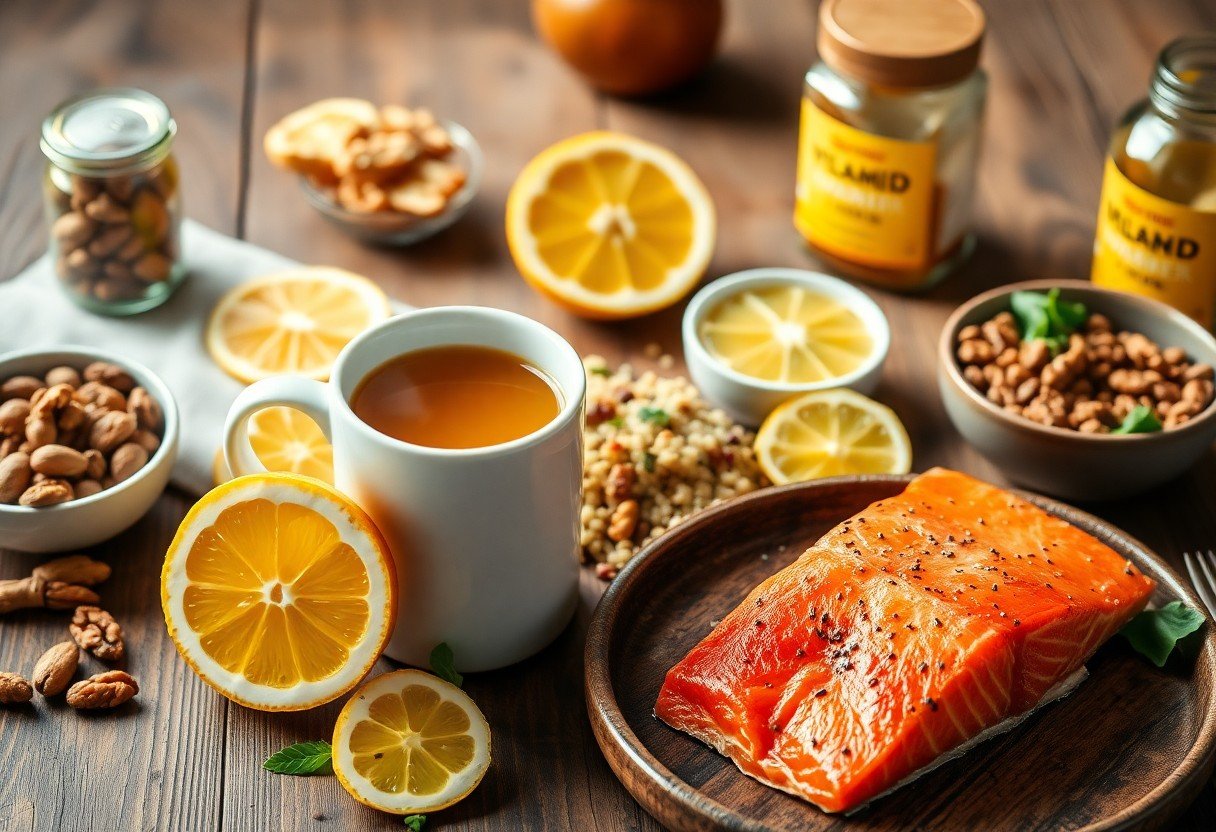
Choose lean proteins-fish, poultry, eggs, legumes and dairy-to provide vital amino acids that help you rebuild tissues and synthesize enzymes needed for energy and immune function; emphasize complete proteins across meals.
Polyphenol-Dense Berries and Greens for Neutralizing Free Radicals
Add berries, spinach and kale daily so you benefit from concentrated polyphenols that neutralize free radicals and protect mitochondria during recovery.
Berries supply anthocyanins and greens deliver flavonoids and carotenoids that reduce oxidative stress and support cellular repair, so you should eat a variety-blueberries, strawberries, kale and arugula-rather than relying solely on extracts; limit juices and smoothies with added sugar because excess sugar can worsen inflammation and slow recovery.
Omega-3 Fatty Acids for Dampening Neuroinflammation
Include fatty fish, algae oil or ground flax to supply EPA/DHA and ALA so you can lower neuroinflammatory signaling and protect cognitive function during convalescence; prioritize omega-3s with meals.
When you choose marine sources, aim for servings of salmon, mackerel or a quality supplement to reach therapeutic EPA+DHA levels; pair these with antioxidants to improve incorporation into neural membranes, and be cautious if you take anticoagulants since high doses may interact with blood thinners, so discuss dosing with your clinician.

Restoring the Microbiome to Support Systemic Healing
Probiotic-Rich Fermented Foods and the Gut-Immune Axis
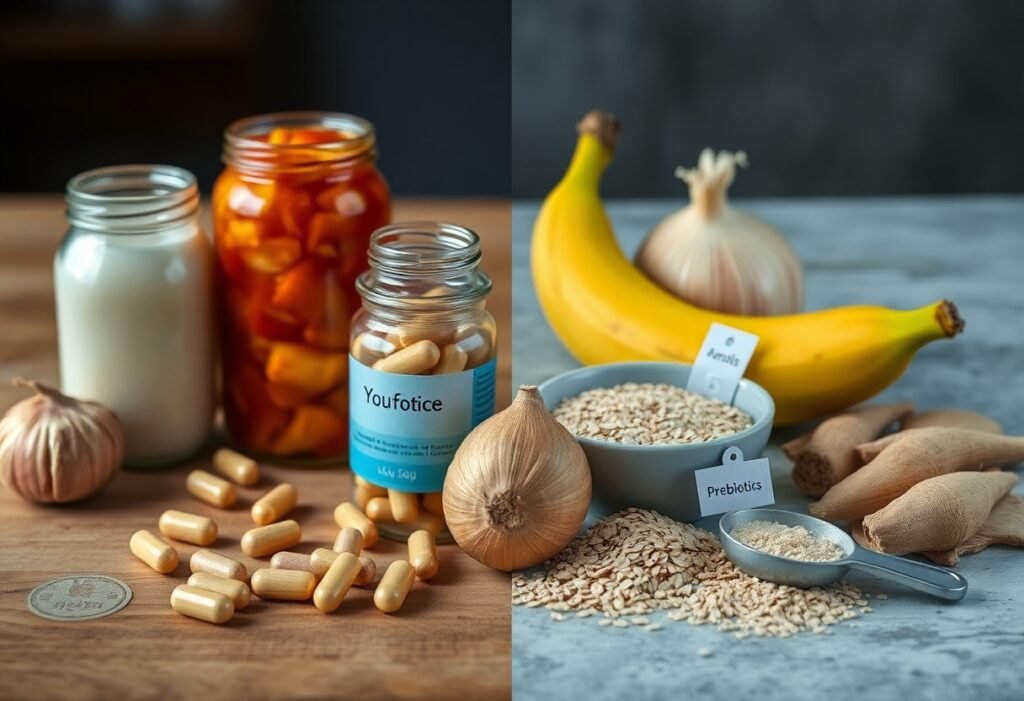
You should add probiotic-rich fermented foods like yogurt, kefir, sauerkraut and kimchi to rebalance your gut flora, support immune signaling and lower inflammation; live cultures help restore resilience and can shorten recovery from post-viral fatigue.
Prebiotic Fibers for Sustained Energy and Nutrient Absorption
Choose prebiotic fibers such as inulin, resistant starch and oats to feed your beneficial bacteria, improve energy levels and boost nutrient absorption, helping reduce lingering fatigue after a cold or flu.
Daily servings of prebiotic-rich foods-garlic, onions, leeks, asparagus, green bananas, cooked-and-cooled potatoes and oats-feed bifidobacteria and other keystone species; when these microbes ferment fiber they release short-chain fatty acids (notably butyrate) that reduce systemic inflammation, strengthen your gut barrier and support cellular energy, helping you regain stamina faster.
Strategic Hydration and Mineral Replenishment
Hydration with electrolytes helps restore energy and cognitive clarity after illness. You should sip broths, oral rehydration solutions, and mineral waters that replace sodium, potassium, and magnesium. Watch for signs of dehydration and electrolyte imbalance; avoid drinking excessive plain water, which can cause hyponatremia.
Electrolyte Ratios to Combat Post-Viral Lethargy and Brain Fog
Balance your electrolytes by choosing drinks with roughly a 3-4:1 sodium-to-potassium ratio; this helps reduce brain fog and restore cellular energy. Avoid low-sodium options that risk hyponatremia.
Final Words
Considering all points, you should prioritize rest, hydration, balanced protein-rich meals, vitamin D, C and zinc supplementation as needed, probiotics and omega-3s, plus antioxidant-rich fruits and leafy greens to speed recovery while consulting your clinician for persistent fatigue.
FAQ
Q: What is post-viral fatigue and how long can it last?
A: Post-viral fatigue is prolonged tiredness, brain fog, muscle weakness or reduced exercise tolerance that persists for weeks to months after an acute viral infection such as a cold or influenza. Severity ranges from mild day-to-day tiredness to marked inability to perform usual activities. Most people improve within 2-12 weeks, but a subset experience symptoms lasting 3 months or longer and may need medical evaluation for post-viral syndromes including post-exertional symptom exacerbation.
Q: Which supplements have clinical or plausible evidence to help recovery after a cold or flu?
A: Vitamin D supports immune regulation; check level first and correct deficiency (common dosing 1,000-4,000 IU/day or clinician-supervised loading if very low). Vitamin C has antioxidant and immune-supportive effects; doses of 500-1,000 mg once or twice daily are commonly used short term. Zinc can shorten duration of viral upper respiratory symptoms if started early; typical supplemental doses are 15-30 mg/day short term, avoid chronic excess above 40 mg/day. B vitamins, especially B12 and folate, help energy metabolism; consider a B-complex or methylcobalamin 500-1,000 mcg if deficiency suspected. Magnesium (glycinate or citrate) 200-400 mg nightly can aid sleep and muscle recovery. Omega-3 fish oil providing ~1-2 g EPA+DHA daily may reduce inflammation and support recovery. N-acetylcysteine (NAC) 600 mg twice daily has antioxidant and mucolytic actions and may help oxidative stress. Probiotics with Lactobacillus and Bifidobacterium strains can support gut-immune interactions after antibiotic use or dysbiosis. Use supplements for limited periods and target those with suspected deficiency or persistent symptoms.
Q: What foods and dietary patterns help speed recovery from post-viral fatigue?
A: A protein-focused, nutrient-dense pattern supports repair and immune recovery: lean proteins (fish, poultry, eggs, legumes), colorful vegetables and fruits for vitamins and phytochemicals, whole grains for steady energy, and healthy fats (olive oil, nuts, avocados, fatty fish) for anti-inflammatory support. Prioritize foods high in vitamin C (citrus, bell peppers, broccoli), vitamin D sources (fatty fish, fortified dairy), zinc (shellfish, meat, seeds), magnesium (leafy greens, seeds, nuts), and B vitamins (whole grains, legumes, animal products). Small frequent meals or adding protein/energy-dense snacks can counter appetite loss and blood sugar dips. Hydration and bone-broth or soups help electrolytes and tolerance. Minimize high-sugar, highly processed foods that can worsen energy swings and inflammation.
Q: How should I take supplements safely, and what interactions or side effects should I watch for?
A: Start with baseline testing when possible (vitamin D, B12, CBC, thyroid) and consult a clinician before high-dose or combined supplements. Avoid long-term zinc above 40 mg/day to prevent copper deficiency. High-dose vitamin C (≥2 g/day) can cause GI upset and increase kidney stone risk in susceptible people. Magnesium can cause diarrhea in some forms; choose glycinate for better tolerance. Fish oil can increase bleeding risk at high doses; stop before surgery and discuss with anticoagulant users. NAC may interact with nitroglycerin or certain chemo agents; check with your provider. Report new palpitations, severe GI symptoms, rash, neurological changes or worsening fatigue promptly. Use reputable brands and follow label dosing unless advised otherwise by a clinician.
Q: When should I seek medical care and what evaluations or treatments might be offered for persistent post-viral fatigue?
A: Seek medical review if severe symptoms (shortness of breath, chest pain, fainting, neurologic deficits), symptom progression, or fatigue that limits daily function beyond 4-12 weeks. Primary care evaluation commonly includes history, physical exam and blood tests (CBC, metabolic panel, thyroid function, B12, vitamin D, inflammatory markers, and sometimes ferritin/iron studies). Further testing may include ECG, chest imaging, cardiac or pulmonary function tests, sleep assessment, or referral to rehabilitation, infectious disease or a post-viral clinic. Management options include targeted supplementation based on deficiencies, graded activity pacing to avoid post-exertional worsening, sleep optimization, nutritional support, and symptom-directed therapies such as physiotherapy, occupational therapy, or CBT-based approaches when appropriate.