
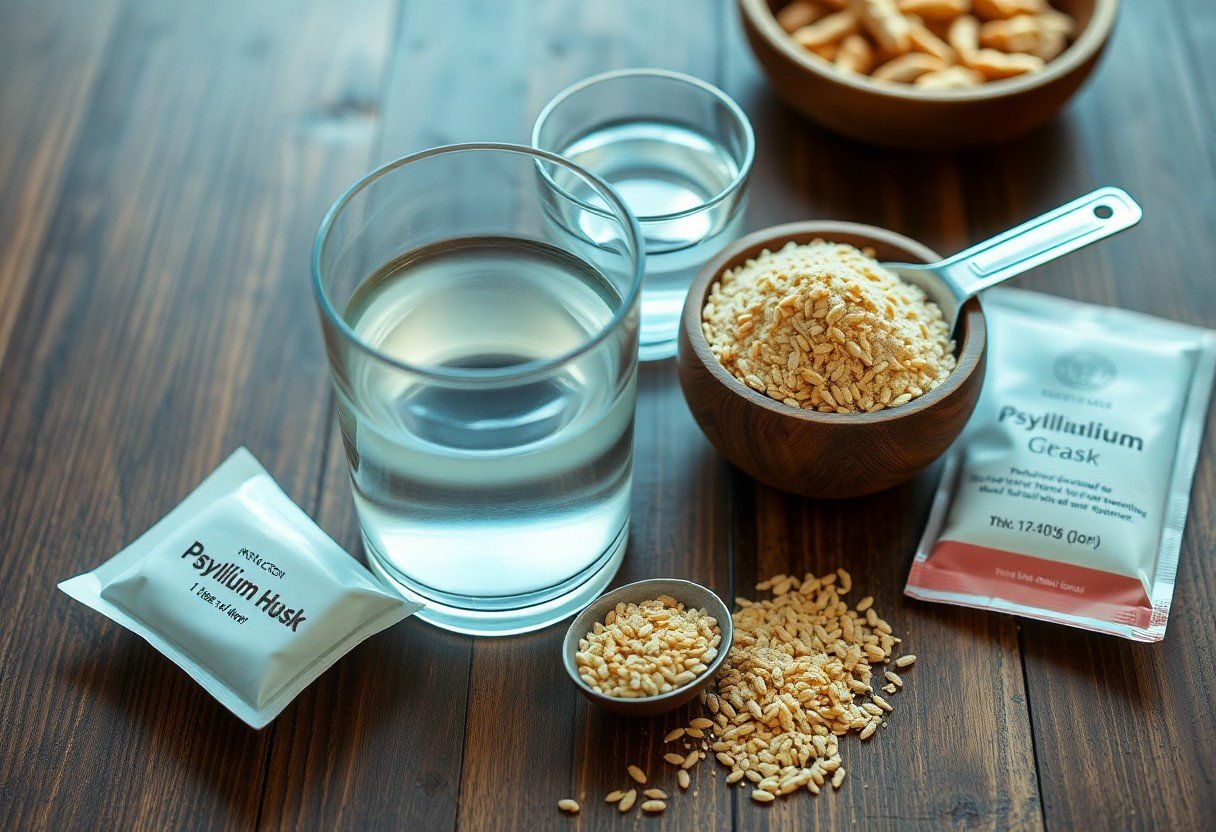
It’s effective for constipation when you take psyllium with plenty of water, as it relieves constipation; ensure adequate fluids or you face a risk of choking or intestinal blockage and consult your doctor if you take other medications.
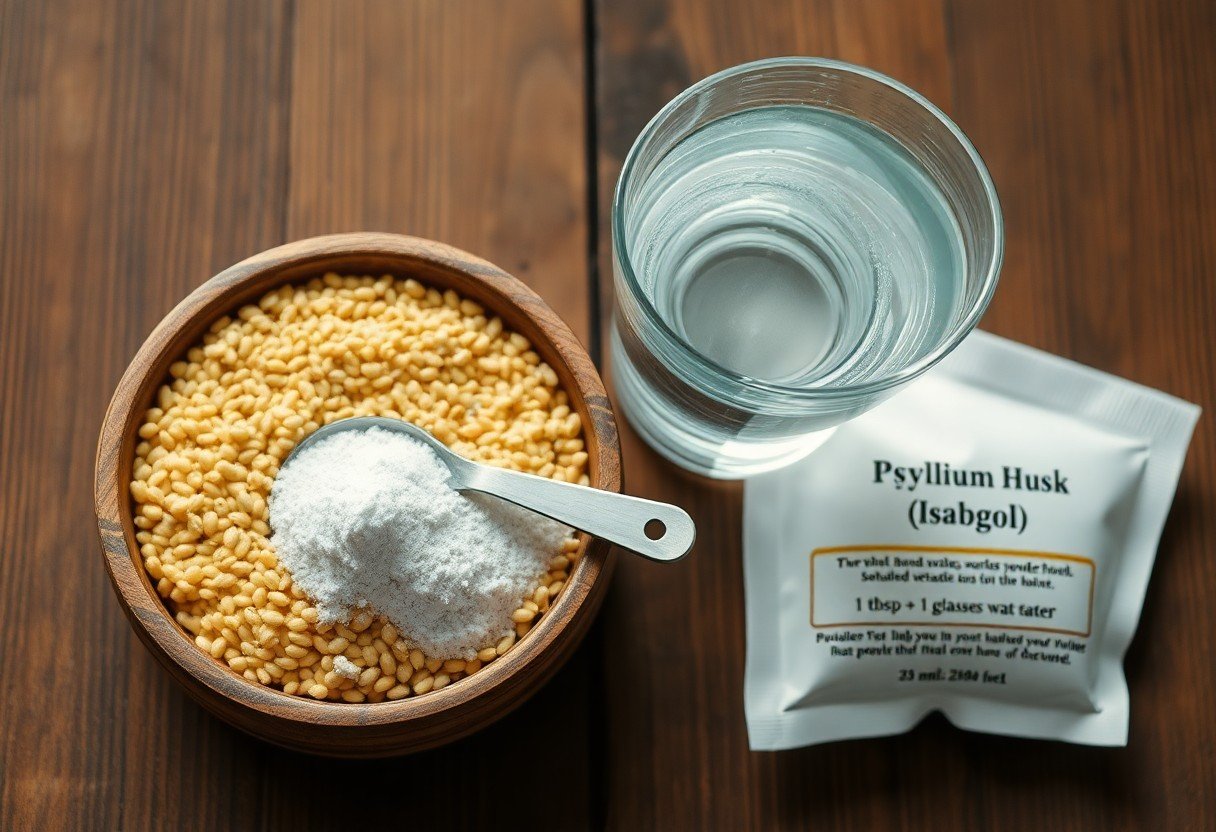
The Science Behind Psyllium Husk: How It Works
Understanding Bulk-Forming Laxatives
Bulk-forming laxatives like psyllium absorb water, increasing stool volume and easing passage, so you rely less on straining; you must take them with plenty of fluid to avoid obstruction and can expect results within 12-72 hours.
The Role of Mucilage in Stool Softening
Mucilage in psyllium forms a viscous gel that softens stool and lubricates the colon, giving you gentler, more regular bowel movements; you should always mix it with sufficient water to prevent the gel from causing blockages.
Because mucilage swells on contact with liquid, it traps water within stool and increases bulk while slowing transit just enough for stools to rehydrate, so you notice less pain and fewer hard stools; you must drink at least 250-300 ml per dose and keep a two-hour gap between psyllium and oral medications, since the gel can reduce drug absorption and, if taken dry, create a serious choking or intestinal obstruction risk.
Establishing the Correct Dosage for Your Needs
Recommended Starting Doses for Adults
You should begin with about 5 grams (≈1 teaspoon) mixed in a full glass of water once daily; increase to 10 grams twice daily only if tolerated and advised. Always take with plenty of fluid to reduce choking or blockage risk.
Adjusting Intake Based on Individual Response
If you notice bloating, gas, or little effect, reduce the dose or split it across the day; if stools soften, maintain the lowest effective amount and consult your clinician for prolonged use.
When you titrate dose, raise it slowly over several days while tracking stool consistency and side effects; start low and go slow. Allow 48-72 hours to assess changes, space psyllium 1-2 hours from oral medications to avoid drug interactions, and stop use plus seek care for severe abdominal pain, vomiting, difficulty swallowing, or signs of obstruction.
Common Mistakes That Hinder Effectiveness
Insufficient Hydration and Its Risks
Water keeps psyllium moving; if you don’t drink enough fluid, the husk can swell and clump, increasing risk of esophageal or intestinal blockage and worsening constipation.
Increasing Fiber Dosage Too Rapidly
Ramping up psyllium quickly often produces bloating, gas, and cramping; you should raise doses slowly while tracking symptoms and fluid intake.
If you jump from low fiber to high psyllium doses, you may face intense abdominal pain, severe bloating, and marked gas; increase by small increments over 7-14 days, boost your fluid intake, split doses through the day, and stop or seek medical advice if you develop persistent pain, vomiting, or signs of dehydration or impaction.
Managing Potential Side Effects
Reducing Gas and Abdominal Bloating
You can minimize gas by starting with a low psyllium dose, increasing slowly, and always mixing it into plenty of water; avoid carbonated drinks and space fiber away from heavy fatty meals. If bloating continues, lower the dose or try a probiotic to ease discomfort.
Identifying Rare Allergic Reactions
If you notice itching, rash, or facial swelling after psyllium, stop use immediately and seek urgent care; difficulty breathing or throat tightness requires emergency attention. Keep the product label to show ingredients to your clinician.
Watch for delayed symptoms such as wheezing, hives, or severe abdominal cramps; you may also feel dizzy or faint. If mild irritation occurs, pause use and consult your healthcare provider about allergy testing or an alternative fiber, because anaphylaxis requires immediate emergency treatment.
Final Words
Considering all points, you should take psyllium husk (Isabgol) with at least 240-300 ml (8-10 oz) of water, begin with a low dose and increase slowly as tolerated, separate it from medications, and seek medical advice if you have bowel obstruction symptoms or persistent constipation.
FAQ
Q: What is psyllium husk (Isabgol) and how does it relieve constipation?
A: Psyllium husk is a soluble fiber derived from Plantago ovata seeds that forms a gel when mixed with water, increasing stool bulk and softness and stimulating intestinal movement to ease passage. The gel traps water in the bowel, which shortens transit time for stool and reduces strain during bowel movements. Typical onset of effect ranges from 12 to 72 hours, so it is not an immediate stimulant laxative and works best with consistent use and adequate fluid intake.
Q: What is the correct dosage and how should I prepare and take psyllium for constipation?
A: Adults commonly take 5-10 grams (about one teaspoon to one tablespoon) once or twice daily; some regimens use 5-10 grams three times daily for short-term relief – follow product labeling or a clinician’s advice. Mix each dose in at least 200-250 ml (one glass) of water or a non-carbonated beverage, stir until dispersed, drink immediately, then drink another glass of water. Capsules should be swallowed whole with a full glass of water. Children receive lower doses based on age and weight (often 2.5-5 g); consult a pediatrician. Space psyllium at least 1-2 hours apart from prescription medications to avoid reduced absorption of oral drugs.
Q: What side effects and risks should I watch for, and who should avoid psyllium?
A: Common side effects include bloating, gas, mild abdominal cramping, and increased flatulence during initial use. Choking or esophageal obstruction can occur if taken without enough fluid; swallowing difficulty or a history of strictures, intestinal obstruction, or undiagnosed abdominal pain are contraindications. Severe allergic reactions are rare but require immediate medical attention. People on blood-sugar-lowering drugs, warfarin, or other narrow-therapeutic-index medications should consult a clinician because psyllium can alter absorption or glycemic response; timing doses apart by 1-2 hours reduces interaction risk.
Q: How long does it take to work and is long-term use safe?
A: Most users see improvement within 12-72 hours, though some may need several days of consistent dosing for regularity to normalize. Long-term daily use is generally safe when adequate fluids are consumed and total dietary fiber is balanced; monitor for persistent bloating or nutrient absorption concerns if intake becomes very high. Seek medical evaluation if constipation persists beyond one week despite treatment, if severe abdominal pain or vomiting develops, or if there is blood in the stool.
Q: Can psyllium provide other health benefits and how should it be stored and chosen?
A: Regular psyllium intake can modestly lower LDL cholesterol and help with post-meal blood glucose control when taken as part of a balanced diet; it can also increase satiety which may support weight-management efforts but should not replace lifestyle measures. Choose pure, food-grade psyllium husk or standardized powder from reputable brands, avoid added sugars or artificial flavors if using for regular intake, and store in a cool, dry place in a sealed container to prevent moisture clumping and loss of efficacy.