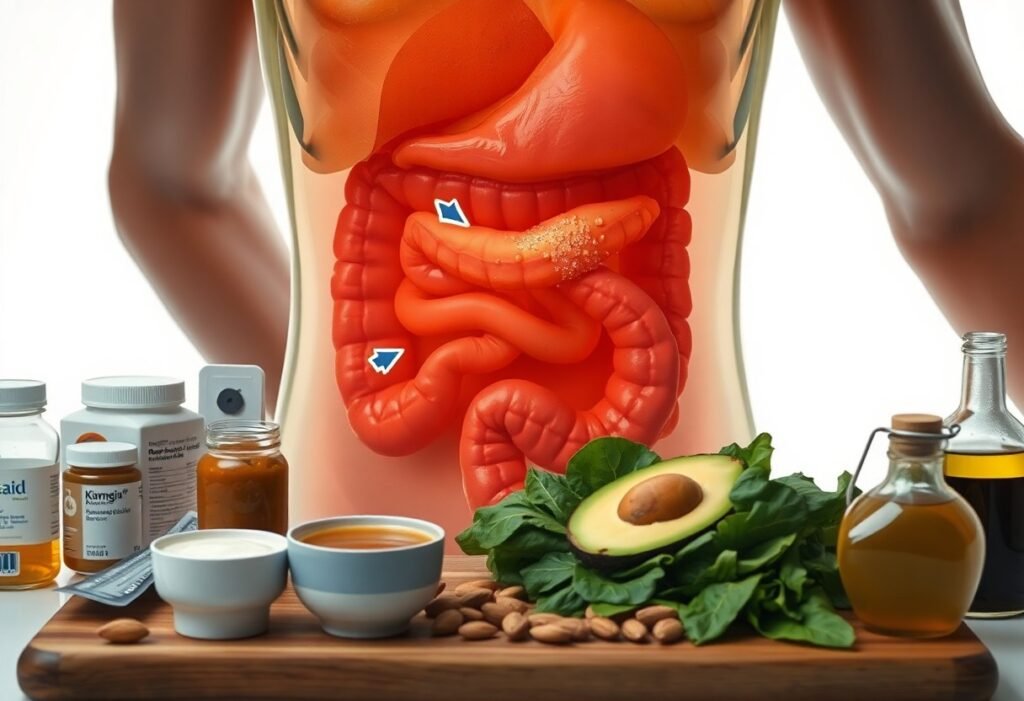
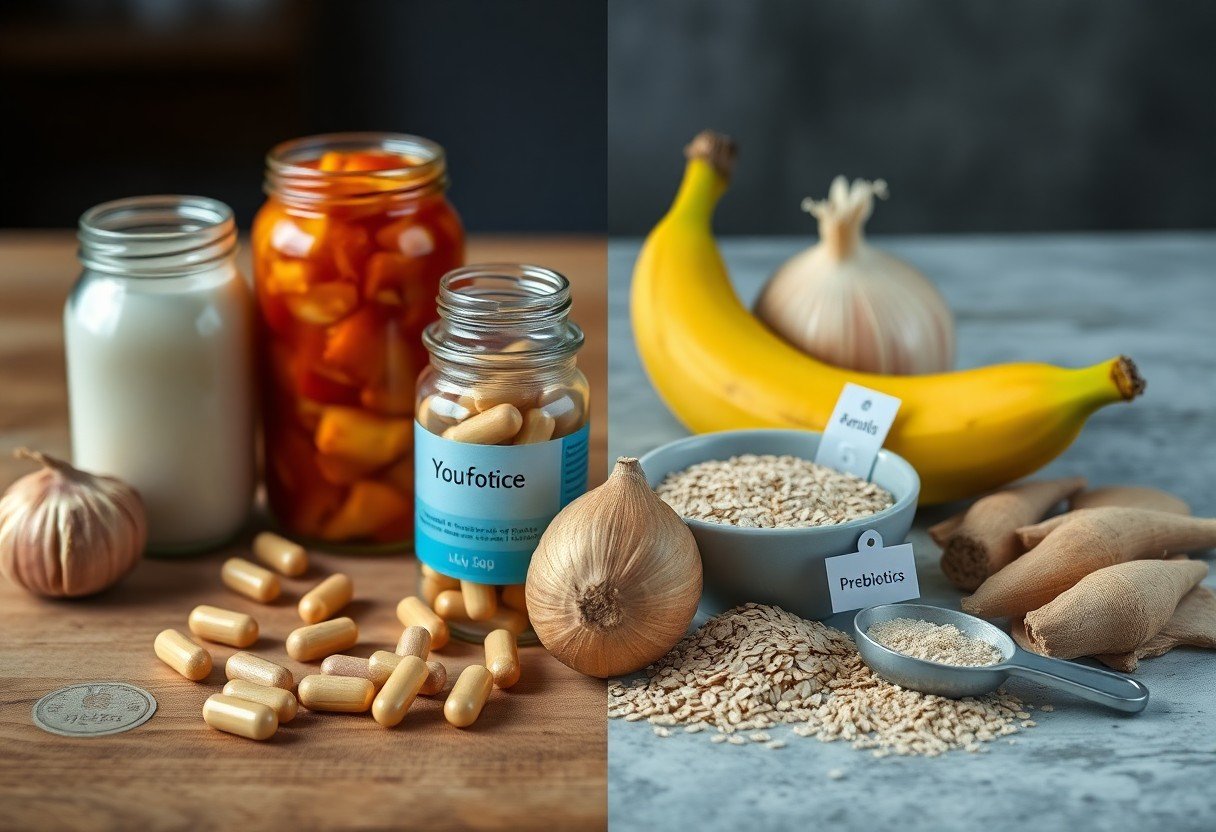
Many people confuse probiotics and prebiotics, but you should know probiotics are live microbes that support digestion and immunity, while prebiotics feed them; combining both can help gut health, though overuse or poor strains can cause harm without proper guidance.
Prebiotics: The Essential Fuel for Microbiome Health
Types of Prebiotic Fibers: Inulin, FOS, and GOS
Inulin, FOS and GOS selectively feed your beneficial microbes, improving digestion and immune signaling. Perceiving the subtle differences helps you pick sources that boost butyrate while limiting bloating.
- Inulin – long-chain fiber from chicory and onions that raises butyrate levels.
- FOS – short-chain fructans in bananas and garlic that ferment quickly and may cause bloating.
- GOS – galactooligosaccharides from legumes that stimulate Bifidobacteria.
| Prebiotic | Primary Effects |
|---|---|
| Inulin | Feeds butyrate-producing bacteria; improves stool bulk |
| FOS | Rapid fermentation; quick SCFA spike, higher gas risk |
| GOS | Promotes Bifidobacteria; supports immune signaling |
| Resistant starch | Slow fermentation; steady SCFAs and metabolic benefits |
The Fermentation Process and Short-Chain Fatty Acid Production
You benefit when gut microbes ferment prebiotics into SCFAs like acetate, propionate and butyrate, which support colon cells and reduce inflammation.
Butyrate produced during fermentation fuels your colonocytes, tightens the mucosal barrier and provides anti-inflammatory effects; excess rapid fermentation can trigger gas and bloating, so you should balance fiber types and intake to sustain steady SCFA production for metabolic and immune gains.

Distinguishing Characteristics: Living Organisms vs. Functional Fibers
Biological Composition and Heat Sensitivity
Probiotics are live microbes that can be killed by heat, while prebiotics are non-digestible fibers that remain stable during cooking; you should store probiotics cold and treat prebiotics as heat-resistant dietary components.
Survival Rates During the Gastric Transit Phase
Gastric acid destroys many strains, so you must pick probiotics with high acid and bile tolerance or use formulations designed to protect organisms through the stomach.
Survival rates vary widely: many unprotected strains show less than 1% survival past the stomach, whereas spore-formers or enteric-coated products can deliver substantially higher CFUs to the intestine; you should check strain-specific acid-tolerance data, prefer higher starting CFUs, and consider dosing with food or using protective delivery technologies to improve gut delivery.

Optimal Sourcing: Whole Foods vs. Targeted Supplementation
Balance whole-food diversity with targeted supplementation so you get both broad-fiber substrates and specific microbial strains; you should use food-first strategies while turning to supplements for measurable doses and strain specificity. For an easy primer on differences see Difference Between Prebiotics and Probiotics, and choose third-party tested products and follow storage instructions to protect potency.
Probiotic-Rich Fermented Foods: Yogurt, Kefir, and Kimchi
Yogurt, kefir, and kimchi give you live cultures you can add daily; opt for labels that state “live and active cultures” to ensure benefit and avoid pasteurized varieties that no longer contain viable strains.
Prebiotic-Dense Produce: Garlic, Onions, and Leafy Greens
Garlic, onions, and leafy greens feed beneficial microbes and boost short-chain fatty acid production; eat a variety of raw or lightly cooked options to preserve fermentable fibers.
Leafy greens and alliums provide inulin and fructooligosaccharides that selectively feed bifidobacteria and butyrate producers; you can increase servings slowly to limit gas, and those with IBS or FODMAP sensitivity should test foods carefully because prebiotics may trigger symptoms.
Navigating the Supplement Market: CFUs, Stability, and Purity
Check labels for specific strains, CFU counts at expiration, and third-party verification; avoid formulas without stability data or unclear storage guidance to prevent wasted doses.
Store probiotic supplements per manufacturer guidance-many need refrigeration or guaranteed shelf stability-and favor formulations that show CFUs at expiry and strain IDs; you should also pick brands with batch testing because contaminated or mislabeled products can harm immunocompromised individuals and reduce expected benefit.
Systemic Benefits: The Impact on Immunity and Mental Health
Strengthening the Gut Barrier and Immune Defense
Probiotics reinforce your gut lining by boosting mucus production and tight-junction proteins, reducing permeability and preventing pathogen entry; prebiotics feed these strains so your immune responses stay calibrated, lowering chronic inflammation and the risk of systemic infection and autoimmune flares.
Influence on the Gut-Brain Axis and Neurotransmitter Production
Microbes in your intestines produce neurotransmitters like serotonin and GABA, modulating mood and stress responses; shifts in their balance can increase anxiety or depressive symptoms, making microbial diversity a key factor for mental resilience.
You can shift neurotransmitter levels by changing diet, probiotics and prebiotics, since certain strains synthesize serotonin precursors while fibers encourage metabolite production that affects your vagus nerve. Altered microbial signaling raises systemic inflammation and worsens mood disorders, while restoring diversity often reduces inflammatory markers and improves stress resilience, giving you measurable mental health gains.
Summing up
Presently you benefit most by combining probiotics and prebiotics: probiotics introduce live beneficial microbes while prebiotics feed them, helping improve digestion, immunity, and gut balance when you choose varied strains and fiber-rich foods or supplements.
FAQ
Q: What are probiotics?
A: Probiotics are live microorganisms that provide health benefits when consumed in adequate amounts. Common strains include Lactobacillus, Bifidobacterium, and the yeast Saccharomyces boulardii. Foods such as yogurt, kefir, kimchi, sauerkraut, and some cheeses naturally contain probiotics, while supplements list specific strains and colony-forming units (CFU). Probiotics can help balance gut microbes, reduce duration of some diarrheas, and support digestion and immune signaling.
Q: What are prebiotics?
A: Prebiotics are non-digestible fibers and compounds that selectively feed beneficial gut microbes. Typical examples include inulin, fructooligosaccharides (FOS), galactooligosaccharides (GOS), and resistant starch. Foods rich in prebiotics include onions, garlic, leeks, asparagus, bananas, oats, and whole grains. Fermentation of prebiotics by gut bacteria produces short-chain fatty acids like butyrate, which support colon cell health and reduce inflammation.
Q: How do probiotics and prebiotics differ?
A: Probiotics introduce live beneficial microbes, while prebiotics provide the food those microbes use to grow. Probiotics change microbial composition directly by adding strains, and prebiotics change metabolism and activity of resident microbes by supplying fermentable substrates. Products labeled synbiotics combine probiotics and prebiotics to improve survival, colonization, or metabolic benefit compared with either alone.
Q: Why do you need both probiotics and prebiotics?
A: Combining probiotics with prebiotics creates supportive conditions for introduced strains and for beneficial native bacteria to thrive. Diets that include both tend to increase microbial diversity, boost short-chain fatty acid production, and improve bowel regularity more reliably than a single approach. People recovering from antibiotics, those with occasional digestive upset, or anyone aiming to maintain gut health can benefit from consuming both types. Some individuals with sensitive guts may experience gas or bloating from certain prebiotics, so gradual introduction is advisable.
Q: How do I choose and use probiotic or prebiotic supplements safely?
A: Select probiotic supplements that list genus, species, and strain plus CFU at time of expiration and that cite clinical research for your target condition. Choose formulation (refrigerated or shelf-stable) based on the product’s storage instructions. Start with a lower dose if you are new to prebiotics or probiotics to reduce gas and bloating, and keep probiotic doses at least two hours apart from antibiotic doses when possible. People with severe immune suppression or critical illness should consult a healthcare provider before taking live probiotic supplements. For most people, obtaining a variety of fermented foods and fiber-rich plants provides a balanced, food-first approach.