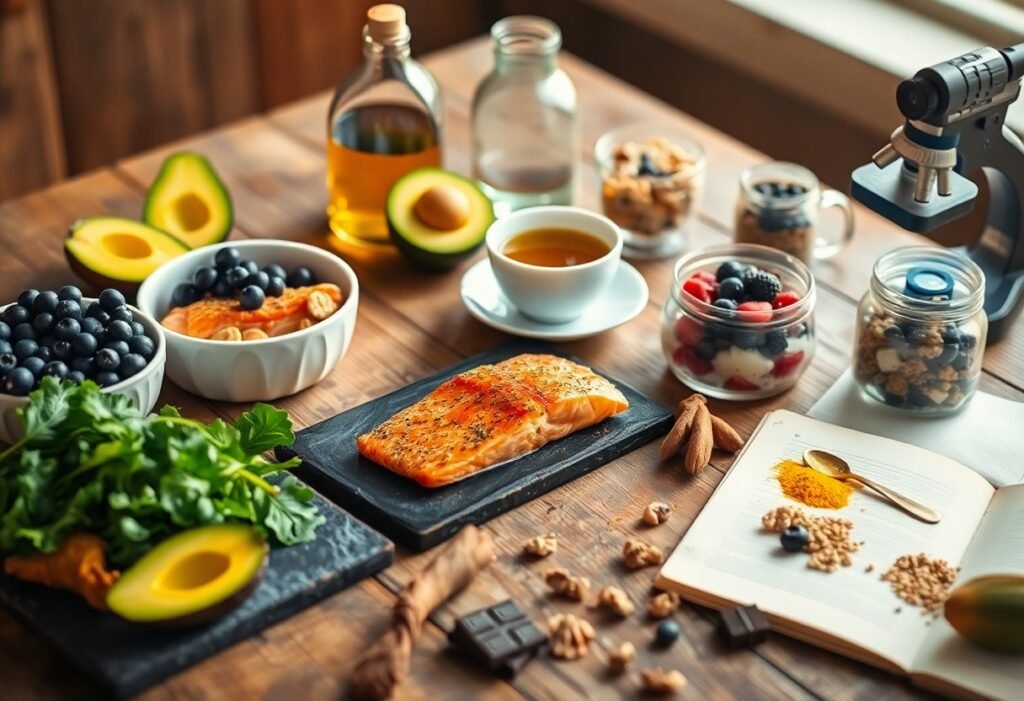
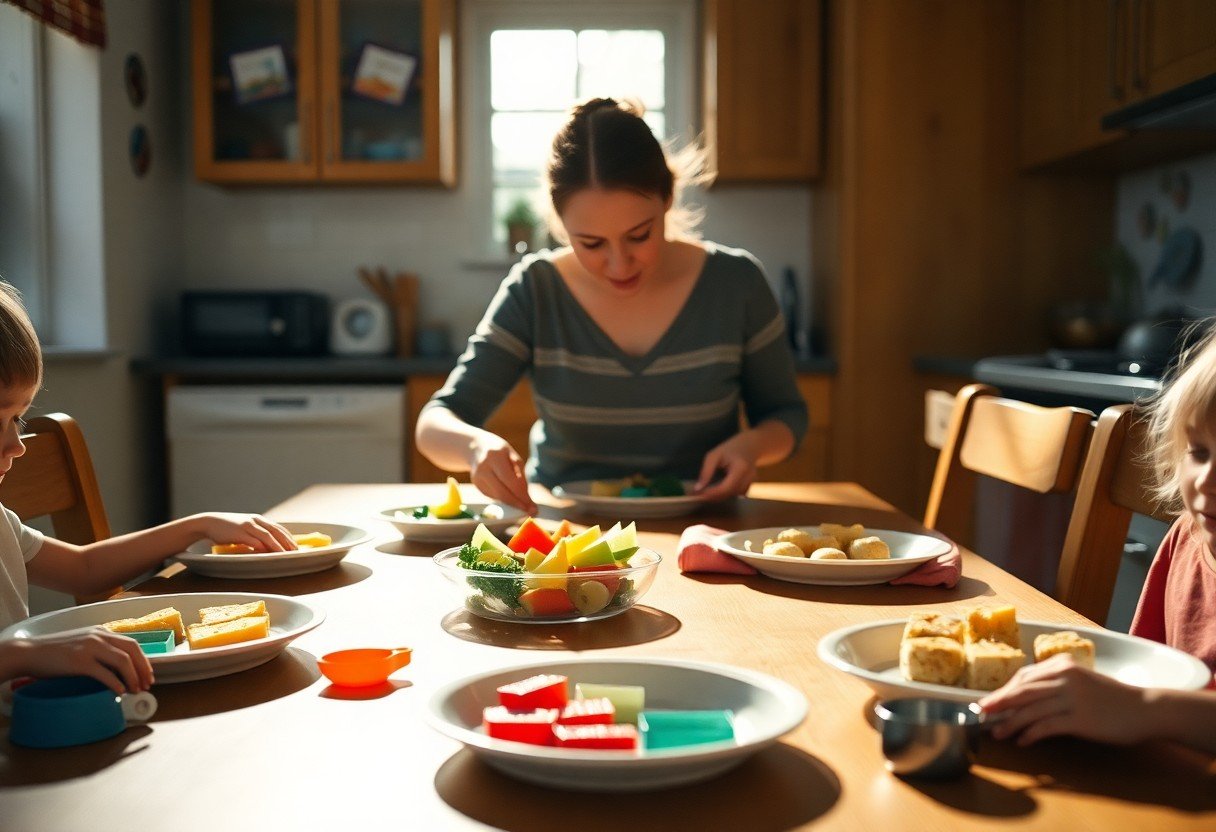
It’s easier than you think to bring picky eaters to the table when you use playful, nutrient-dense recipes and plain strategies that respect taste boundaries. By offering consistent, gradual exposure and involving your child in choices, you build acceptance without pressure; watch for food allergies and choking hazards when adapting textures and ingredients, and celebrate wins to reinforce change. These habits deliver improved health, steady growth, and lasting food confidence for your family.
Key Takeaways:
- Make healthy meals appealing: use colorful shapes, dips, and build-your-own options to make familiar foods fun.
- Introduce new foods gradually and pair them with favorites; serve small portions and offer repeated exposure to reduce resistance.
- Involve children in meal planning and preparation, offer simple healthy swaps, and model positive eating to encourage lasting habits.
Understanding Picky Eating
When your child refuses foods, it’s often a mix of sensory sensitivity, developmental neophobia and learned mealtime patterns; studies estimate picky eating affects about 20-30% of preschoolers. You can spot clues-consistent texture aversions, limited accepted foods, or strong reactions to mixed dishes-that help you decide whether to use gentle exposure, texture modification, or professional evaluation.
Common Reasons for Picky Eating
Sensory issues like dislike of textures or strong smells frequently drive refusals, and food neophobia typically peaks between ages 2 and 6. You should also weigh appetite variability, parental modeling, pressure-based tactics that backfire, and potential medical causes-such as allergies, reflux, or oral-motor delays-which can create nutritional risk if left unaddressed.
The Importance of Nutrition
Persistent picky patterns can produce gaps in iron, calcium and vitamin D intake, undermining growth, energy and immune function; you need to track growth charts and meal patterns so shortfalls are detected early. Even modest, sustained deficiencies can reduce attention and activity in young children, affecting learning and daily functioning.
Start by offering a new food 10-15 times without pressure, since repeated neutral exposure increases acceptance. Combine iron-rich choices (lean meat, fortified cereal, beans) with vitamin C sources to boost absorption, and include healthy fats-like avocado or olive oil-to aid uptake of fat-soluble vitamins. You can also use fortified smoothies, small predictable portions across the week, and consult your pediatrician if weight or developmental milestones falter.
Strategies for Encouraging Healthy Eating
Shift the focus to small, actionable wins: offer one new food alongside two familiar favorites, serve child-sized portions (a common guideline is ~1 tablespoon per year of age), and set predictable meal times-aim for 3-5 shared family meals per week. Limit grazing by cutting snacks 1-2 hours before meals and give limited healthy choices (e.g., apple slices or carrot sticks). Use routines and consistent expectations so you reduce mealtime battles and avoid pressuring children to eat.
Involving Kids in Meal Preparation
When you include children in cooking, start as early as ages 2-3 with washing produce and simple stirring; by 4-7 they can measure, assemble tacos, or use a kid-safe knife under supervision. Assign 1-2 clear tasks per child to keep engagement high and praise effort, not outcome. Studies show hands-on involvement increases willingness to try new foods; practical examples include personalized mini-pizzas, smoothie bowls, or build-your-own salad bars to make veggies more appealing.
Creating a Positive Eating Environment
Set a calm, predictable space by turning off screens, eating at a table, and keeping meals to about 15-20 minutes for young children so you avoid power struggles. Model the behavior you want-eat vegetables yourself and use descriptive praise like “I like the crunchy broccoli” rather than rewards or punishments. Keep portions small, offer repeated neutral exposure to new foods, and do not pressure children to finish their plate.
Give additional structure by using specific strategies: offer two familiar foods plus one new item, avoid using dessert as a bargaining chip, and keep mealtime language neutral (e.g., “try a bite” instead of “you must”). Watch safety rules closely-avoid whole nuts or hard candies for children under 4 because of choking risk. Small, consistent changes in routine and wording often yield measurable improvements in acceptance over weeks rather than days.
Fun and Nutritious Recipe Ideas
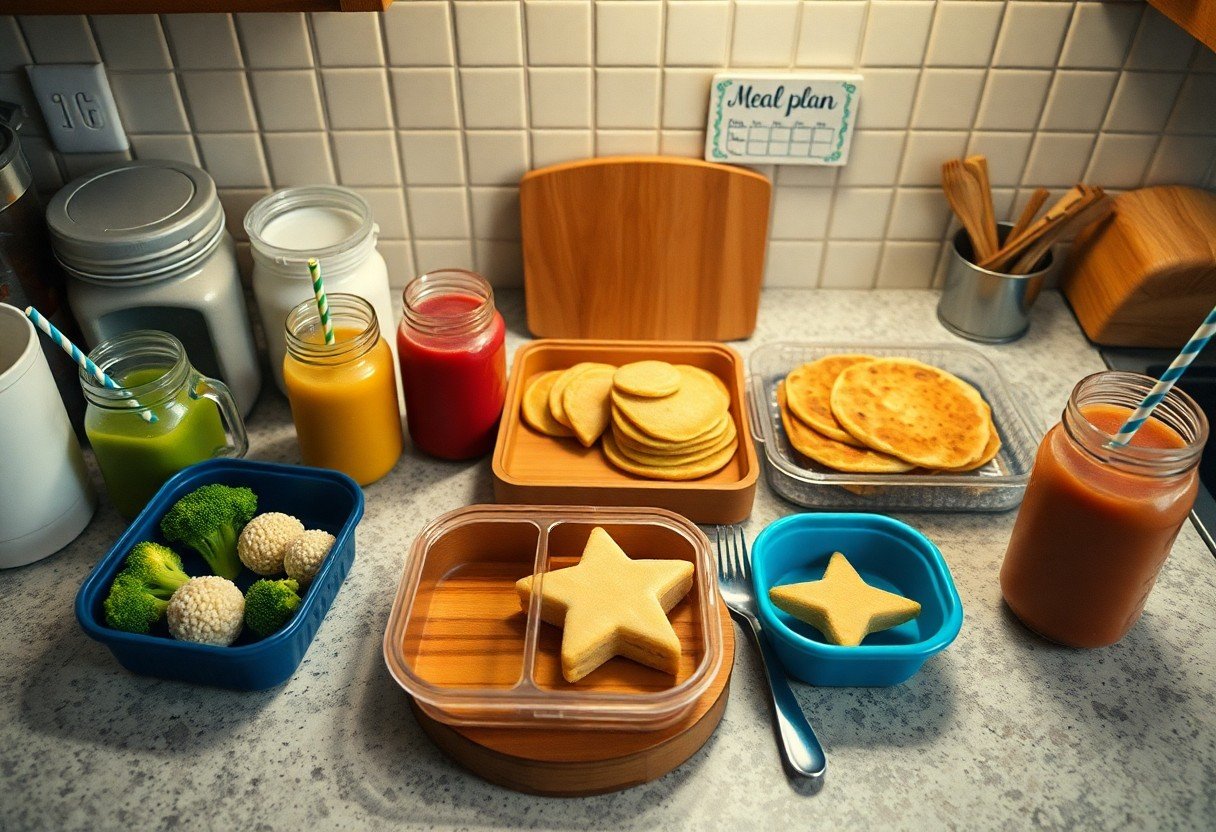
Try quick swaps and playful plating to nudge your child toward healthier choices: roast veggies, sneak pureed legumes into sauces, or top whole-grain toast with mashed avocado and a sprinkle of seeds. Aim for 5 servings of fruits and vegetables a day, use recipes with 3-4 ingredients for easy repetition, and plan 10-20 minute prep meals so you actually make them on busy nights.
Colorful Vegetable Dishes
Roast rainbow carrots, bell peppers, and beets at 400°F for 20-25 minutes to concentrate sweetness, or serve spiralized zucchini noodles with a tomato-basil sauce your kids can twirl. Mix in pureed cauliflower to make mac-and-cheese lighter, and cut vegetables into age-appropriate, bite-sized pieces to reduce choking risk for toddlers while keeping portions at about ½ cup per serving.
Creative Fruit Snacks
Assemble fruit kabobs, frozen banana pops dipped in yogurt, or single-serving smoothie packs with ½ cup fruit plus a spoonful of nut or seed butter for protein. Offer yogurt bark (spread 1 cup Greek yogurt, top with 1 cup chopped fruit, freeze 2 hours) for a make-ahead treat, and limit added sugars so your child gets natural sweetness plus fiber.
When you prep creative fruit snacks, focus on balance and safety: pair fruit with protein or fat to stabilize energy, chop grapes and cherries in half for little ones, and store frozen items in airtight containers for up to 1 month. Try combinations like apple slices with 1 tablespoon almond butter, or mango-cottage cheese cups-these mixes boost satiety and make fruits feel like a complete snack.
Making Healthy Foods Appealing
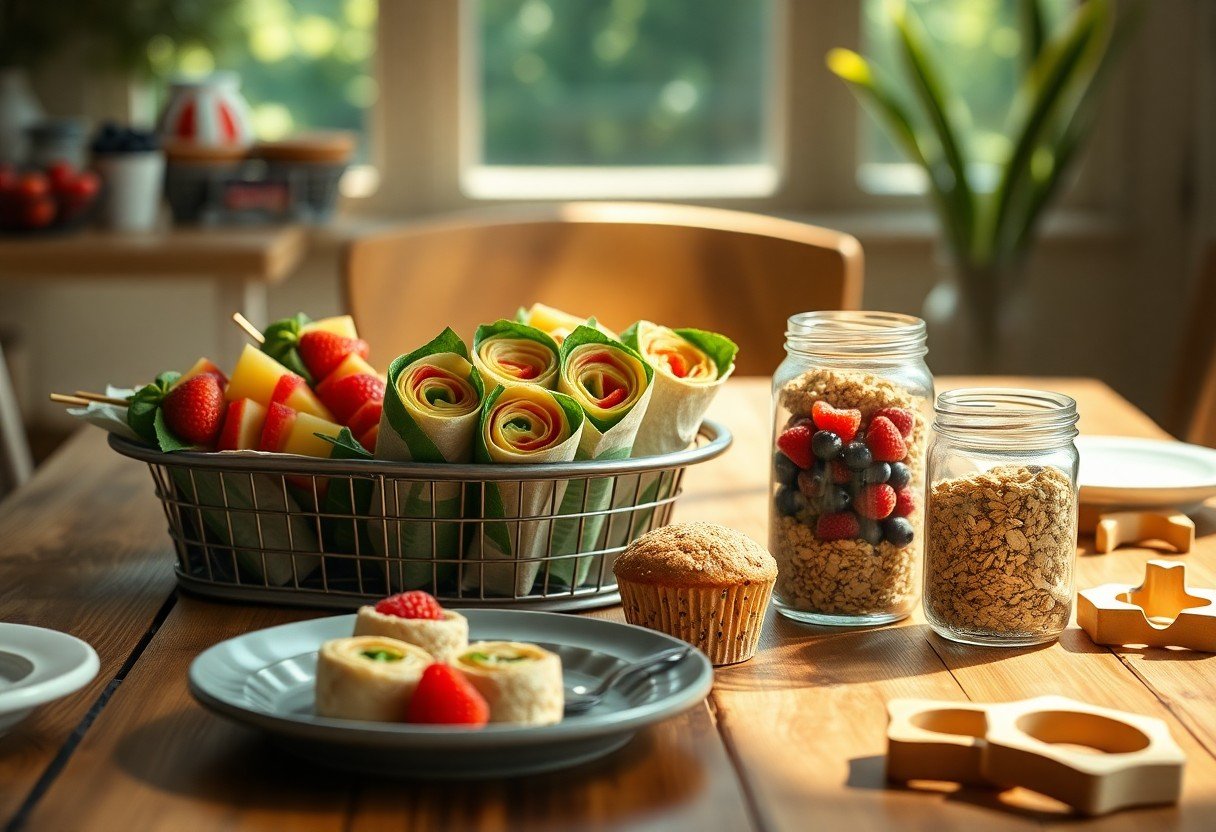
Turn plain veggies into colorful stars, fries, or cups to boost interest; children often need 8-15 exposures to accept new foods, so rotate playful versions like air‑fried zucchini fries, rainbow quinoa bowls with five colors, or yogurt parfait towers across meals. Use bite‑sized pieces, serve at child‑friendly temperatures, and place one familiar item next to a new one to increase tries without pressure.
Fun Presentation Techniques
Use cookie cutters on sandwiches and cheese, arrange fruit into skewers or smiley faces, and pack small bento compartments to separate textures and colors; kids respond to novelty. For safety, avoid long pointed skewers for children under four-use blunt picks. Plate size matters too: 6-8 inch plates help portions look satisfying and encourage finishing.
Incorporating Favorite Flavors
Mix familiar tastes like grated cheese, mild tomato sauce, or a dab of maple to make new ingredients comforting; pair a new vegetable with 1-2 tablespoons of hummus or 1 teaspoon of honey during trials. Pairing a novel item with a reliably liked flavor increases initial bites and speeds acceptance, so keep portions small and predictable while you test combinations.
Roast vegetables to caramelize natural sugars-400°F for 18-22 minutes works well for carrots and sweet potatoes-then toss with 1 teaspoon olive oil and a light sprinkle of cinnamon or mild paprika. Offer dipping choices such as yogurt‑based ranch (2 tbsp yogurt + 1 tsp herbs) or apple slices with 1 tablespoon peanut butter. Always check for allergies and avoid whole nuts for children under four.
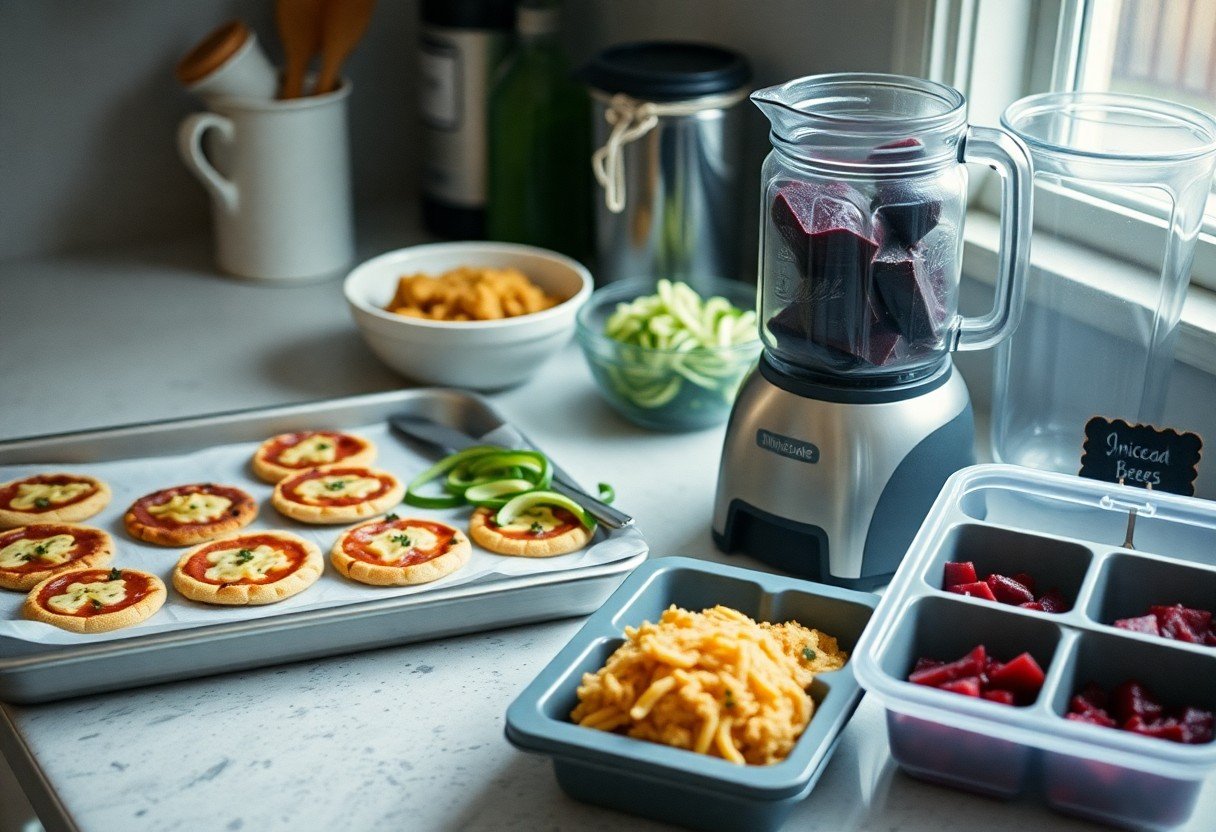
Sneaky Ingredient Swaps
Healthier Alternatives for Common Ingredients
Swap refined sugar for mashed banana or unsweetened applesauce (often used 1:1 in muffins), choose Greek yogurt instead of mayo to cut calories and add protein, and use 100% whole grain flour in a 1:1 swap for more fiber. You can replace rice with 1 cup of cauliflower rice per cup to cut carbs. Watch for allergens and aim for a clear nutrient boost. Any swap you choose, test in small batches to match texture and taste.
- Applesauce for sugar or oil
- Greek yogurt for mayo or sour cream
- Whole grain flour for white flour
- Any swap should be taste-tested first
Tips for Hiding Vegetables
Puree steamed carrots or butternut squash into sauces, blend a handful (about 30 g) of spinach into each serving of smoothie, and grate zucchini into batter so you can add up to 1 cup in cakes or muffins without a vegetal taste. Finely chop mushrooms for meat blends to add moisture and umami. Keep texture safe for toddlers and watch for choking risks. Any hiding tactic should preserve flavor balance and safety.
- Pureed carrots in sauces
- Grated zucchini in muffins
- Spinach smoothies (one handful per serving)
- Any method must prioritize safety
Use a high-speed blender to make silky purees, roast crucifers to deepen sweetness before blending, or finely grate firm veg to maintain structure-grated zucchini releases moisture, so drain or reduce other liquids by about 25% when baking. Try a 50:50 mix of pureed veg and tomato sauce in pasta to add fiber without flavor loss; children accepted it in a small school trial where 80% finished their plates. Any time you add hidden veg, note amounts and reactions so you can refine the recipe.
- High-speed blender for smooth texture
- Roasting to concentrate sweetness
- Drain grated veg to adjust moisture
- Any change should be documented for repeat success
Establishing Healthy Eating Habits
You can anchor family meals with predictable strategies: serve one new food alongside two favorites, offer 1-2 new foods per week and expect children often need 8-15 exposures before acceptance. Use simple, reliable recipes (try 75 Best Dinner Ideas for Kids – Quick Kids’ Dinner Recipes) and rotate proteins, vegetables, and whole grains to keep variety without overwhelming your child.
Setting a Routine
Set fixed mealtimes-aim for 3 meals plus 1-2 snacks daily-and keep dinner within a 30-45 minute window so hunger cues remain predictable. Limit grazing by ending snacks 60-90 minutes before meals, serve family-style to teach portioning, and maintain a short snack list (fruit, yogurt, chopped veggies) to reduce bargaining and stabilize appetite.
Modeling Good Behavior
When you eat the same dishes and show genuine curiosity, children mirror that behavior; use descriptive, positive language about flavors instead of pressure. Offer small, no-pressure tastes, avoid screens at the table, and visibly enjoy a balanced plate so trying new foods becomes normal, not a battle.
Deepen modeling by involving your child in simple tasks-washing greens, stirring, or plating-and then sit and eat the same plate. Use phrases like “I like the crunch” rather than commands, avoid bribes or dessert rewards, and run a weekly “family taste test” to rank new veggies. Over repeated exposures (often 8-15 tries), combining involvement, calm encouragement, and consistent parental eating significantly increases willingness to try and accept new foods.
Conclusion
Taking this into account, you can make healthy meals appealing without battles by offering variety, involving your child in simple choices, and presenting familiar flavors with subtle new ingredients; consistent mealtime routines and positive reinforcement help your child accept nutritious options, and practical swaps and playful presentation let you model good habits while keeping food pleasant and stress-free.
FAQ
Q: How can I introduce new vegetables to picky eaters without battles?
A: Start with small, non-threatening servings served alongside a preferred food; offer a single bite without pressure and repeat exposure (often 8-15 tries). Make vegetables appealing by changing preparation-roasting to bring out sweetness, shredding into sauces, pureeing into soups or smoothies, or cutting into fun shapes. Pair veggies with a familiar dip or cheese, serve them at the same time as the family meal, and model eating them yourself. Avoid forcing or using dessert as a reward, and keep portions tiny so trying feels achievable.
Q: What simple, healthy recipes work well for picky kids?
A: Smoothies (fruit + mild greens + yogurt or milk) are an easy start; hide spinach in berry-banana blends. Banana-oat pancakes (mashed banana, oats, egg) are soft and sweet without added sugar. Zucchini-carrot muffins use grated veggies, whole-wheat flour, and a touch of cinnamon. Baked whole-grain chicken or chickpea nuggets with light breading can replace fried versions. Mini pita pizzas let kids top their own with tomato sauce, cheese, and finely chopped veggies. Fruit-and-yogurt parfaits, veggie-loaded omelets, and frozen fruit popsicles (pureed fruit + a touch of yogurt) are kid-friendly options.
Q: My child rejects foods because of texture or smell. How can I help?
A: Offer the same ingredient in different textures and temperatures so the child can choose what’s acceptable-raw, steamed, roasted, pureed, or crisp. Combine unfamiliar textures with comforting foods (e.g., creamy dip with crunchy veggies). Use milder seasonings and gradual flavor changes; strong smells can be reduced by rinsing or briefly steaming. Let the child touch, smell, and play with food during prep to desensitize sensory reactions, and present small samples rather than full servings to reduce overwhelm.
Q: How do I involve kids in cooking so they’ll be more willing to try healthy dishes?
A: Give age-appropriate tasks: stirring and pouring for toddlers, measuring and assembling for preschoolers, simple cutting with a safe knife for older kids. Let them choose between two healthy options, pick a fruit or veggie at the store, and name or decorate dishes. Make cooking a tactile, playful experience-tasting stations, “build-your-own” bowls, or mini-portion challenges-and praise effort rather than enforcing tastes. Participation increases ownership and curiosity, which often leads to more willingness to try new foods.
Q: How can I make treats and comfort foods healthier without making kids refuse them?
A: Make gradual swaps that preserve familiar flavors and textures: replace half the flour with whole grain, use mashed fruit or applesauce for part of the sugar or fat, bake instead of fry, and mix pureed vegetables into sauces or baked goods. Keep presentation and portion sizes the same so changes feel minor. Serve healthier treats as part of an otherwise balanced plate rather than isolating them as “diet food.” Use language focused on taste and fun rather than health labels to avoid resistance, and introduce changes one at a time so the child adapts slowly.