With many popular US snacks loaded with added sugars, trans fats, and excessive sodium, you can protect your health by swapping them for nutrient-dense options that satisfy cravings without the same risks. Choose air-popped popcorn, Greek yogurt with fresh fruit, nuts or seeds, veggie sticks with hummus, and whole-grain crackers to boost fiber, protein, and vitamins while cutting calories and inflammation for better long-term health.
Key Takeaways:
- Swap salty fried snacks for whole-food crunches like air-popped popcorn, roasted chickpeas, or raw veggies with hummus to cut calories and increase fiber.
- Replace sugary sodas and energy drinks with water, sparkling water, or unsweetened iced tea-add fruit or herbs for flavor without added sugar.
- Choose fruit, Greek yogurt with berries, or a small handful of nuts/seeds instead of candy, cookies, and pastries to boost protein and satiety.
Understanding Junk Food
Definition of Junk Food
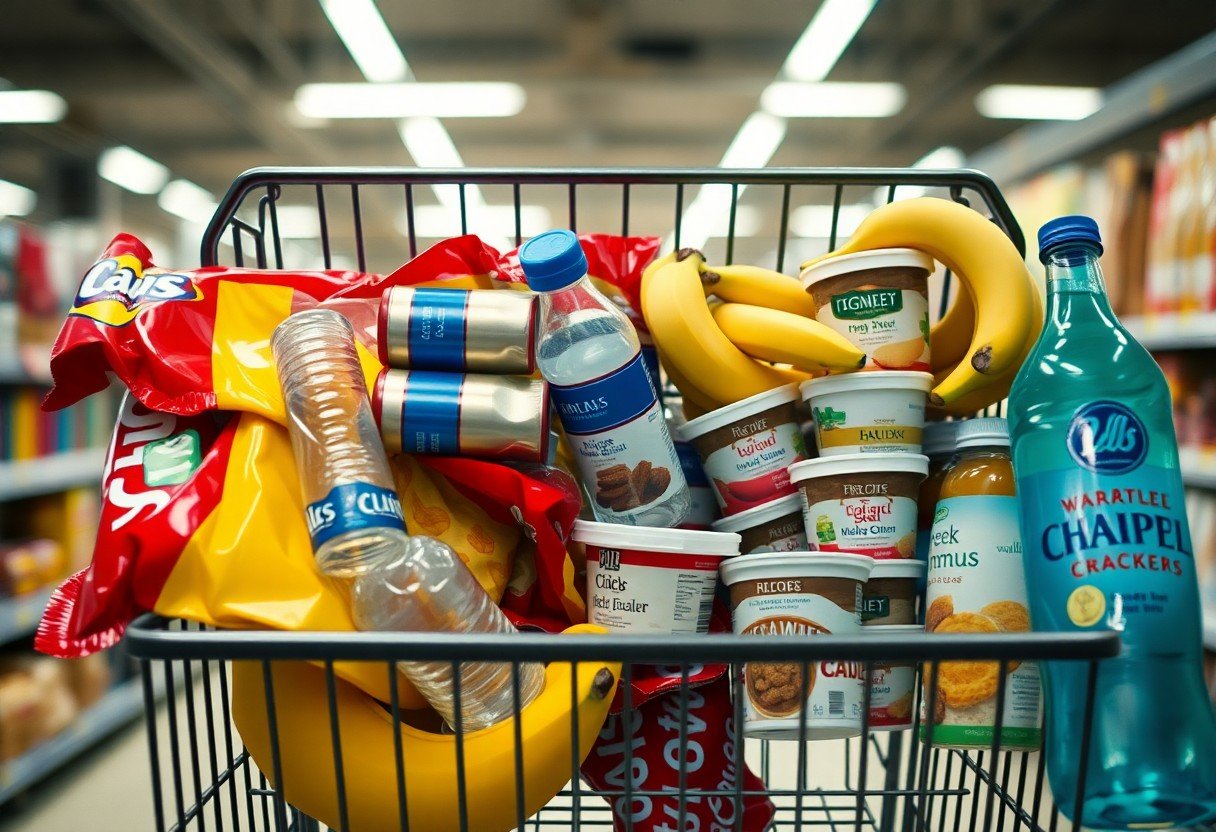
Often labeled by its composition rather than packaging, junk food is highly processed, calorie-dense food with low micronutrient value-think chips, sodas, candy, and many fast-food items. If you scan labels you’ll see added sugars, excess sodium, and unhealthy fats dominate ingredient lists, while fiber, vitamins, and minerals are minimal, making these items poor choices when you need sustained energy or nutrient intake.
Health Risks Associated with Junk Food
For you, regular consumption raises measurable risks: about 42% of U.S. adults had obesity (2017-2018), and one 12-ounce soda alone packs roughly 39 g sugar (~9 teaspoons), exceeding the AHA limit for many people. Many fast-food meals supply >1,500 mg of sodium against the recommended 2,300 mg/day, driving higher blood pressure, insulin resistance, and elevated risk of heart disease and type 2 diabetes.
Research shows mechanisms behind those outcomes: ultra-processed products are engineered for palatability and low satiety, so you eat more calories before feeling full; rapid glycemic spikes from refined carbs promote fat storage and insulin demand; and although the FDA moved to remove partially hydrogenated oils (final compliance by 2018), excess saturated fats and additives still contribute to inflammation and adverse lipid profiles, which observational cohorts consistently link to higher cardio-metabolic disease risk.
Popular Junk Foods and Their Nutritional Impact
You frequently face snacks packed with added sugar, excess sodium, and empty calories: a 12‑oz soda contains about 140-150 kcal and ~39 g sugar, while a typical 1‑oz bag of potato chips runs ~150-160 kcal and high sodium. Large fast‑food fries can reach 400-600 kcal per order. You can explore practical swaps in 20 Healthy Snack Swaps That Taste Great Too to cut these risks.
Savory Snacks
When you crave salty crunch, bags of chips, cheese puffs, and pretzels deliver fast sodium and refined carbs. Try roasted chickpeas, air‑popped popcorn with a teaspoon of olive oil, or edamame for more fiber and protein; a 1/2‑cup serving of edamame gives you roughly 8-9 g protein. You’ll lower sodium and boost satiety by pairing veggies with hummus or a small handful of nuts.
Sweet Treats
Cookies, candy bars, and ice cream load you with sugar and calories – many candy bars contain ~200-300 kcal and 20-30 g sugar. Swap to Greek yogurt with berries, fruit with nut butter, or a single square of dark chocolate to satisfy sweetness without a big sugar spike. Aim to pair carbs with protein to steady your energy.
Digging deeper, you should watch portion sizes and labels: choose whole fruit for fiber, pick plain yogurt and add fruit to avoid hidden sugars, and limit dessert servings to about 150-200 kcal. Also consider homemade frozen banana “nice cream” or single‑serving nut‑butter packets; both give flavor with more nutrients and less refined sugar than typical packaged sweets.

Healthy Alternatives to Savory Snacks
Swap salty, fried favorites for snacks that deliver crunch and flavor while cutting excess sodium and calories. Potato chips average about 150 kcal and 10 g fat per ounce, and pretzels often contain 300-400 mg sodium per ounce. You can choose air-popped popcorn (3 cups ≈ 90-100 kcal, ~3-4 g fiber), roasted chickpeas (1/4 cup ≈ 120 kcal, 6-7 g protein), or baked veggie chips to lower fat and boost nutrients.
Chips and Pretzels
Instead of standard potato chips, try air-popped popcorn with nutritional yeast for a cheesy hit – three cups give ~90-100 kcal and ~3-4 g fiber. Baked whole-grain pita chips or roasted seaweed can halve sodium compared with many bagged options. You should also make oven-baked sweet potato slices or kale chips at home to control oil and salt and keep portion sizes sensible.
Cheese Puffs and Crackers
Cheese puffs typically offer lots of flavor but deliver high calories with little protein (about 150-160 kcal per ounce). Swap to roasted chickpeas, edamame, or a portion-controlled handful of nuts to get 5-8 g protein plus fiber. Pairing 1-2 tbsp hummus or a 1-ounce piece of string cheese with whole-grain crispbreads gives savory satisfaction while boosting satiety and micronutrients.
Focus on snacks that add protein and fiber because research shows they help curb later intake; for example, 1/4 cup roasted chickpeas provides ~6-7 g protein and 5 g fiber, while 1 ounce of almonds offers ~6 g protein. Be wary of packaged cheese crackers with added emulsifiers and very high sodium; making simple swaps or preparing small portions at home often cuts salt and empty calories without losing taste.
Healthy Alternatives to Sweet Treats
Candy and Chocolate
Swap out sugary candy that often contains 15-30 g sugar per serving for 70% dark chocolate (1 oz ≈ 170 kcal, ~7 g sugar, 3 g fiber) or cacao nibs with nuts to add fiber and healthy fat. You can also choose dates stuffed with almond butter or frozen grapes for a sweet hit; just avoid large portions of dried fruit since its concentrated sugar can be dangerous for portion control.
Cookies and Desserts
Replace store-bought cookies (often ~200 kcal and 10-12 g sugar each) with oat-based cookies, chia puddings, or Greek yogurt parfaits that boost protein and fiber; for example, an oat-nut cookie can provide 3-5 g fiber and 4-6 g protein, helping curb cravings and steady your blood sugar. You’ll also cut refined flour by using oat or almond flour and reduce sugar by 25-50% without losing texture.
Try a specific swap: trade a packaged chocolate chip cookie for two homemade oat-almond squares made with mashed banana, 1/2 cup oats, 1/4 cup almond butter and 2 tbsp honey-each square is roughly 120-150 kcal, 4-6 g sugar, and 3-4 g fiber. When you bake, chill dough to reduce spread, replace half the fat with applesauce, and add 1-2 tbsp flax or chia for extra omega-3s and structure.
How to Make Healthy Snack Swaps
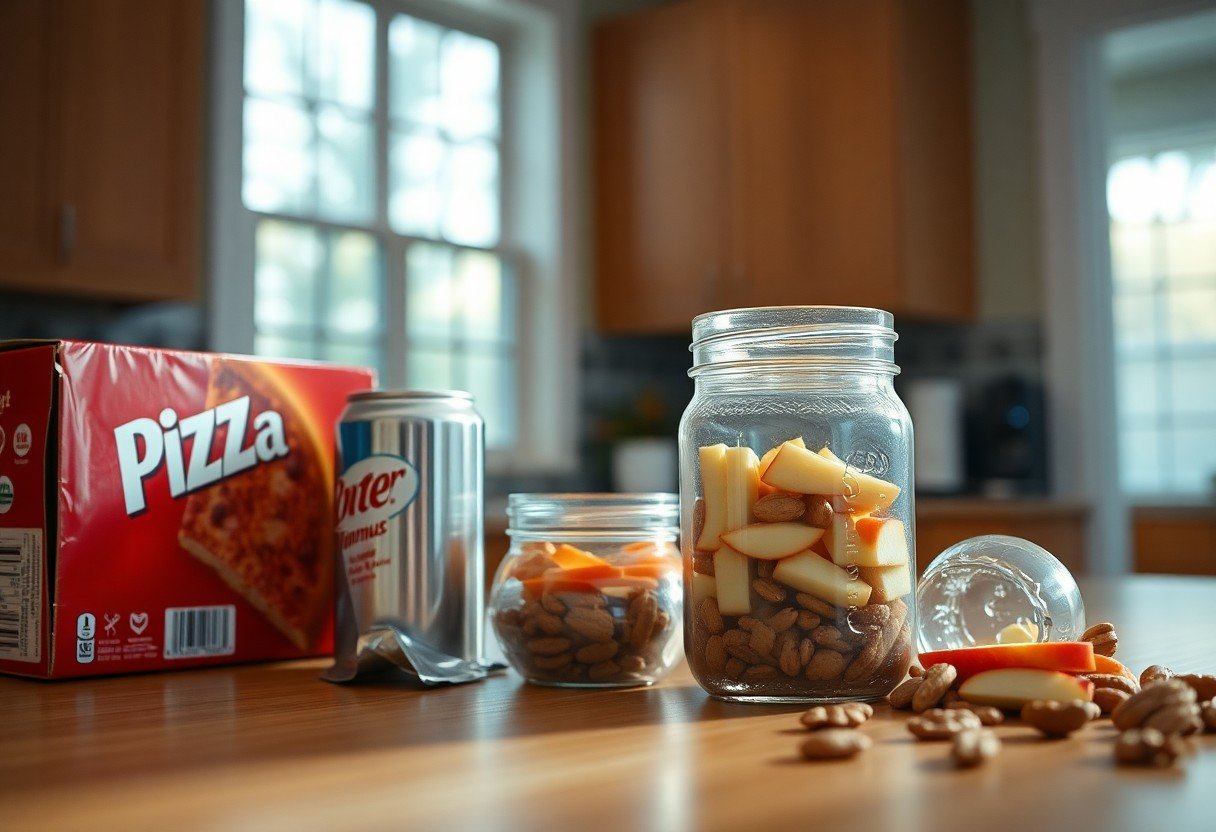
You can make smart swaps by matching texture and flavor while cutting sugar, sodium, and unhealthy fat. Pick snacks with at least 3 g fiber per serving and under 140 mg sodium when possible, plan portions ahead, and swap similar-format foods (chips → air-popped popcorn, candy → dark chocolate with nuts). Try batch-prepping single-serve portions and keep nutrient-dense options visible so you reach for protein, fiber, and whole grains instead of empty calories.
Reading Labels
Compare per-serving figures, not package totals: check serving size first, then scan added sugars (AHA: <25 g/day for women, <36 g/day for men), sodium (under 140 mg is “low”), and fiber (aim for ≥3 g). Prioritize products where whole foods appear as the first ingredients and avoid anything listing “partially hydrogenated” or trans fats. Use the ingredient list to spot hidden sugars (maltodextrin, dextrose) and long ingredient lists with >10 items as a red flag.
Ingredient Substitutions
Replace high-calorie elements with simple swaps: 1 oz potato chips (~150 kcal) → 3 cups air-popped popcorn (~90 kcal); 12 oz soda (~140 kcal) → sparkling water + a squeeze of lime; 2 tbsp sour cream (~60 kcal) → 2 tbsp nonfat Greek yogurt (~20 kcal). In baking, swap half the sugar with mashed banana or unsweetened applesauce and use whole-grain or oat flour instead of white flour to add fiber and micronutrients.
When you experiment, match moisture and binding properties: use mashed avocado or unsweetened applesauce to replace up to 50% of butter in muffins and cookies, and add an extra egg white or tablespoon of flax + water if structure weakens. For savory swaps, roast chickpeas or kale with spices to replicate crunch, and season with herbs, vinegar, or citrus to keep flavor strong while lowering salt and added fat.
Tips for a Healthier Snack Habit
You can favor simple snack swaps like fruit for candy or Greek yogurt for pudding to cut added sugar and excess sodium. Aim for 150-250 calories per snack; a 1‑ounce handful of nuts (≈28 g) is about 160-200 kcal. Use visible storage and pre-portioned containers so you avoid grazing. After making one small change each week you’ll reduce processed-snack intake and feel steadier energy throughout the day.
- Keep healthy snacks visible: fruit bowl, pre-cut veggies, single-serve hummus.
- Pre-portion treats into 30-50 g bags to avoid eating straight from the package.
- Swap soda for sparkling water or kombucha to lower added sugar quickly.
- Choose protein + fiber combos (e.g., apple + nut butter) to curb cravings for 2-4 hours.
Meal Prepping
When you meal prepping, batch-roast vegetables, portion hummus into 3-4 tablespoon servings, and pack single-serve snack boxes with combos like a small apple plus 1 oz almonds; those boxes keep well for 3-4 days in the fridge. Freeze extra portions for up to 3 months, label dates, and rotate flavors weekly so you avoid boredom and impulse buys.
Portion Control
You should aim for 150-250 calories per snack and stop eating from large packages by using small bowls or baggies. Note that 1 oz (28 g) of nuts ≈ 160-200 kcal and 1 cup air-popped popcorn ≈ 30 kcal, so learning these benchmarks helps you choose satisfying, lower‑calorie options.
Practice measuring for two weeks to calibrate your eye: weigh portions, then use visual cues-your fist ≈ 1 cup, handful ≈ 1 oz nuts, thumb ≈ 1 tablespoon. Remove oversized containers, place single-serve options at eye level, and pre-portion snacks to make portion control an automatic part of your routine.
To wrap up
Presently you can transform your snack routine by choosing simple swaps-fresh fruit, nuts, yogurt, air-popped popcorn, and veggie sticks with hummus-that deliver more nutrients, satiety, and steady energy than typical US junk foods. By reading labels, portioning servings, and keeping healthy options visible, you’ll make better choices consistently and support long-term health without sacrificing convenience or flavor.
FAQ
Q: What are healthier swaps for potato chips and crunchy salted snacks?
A: Swap chips for air-popped popcorn lightly tossed with olive oil spray and spices, roasted chickpeas or edamame for a protein boost, baked kale or beet chips for a veggie-based crunch, or thinly sliced and baked sweet potato rounds. Season with nutritional yeast, smoked paprika, or lemon pepper instead of heavy salt. Portion snacks into small containers to avoid overeating and aim for mixes that include fiber and protein to extend fullness.
Q: How can I replace candy bars and chewy sweets without feeling deprived?
A: Try dark chocolate (70% cocoa or higher) paired with a handful of nuts, dates stuffed with almond or peanut butter, or homemade energy balls made from oats, nut butter, and a little honey. Fresh fruit with nut butter or a small serving of dried fruit mixed with unsalted nuts provides sweetness plus fiber and healthy fats to slow sugar spikes. Keep portions modest and choose options with whole-food ingredients to satisfy cravings more sustainably.
Q: What are good alternatives to sugary sodas and energy drinks?
A: Replace soda with sparkling water flavored with citrus, cucumber, or a splash of 100% fruit juice; unsweetened iced tea or cold-brew herbal tea; kombucha with low added sugar; or plain water infused overnight with berries and mint. For an energy lift, try small, regular snacks that combine protein and complex carbs (Greek yogurt with fruit, whole-grain toast with peanut butter) instead of caffeine-and-sugar drinks to avoid crashes.
Q: What can I choose instead of cookies, donuts, and other baked sweets?
A: Opt for oatmeal-based cookies sweetened lightly with mashed banana or applesauce, whole-grain toast topped with ricotta and berries, Greek yogurt parfaits with nuts and a drizzle of honey, or homemade muffins made with whole-wheat flour and less sugar. Protein-rich snacks like cottage cheese with sliced peaches or a hard-boiled egg paired with a piece of fruit help curb sweet cravings and stabilize blood sugar between meals.
Q: What are smart swaps for ice cream and frozen novelty treats?
A: Make “nice cream” by blending frozen bananas with a splash of milk or milk alternative and add cocoa powder, vanilla, or frozen berries for flavor; or freeze plain Greek yogurt with fruit for a probiotic-rich treat. Store-bought choices: look for single-ingredient frozen fruit bars or brands with short ingredient lists and lower added sugar. Add texture and satiety with chopped nuts, toasted coconut, or a sprinkle of cinnamon instead of sugary syrups or candy toppings.