You will use clear steps-targeted nutrition, regular exercise, stress control, adequate sleep-to lower blood glucose and boost insulin sensitivity and reduce risk of serious complications without medication.
Strategic Nutritional Foundations for Glucose Stability
Prioritizing Complex Carbohydrates and Low-Glycemic Index Foods
Favor complex carbohydrates like whole grains, legumes, and non-starchy vegetables to stabilize glucose; choose low-GI options and avoid high-GI sweets and refined starches that trigger rapid, dangerous spikes.
The Impact of Dietary Fiber on Postprandial Spikes
Increase soluble fiber from oats, beans, and fruits to blunt post-meal rises; aim for at least 25-35 g daily to lower peak glucose and improve satiety.
Include both soluble and insoluble fiber with every meal, pairing fiber-rich foods with carbohydrates to slow gastric emptying and reduce postprandial spikes; soluble fiber reduces peak glucose, while sudden large increases may cause bloating and GI upset, so raise intake gradually and track tolerance.
Essential Micronutrients: The Role of Magnesium, Chromium, and Zinc
Balance magnesium, chromium, and zinc through foods like leafy greens, nuts, whole grains, and shellfish because these minerals support insulin signaling and glucose metabolism; magnesium and chromium directly aid insulin sensitivity.
Assess your diet for mineral gaps: aim for roughly 310-420 mg magnesium, 25-35 mcg chromium, and 8-11 mg zinc daily from food first; supplement only if levels are low, since excess zinc or unmonitored supplements can disrupt copper balance and interact with medications, so check labs before starting high-dose supplements.
Lifestyle Optimization and Stress Management
Cortisol Regulation: The Link Between Stress and Hyperglycemia
You can reduce cortisol-driven blood sugar spikes with brief stress breaks, diaphragmatic breathing, and short walks; chronic stress raises glucose and insulin resistance, so limit stimulants and use 5-10 minute resets to blunt acute hyperglycemic surges.
Sleep Hygiene and Its Influence on Metabolic Hormones
Your sleep pattern directly affects insulin and ghrelin rhythms, so aim for consistent 7-9 hours and fixed wake times; irregular sleep increases insulin resistance and raises fasting glucose, undermining glycemic control.
Adjusting your bedtime routine reduces nighttime cortisol and improves insulin sensitivity: establish a fixed sleep window, dim lights an hour before bed, avoid screens 60-90 minutes prior, keep the bedroom cool, and limit late heavy carbs; tracking sleep and treating sleep debt helps lower fasting glucose and postprandial spikes.
Effective Hydration and Natural Adjuncts
The Importance of Hydration in Reducing Blood Sugar Concentration
Water helps dilute blood glucose and supports kidney clearance; if you stay well-hydrated, you can reduce peak glucose spikes. Pair this with balanced meals and follow guidance like Prediabetes Diet to optimize results.
Science-Backed Natural Aids: Apple Cider Vinegar and Cinnamon
Apple cider vinegar before meals and a daily pinch of cinnamon can modestly lower post-meal glucose; consult your clinician if you take insulin because risk of hypoglycemia increases.
Cinnamon at about 1-2 grams daily may improve insulin sensitivity, while a tablespoon of diluted apple cider vinegar before high‑carb meals slows gastric emptying and lowers postprandial spikes; if you take glucose‑lowering drugs, monitor levels closely since combined effects can cause dangerous hypoglycemia. Choose food‑grade vinegar and Ceylon cinnamon to minimize contaminants.

Monitoring Progress and Refining the Personal Plan
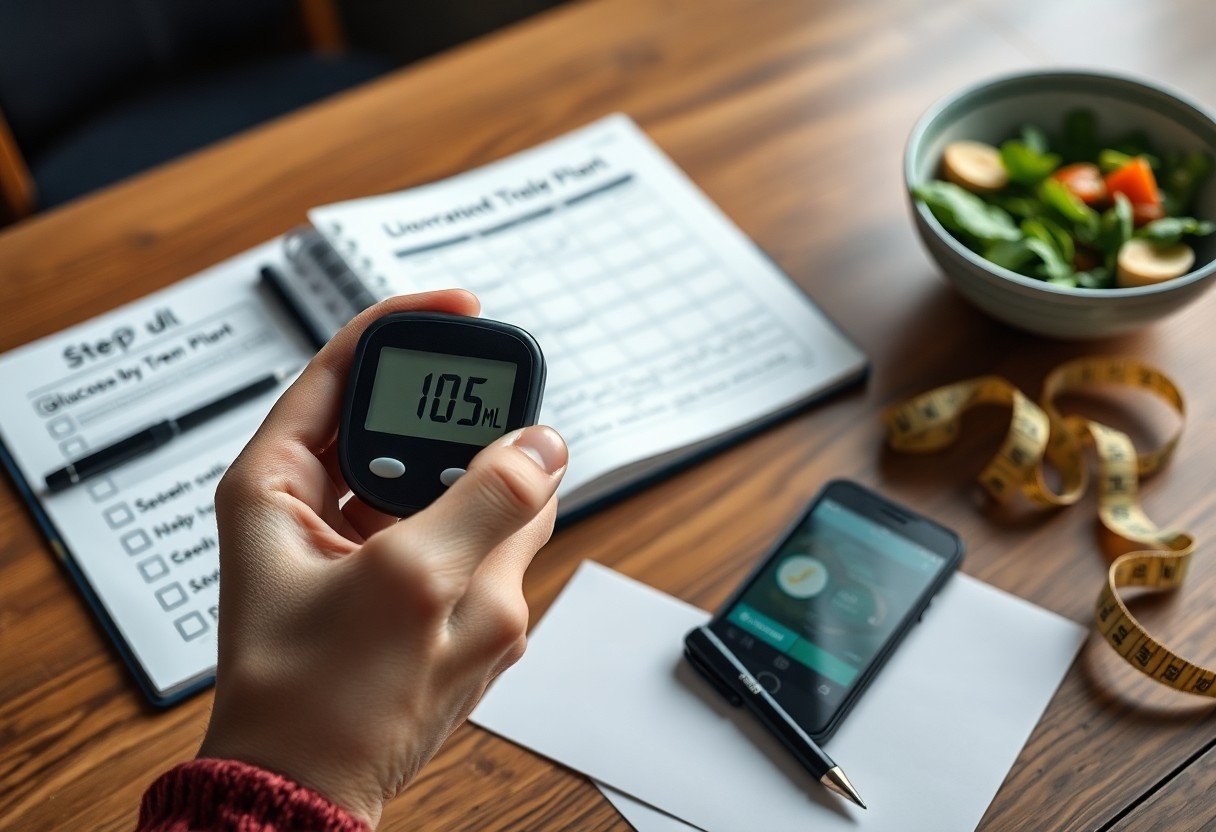
Track your outcomes weekly by logging glucose patterns, meals, sleep and exercise so you can identify what lowers your peaks and what raises risk, then iterate the plan with small, measurable changes to improve control without introducing medication.
Utilizing Continuous Glucose Monitors for Data-Driven Decisions
Use a CGM to view real-time trends, spot post-meal spikes and nocturnal lows, and set alerts that let you adjust portions, timing, or activity based on objective data rather than guesswork.
Adjusting the Protocol Based on Biological Feedback
Compare CGM patterns with meals and symptoms to decide which habit to tweak first, aiming to reduce spikes and avoid dangerous hypoglycemia by changing only one variable at a time.
Refine adjustments by reviewing two-week CGM trends, isolating recurring spikes by time and trigger, and testing targeted changes-adding protein, boosting fiber, shortening portions, or shifting exercise timing. You should change a single variable, log responses, and favor strategies that lower post-prandial peaks while preventing recurrent lows. If you use glucose-lowering drugs, consult your clinician before altering doses or schedules.
Summing up
So you follow a clear step-by-step plan that uses low‑GI meals, consistent activity, portion control, weight loss when needed, quality sleep, stress management, and regular glucose tracking to steady levels and improve HbA1c without medication.

FAQ
Q: What is the step-by-step plan for controlling blood sugar without medication?
A: Start with a baseline assessment: fasting glucose, A1c, weight, waist circumference, blood pressure, and a review of current medications and medical history with your clinician. Adopt dietary changes that prioritize whole foods, controlled portions, lower glycemic-load carbohydrates, adequate protein, healthy fats, and plenty of nonstarchy vegetables. Add structured physical activity: aim for at least 150 minutes per week of moderate aerobic exercise and two sessions weekly of resistance training, plus short walks after meals. Improve sleep quality and reduce chronic stress through consistent sleep schedules, relaxation techniques, and stress-reduction practices. Track progress with home glucose checks or continuous glucose monitoring, a food and activity log, and repeat A1c every 3 months while adjusting the plan. Seek medical supervision for medication adjustments and for any signs of unstable glucose.
Q: Who can safely try blood sugar control without medication?
A: Adults with prediabetes or newly diagnosed type 2 diabetes with mild hyperglycemia are often good candidates for an initial trial of lifestyle-first approaches under clinician supervision. People already taking glucose-lowering medications should not stop or change doses without medical guidance because of hypoglycemia risk or loss of glucose control. Pregnant people and individuals with type 1 diabetes or history of severe hypoglycemia should work closely with specialists and generally require medical therapy. Individuals with significant comorbidities should get personalized medical clearance before major exercise or dietary change.
Q: What specific dietary changes lower blood sugar most effectively?
A: Reduce intake of refined carbohydrates and added sugars, replacing them with whole grains in moderation, legumes, vegetables, nuts, and seeds. Prioritize fiber-rich foods and include a protein source and healthy fat with each meal to slow glucose absorption. Use the plate method: fill half the plate with nonstarchy vegetables, one quarter with lean protein, and one quarter with a controlled portion of carbohydrate. Focus on portion control and consistent carbohydrate distribution across meals, aiming to avoid large single-meal glucose spikes. Consider tracking carbohydrate grams per meal (common targets range from 30-60 g per meal depending on individual needs) and experiment with lower-carb meals to see effects on postprandial glucose. Stay hydrated and limit sugary beverages and high-calorie processed foods.
Q: How should exercise be incorporated into the plan to improve glucose control?
A: Aim for at least 150 minutes per week of moderate-intensity aerobic activity such as brisk walking, cycling, or swimming, spread over at least three days with no more than two consecutive inactive days. Add resistance training two to three times per week targeting major muscle groups to increase insulin sensitivity and preserve lean mass. Perform short 10-15 minute walks after meals, especially after the largest meal, to blunt postprandial glucose spikes. Start at a comfortable intensity and progressively increase duration or intensity as fitness improves, seeking clearance if you have cardiovascular risk or complications.
Q: How should progress be monitored and how often should targets be checked?
A: Check fasting glucose and one- to two-hour postprandial values with a fingerstick meter according to a schedule agreed with your clinician; daily checks are helpful early on while changing diet or activity, then less frequent once stable. Repeat A1c approximately every 3 months until target is reached, then every 3-6 months for maintenance. Maintain a simple log of meals, activity, weight, and glucose readings to identify patterns. Consider continuous glucose monitoring for richer data if cost and access allow. Use trends rather than single values to guide adjustments.
Q: What realistic timeframes and outcomes can be expected from a nonmedication plan?
A: Blood glucose improvements can be seen within days to weeks for postprandial values and within 8-12 weeks for measurable A1c reductions. A modest weight loss of 5-10 percent of body weight often yields clinically meaningful improvements in insulin sensitivity and A1c. Lifestyle changes can reduce A1c by roughly 0.5-1.5 percent depending on baseline levels and adherence. Long-term maintenance requires sustained behavior change; initial rapid gains may plateau and need further adjustments in diet, activity, or professional support.
Q: What safety issues and warning signs require medical attention while pursuing this plan?
A: Low blood sugar (symptoms such as sweating, shaking, confusion) can occur if you are taking insulin or insulin secretagogues and make rapid changes to diet or activity; do not alter medications without clinician input. High glucose symptoms (extreme thirst, frequent urination, nausea, confusion, fruity breath) require prompt medical evaluation. Seek urgent care for severe or prolonged hyperglycemia, repeated hypoglycemia, signs of infection, or if pregnant. Inform your clinician about any supplements, meal replacements, or over-the-counter products before use, since some can affect glucose or interact with medications.