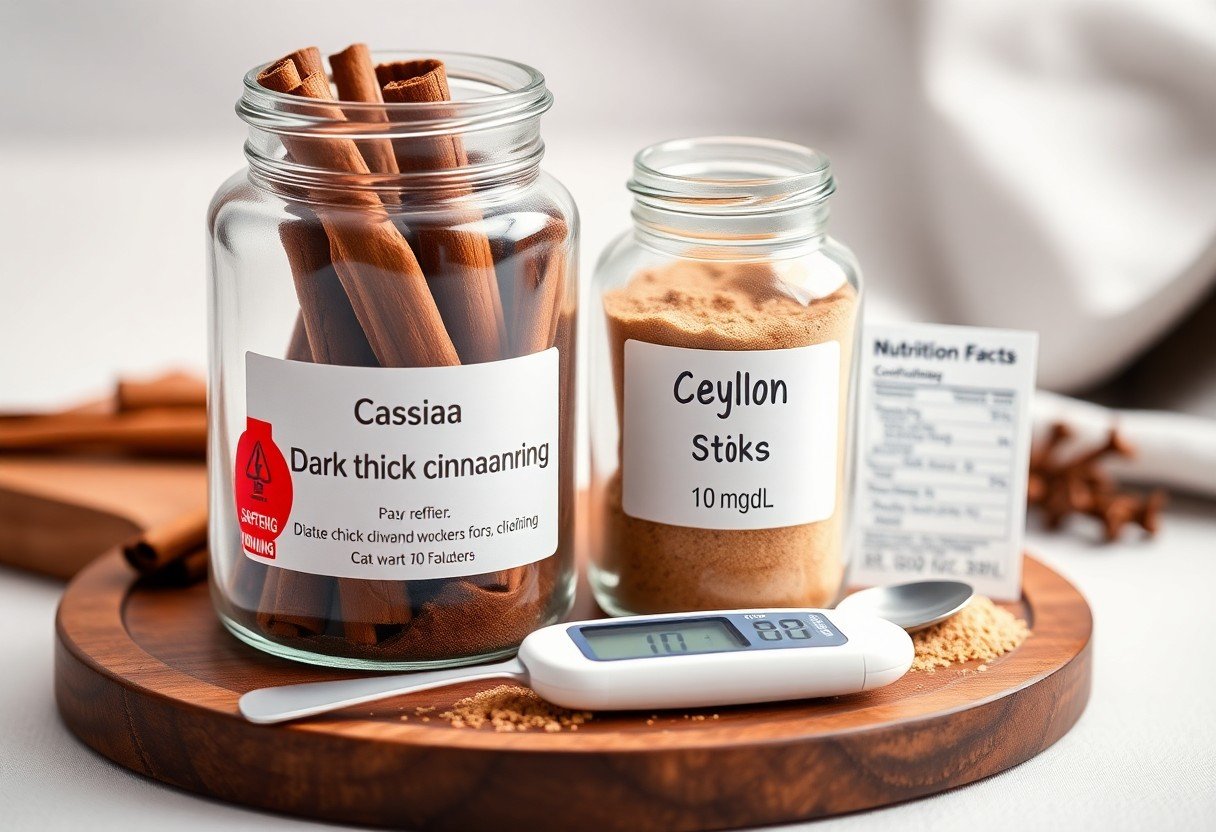
Over recent studies, you should note that Cassia contains high coumarin, which can cause liver damage, while Ceylon offers low coumarin and safer, modest blood-sugar benefits-consult your clinician before use.
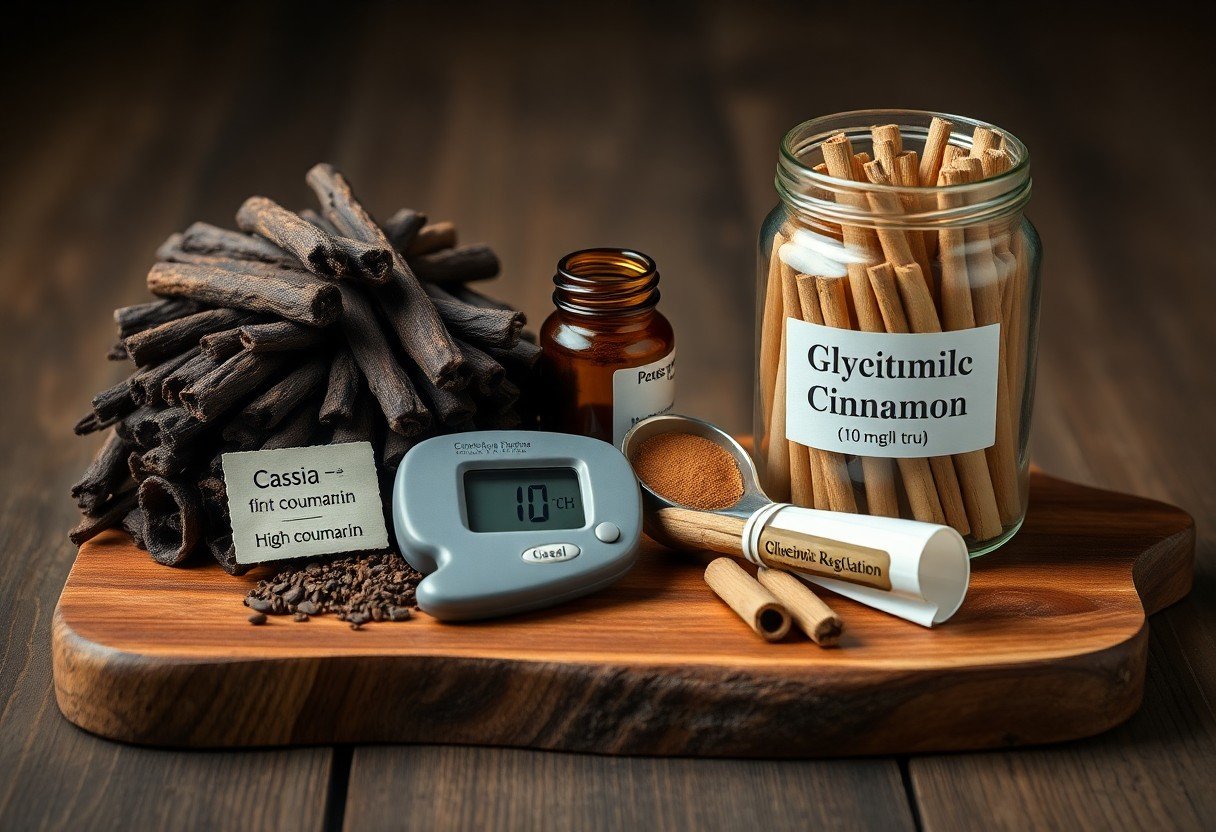
The Science of Cinnamon and Glycemic Regulation
Insulin Mimicry and Glucose Transport Mechanisms
Cinnamon extracts activate insulin signaling and increase GLUT4 translocation, so you experience improved cellular glucose uptake; studies show cinnamon compounds can mimic insulin action and boost glucose transport, although effects depend on dose and cinnamon species.
Impact on Postprandial Blood Sugar Spikes
After meals, cinnamon may reduce glycemic surges by slowing carbohydrate digestion and supporting peripheral uptake, giving you smaller postprandial spikes in some trials, while results remain variable across populations and formulations.
Clinical investigations suggest cinnamon inhibits intestinal enzymes like alpha‑glucosidase, delays gastric emptying, and sharpens insulin receptor signaling, so you can see modest post-meal glucose reductions; pay attention to cinnamon type because Cassia contains much higher coumarin, and chronic high intake may risk liver toxicity.
Summary of Clinical Research and Human Trials
Trials report mixed outcomes: you may get small drops in fasting glucose or HbA1c in some studies, but inconsistent methods, short durations, and variable cinnamon types limit certainty; prefer Ceylon for lower coumarin if you plan regular use.
Meta-analyses reveal small, inconsistent glycemic benefits across studies using 120 mg-6 g/day for weeks to months, so you should weigh modest efficacy against safety concerns; if you have liver disease or take anticoagulants, avoid high-dose Cassia and discuss any supplement with your clinician due to coumarin-related bleeding or hepatotoxicity risks.
Cassia Cinnamon: Profile and Prevalence
Botanical Characteristics of Cinnamomum Cassia
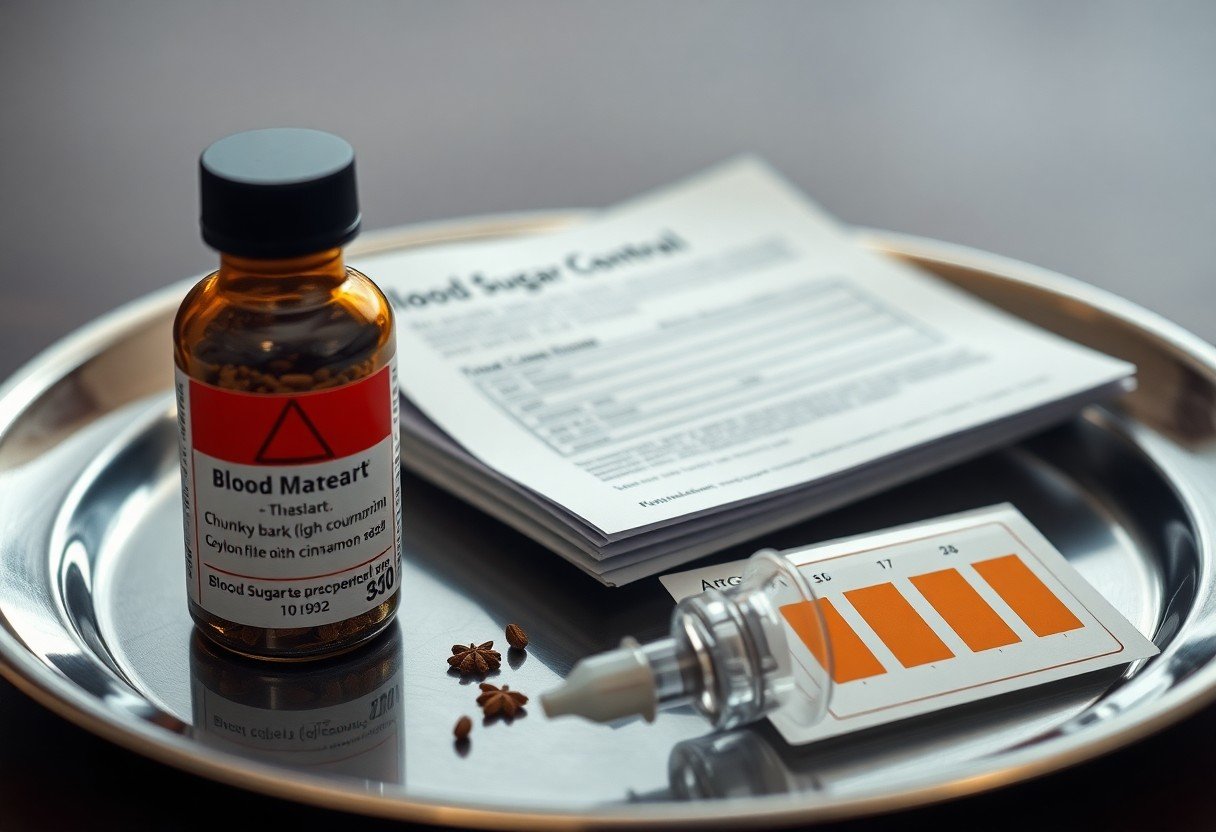
Cinnamomum cassia has thick, hard, dark-brown bark and broader leaves; you will find it commonly labeled simply as cinnamon in stores. Its aroma is stronger than Ceylon, and it contains higher coumarin levels that can harm the liver with long-term intake.
Effectiveness in Managing Type 2 Diabetes
Clinical trials show you may see modest reductions in fasting glucose and HbA1c with cassia, but results vary and doses differ; the benefit is often small and short-term, while coumarin toxicity raises safety concerns at higher intakes.
Meta-analyses report you can expect small average HbA1c reductions (~0.5% or less) and lowered fasting glucose in some trials, yet heterogeneity and limited study quality restrict certainty; the more pressing issue is cassia’s high coumarin content, which can cause liver injury if you take large or prolonged doses, so discuss use with your clinician and consider Ceylon for chronic supplementation.
Ceylon Cinnamon: The “True” Alternative”
Distinguishing Features of Cinnamomum Verum
Ceylon cinnamon has thin, papery quills and a subtler aroma; you’ll find it contains very low coumarin, making it the safer option versus Cassia’s high coumarin levels that can cause liver toxicity if you consume it frequently.
Therapeutic Advantages and Bioavailability
Clinical studies indicate you may see modest fasting-glucose reductions and improved insulin sensitivity with Ceylon, but bioavailability varies by preparation, so standardized extracts often provide more consistent active compounds than plain ground bark.
You should note the main actives-cinnamaldehyde and polyphenols-offer antioxidant and insulin-sensitizing effects, yet your benefit hinges on dose and formulation; standardized extracts or alcohol-water preparations typically increase bioavailability. If you’re using glucose-lowering drugs, monitor for additive effects and possible hypoglycemia, and consult your clinician before long-term high-dose use.
Dosage Guidelines and Safe Supplementation
Determining the Tolerable Daily Intake (TDI)
Guidance from EFSA sets the coumarin TDI at 0.1 mg/kg body weight per day; for a 70 kg adult that’s roughly 7 mg coumarin, so limit cassia to occasional use and choose Ceylon for daily supplementation.
Navigating Supplement Labels and Purity Standards
Check product labels for the botanical name (Cinnamomum verum vs. C. cassia), listed coumarin content, and third‑party testing seals; prefer supplements with COA and heavy‑metal testing.
Seek brands that provide batch‑specific certificates of analysis, disclose extraction methods, and test for coumarin, pesticides, and heavy metals; if coumarin isn’t reported, assume the product is cassia and limit its use.
Potential Contraindications and Drug Interactions
Avoid high‑dose cassia if you take anticoagulants or have liver disease; coumarin raises bleeding and hepatotoxicity risks, and cinnamon can amplify hypoglycemia with diabetes drugs.
Consult your prescriber before starting cinnamon supplements if you use warfarin, insulin or sulfonylureas, or if you have chronic liver disease; they may require monitoring, lower drug doses, or recommend Ceylon at conservative amounts.
Integrating Cinnamon into a Metabolic Health Plan
You can incorporate cinnamon strategically, prioritizing Ceylon cinnamon because of its low coumarin profile while avoiding high-coumarin Cassia; consult comparative reviews such as A tale of two cinnamons: A comparative review of the … before increasing use.
Culinary Strategies for Blood Sugar Support
Try using Ceylon cinnamon in yogurt, oatmeal, smoothies, and savory rubs to support glycemic control; prefer whole sticks or ground Ceylon to limit coumarin exposure from Cassia.
The Importance of Medical Supervision and Monitoring
Discuss cinnamon use with your clinician, since cinnamon can amplify glucose-lowering medications and raise the risk of hypoglycemia; bring labels and note Cassia vs Ceylon when reviewing supplements.
Monitor your blood glucose and liver enzymes regularly after adding cinnamon, especially if you take insulin, sulfonylureas, or have liver disease; your clinician may need to adjust medication dosages, order periodic ALT/AST testing, or recommend switching to low-coumarin Ceylon to avoid coumarin toxicity linked to high-dose Cassia products.
Summing up
From above, you should favor Ceylon or low-coumarin extracts for blood sugar support because Cassia can deliver harmful coumarin doses; discuss cinnamon use with your clinician, monitor glucose and medication interactions, and limit high-dose Cassia to reduce liver risk.
FAQ
Q: Can cinnamon help lower blood sugar in people with diabetes?
A: Evidence from clinical studies shows modest improvements in fasting blood glucose, HbA1c, and insulin sensitivity with cinnamon use in some populations. Effects vary by study design, cinnamon type, dose, and baseline glucose control. Trials using whole cinnamon or standardized extracts report mixed results; some demonstrate clinically meaningful reductions while others show no benefit. Cinnamon should not replace prescribed diabetes medications. Discuss adding cinnamon with your healthcare provider and monitor blood glucose closely if you try it.
Q: What is the difference between Cassia and Ceylon cinnamon, and why is there a safety warning?
A: Cassia (Cinnamomum cassia) contains substantially higher levels of coumarin, a natural compound that can cause liver injury and interact with anticoagulant drugs when consumed in excess. Ceylon (Cinnamomum verum or C. zeylanicum) has much lower coumarin levels and is the safer choice for regular use. Labels often fail to specify species, so look for products labeled “Ceylon” or “true cinnamon” and buy from reputable suppliers. Concentrated cinnamon extracts and supplements can deliver higher active compounds and coumarin per dose than powdered bark; check for third-party testing when possible.
Q: How much cinnamon is safe and what doses have been used for blood sugar control?
A: Regulatory bodies such as the European Food Safety Authority set a tolerable daily intake for coumarin at 0.1 mg per kg body weight, which can be used as a safety benchmark to reduce liver risk. Ceylon cinnamon provides minimal coumarin and is generally considered safer for daily culinary use, while regular use of Cassia can lead to exceeding the tolerable intake depending on dose and frequency. If you choose cinnamon for glucose control, begin with small amounts (for example, up to a teaspoon of Ceylon daily) and avoid multiple grams of Cassia each day. Consult a clinician to determine an appropriate dose, especially if you have liver disease or take anticoagulants or glucose-lowering medications.
Q: Who should avoid cinnamon or use it only under medical supervision?
A: People on warfarin or other blood thinners should avoid high-coumarin cinnamon (Cassia) because coumarin can increase bleeding risk and alter INR. Individuals taking insulin or sulfonylureas should use cinnamon cautiously due to the potential for additive glucose-lowering and hypoglycaemia; frequent glucose monitoring is necessary if combined with these medications. Patients with existing liver disease, pregnant or breastfeeding people, and young children should consult a healthcare professional before using cinnamon supplements or high doses of ground cinnamon. Allergy to cinnamon or gastrointestinal sensitivity are additional reasons to avoid or stop use.
Q: How can I choose a safer cinnamon product and monitor for side effects?
A: Choose Ceylon (“true cinnamon”) for routine use to minimize coumarin exposure and prefer whole bark or ground forms from reputable brands that identify species. For supplements, select products with third-party testing for purity, coumarin levels, and potency, and follow label dosage; avoid high-dose extracts without medical supervision. Monitor fasting glucose and HbA1c and watch for symptoms of liver injury such as jaundice, dark urine, unexplained fatigue, or abdominal pain; stop use and seek medical attention if these occur. Inform your healthcare team about any cinnamon use so they can adjust medications and order labs as needed.