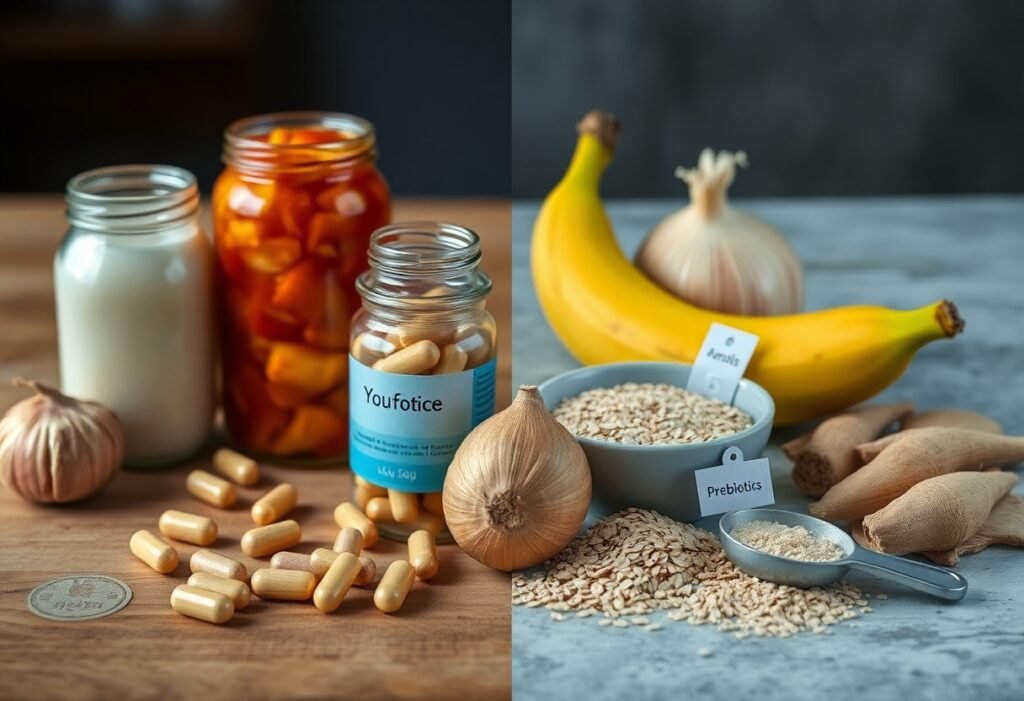

Over one simple routine – a balanced diet, consistent sleep, and strict hygiene – you can reduce infection risk; poor sleep and high sugar increase illness. Use healthy meals, set bedtime, and teach handwashing to strengthen your child’s natural defenses.
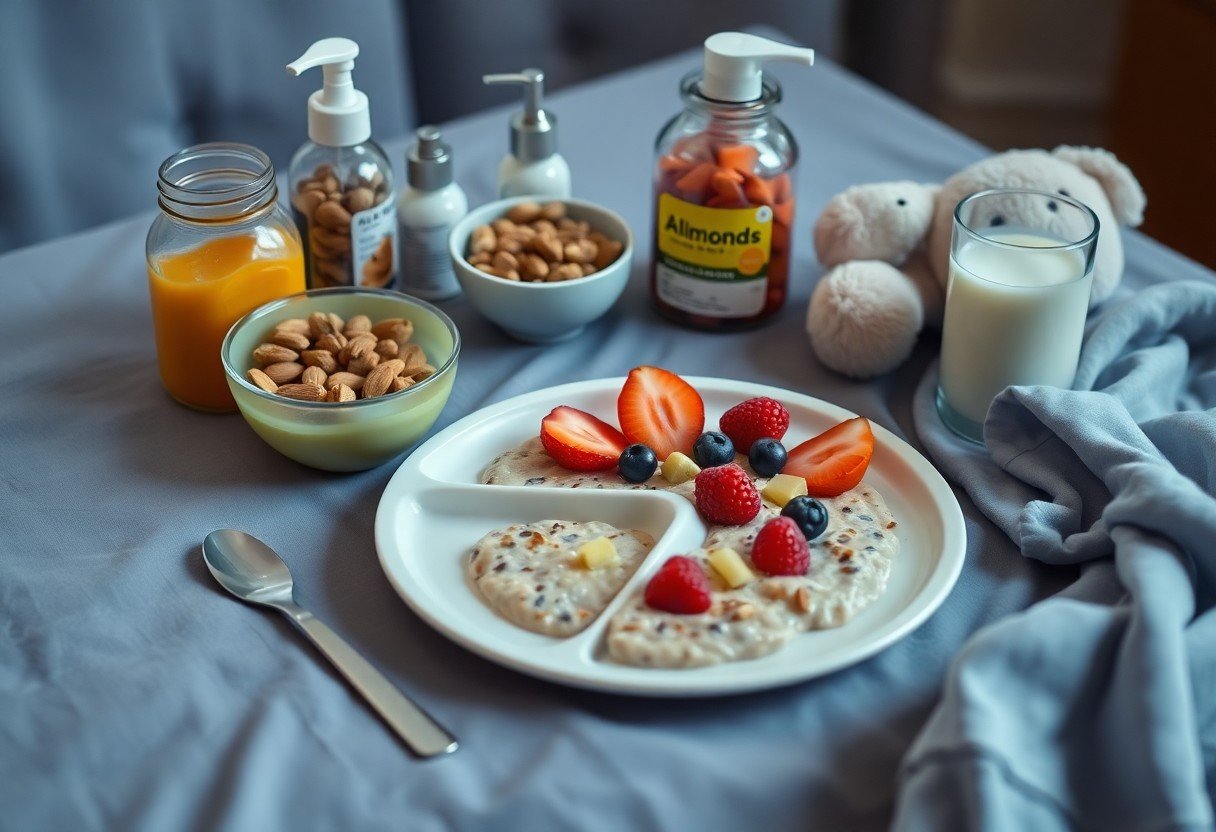
How to Optimize Nutrition with Immune-Boosting Superfoods
Incorporating Vitamin C-Rich Fruits and Vegetables
Citrus fruits, bell peppers and strawberries deliver Vitamin C to support antibody production and speed recovery; include them daily in smoothies, salads, or snacks to give your child consistent immune support.
The Role of Probiotics and Gut Health in Defense
Fermented foods like yogurt and kefir plus fiber-rich vegetables feed the gut microbiome and supply probiotics that help regulate immune responses; offer these regularly to strengthen your child’s infection resistance.
Include a mix of yogurt with live cultures, kefir, sauerkraut, miso and tempeh to introduce diverse beneficial microbes, and add bananas, oats and onions for prebiotic fiber that feeds them. Watch antibiotics, since antibiotics can disrupt balance; consult your pediatrician before probiotic supplements and avoid raw honey for infants under one year.
Essential Minerals: Zinc and Iron for Cellular Support
Zinc-rich foods like oysters, meat and legumes and iron from lean meats and fortified cereals support cellular immune function; offer varied sources and consult your pediatrician if you suspect deficiency.
Check iron absorption by pairing iron foods with Vitamin C-rich produce and limiting phytate-heavy meals at the same sitting; monitor for pale skin, fatigue or frequent infections as possible deficiency signs. Avoid high-dose supplements without medical advice-iron overdose is dangerous and excessive zinc can cause nausea and impair copper absorption.
Managing Hygiene and Environmental Factors
Focus on consistent household routines that reduce pathogen load and limit environmental triggers so you protect your child’s defenses. Keep cleaning targeted to high-touch areas, wash toys during illness, and avoid overuse of chemical disinfectants to maintain microbial balance. The daily habits you model-handwashing, safe cleaning, and smoke-free spaces-directly support stronger immunity.
- hygiene
- handwashing
- clean home
- over-sanitizing
- secondhand smoke
- air quality
- ventilation
Proper Handwashing Techniques to Prevent Pathogen Spread
Practice thorough handwashing with soap and water for at least 20 seconds, covering palms, between fingers and under nails to remove germs before eating and after toilet use.
How to Maintain a Clean Home Without Over-Sanitizing
Avoid daily use of harsh disinfectants; focus on visible dirt removal, weekly bedding washes, and targeted disinfection during illness to protect beneficial microbes in your child’s environment.
Balance targeted cleaning by disinfecting high-touch surfaces during sickness with EPA-approved products, using gentle, non-toxic cleaners for routine tasks, and laundering stuffed toys; you should skip antibacterial soaps and broad-spectrum sanitizers that increase over-sanitizing risks.
Reducing Exposure to Secondhand Smoke and Pollutants
Eliminate indoor smoking, ban smoking in cars, and use a certified air purifier when necessary to lower particulate exposure that damages young lungs.
Outdoor and indoor sources matter: you can insist on a strict smoke-free home and ask visitors to smoke off-property, clean curtains and upholstery to remove residues, avoid idling near play areas, and consider HEPA filters plus improved ventilation to reduce lingering pollutants.
Addressing Psychological Factors and Reducing Stress
Managing your child’s emotional climate lowers damaging stress and helps preserve the immune system; you should model calm reactions and keep routines consistent to reduce physiological strain on their defenses.
- Routine and predictability
- Sleep hygiene to normalize hormone cycles
- Nutrition that supports recovery
- Any persistent anxiety or behavioral change warrants professional assessment
The Impact of Cortisol on a Child’s Immune Response
Cortisol spikes during stress and can suppress key immune cells, lowering your child’s infection resistance; you can limit chronic stressors to protect antibody production and white blood cell function.
Tips for Reducing Childhood Anxiety and Tension
Simple practices-short breathing exercises, predictable schedules, and regular play-reduce anxiety and help your child regain balance so physiological stress does not undermine immunity.
- Breathing or grounding techniques
- Play and outdoor activity
- Consistent bedtime routine
- Assume that prolonged or severe symptoms need clinical support
You can introduce brief daily rituals-five minutes of guided breathing, a calming pre-bed routine, and empathetic check-ins-to lower cortisol spikes and strengthen your child’s coping skills, which supports immune health.
- Guided breathing for stress relief
- Movement to discharge tension
- Connection through calm conversations
- Assume that persistent or worsening anxiety requires professional evaluation
Conclusion
Drawing together diet, sleep, and hygiene, you build your child’s defenses by offering varied nutrient-rich meals, consistent sleep schedules, and simple handwashing habits; consult a pediatrician for tailored guidance and keep vaccinations up to date.
FAQ
Q: Which foods should I provide to naturally strengthen my child’s immune system?
A: A varied, nutrient-dense diet supports immune health. Include plenty of colorful fruits and vegetables for vitamin C and antioxidants, such as citrus, berries, kiwi, bell peppers, broccoli, spinach, and carrots. Provide lean proteins like poultry, fish, eggs, beans, and lentils to supply amino acids needed for immune cells. Add sources of zinc and iron such as meat, chickpeas, pumpkin seeds, and fortified cereals. Include healthy fats from avocados, nuts (age-appropriate), seeds, and olive oil to support cell function. Serve probiotic foods like plain yogurt or kefir to help balance gut bacteria. Limit sugary snacks and processed foods that can displace nutrient-rich choices and increase infection risk.
Q: How much sleep does my child need and how can I improve sleep quality?
A: Adequate sleep strengthens immune response and recovery. Recommended daily sleep ranges: infants 4-12 months 12-16 hours including naps, toddlers 1-2 years 11-14 hours, preschoolers 3-5 years 10-13 hours, school-age 6-12 years 9-12 hours, teenagers 13-18 years 8-10 hours. Create a consistent bedtime routine that includes calming activities like a bath, reading, and dim lights. Make the sleep environment cool, dark, and quiet and remove screens at least one hour before bed. Encourage regular wake and sleep times, avoid heavy meals or sugary drinks close to bedtime, and ensure daytime physical activity to support nighttime sleep.
Q: What hygiene habits help prevent infections in children?
A: Proper hygiene reduces germ spread and illness. Teach thorough handwashing with soap and water for at least 20 seconds, especially before eating, after using the restroom, after coughing or sneezing, and after playing outside. Model and practice covering coughs and sneezes with the elbow or a tissue, disposing of tissues, and washing hands afterward. Clean and disinfect high-touch surfaces and shared toys regularly, and follow safe food-handling practices such as proper cooking and avoiding cross-contamination. Avoid sharing utensils and cups, maintain good dental hygiene with regular brushing, and keep children home when contagious to limit exposure to others.
Q: Should I give my child supplements like vitamin D or probiotics?
A: Supplements can be helpful when dietary intake or sun exposure is insufficient, but medical guidance is recommended. Vitamin D supplementation of about 400 IU daily is commonly advised for exclusively breastfed infants; older children may need supplements during months with limited sun exposure or if blood tests indicate deficiency. Probiotics may reduce antibiotic-associated diarrhea and support gut health in some cases, but routine use for immune boosting is not universally necessary. Avoid high-dose vitamin C or zinc supplements without pediatrician approval because excessive intakes can cause harm. Consult your child’s healthcare provider before starting any supplement to determine appropriate type and dose.
Q: What daily routines and lifestyle habits support a child’s immune system beyond diet and sleep?
A: Regular routines create steady support for immune health. Encourage daily physical activity appropriate for age to improve circulation and immune function. Promote outdoor play for fresh air and natural sunlight exposure, which helps maintain vitamin D levels. Keep children well-hydrated with water and limit sugary beverages that can displace nutritious options. Minimize exposure to secondhand smoke and indoor pollutants, maintain up-to-date vaccinations, and schedule routine pediatric visits for growth and immune monitoring. Monitor for signs of serious illness such as high fever lasting more than 48 hours, difficulty breathing, or severe lethargy, and contact a healthcare professional if these occur.