Many people suffer bloating; you can try seven natural remedies that deliver fast relief, ease gas and discomfort, and improve digestion-seek medical care for severe, sharp pain, persistent vomiting, or fever.
Understanding the Root Causes of Abdominal Bloating
Common causes include swallowed air, bacterial fermentation, hormonal shifts, and slow motility; you should learn to tell gas from water retention and constipation-related bloating to target relief.
Distinguishing Between Gas, Water Retention, and Slow Digestion
Gas often feels like sharp, moving pressure you can ease by burping or passing wind; water retention creates a steady tightness you reduce by lowering sodium, and slow digestion leaves you persistently full and constipated.
Identifying Common Dietary and Environmental Triggers
Processed foods, artificial sweeteners, dairy, and high-FODMAP items often provoke bloating, and you may notice symptoms worsen with stress, slow breathing, or lack of activity; reducing these triggers usually brings quick relief.
Look at patterns by keeping a food-and-symptom diary for two weeks so you can spot if lactose, gluten, FODMAPs, or carbonated drinks trigger your bloating. You should cut suspected items for several days, reintroduce them one at a time, and limit high-sodium processed snacks. Seek a medical evaluation if you have severe pain, blood in stool, or unexplained weight loss.
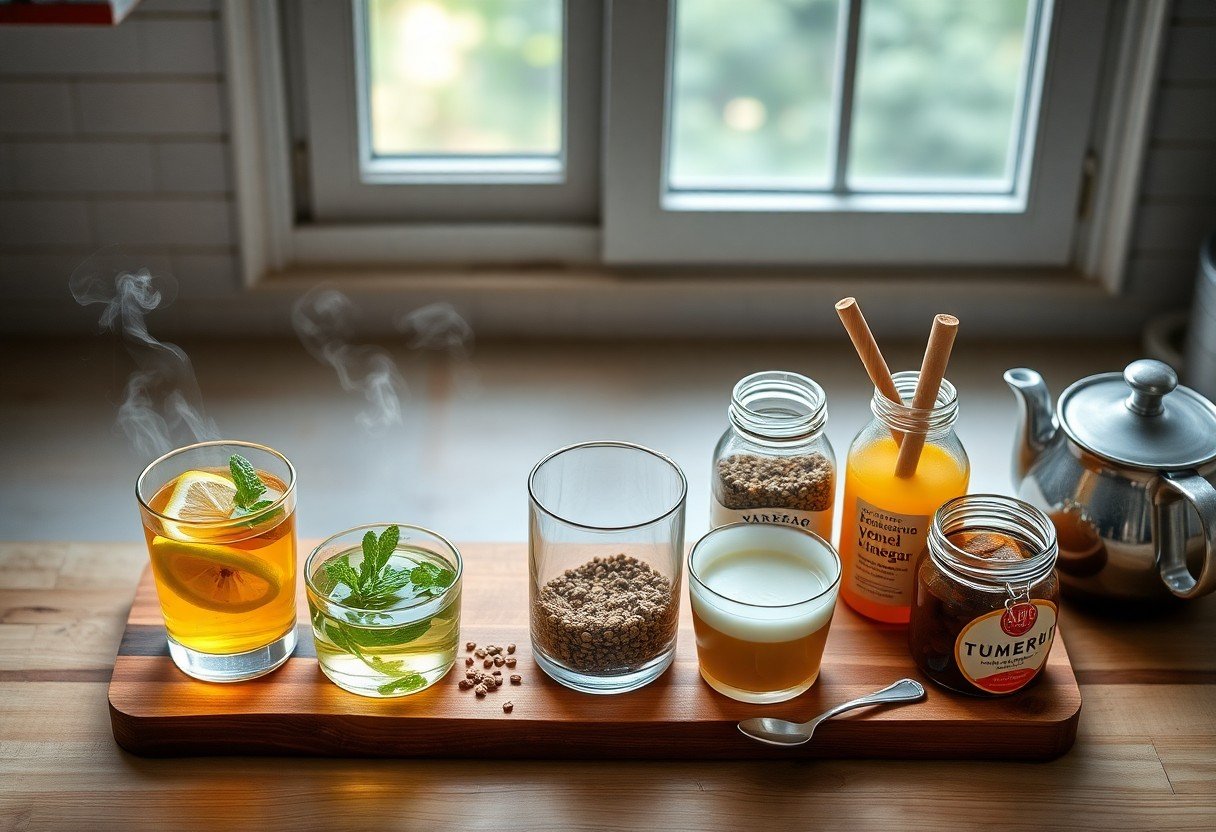
Herbal Infusions for Rapid Digestive Comfort
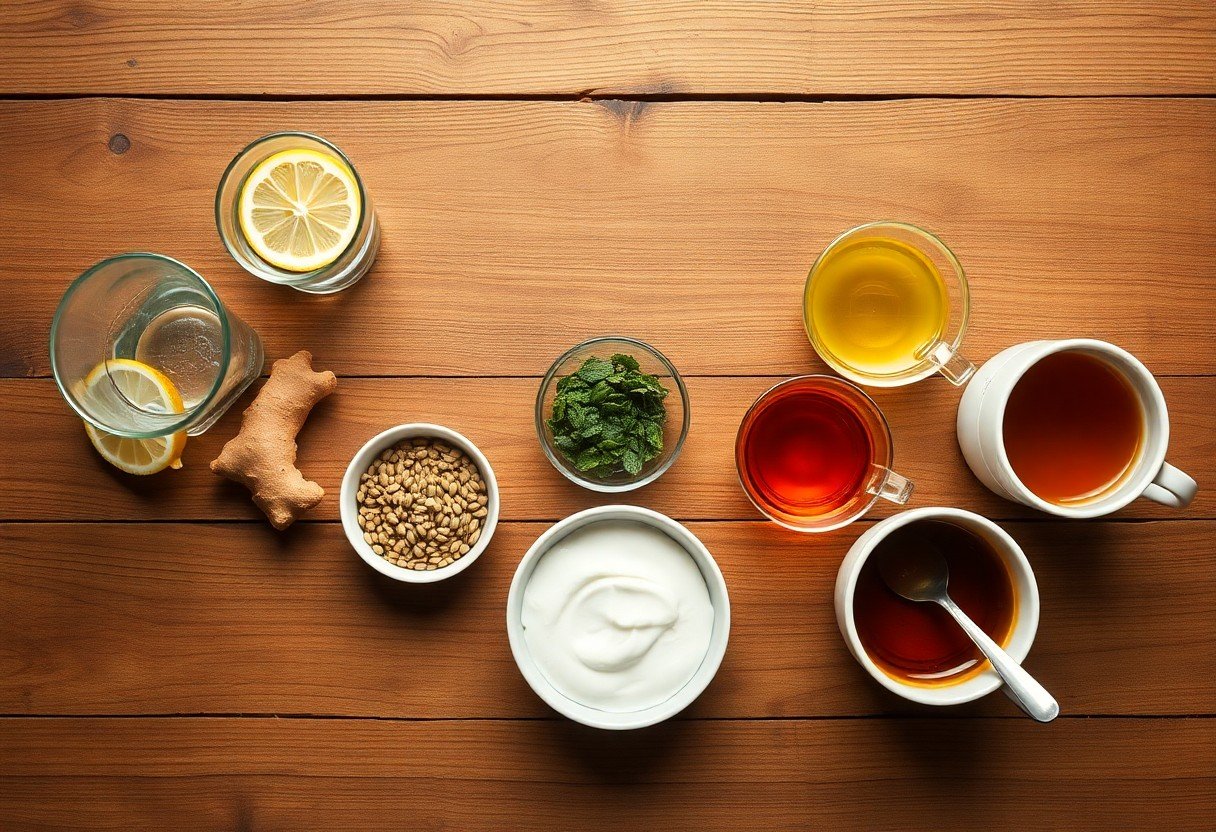
You can sip targeted herbal infusions between meals to calm gas and tension quickly – steep 5-10 minutes and take small, warm sips for fast comfort that complements the other strategies you’ve already tried.
Peppermint: The Antispasmodic Powerhouse for Muscle Relaxation
Peppermint tea relaxes intestinal muscles via menthol, offering rapid antispasmodic relief for cramps and bloating; avoid it if you have GERD, since it can worsen reflux.
Ginger and Fennel: Natural Accelerants for Gastric Emptying
Ginger paired with fennel speeds gastric emptying and reduces nausea, so you can move gas and food more quickly; consult your doctor if you take blood thinners.
Combine fresh ginger (about a 1-inch slice) with a teaspoon of crushed fennel seeds in boiling water, steep 8-10 minutes, then strain and sip slowly to promote a quicker gastric emptying effect that often eases bloating within an hour; if you are pregnant, breastfeeding, or on anticoagulants, check with your clinician before regular use.

Physical Movement and Manual Relief Techniques
Physical movement and gentle manual techniques help you relieve bloating faster by moving gas and stimulating digestion; simple actions like gentle walking, pelvic tilts and tummy massages can offer immediate relief, but stop and seek care if you have severe abdominal pain, fever, or vomiting.
Targeted Yoga Poses to Stimulate the Digestive Tract
Try spinal twists, wind-relieving pose (Pavanamuktasana) and child’s pose for 30-60 seconds each to stimulate intestinal movement and ease trapped gas while you focus on slow, diaphragmatic breathing.
The Abdominal Massage Technique for Trapped Gas Release
Use gentle, clockwise circular pressure from your lower-right abdomen across the belly to the left, repeating for several minutes while breathing deeply; stop if you feel sharp pain.
Begin by lying on your back with knees bent and warm oil to reduce friction; place your flat fingers and apply gentle, clockwise strokes starting at the lower-right quadrant, sweep up toward the ribs, across to the left, then down to the pelvis, repeating for 5-10 minutes – this often shifts trapped gas within minutes. Avoid massage after recent abdominal surgery, with severe pain, fever, or during pregnancy unless cleared by a clinician.
Dietary Adjustments to Reduce Gas Production
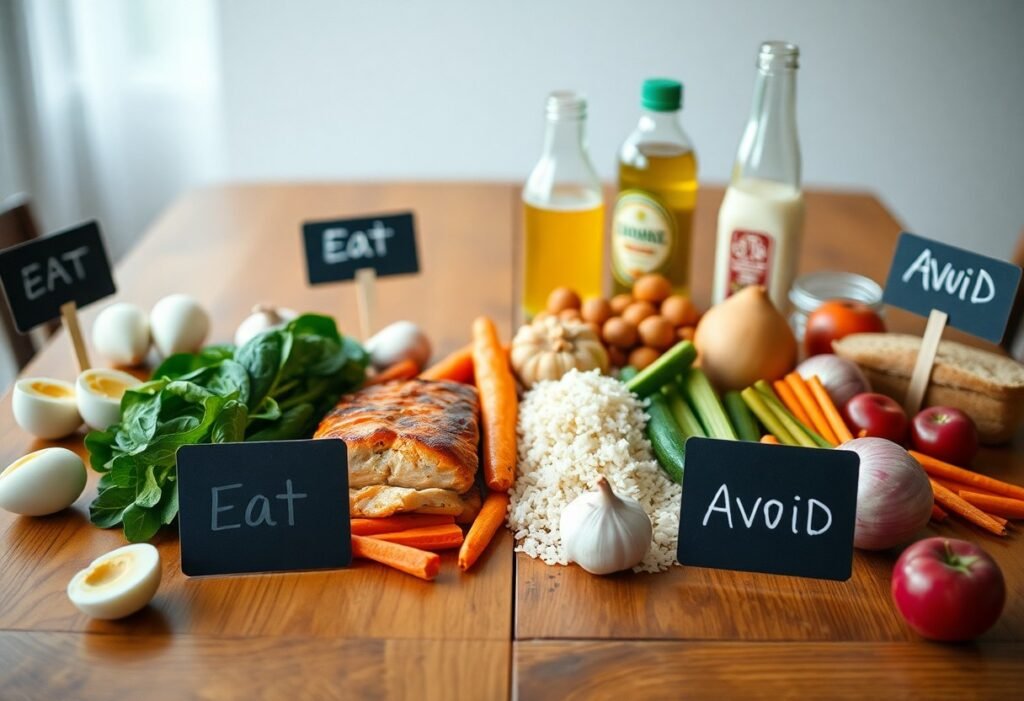
Adjusting what you eat reduces gas by cutting fermentable carbs, favoring cooked over raw veggies, and moderating portions so you can pinpoint triggers; prioritize slow changes and avoid triggers like beans, onions, and sugar alcohols to lower immediate bloating.
The Role of Digestive Enzymes and Probiotic-Rich Foods
Consider adding targeted digestive enzymes for lactose or complex carbs and eating probiotic-rich foods like yogurt, kefir, and sauerkraut; probiotics can rebalance gut flora and reduce gas when you use them consistently alongside dietary changes.
Implementing a Temporary Low FODMAP Approach for Quick Relief
Try a brief low FODMAP phase to stop fermentation fast; you may notice less bloating within days, then reintroduce foods slowly to identify personal triggers and portion limits.
Begin by eliminating common high-FODMAP items-wheat, onions, garlic, beans, apples, pears, milk, and sugar alcohols-for 2-6 weeks while tracking symptoms; this often yields quick bloating relief. Reintroduce one food at a time to identify your tolerance and portion thresholds. If you have severe weight loss, unexplained bleeding, or intense abdominal pain, seek medical care. For complex cases or to maintain balanced nutrition, consult a dietitian to guide reintroductions safely.
Hydration and Electrolyte Balance
Hydration helps you flush excess sodium and supports gut motility, so sip water steadily and include electrolyte sources; consult 7 Natural Remedies for Bloating – Balloon for practical tips on reducing sodium-driven water retention.
Countering Water Retention with Potassium-Rich Foods
Potassium-rich options like bananas, spinach, and sweet potatoes help you expel excess fluid and can counteract high-sodium effects, offering a fast, natural reduction in bloating without drugs.
The Impact of Warm Water vs. Carbonated Beverages on Gut Volume
Warm water soothes your digestion and reduces swallowed air, while carbonated drinks add gas to the stomach and often increase visible bloating, so avoid fizzy beverages for quicker relief from puffiness.
Carbonated drinks force extra gas into your stomach, expanding abdominal volume and prolonging discomfort; when you switch to warm or room-temperature water you lower swallowed air and speed gastric emptying, which often makes you feel noticeably less distended within minutes.
Lifestyle Habits to Prevent Future Discomfort
Daily small changes-like eating regular meals, staying hydrated, and avoiding carbonated drinks or heavy fats-help you cut the frequency of bloating and lessen episodes; with consistent sleep and regular activity you reduce triggers and build digestive resilience.
Mindful Eating and the Importance of Proper Mastication
Chewing each bite slowly and placing utensils between mouthfuls trains you to eat less air and digest better; aim to chew about 20 times so you avoid overeating and reduce trapped gas.
Managing Stress and the Gut-Brain Connection
Calming techniques like diaphragmatic breathing and short walks lower nervous-system arousal so you cut stress-driven bloating quickly; practice them when tension rises.
You can trace many flare-ups to chronic stress: elevated cortisol shifts gut motility, alters your microbiome, and increases intestinal permeability, which raises inflammation and worsens bloating. Try daily 5-10 minute breathing routines, progressive muscle relaxation, or brief cognitive shifts to reduce reactivity. Slow, consistent practice strengthens vagal tone, improves digestion, and lowers reliance on quick fixes.
Summing up
To wrap up, you can relieve bloating quickly by adjusting your diet, staying hydrated, moving after meals, using peppermint or ginger, trying probiotics, cutting sodium and eating slowly; apply these practical steps consistently and consult your clinician if symptoms persist.
FAQ
Q: What are the 7 natural remedies that actually work fast for bloating?
A: Here are seven natural options that commonly reduce bloating quickly: 1) Peppermint tea or enteric-coated peppermint oil capsules to relax intestinal muscles and reduce gas, 2) Fresh ginger or ginger tea to speed gastric emptying and ease trapped gas, 3) Fennel seeds or fennel tea to relax smooth muscle and help pass gas, 4) Chamomile tea to calm gut spasms and lower discomfort, 5) Probiotics (yogurt with live cultures or a multi-strain supplement) to rebalance gut flora and reduce gas production over days to weeks, 6) Activated charcoal for short-term gas absorption when used occasionally, 7) Light physical activity such as a 10-20 minute walk or gentle abdominal massage to move gas along the digestive tract.
Q: How quickly can I expect relief from these remedies?
A: Response time varies by remedy and cause: peppermint, ginger, fennel, chamomile teas and walking often ease symptoms within 15-60 minutes; abdominal massage can provide relief in minutes; activated charcoal may reduce gas within 30-60 minutes but timing depends on when it is taken relative to the meal; probiotics require consistent use for several days to weeks for noticeable reduction in recurrent bloating. Severity of the underlying cause and whether gas, constipation, or food intolerance is responsible will change how fast you feel better.
Q: How should I use these remedies safely and what doses work best?
A: Start with gentle, food-based approaches and follow product labels for supplements: drink 1 cup of peppermint, ginger, fennel, or chamomile tea as needed up to 2-3 times daily; chew 1 teaspoon of fennel seeds after a meal; consume 1-2 grams of fresh ginger or an equivalent ginger tea preparation; choose a probiotic with at least 1-10 billion CFU and follow manufacturer directions, increasing gradually to assess tolerance; use activated charcoal only occasionally according to package instructions and avoid within two hours of prescription medicines to prevent reduced absorption; walk for 10-20 minutes after meals and perform short clockwise abdominal massages to the point of comfort. Check product labels for contraindications and stop use if you develop worsening symptoms or allergic reactions.
Q: Can I combine these remedies for faster relief, and are there combinations to avoid?
A: Many combinations work well together: drinking ginger or peppermint tea and walking often provides faster relief than either alone, and a gentle abdominal massage plus a warm chamomile tea can calm spasms. Avoid taking activated charcoal at the same time as medications or other supplements because charcoal can absorb and reduce their effectiveness. Avoid peppermint oil capsules if you have acid reflux or frequent heartburn, since peppermint can relax the lower esophageal sphincter and worsen reflux. Consult a healthcare professional before combining multiple supplements if you take prescription drugs or have chronic health conditions.
Q: When should I see a doctor instead of relying on home remedies?
A: Seek medical attention if bloating is sudden and severe, accompanies high fever, persistent vomiting, bloody stools, unintentional weight loss, or severe abdominal pain. See a clinician if bloating lasts more than 48-72 hours despite home measures, if you notice changes in bowel habits that are persistent, or if you are pregnant and experience new or worsening bloating. Ask a provider for testing when bloating recurs regularly, follows certain foods, or interferes with daily activities to rule out conditions such as bowel obstruction, inflammatory bowel disease, celiac disease, or food intolerances.