

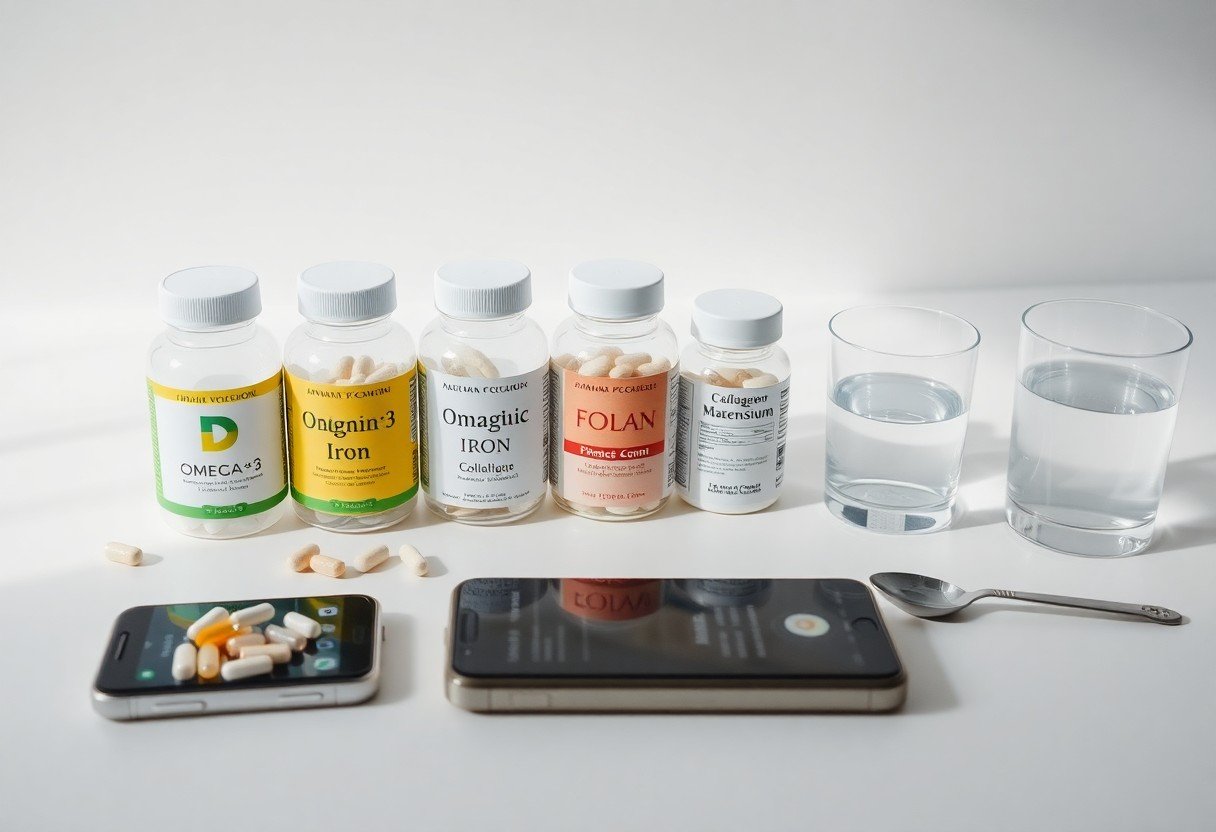
It’s 2025, and you should prioritize targeted supplements for women: vitamin D, omega-3, iron if deficient, and calcium; watch for dangerous interactions and excess vitamin A, and consult your clinician before starting.

Essential Vitamins and Minerals for Daily Vitality
Vitamin D3 and K2: Synergistic Support for Bone and Heart Health
D3 and K2 work together to direct calcium into bone and away from arteries, so you should pair them for stronger bone density and cardiovascular benefit; low D3 is linked to higher fracture risk while K2 helps prevent arterial calcification.
Iron and Ferritin Management for Sustained Energy Levels
Iron supports oxygen transport and you should monitor ferritin to avoid fatigue or overload; low ferritin causes persistent tiredness, while unchecked supplementation risks oxidative damage, so always confirm labs before starting iron.
Monitoring ferritin and hemoglobin guides safe supplementation: many clinicians view ferritin above 30 ng/mL as adequate, with symptomatic women often improved at 50-100 ng/mL. You can improve absorption by taking oral iron with vitamin C and on an empty stomach, or use alternate-day dosing to boost uptake and reduce side effects. Stop and evaluate if ferritin climbs rapidly or if you have a family history of hemochromatosis since iron overload can cause organ damage; coordinate follow-up labs and dose adjustments with your provider.
Magnesium Glycinate: The Gold Standard for Stress and Sleep Quality
Magnesium glycinate is well absorbed and gentle on your gut, making it an effective nightly option to improve sleep and reduce tension; glycinate causes less diarrhea than citrate or oxide.
Glycinate at 200-400 mg elemental magnesium nightly often improves sleep latency and reduces muscle tension without laxative effects; take it 30-60 minutes before bed for best results. You should avoid high doses if you have severe kidney impairment and review interactions with antibiotics and certain heart medications, because magnesium accumulation in renal failure can cause dangerous toxicity. Adjust dose based on symptoms and lab guidance from your clinician.
Hormonal Balance and Reproductive Wellness
Within this section you’ll find targeted supplements for hormonal balance and reproductive wellness; see a broader list at 8 Best Vitamins and Supplements for Women’s Overall Health. You should review any new regimen with your clinician, especially if pregnant or on medications – interactions can be serious.
Myo-Inositol for Metabolic Health and Ovulatory Support
Myo-Inositol improves insulin sensitivity and often restores ovulation in people with PCOS, with common dosing at 2 g twice daily; you may see effects in months. You should expect mild GI upset in some and consult your fertility provider if you’re using assisted reproduction.
Omega-3 Fatty Acids: EPA and DHA for Systemic Inflammation
Omega-3s (EPA and DHA) reduce systemic inflammation and can ease menstrual pain while supporting egg and cardiovascular health; aim for 500-1,000 mg combined daily. You should be aware that high doses increase bleeding risk if you take anticoagulants.
Evidence from randomized studies shows EPA-rich supplements lower inflammatory markers and may reduce dysmenorrhea and mood symptoms tied to hormonal shifts; you can obtain benefits from fatty fish or standardized concentrates, targeting ~1,000 mg EPA+DHA daily for symptomatic relief. You should discuss perioperative plans and drug interactions with your provider – stop or adjust dosing before surgery per medical advice.
Vitex Agnus-Castus for Premenstrual Symptom Regulation
Vitex often reduces PMS-related breast tenderness and mood swings after about three cycles, with typical doses of 20-40 mg daily; you should avoid starting it during pregnancy. Watch for interactions with dopaminergic or hormonal therapies.
Clinical trials indicate Vitex modulates pituitary prolactin through dopaminergic activity, which can normalize luteal-phase defects and lessen cyclical symptoms; you should expect benefits after 2-3 months and review use if you take thyroid or contraceptive medications. Monitor for GI upset or rare allergic reactions and discontinue if pregnancy is planned.
Cognitive Health and Stress Resilience
Cognitive strategies here focus on supplements that support memory, sharpen focus, and buffer stress; you should weigh evidence, check dosing, and watch for drug interactions or side effects before adding anything to your regimen.
Ashwagandha and Adaptogens for Cortisol Modulation
Ashwagandha can lower cortisol and ease stress in many studies; you may notice improved sleep and reduced anxiety, but watch for thyroid, autoimmunity, or sedative interactions and consult your clinician.
L-Theanine and Nootropics for Mental Clarity and Focus
L-Theanine promotes calm focus and pairs with caffeine to reduce jitteriness; you can expect improved attention and relaxed alertness while maintaining a generally safe profile.
Research indicates 100-200 mg of L-Theanine increases alpha activity and, combined with low-dose caffeine, enhances alertness and task performance; you should monitor stimulant intake, consider stacking with evidence-backed nootropics like citicoline or bacopa, and be cautious about interactions with sedatives or blood-pressure medications.
Conclusion
Presently you should prioritize evidence-backed supplements like vitamin D, omega-3s, magnesium, iron when needed, and a targeted multivitamin to support bone, cardiovascular, and hormonal health while consulting your clinician for doses tailored to your age and reproductive stage.
FAQ
Q: What are the top recommended supplements for women’s health in 2025?
A: Top supplements for many women in 2025 include a gender- and age-specific multivitamin, vitamin D3 combined with vitamin K2 (MK-7), omega-3s rich in EPA and DHA, iron when blood tests show deficiency, magnesium (glycinate or citrate), probiotics containing Lactobacillus and Bifidobacterium strains, vitamin B12 (methylcobalamin or cyanocobalamin) for those on plant-based diets, methylfolate or folic acid for pregnancy planning, and collagen peptides for skin and joint support. Typical dose ranges: vitamin D3 1,000-4,000 IU/day depending on serum 25(OH)D levels, K2 (MK-7) 90-200 mcg/day, omega-3 EPA+DHA 500-1,000 mg/day for general health (higher for triglyceride lowering), elemental iron 18 mg/day for routine supplementation or 60-120 mg/day for treating deficiency under supervision, magnesium 200-400 mg/day, B12 250-1,000 mcg daily or weekly injections for severe deficiency, folate 400-800 mcg/day when planning pregnancy, collagen 2.5-15 g/day. Check labs (iron studies, vitamin D, B12) and talk with a clinician before starting high-dose supplements or combinations that affect medications.
Q: Are multivitamins necessary if I eat a healthy diet?
A: A varied, whole-food diet covers many nutrient needs, but gaps commonly remain for vitamin D, B12 (in vegans), iron (in menstruating women), iodine, and omega-3 EPA/DHA. A targeted multivitamin designed for your life stage can fill those gaps, provide safe baseline amounts of key nutrients, and avoid megadoses when chosen correctly. Look for labels that match your age, pregnancy status, or menopause stage and prefer products with third-party verification.
Q: Which supplements should women prioritize when planning pregnancy or during pregnancy in 2025?
A: Women planning pregnancy or who are pregnant should prioritize 400-800 mcg folic acid or methylfolate preconception and in early pregnancy to reduce neural tube defect risk, 150 mcg iodine, adequate iron (screen and treat iron deficiency), 600 IU-2,000 IU vitamin D3 based on levels, and 200-300 mg DHA daily for fetal brain and eye development. Prenatal formulations that avoid excess preformed vitamin A (retinol) are preferred; retinol can be teratogenic at high doses. Regular prenatal care should include blood tests and dosing adjustments as needed.
Q: What supplements help with menopause symptoms and bone health?
A: For bone health during and after menopause, prioritize vitamin D3 with calcium intake from diet or supplements to reach total calcium of roughly 1,000-1,200 mg/day, plus vitamin K2 (MK-7) 90-200 mcg to support calcium metabolism. Magnesium supports bone matrix and sleep; 200-400 mg/day is a common dose. Soy isoflavones or black cohosh may reduce hot flashes for some women, but benefits vary and safety interactions should be reviewed with a clinician. Hormone replacement therapy remains the most effective treatment for vasomotor symptoms and should be discussed with a provider when appropriate.
Q: How do I choose safe, high-quality supplements in 2025?
A: Choose products with third-party testing seals such as USP, NSF, or ConsumerLab and avoid proprietary blends that hide individual doses. Verify ingredient forms (methylfolate vs folic acid, D3 vs D2, MK-7 for K2), check for clear dosing and expiration dates, and pick brands that follow Good Manufacturing Practices (GMP). Consult a pharmacist or clinician if you have chronic conditions, take prescription drugs, or require formulations free of allergens or specific excipients.
Q: Can supplements interact with medications or medical conditions?
A: Yes, many supplements interact with drugs and conditions: vitamin K interferes with warfarin anticoagulation, iron reduces absorption of levothyroxine and some antibiotics, calcium and magnesium can block absorption of bisphosphonates and certain antibiotics, St. John’s wort induces CYP enzymes and lowers levels of many prescriptions, and high-dose omega-3s may increase bleeding risk with anticoagulants. Disclose all supplements to your healthcare team and get baseline labs when starting supplements that alter blood markers.
Q: How long does it take to see benefits and how should I monitor safety and effectiveness?
A: Time to effect varies by supplement and endpoint: B12 and iron can improve energy and bloodwork within weeks to months if deficiency is treated, vitamin D status typically changes over 8-12 weeks, collagen and omega-3s may require 8-12 weeks for skin, joint, or inflammatory improvements, and probiotic effects can appear within days to weeks but may require continued use. Monitor with relevant labs (CBC and ferritin for iron, 25(OH)D for vitamin D, B12 levels, and lipid or inflammatory markers as indicated) and report adverse effects or new symptoms to your clinician promptly.