
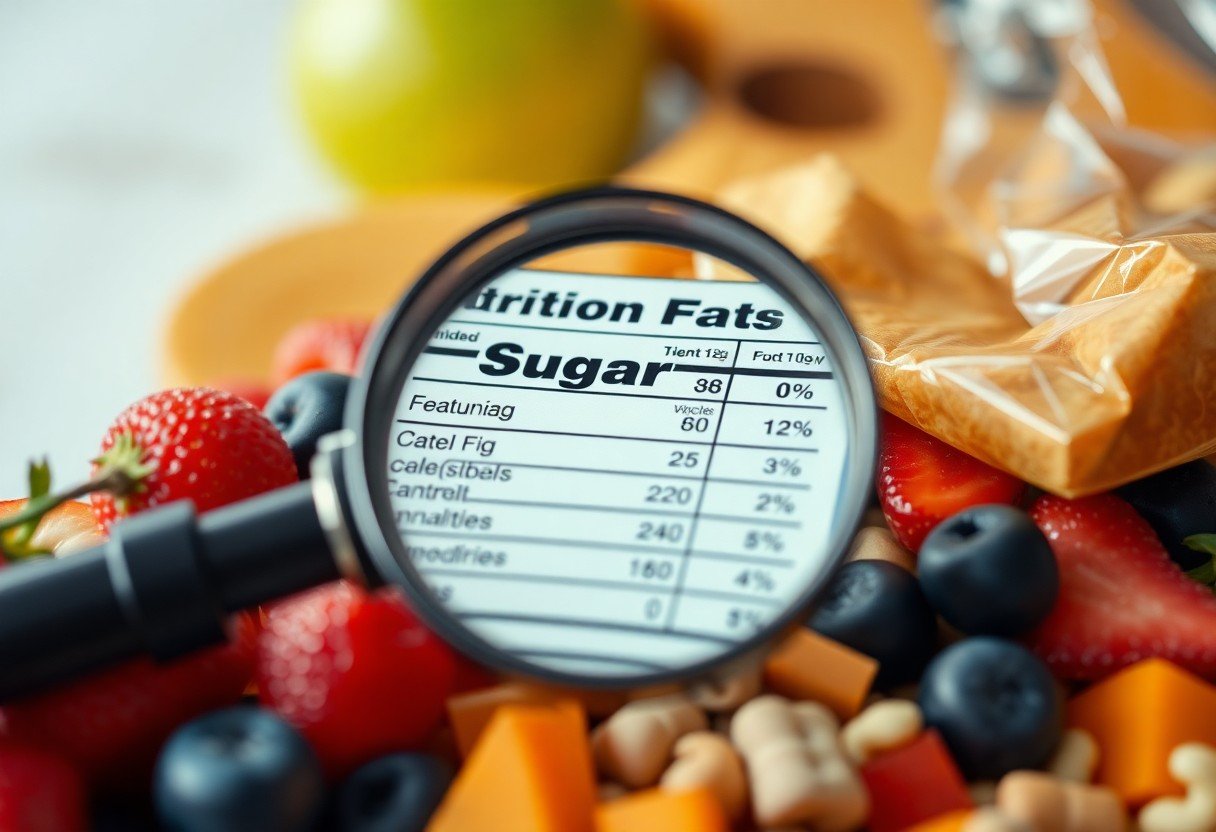
Labels can be misleading, filled with terms that hide unhealthy ingredients. By understanding nutrition facts and ingredient lists, you can identify hidden sugars that contribute to excessive calorie intake and health issues. Look for sugar alternatives and be wary of deceptive names like fructose and sucrose. This guide equips you with the tools to make informed decisions, ensuring that you choose foods that align with your health goals.
Key Takeaways:
- Check the ingredients list for added sugars, which may appear under various names like high fructose corn syrup, sucrose, or agave nectar.
- Look at the nutrition facts panel to identify the total sugars and be mindful of the serving size to gauge actual sugar intake.
- Compare products and opt for those with lower sugar content and minimal added sugars to make healthier choices.
Understanding Food Labels
Importance of Reading Food Labels
Reading food labels equips you with the knowledge to make healthier choices, guiding you to understand what you’re consuming. By being aware of the ingredients and nutritional content, you can avoid excessive sugar, unhealthy fats, and other harmful additives often hidden in processed foods.
Key Components of Food Labels
Food labels contain crucial elements such as the ingredient list, nutrition facts panel, and serving size. These components provide crucial information to help you assess the quality and quantity of food you are about to consume.
The ingredient list reveals the contents of the product, usually listed in order of quantity. The nutrition facts panel shows vital stats, including calories, fats, sugars, and vitamins, allowing you to compare similar products. Serving size is equally important, as it sets the standard for how the other data should be interpreted based on the amount you actually eat.
Understanding Serving Sizes
Serving sizes dictate the amount of food that nutrition facts pertain to and can heavily influence your perception of the product’s healthiness. Misleading serving sizes can lead to underestimating calorie and sugar intake.
For example, a granola cereal may list a serving size as 30 grams, but if you typically pour 60 grams into your bowl, you are effectively doubling the calorie and sugar count. Always compare your usual portion with the suggested serving size on the label to accurately gauge your consumption.
The Role of Nutrition Facts
The nutrition facts panel serves as a summary of a product’s dietary contributions, offering details like total fat, saturated fat, sugars, and protein. This information allows you to evaluate nutritional value at a glance.
Pay attention to both the quantities and the daily values (%DV), which help you gauge if a product is high or low in specific nutrients, such as added sugars. For instance, 5% DV or less is considered low, while 20% DV or more is high, giving you a clear picture of how a food fits into your overall diet.
Identifying Sugars on Food Labels
Types of Sugars Listed
When examining food labels, you’ll find various types of sugars listed. These can include both natural and artificial forms. It’s important to recognize the specific names to better understand what you’re consuming.
| Type of Sugar | Examples |
| Monosaccharides | Glucose, Fructose |
| Disaccharides | Sucrose, Lactose |
| Oligosaccharides | Raffinose, Maltodextrin |
| Polysaccharides | Starch, Glycogen |
- Look out for monosaccharides like glucose and fructose.
- Pay attention to disaccharides such as sucrose and lactose.
- Don’t ignore oligosaccharides like raffinose.
- Be aware of polysaccharides like starch.
Thou shall not overlook these classifications as they directly impact your overall sugar intake.
Common Terms Used for Sugars
Food labels often use common terms for sugars that can be misleading. Understanding these terms helps you make informed choices.
Words like agave nectar, cane sugar, and corn syrup feature regularly, but they all contribute to your total sugar consumption. Some terms, like “natural,” may suggest healthiness, yet they can still equal high sugar levels. Brands may also use euphemisms to mask the presence of sugar. Always read beyond the surface label.
The Difference Between Natural and Added Sugars
Natural and added sugars are fundamentally different. Natural sugars occur in whole foods like fruits and dairy, offering important nutrients. In contrast, added sugars are incorporated during processing or preparation, usually lacking vital nutrients.
Natural sugars provide inherent benefits, such as fiber and vitamins, while added sugars can contribute to health issues like obesity and diabetes. Recognizing this distinction allows you to prioritize whole foods over processed items laden with added sugar, leading you to healthier choices in your diet.
Spotting Hidden Sugars
Ingredients to Watch For
When reading labels, check for ingredients like high-fructose corn syrup, cane sugar, and sucrose. Also, watch for less obvious terms such as agave nectar, maltose, and dextrose. Many products use these additives to enhance flavor without you realizing their sugar content. To improve your understanding, explore How to Read Food Labels for Hidden Sugars to identify these sneaky ingredients.
Common Foods That May Contain Hidden Sugars
Many foods you think are healthy can harbor hidden sugars. This includes items like granola bars, flavored yogurts, and salad dressings. Even whole grain bread often conceals added sugars. Staying informed about these products is key to avoiding excess sugar intake.
For instance, flavored yogurt can contain up to 20 grams of sugar per serving, while many granola bars can double as candy bars due to their high sugar content. Salad dressings can add significant sugars, transforming a healthy meal into a sugary intake. Scrutinizing these common items can reveal how easily hidden sugars can accumulate in your diet.
The Impact of Sugar Alcohols and Artificial Sweeteners
Many products tout “sugar-free” options, yet can be packed with sugar alcohols or artificial sweeteners that may not be any healthier. Ingredients like sorbitol and erythritol, while lower in calories, can cause digestive discomfort for some individuals.
Moreover, artificial sweeteners such as aspartame and sucralose can potentially mislead you into craving more sugar. Using these substitutes may lead to an increase in overall sugar consumption as they can affect your body’s natural sugar regulation, leading you to reach for even more sugary foods later on.
Tips for Making Healthier Choices
- Prioritize whole foods over processed items.
- Compare similar products for sugar content.
- Utilize apps for quick reference on hidden sugars.
Prioritizing Whole Foods
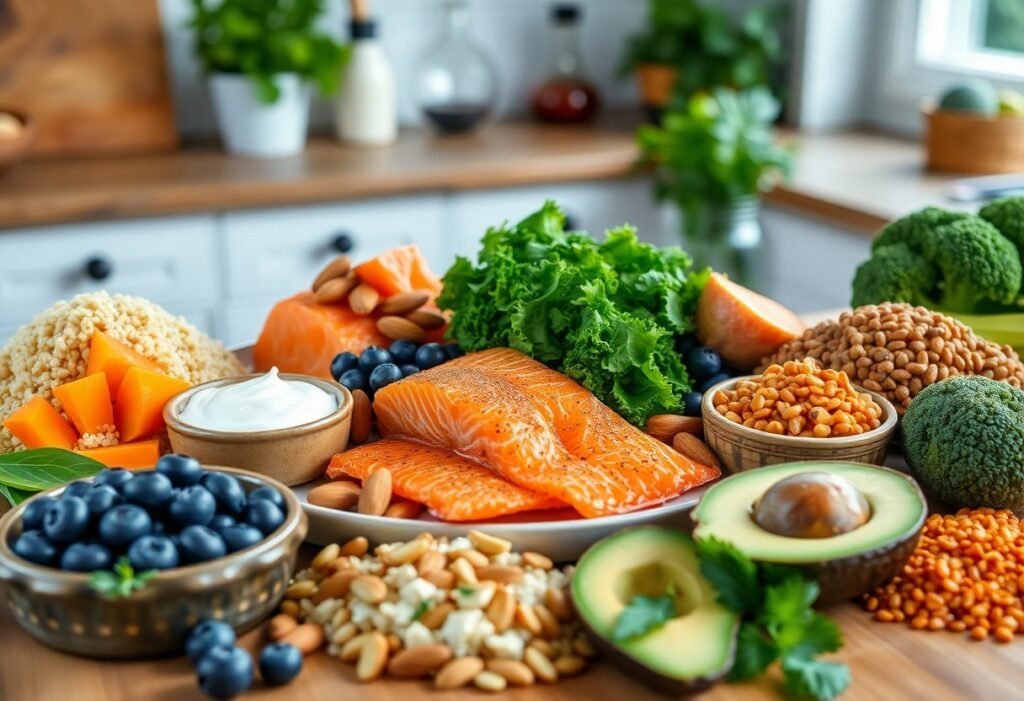
Choose whole foods, such as fruits, vegetables, whole grains, and lean proteins, as the foundation of your diet. These foods are typically less processed and do not contain hidden sugars. Whole foods can nourish your body while keeping sugar intake in check, enhancing overall health.
Comparing Similar Products
When shopping, always compare similar products by checking their nutrition labels. Look for the total sugar content, and opt for options with lower added sugars. This simple practice can lead to significant changes in your daily sugar consumption.
Comparing Similar Products
| Product Type | Example Comparison |
|---|---|
| Granola Bars | Bar A: 10g sugar vs. Bar B: 6g sugar |
| Yogurts | Yogurt A: 15g sugar vs. Yogurt B: 8g sugar |
Utilizing Apps for Quick Sugar Checks
Take advantage of mobile apps designed for dietary tracking. These tools can help you swiftly identify hidden sugars in packaged foods by scanning barcodes or searching products, making your grocery shopping efficient and informed.
Utilizing Apps for Quick Sugar Checks
| App Name | Features |
|---|---|
| MyFitnessPal | Track daily intake and scan barcodes for quick info |
| Fooducate | Grades foods based on nutritional value, highlights sugar content |
After utilizing these resources, you’ll find it easier to maintain your sugar intake effectively while making informed dietary choices.
Factors Influencing Sugar Consumption
- Personal habits
- Social environment
- Marketing tactics
- Emotional triggers
- Cultural influences
- Food availability
Understanding Your Daily Sugar Limit
Your daily sugar limit is primarily influenced by health guidelines which recommend keeping added sugars to less than 10% of your total daily caloric intake. For an average adult consuming 2,000 calories, this equates to about 50 grams of added sugar daily. Evaluating nutritional labels helps in tracking your intake and making healthier choices that align with this limit.
How Marketing Affects Your Choices
Marketing plays a significant role in influencing your food choices, often promoting products with high sugar content as healthy or natural. Clever branding and appealing packaging may lead you to overlook the actual sugar content in these items. This manipulative approach not only makes sugary foods more appealing but also contributes heavily to misleading dietary perceptions.
For instance, packaging terms like “low-fat” or “fat-free” can be deceiving, as manufacturers often compensate for reduced fats with added sugars, making the product less healthy overall. A soda brand may emphasize its “natural flavors,” masking the fact that it contains high fructose corn syrup. Critical evaluation of claims and reading labels is necessary to avoid being misled by effective marketing strategies.
Recognizing Emotional Eating Triggers
Your tendency for emotional eating can significantly impact your sugar consumption. Stress, boredom, or sadness often lead to reaching for sugary snacks as a quick source of comfort. Identifying these emotional triggers is vital for maintaining control over your eating habits and making mindful choices.
By keeping a journal, you can track not only what you eat but also your emotions at the time. This awareness allows you to establish healthier coping mechanisms and replace sugary snacks with alternatives that provide satisfaction without excess sugar. Building this connection between your feelings and eating can empower you to make conscious decisions that enhance your well-being.
Practical How-To Strategies
Creating a Grocery List with Low Sugar Options
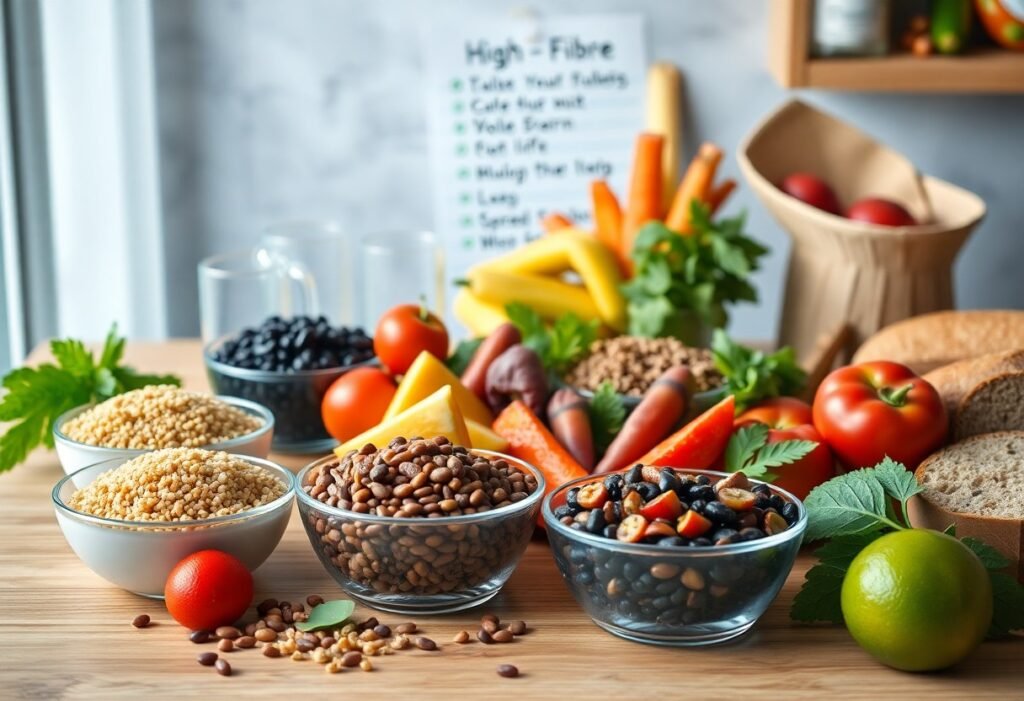
Start your grocery shopping by crafting a list that focuses on low sugar options. Prioritize whole foods such as fruits, vegetables, lean proteins, and whole grains. Include items that are naturally low in sugar, like leafy greens and legumes. Checking labels for added sugars before you add them to your cart helps you avoid hidden sweeteners. Stick to the perimeter of the store to find fresh produce and other minimally processed items.
Meal Prepping with Low Sugar Recipes
Meal prepping enables you to control sugar intake by using low-sugar recipes in advance. By preparing meals ahead of time, you mitigate the temptation to choose convenience foods that are high in sugar. Make large batches of soups, stews, or salads that are rich in vegetables and lean proteins. Store portions in the fridge or freezer, ensuring quick access to healthy meals throughout the week.
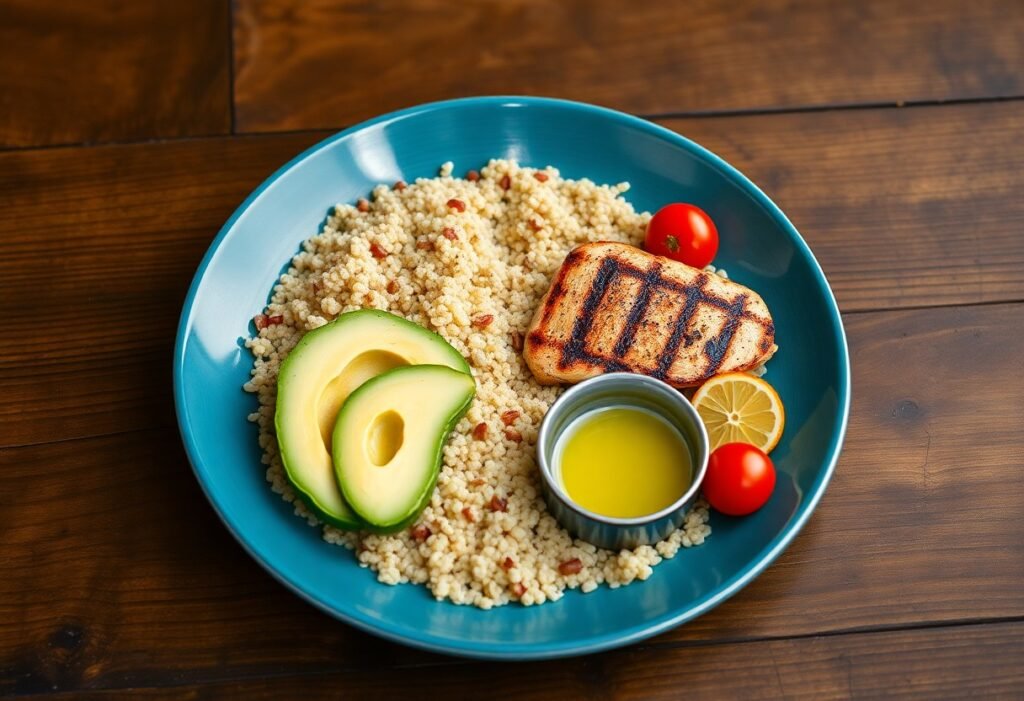
For effective meal prepping, consider recipes like quinoa salad with mixed vegetables or grilled chicken with steamed broccoli. Aim for balance in each meal, emphasizing fiber and protein while minimizing added sugars. Utilize spices and herbs rather than sugary sauces to enhance flavor. This approach not only streamlines your meals but also helps you cultivate a consistent low-sugar diet.
Educating Others on Reading Labels
Share your knowledge on reading food labels with friends and family to help them make healthier choices. Demonstrate how to identify hidden sugars, which can be disguised under various names like sucrose or high-fructose corn syrup. Engaging discussions can deepen understanding about dietary impacts and encourage others to scrutinize their food selections.
Host a small gathering to read labels together on a variety of products. You can create games around identifying sugar levels in common items and comparing them. This not only makes learning fun but also reinforces the importance of informed choices. Each conversation contributes to broader awareness and promotes a health-conscious community focused on reducing sugar intake.
Summing up
Considering all points, understanding how to read food labels is crucial for making informed dietary choices. You should focus on serving sizes, ingredients, and nutritional facts to identify hidden sugars effectively. Check for various names of sugars, such as sucrose or high fructose corn syrup, lurking in the ingredient list. By honing your label-reading skills, you can better manage your sugar intake and lead a healthier lifestyle.
FAQ
Q: What should I look for on food labels to identify hidden sugars?
A: Check the ingredients list for terms like sucrose, glucose, fructose, corn syrup, honey, and agave nectar. Additionally, look at the “total sugars” section under the nutrition facts panel.
Q: How can I differentiate between natural and added sugars on a label?
A: Natural sugars are found in whole foods like fruits and dairy and usually do not appear in the ingredients list as added sugars. Added sugars will often appear under various names in the ingredient list.
Q: Why is it important to keep track of sugar serving sizes?
A: Understanding serving sizes helps assess how much sugar is consumed in a typical portion, enabling better dietary choices and aiding in monitoring overall sugar intake.
Q: Are there specific terms that indicate high sugar content on labels?
A: Yes, terms such as “syrup,” “nectar,” and “sweetener” often indicate high sugar content. Pay attention to products that list multiple sugar types in the first few ingredients.
Q: How can I identify sugar alternatives and their impact on health?
A: Look for sugar substitutes like aspartame, sucralose, or stevia that might be mentioned in the ingredients. Research their health effects, as some may have different metabolic effects compared to regular sugars.