
There’s a common misconception that all you need for muscle gain is to lift weights; however, protein intake plays a vital role in your development. This guide will help you understand how much protein you truly need to optimize your muscle growth while avoiding the risks of underconsumption or excessive intake. By aligning your diet with your fitness goals, you can enhance your results and maximize your muscle-building potential.
Beginners often underestimate the role of protein in achieving muscle gain. Understanding how much protein you need is crucial for optimizing your workout results and supporting your body’s recovery. Too little protein can hinder your progress, while excessive amounts won’t necessarily lead to better outcomes. In this guide, you’ll learn about the right protein intake tailored to your body, activity level, and fitness goals, ensuring you’re on the right path towards achieving the muscles you desire.
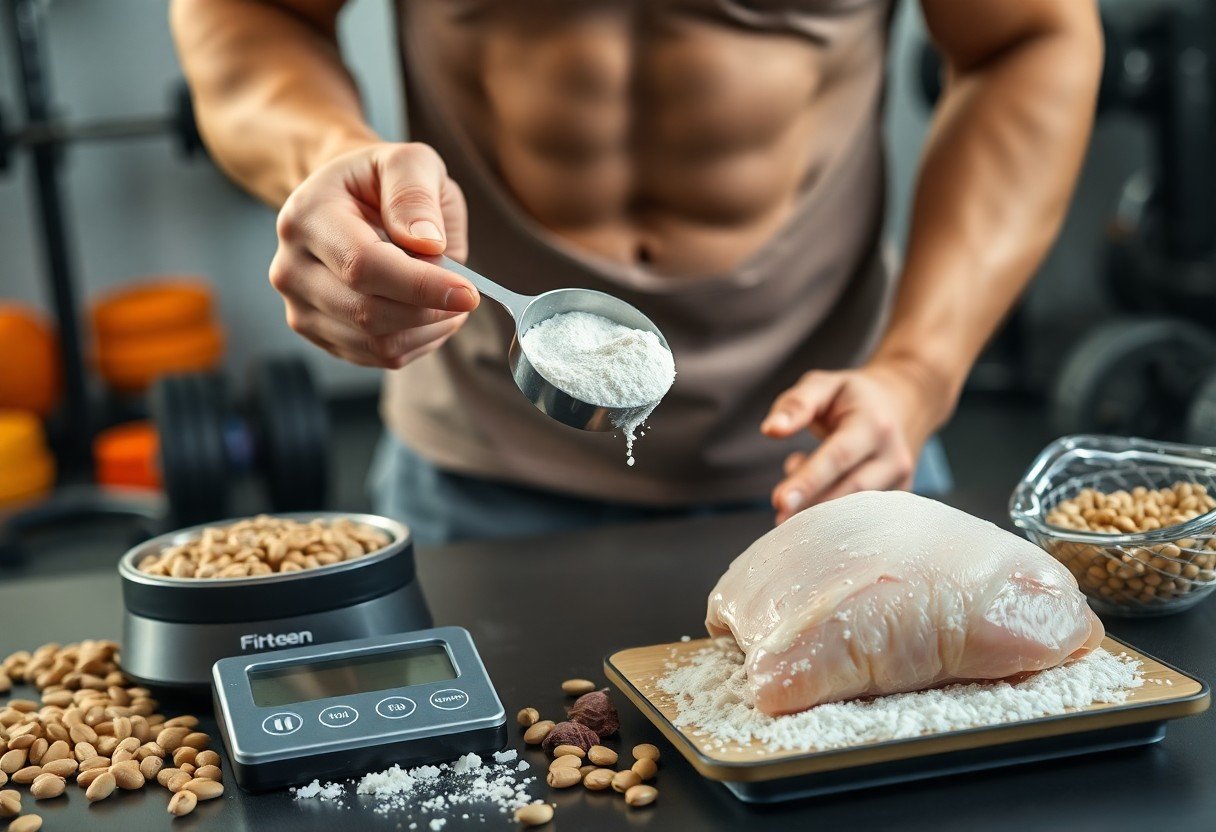
Key Takeaways:
- Protein intake should be tailored based on individual factors such as body weight, activity level, and muscle-building goals.
- A general guideline is to consume 1.6 to 2.2 grams of protein per kilogram of body weight for optimal muscle gain.
- Timing of protein intake, particularly post-workout, can enhance muscle recovery and growth.
Key Takeaways:
- Protein intake should be based on body weight, generally ranging from 1.6 to 2.2 grams per kilogram for muscle gain.
- Distributing protein intake evenly across meals enhances muscle protein synthesis.
- Sources of protein can include both animal and plant-based options, ensuring a varied diet supports overall health.
Understanding Protein
What is Protein?
Protein is an crucial macronutrient composed of amino acids, which are the building blocks of your body’s tissues, including muscles. It plays a vital role in repairing and building muscle after workouts. Without adequate protein intake, your ability to gain muscle mass may be hindered, as your body won’t have the necessary resources to support recovery and growth.
Types of Protein
There are various sources of protein, and they can be categorized into two main types: animal-based and plant-based. Animal sources, such as meat, fish, dairy, and eggs, provide complete proteins containing all crucial amino acids. Plant sources, like legumes, nuts, seeds, and grains, may lack one or more crucial amino acids but can be combined for a complete profile. Your dietary preferences will dictate which protein sources you choose to incorporate.
- Animal-based Protein: Includes meat, fish, eggs
- Plant-based Protein: Includes beans, nuts, quinoa
- Complete Proteins: Contain all crucial amino acids
- Incomplete Proteins: Lack one or more crucial amino acids
- Combination of Sources: Maximizes protein intake
| Animal-based Sources | Plant-based Sources |
| Chicken | Black beans |
| Salmon | Chickpeas |
| Eggs | Tofu |
| Greek yogurt | Lentils |
| Beef | Quinoa |
Types of protein significantly affect how efficiently your body utilizes it. Animal proteins are generally more bioavailable, meaning your body absorbs and uses them more effectively than most plant proteins. However, by combining plant sources such as legumes and grains, you can create a complete amino acid profile, ensuring you’re still meeting your protein requirements. After evaluating different sources, consider what fits your taste and dietary restrictions while aiming for a balanced intake.
- Bioavailability: Animal proteins are often easier to absorb
- Amino Acid Profile: Essential for muscle gain
- Dietary Restrictions: Choose what fits your lifestyle
- Combining Sources: Enhances protein quality
- Balance: Important for overall nutrition
| Complete Animal Proteins | Combined Plant Proteins |
| Whole eggs | Rice and beans |
| Meat | Pasta and lentils |
| Fish | Nuts and seeds |
| Dairy | Peas and quinoa |
| Chicken | Tofu and corn |
Understanding Protein
What is Protein?
Protein is a macronutrient composed of amino acids, which are imperative for your body’s growth, repair, and maintenance. It plays a pivotal role in building and repairing tissues, producing hormones, and supporting immune function. Your body cannot store protein, making regular intake vital to meet your daily needs.
Importance of Protein for Muscle Gain
In the matter of building muscle, protein is fundamental. It provides the building blocks that help in muscle growth and recovery after intense workouts. Adequate protein intake ensures that your body can repair and rebuild muscle fibers, leading to increased strength and size over time.
Studies show that consuming around 1.6 to 2.2 grams of protein per kilogram of body weight per day is effective for optimizing muscle growth. This intake helps stimulate muscle protein synthesis, which is imperative for achieving your fitness goals. Moreover, a higher protein intake can aid in muscle recovery, reduce soreness, and improve overall performance.
Types of Protein Sources
Your protein can come from a variety of sources, each offering unique benefits. Animal-based proteins, such as meat, fish, and dairy, typically contain all imperative amino acids. Plant-based proteins, including legumes, nuts, and grains, are also valuable but may lack one or two imperative amino acids.
| Animal Sources | Example |
| Meat | Chicken, beef |
| Fish | Salmon, tuna |
| Dairy | Milk, yogurt |
| Eggs | Whole eggs, egg whites |
Focusing on a mix of these sources can enhance your protein intake. For vegans or vegetarians, combining different plant-based proteins can help achieve a complete amino acid profile. Including a diverse array of protein sources in your diet ensures you get sufficient quality protein. The balance will support your muscle-building efforts.
- Soy products like tofu
- Quinoa as a complete grain
- Greek yogurt for high protein
- Lentils as a versatile option
- Protein powders for supplementation
| Plant Sources | Example |
| Legumes | Beans, lentils |
| Nuts | Almonds, peanuts |
| Seeds | Chia, hemp |
| Whole grains | Brown rice, oats |
Incorporating a variety of plant-based protein options can ensure you receive imperative nutrients and fiber alongside your protein intake. The combination of amino acids from different sources can be just as effective as animal protein for muscle gain.
Importance of Protein for Muscle Gain
Role of Protein in Muscle Repair
After intense workouts, muscle fibers sustain small tears. Protein plays a vital role in repairing these tears, facilitating recovery and growth. By providing the necessary amino acids, protein helps rebuild the damaged muscle tissue, ensuring you regain strength and prevent injury, which is fundamental for progressive muscle gain.
Protein Synthesis and Muscle Growth
Muscle growth occurs when the rate of protein synthesis exceeds protein breakdown. This process is influenced by dietary protein intake and exercise. To maximize muscle gain, it’s necessary to create a positive balance through adequate protein consumption and resistance training, allowing your body to effectively utilize the proteins for building and repairing muscle tissue.
When you engage in resistance training, your body triggers muscle protein synthesis as a response to the stress placed on muscles. The amino acids from the protein you consume are necessary for this process, and a higher dietary intake can enhance protein synthesis. Aiming for about 1.6 to 2.2 grams of protein per kilogram of body weight is effective for most beginners looking to optimize muscle growth and recovery.
Recommended Protein Intake for Beginners
For those new to strength training, a protein intake of 1.6 to 2.2 grams per kilogram of body weight is generally advised. This range supports effective muscle recovery and growth, helping you maximize your training efforts and achieve desired results in the early stages of your fitness journey.
Starting with approximately 1.6 grams can help you gauge how your body responds, while moving toward 2.2 grams can further enhance muscle synthesis. It’s vital to spread your protein intake throughout the day, ideally consuming it with every meal, to keep your body in an anabolic state conducive to muscle development. Tracking your intake can ensure you meet these targets consistently.
Determining Your Protein Needs
Factors Influencing Protein Requirement
Your protein requirements are influenced by various factors that can significantly impact your muscle gain journey. These include your age, sex, weight, activity level, and overall fitness goals. Additionally, factors such as body composition and training intensity also play a role. Any changes in these factors might necessitate adjustments to your protein intake.
Recommended Daily Allowance (RDA)
The Recommended Daily Allowance (RDA) for protein is set at 0.8 grams of protein per kilogram of body weight for sedentary adults. However, for those engaged in strength training or muscle-building activities, the needs can significantly increase to support muscle synthesis and recovery. For example, athletes may require between 1.2 to 2.2 grams of protein per kilogram, depending on their specific training demands.
Protein Needs for Different Fitness Goals
Your protein needs vary based on your specific fitness goals. For muscle gain, a higher protein intake is necessary, often recommended at around 1.6 to 2.2 grams per kilogram of body weight. Conversely, if your primary goal is weight loss while maintaining muscle mass, aim for a moderate protein intake to preserve lean tissue. Tailoring your intake based on whether your aim is bulking, cutting, or performance will ensure you’re providing your body with the right resources.
Determining Your Protein Needs
Factors Affecting Protein Requirements
Several factors influence your protein needs, including your age, gender, activity level, and muscle mass. Athletes and those engaging in intense workouts typically require more protein to support muscle growth compared to sedentary individuals. Additionally, your body weight and overall health status also play roles in determining how much protein you should consume. Recognizing these variables is vital for tailoring your protein intake effectively.
Calculating Your Daily Protein Needs
To determine your daily protein requirements, a common guideline is to consume between 1.2 to 2.2 grams of protein per kilogram of body weight, depending on your activity level. For instance, if you weigh 70 kg and are moderately active, you may aim for around 84 to 126 grams of protein daily. It’s also beneficial to consider the timing and distribution of your protein intake throughout the day for optimal muscle repair and growth.
Tips for Increasing Protein Intake
- Choose high-protein foods like chicken, fish, and beans.
- Add protein-rich snacks between meals.
- Incorporate protein powder into smoothies.
- Opt for Greek yogurt instead of regular yogurt.
- Don’t skip breakfast; include eggs or protein shakes.
- Use more legumes in meals for added protein.
- Experiment with different protein sources to keep meals interesting.
Incorporating Protein into Your Diet
To boost your protein intake, focus on including a variety of sources in your meals. Consider combining animal and plant-based proteins in each meal for a balanced approach. Aim to have a protein source at every meal, such as lean meats, dairy, nuts, or legumes. The balance will help you meet your muscle gain goals.
High-Protein Snack Ideas
Finding convenient high-protein snacks can support your dietary goals. Some great options include cottage cheese, mixed nuts, hard-boiled eggs, or protein bars. These snacks not only provide a protein boost but also help maintain energy levels throughout the day. The right choices can complement your overall protein intake effectively.
Experimenting with different high-protein snacks can prevent boredom and enhance your dietary variety. Consider making protein-rich smoothies with Greek yogurt and fruit or preparing chickpea salad for a quick, enjoyable option. Snack on roasted edamame or beef jerky for a savory fix. These snacks can be easily prepared beforehand, ensuring you’re always equipped to meet your protein needs.
Protein Supplements: Pros and Cons
Protein supplements can be beneficial for some, but it’s important to weigh the pros and cons carefully. They offer a convenient way to increase your intake, especially if you struggle to reach your goals through food alone. However, they should not replace whole foods entirely.
Pros and Cons of Protein Supplements
| Pros | Cons |
|---|---|
| Convenient source of protein | May lack important nutrients |
| Easy to digest | Can be costly |
| Variety of flavors available | May cause digestive issues for some |
| Quick post-workout option | Not a substitute for whole foods |
| Supports muscle recovery | Quality varies by brand |
Understanding the pros and cons of protein supplements helps you make informed choices. Using them strategically can enhance your protein intake when your dietary sources fall short. However, prioritize whole foods for their comprehensive nutrient profiles and additional health benefits. The combination of healthy eating and supplementation can create a well-rounded approach to reaching your muscle gain objectives.
Tips for Increasing Protein Intake
Practical strategies help you hit daily protein targets without excessive calories; use these tactics to make consistent progress toward muscle gain. Try combining convenience with quality so you meet targets even on busy days.
- Swap breakfast carbs for eggs or Greek yogurt to add 15-20 g per meal.
- Prep 4-6 oz portions of chicken, salmon, or tempeh for quick reheats (30-40 g protein).
- Snack on cottage cheese, jerky, or a protein bar with ≥15 g protein between meals.
- Smoothies with 1 scoop whey or plant protein (20-30 g) plus milk or soy milk boost intake fast.
- Fortify grains with legumes-add lentils or chickpeas to salads for 10-18 g per cup.
- Use casein or cottage cheese before bed (30-40 g) to reduce overnight muscle breakdown.
Easy Ways to Add Protein to Your Diet
You can rapidly increase protein by making simple swaps: replace cereal with Greek yogurt (15-20 g per cup), add one extra egg (≈6 g), or toss a scoop of protein powder into oatmeal for +20-25 g; these changes raise daily totals without major meal overhauls.
Protein-Rich Foods to Include
Emphasize lean animal sources like chicken and fish, dairy like Greek yogurt and cottage cheese, plus plant sources-lentils, tofu, and edamame-to cover all vital amino acids and keep variety high.
For concrete numbers, a 4 oz (113 g) cooked chicken breast gives ~30-35 g protein, a cup of cooked lentils ~18 g, a cup of Greek yogurt 15-20 g, and a large egg ~6 g; prioritize high-quality proteins around workouts and diversify with plants for fiber and micronutrients. Avoid relying heavily on processed meats because of high sodium and preservatives, and view whey and soy powders as effective, low-cost ways to hit targets quickly.
Meal Timing and Protein Distribution
Spread your protein over 3-5 meals, aiming for roughly 20-40 g per meal (or ~0.25-0.4 g/kg bodyweight per meal) to maximize muscle protein synthesis and keep you in an anabolic state throughout the day.
Research shows that several doses of 20-40 g spaced every 3-4 hours stimulate muscle protein synthesis more effectively than skewing intake to one large meal; older adults often need toward the upper end (~0.4 g/kg/meal). Also, consuming ~20-40 g within 1-2 hours post-workout and a slow-release source like casein (30-40 g) before sleep improves overnight recovery, while consistent distribution helps prevent amino acid oxidation and supports steady muscle repair. Assume that optimizing both the amount and timing of high-quality protein will speed your progress and reduce unwanted fat gain.
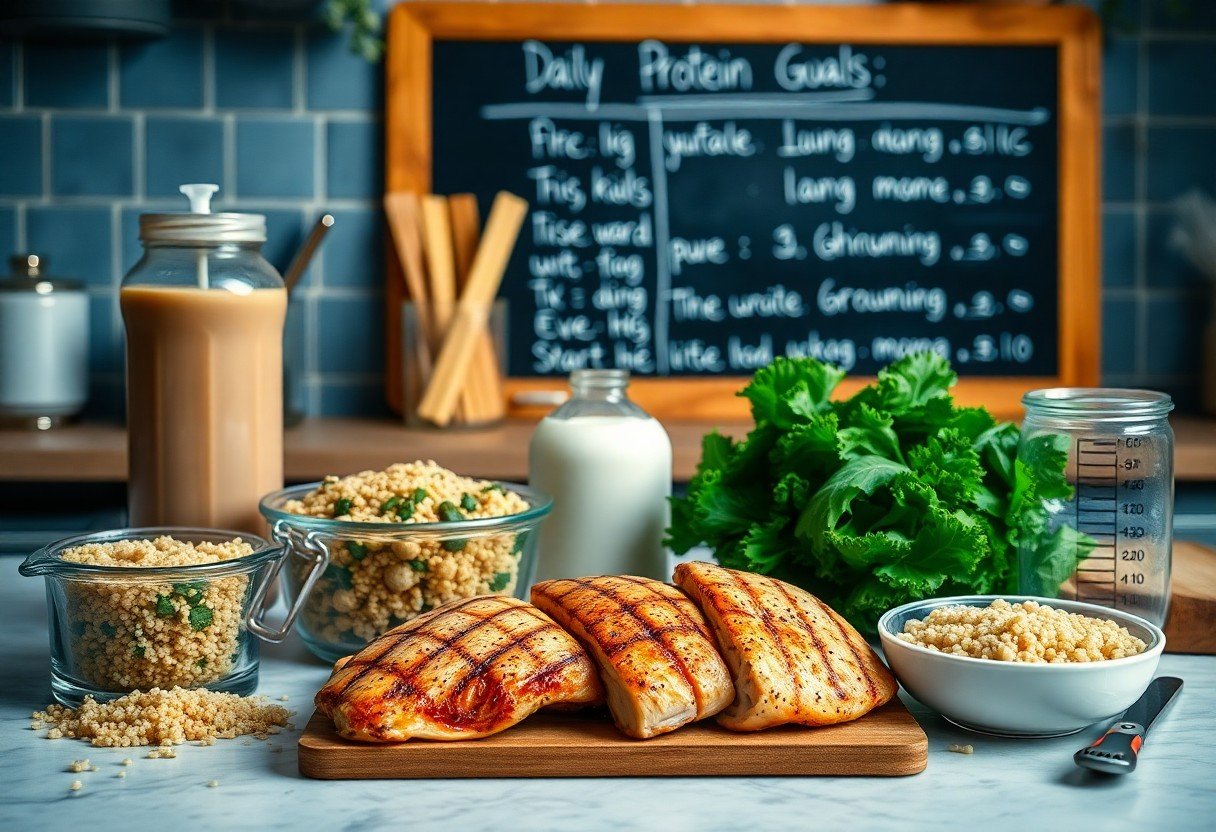
Step-by-Step Guide to Incorporating Protein
| Step | Action |
| 1 | Calculate your daily protein needs based on your body weight and activity level. |
| 2 | Plan high-protein meals and snacks throughout the day. |
| 3 | Incorporate protein supplements if necessary, aiming for whole foods first. |
| 4 | Track your protein intake to ensure you’re meeting your goals. |
| 5 | Adjust your protein intake and meal timing as you monitor your progress. |
Planning Your Meals
Begin by strategically planning your meals around your protein needs. Focus on including a protein source in every meal, such as chicken, fish, or legumes. Opt for protein-rich snacks like Greek yogurt or nuts to keep levels consistent throughout the day. This method not only helps you reach your daily goal but also enhances muscle recovery and growth.
Tracking Your Protein Intake
Utilizing a food diary or app can be effective for tracking your protein intake. Logging what you consume provides a clear view of your daily protein levels, ensuring you meet your set targets without over or under-consuming. Visibility into your nutrition helps inform adjustments later.
When tracking your protein intake, aim for a detailed approach. Note every meal and snack, and be mindful of portion sizes. Adjust your servings based on your workout intensity and body changes. Regularly reviewing your data helps you stay accountable and fine-tune your diet for optimal muscle gain.
Adjusting as You Progress
As you continue your muscle-building journey, periodically reassess your protein needs. If your workout intensity increases or your body weight changes, your protein requirements may also shift. Pay attention to your progress and adjust your intake accordingly.
Adjusting protein as you progress is vital for continued gains. If you find yourself hitting plateaus or feeling fatigued, increasing your protein intake may offer the boost needed. Regularly evaluate your performance and adapt your dietary choices to match your evolving fitness goals and body requirements.
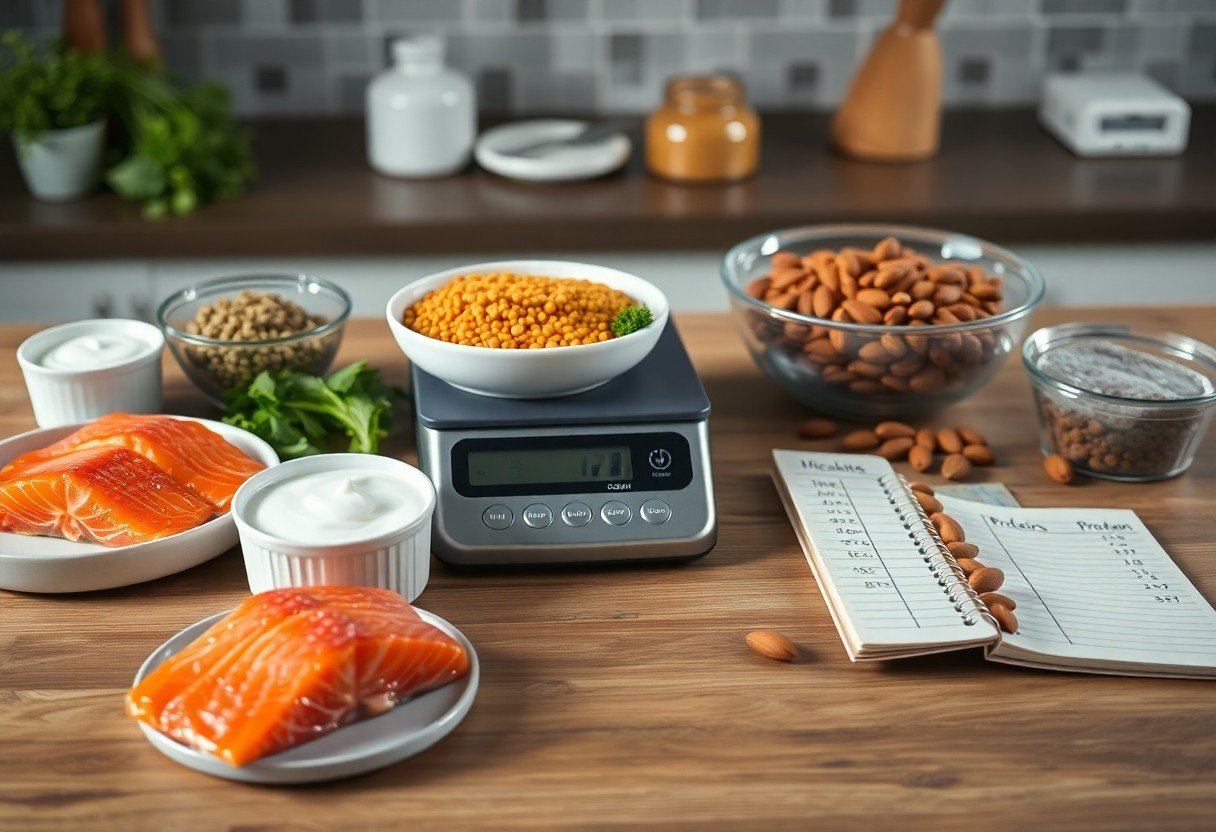
Step-by-Step Guide to Meal Planning
| Step | Description |
| 1 | Calculate your daily protein target based on your goals. |
| 2 | Choose the right protein sources to meet your needs. |
| 3 | Plan balanced meals incorporating protein throughout the day. |
| 4 | Prep meals ahead of time to stay on track. |
| 5 | Adjust your meal plan as necessary to maintain progress. |
Calculating Your Daily Protein Target
To determine your daily protein target, consider a range of 0.6 to 1 gram of protein per pound of body weight, depending on your activity level and muscle gain goals. For example, if you weigh 150 pounds and aim for 1 gram per pound, you’ll need about 150 grams of protein daily. Adjust this figure based on your specific workout routine and overall caloric intake.
Choosing the Right Protein Sources
Selecting the right protein sources is imperative for maximizing muscle gain. Aim for a mix of animal and plant proteins, such as lean meats, fish, dairy, legumes, nuts, and seeds. Variety helps ensure you obtain all imperative amino acids necessary for muscle recovery and growth.
Lean meats like chicken and turkey provide high-quality protein with low saturated fat, while fish offers omega-3 fatty acids beneficial for inflammation reduction. Dairy products are an excellent source of casein and whey proteins. For plant-based options, incorporate quinoa, tofu, and beans, which contain multiple amino acids. You can also explore protein powders to supplement your intake when necessary.
Sample Meal Plans for Muscle Gain
Creating a sample meal plan can help visualize how to reach your protein goals. A day might include scrambled eggs and oatmeal for breakfast, a grilled chicken salad for lunch, a protein shake as a snack, and salmon with quinoa and vegetables for dinner. Spreading protein intake throughout the day aids in better absorption and muscle synthesis.
A balanced meal plan should emphasize whole foods and incorporate diverse sources of protein. For example, a meal plan could consist of Greek yogurt with berries for breakfast, turkey and avocado wrap for lunch, and a high-protein dinner with steak and baked sweet potatoes, alongside a couple of protein-rich snacks like nuts or edamame. Such a structured approach optimizes your nutrient intake for muscle growth.
Pros and Cons of High Protein Diets
Pros | Cons
— | —
Supports muscle repair and growth | May strain kidneys in susceptible individuals
Can boost metabolic rate | Risk of nutrient deficiencies if not balanced
Helps with weight management by reducing hunger | May lead to digestive issues like bloating
Promotes fat loss when paired with exercise | Can be expensive, depending on protein sources
May improve recovery time after workouts | Overconsumption can lead to dehydration
Improves body composition | Increases risk of increased cholesterol if high in saturated fat
Can enhance performance in endurance activities | Social situations may become challenging due to dietary restrictions
Offers convenience with protein supplements | Nutritional imbalance if not coupled with carbs and fats
Easily customizable to fit individual goals | Possible increase in cardiovascular risks with excessive intake
Enhances overall satiety | Some people may find it unsustainable long-term
Benefits of High Protein for Muscle Gain
A high protein intake significantly enhances muscle gain by providing the necessary amino acids that your body requires for muscle repair and growth. Studies suggest that you should aim for a protein intake of 1.6 to 2.2 grams per kilogram of body weight, especially when engaged in resistance training. This not only supports muscle hypertrophy but also aids in quicker recovery, allowing you to train harder and more frequently.
Potential Risks of Excessive Protein Intake
While protein is imperative for muscle gain, an excessive intake can lead to several health risks. Overconsumption can put stress on your kidneys, particularly if you have pre-existing kidney issues. High protein diets can also displace other vital nutrients, leading to a lack of dietary balance.
Consuming too much protein may lead to dehydration, as your body requires additional water to eliminate excess nitrogen, a byproduct of protein metabolism. You might also experience digestive problems, including bloating and discomfort, especially with protein supplements. Furthermore, relying heavily on animal sources can increase saturated fat intake, raising the risk of cardiovascular issues.
Finding a Balanced Approach
Achieving muscle gain sustainably hinges on a balanced approach to protein intake. Instead of focusing solely on protein, prioritize a well-rounded diet that includes carbohydrates and healthy fats. This not only provides energy for your workouts but also supports overall health.
Incorporating a variety of nutrient-dense foods ensures that you’re obtaining imperative vitamins and minerals. Consider consulting a nutritionist to tailor your protein intake to your specific needs, ensuring that you’re benefiting from adequate fiber and micronutrients while avoiding the pitfalls of excessive protein consumption. For more insights, check out this resource on How much protein do you need to build muscle?
Monitoring Your Progress
Tracking Protein Intake
To ensure you’re meeting your protein needs, tracking your intake is crucial. Use a food diary or mobile app to log your meals and snacks, focusing on the protein content of each item. This will help you identify patterns and make adjustments where necessary, ensuring you consistently hit your target protein daily.
Adjusting Protein Needs Over Time
Your protein requirements can change based on several factors, including changes in body weight, workout intensity, and overall goals. Regular assessments will help you adapt your protein intake as these factors vary.
As you progress in your fitness journey, pay attention to shifts in your body composition and performance. For instance, if you gain muscle mass or ramp up your training, it’s important to increase your protein intake to support muscle repair and growth. Periodically reassess your protein needs every few months or when significant changes occur in your routine.
Signs of Adequate Protein Consumption
Recognizing the signs of adequate protein consumption can help you gauge whether your intake is meeting your muscle gain goals. You may notice improvements in your energy levels, muscle recovery, and overall strength.
Look for specific indicators such as reduced muscle soreness after workouts, steady gains in strength, and consistent progress towards your fitness goals. If you’re feeling energized and your body is responding well to workouts, it’s likely your protein intake is sufficient for your needs. Tracking progress over time will help confirm that you are on the right track.
Conclusion
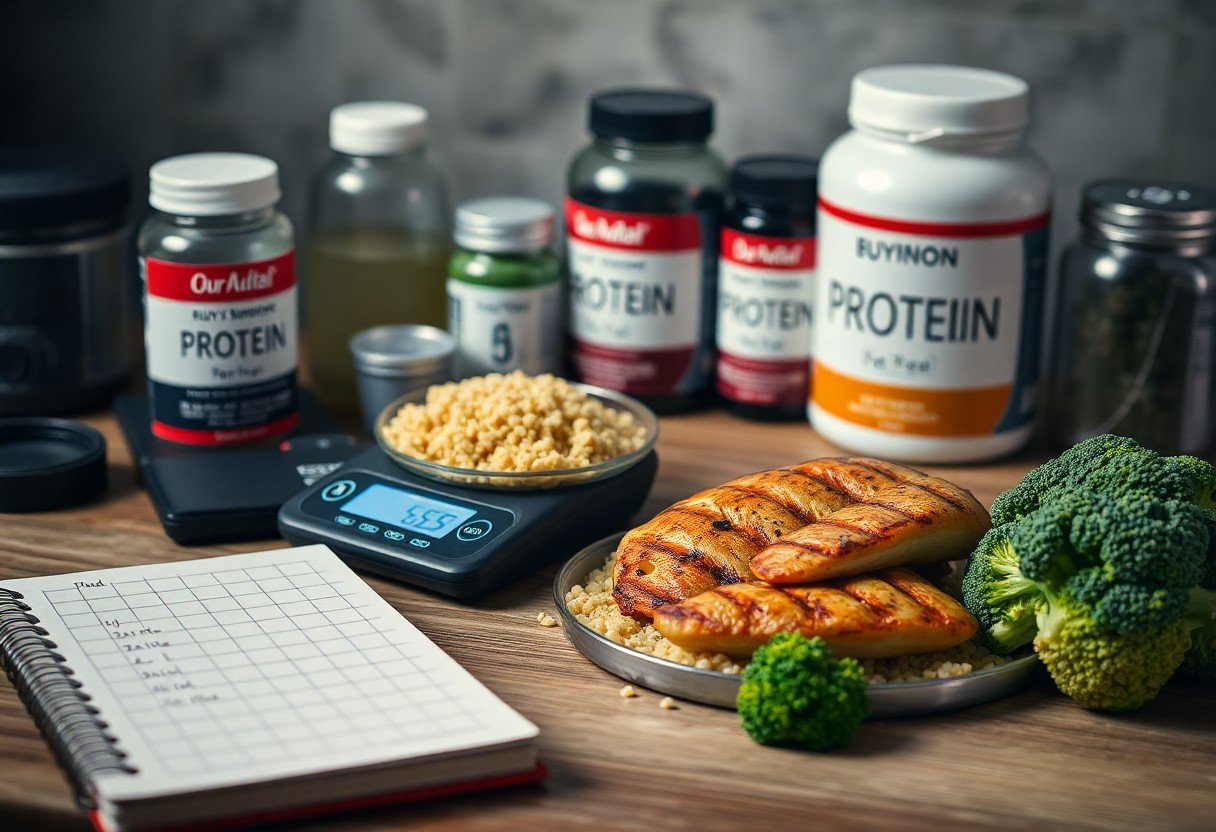
To wrap up, understanding your protein needs is necessary for effective muscle gain. Aim for a daily intake of about 1.6 to 2.2 grams of protein per kilogram of body weight, adapting this based on your activity level and fitness goals. Prioritize high-quality protein sources and distribute your intake evenly across meals for optimal muscle synthesis. By aligning your diet with these guidelines, you’ll be better equipped to support your muscle-building efforts and achieve your desired results.
Common Myths and Misconceptions
Myths About Protein and Muscle Gain
Many believe that eating excessive amounts of protein guarantees faster muscle gain, but this isn’t true. The body can only utilize a certain amount of protein for muscle repair and growth at a time. The rest may be stored as fat or excreted. Finding the right balance is imperative for optimal muscle development, rather than simply overloading your diet with protein.
Clarifying Misunderstandings
Misconceptions often arise regarding protein’s role in muscle gain. Some think that all protein sources are equal, while others believe you must consume protein immediately after a workout for effective muscle recovery. In reality, timing and source quality matter significantly. A well-rounded diet, paired with adequate total protein intake throughout the day, is what truly supports muscle growth.
Numerous studies indicate that both the type of protein and timing contribute to muscle synthesis. For example, whey protein is rapidly absorbed post-exercise, enhancing recovery, but consuming a balanced intake throughout the day keeps muscle protein synthesis elevated. Additionally, the focus should be on your total daily protein intake, aiming for about 1.6 to 2.2 grams per kilogram of body weight, rather than stressing about immediate post-workout consumption. For more insights on protein requirements, check out How much protein do you really need?
FAQ
Q: How much protein do I need for muscle gain?
A: The general recommendation for muscle gain is to consume about 1.6 to 2.2 grams of protein per kilogram of body weight daily. This range can vary based on activity level and individual goals.
Q: Can I get enough protein from plant-based sources?
A: Yes, you can obtain sufficient protein from plant-based sources such as legumes, nuts, seeds, tofu, and whole grains. Combining different sources can help achieve a complete amino acid profile.
Q: Is protein timing important for muscle gain?
A: Yes, protein timing can be beneficial. Consuming protein shortly after exercise can help promote muscle repair and growth. Aim for a high-protein meal or snack within 30 minutes to 2 hours post-workout.
Q: Do I need protein supplements to reach my goals?
A: Not necessarily. Whole foods can provide all the protein needed for muscle gain. However, protein supplements can be convenient for those who struggle to meet their protein needs through food alone.
Q: Will eating more protein automatically lead to more muscle gain?
A: Increased protein intake alone does not guarantee muscle gain. It must be combined with a proper strength training program and overall calorie surplus to effectively build muscle.
Final Words
The amount of protein you need for optimal muscle gain varies based on your activity level, goals, and body composition. Typically, aiming for 1.6 to 2.2 grams of protein per kilogram of body weight is effective for promoting muscle growth. To support your training, spread your protein intake evenly throughout the day, focusing on high-quality sources. By tailoring your protein consumption to your individual needs, you can enhance your progress and achieve your muscle-building goals more efficiently.