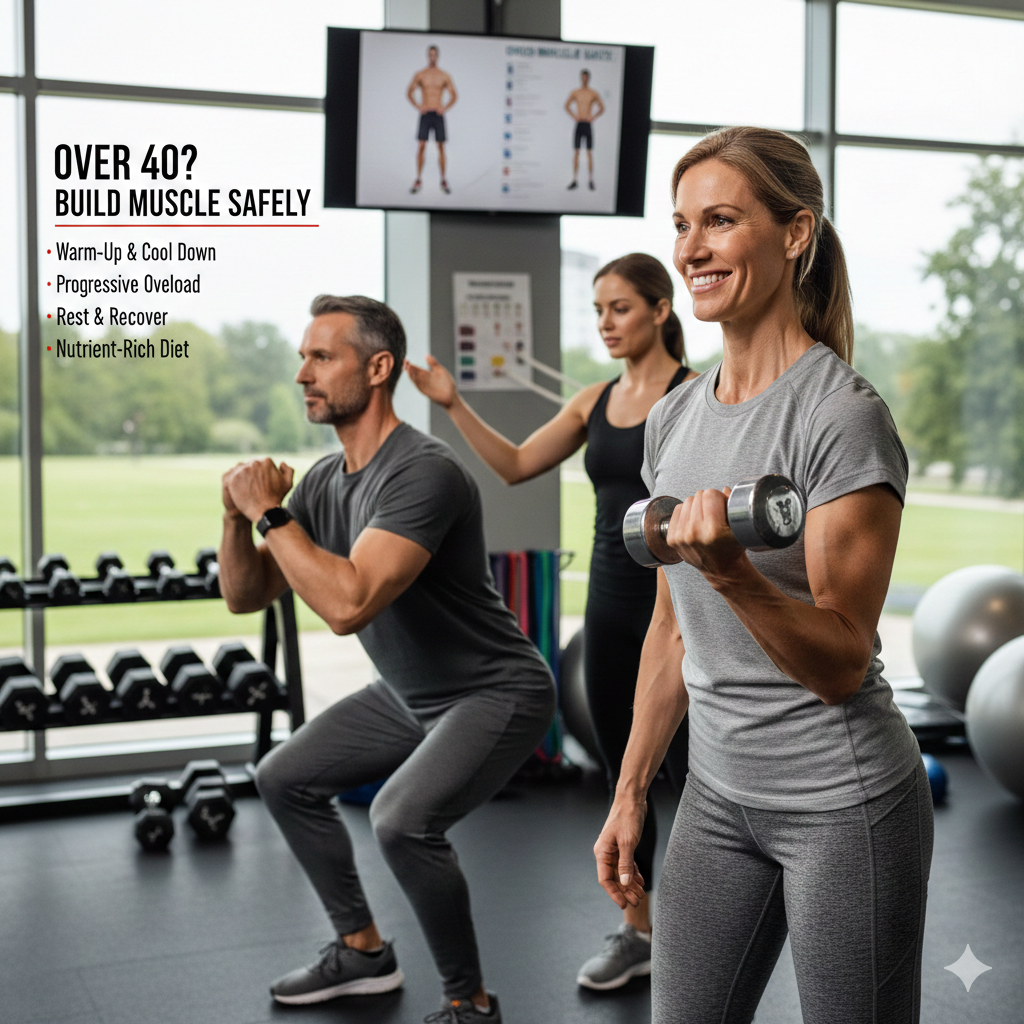


Most fitness enthusiasts seek a balanced physique that combines strength and endurance, and hybrid training offers an effective solution. By integrating strength workouts with cardio exercises, you can enhance your overall performance, boost your metabolic rate, and reduce the risk of injury. This approach not only helps you achieve a more aesthetically pleasing body but also improves your functional fitness for everyday activities. Embrace hybrid training to elevate your workouts and obtain a well-rounded, powerful physique.
Key Takeaways:
- Combines strength training and cardio for comprehensive fitness benefits.
- Enhances muscle growth while improving cardiovascular endurance.
- Flexibility in training approaches can lead to greater adherence and motivation.
Understanding Hybrid Training
Definition of Hybrid Training
Hybrid training combines strength training and cardiovascular exercise into a single workout regimen, aiming to enhance overall physical fitness. This approach allows you to build muscle while improving your endurance, resulting in a balanced and versatile physique that benefits both athletic performance and daily activities.
Benefits of Combining Strength and Cardio
Integrating strength and cardio offers numerous advantages, such as increased calorie burn, improved muscle tone, and enhanced cardiovascular health. By engaging in hybrid training, you can efficiently maximize your workout time and achieve greater fitness results, allowing you to achieve your goals more effectively.
The combination of these two modalities not only helps in weight management but also boosts your metabolic rate. Studies indicate that individuals who engage in both strength and aerobic exercises can improve their body composition and reduce body fat percentage more effectively than those who focus on only one type of training. This synergy can lead to increased energy levels and greater overall health, providing you with a well-rounded fitness experience.
The Science Behind Hybrid Training
Hybrid training is grounded in exercise physiology, utilizing principles that highlight how your body adapts to different forms of stress. By alternating between strength and cardio, you stimulate muscle growth while simultaneously enhancing cardiovascular capacity, leading to optimal performance and recovery.

Designing a Hybrid Training Program
Assessing Fitness Levels
Before plunging into a hybrid training program, evaluate your current fitness levels. Consider your strength, endurance, and any existing limitations. Common assessments include push-up tests for strength, timed runs for cardio, and body composition analysis. This baseline will guide your progress and highlight areas that require more focus, ensuring you construct a suitable program tailored to your abilities.
Setting Goals for Hybrid Training
Establish clear, measurable goals to keep your hybrid training on track. Whether your aim is weight loss, muscle gain, or overall fitness improvement, specific goals provide direction and motivation. Identify what success looks like for you-like running a 5K, lifting a certain weight, or achieving a desired body composition.
Consider using the SMART criteria-Specific, Measurable, Achievable, Relevant, and Time-bound-to refine your goals. For example, rather than just saying you want to “get fit,” aim for “losing 10 pounds in three months while maintaining muscle mass.” This clarity fosters focus, making it easier to monitor your progress and make necessary adjustments along the way.
Structuring Workouts: Strength vs. Cardio Ratio
Deciding on the strength-to-cardio ratio is necessary for a balanced hybrid program. A common approach is to alternate focus, spending about 60% of your workout time on strength training and 40% on cardio. This ratio can vary based on your specific goals and preferences.
For instance, if your primary goal is to build muscle, emphasize strength training, perhaps adjusting the ratio to 70% strength and 30% cardio. In contrast, for those aiming to improve endurance or lose weight, a more balanced 50/50 or even 40% strength and 60% cardio may be better suited. Whatever you choose, ensure that your program aligns with your goals while allowing for recovery and adaptation.
Scheduling: Frequency and Duration
Establishing a consistent schedule is vital for your hybrid training program’s success. Aim for at least three to five workout sessions per week, with each session lasting between 45 to 90 minutes, depending on intensity and personal capacity.
Balancing workout frequency and duration is fundamental. You might start with three days of structured workouts, alternating between strength and cardio, then add additional sessions as your fitness improves. Incorporate rest days to facilitate recovery and prevent burnout, allowing your muscles to rebuild while enhancing your performance over time.
Strength Training Components
Key Exercises for Building Strength
To effectively build strength, focus on compound movements like squats, deadlifts, bench presses, and pull-ups. These exercises engage multiple muscle groups, promoting greater overall strength and stability. Incorporating free weights and bodyweight exercises enhances functional strength, imperative for daily activities and athletic performance.
Resistance Training Techniques
Incorporating various techniques into your resistance training can optimize strength gains. Focus on progressive overload, which involves gradually increasing weights or repetitions to continually challenge your muscles. Supersets and drop sets are effective methods that shorten rest periods and maximize intensity, providing a more efficient workout.
Utilizing advanced techniques such as pyramid training, where you adjust the weight and reps after each set, can further drive improvement. For those pressed for time, circuit training allows you to engage multiple muscle groups with minimal downtime, maximizing the efficiency of your workouts while enhancing endurance alongside strength.
Importance of Proper Nutrition for Strength Gains
Your strength gains are significantly influenced by your nutrition. Consuming a balanced diet rich in protein, healthy fats, and complex carbohydrates supports muscle recovery and growth. Adequate caloric intake fuels your workouts and prevents energy depletion.
Optimizing your nutrition means timing your meals around workouts for maximum benefit. A post-workout meal rich in protein and carbs within 30 minutes can enhance muscle recovery and glycogen replenishment, making it imperative for building strength and improving performance. Tracking your intake and adjusting based on your training intensity will ensure you support your hybrid training effectively.
Cardiovascular Training Components
Overview of Effective Cardio Exercises
To maximize your hybrid training, you should incorporate various cardiovascular exercises that elevate your heart rate and improve endurance. Options like running, cycling, swimming, or rowing are excellent choices. Each of these exercises can be tailored in intensity and duration to suit your specific fitness level, contributing to your overall health and efficiency in hybrid workouts. For a comprehensive look into hybrid training, check out this What Is Hybrid Training & How to Build a Hybrid Program.
Integrating High-Intensity Interval Training (HIIT)
High-Intensity Interval Training (HIIT) is an effective way to enhance cardiovascular fitness while maintaining strength. By alternating between short bursts of intense activity and recovery periods, you can significantly improve your aerobic and anaerobic capacity in a shorter time frame.
Incorporating HIIT into your hybrid program can yield remarkable results. Research indicates that just 15-30 minutes of HIIT can burn more calories than an hour of steady-state cardio. You can utilize exercises such as sprinting, burpees, or kettlebell swings in a HIIT format. This method not only boosts your metabolic rate but also enhances muscle retention, making it an efficient choice for those seeking to balance strength and cardio.
The Role of Endurance Training in Hybrid Programs
Endurance training plays a vital role in developing stamina and sustaining energy for longer workouts. Including steady-state cardio sessions will complement the intensity of HIIT, ensuring you have the endurance to perform effectively in strength-focused workouts.
Implementing endurance training enhances your aerobic capacity, which benefits your overall performance in hybrid workouts. Aim for sessions lasting 30-60 minutes at a moderate pace, such as maintaining a conversational speed while running or cycling. This consistent approach builds a strong foundation that supports recovery and reduces fatigue during more intense training rounds, ultimately optimizing your hybrid experience.
Monitoring Progress
Tracking Performance and Improvements
To effectively monitor your hybrid training progress, you should consistently track performance metrics including weights lifted, distance covered, and heart rate responses. Utilizing a training journal or app can help you document these metrics over time, allowing you to identify patterns and improvements in your strength and endurance. Regularly testing your max lifts and performing timed cardio sessions will provide objective data on your enhancements.
Adjusting Training Parameters
As you observe your performance metrics, making adjustments is important for continued progress. Increasing weights gradually or varying cardio intensity can challenge your body and prevent plateaus. Adequate adjustments based on your captured data will ensure that you stay on track towards achieving your fitness goals.
This might involve a more structured approach, such as increasing the load by 5% every week or incorporating different cardio modalities like high-intensity interval training (HIIT) to mix things up. For example, if you’ve been squatting the same weight for several weeks, increase the load or switch to a different exercise such as lunges to target the same muscle groups in new ways. These adjustments foster continual adaptation and help maintain motivation.
Importance of Recovery and Rest
In a hybrid training program, the importance of recovery and rest cannot be overstated. Your muscles need time to repair and grow stronger, and sufficient rest periods directly impact your performance and overall progress. Incorporate rest days into your weekly routine alongside active recovery techniques like stretching or foam rolling.
Neglecting recovery can lead to overtraining, which increases the risk of injury and stalls your progress. Aim for at least one to two rest days each week, depending on your intensity levels, and consider implementing strategies like sleep optimization, hydration, and proper nutrition to enhance your recovery process. Consistent attention to recovery not only improves performance but also contributes to long-term adherence to your hybrid training regimen.

Common Misconceptions about Hybrid Training
Myth: You Have to Choose Between Strength or Cardio
Many believe that focusing on one area means sacrificing gains in the other. However, hybrid training effectively integrates both strength and cardio for a well-rounded approach. By scheduling workouts to include elements of each, you can enhance endurance without compromising muscle mass.
Myth: Hybrid Training Is Only for Advanced Athletes
This misconception arises from the belief that hybrid training requires a high fitness level. In reality, hybrid training can be tailored for any fitness level, allowing beginners to build strength and endurance progressively. Customized programs can help you gradually incorporate both elements without overwhelming you.
- Hybrid training is adaptable for all fitness levels.
- You can start with basic drills and gradually progress.
- Many programs offer clear modifications for beginners.
| Key Points | Details |
|---|---|
| Flexibility | Beginners can modify exercises and focus on form. |
| Progression | Increase intensity gradually as your fitness improves. |
Myth: All Cardio Is Bad for Strength Gains
Another common belief is that any form of cardio negatively impacts your strength. In reality, incorporating cardio can enhance your overall fitness. It improves your recovery, increases stamina, and even supports muscle growth when programmed appropriately.
While excessive cardio can hinder strength gains, moderate amounts can be beneficial. Incorporating short, high-intensity intervals or low-impact sessions can maintain cardiovascular health without eroding muscle mass. Striking a balance is key to maximizing your performance.
Conclusion
Taking this into account, incorporating hybrid training that combines strength and cardio will greatly enhance your overall fitness and help you achieve a balanced physique. By engaging in both forms of exercise, you not only boost your muscular development and endurance but also improve your cardiovascular health. This dynamic approach allows you to maximize your workouts, prevent plateaus, and maintain motivation. Embrace this training style to optimize your physical performance and aesthetic goals.
FAQ
Q: What is hybrid training?
A: Hybrid training combines strength training and cardiovascular workouts to improve overall fitness, enhance endurance, and build muscle simultaneously.
Q: What benefits does hybrid training provide for muscle building?
A: Hybrid training promotes muscle growth by incorporating strength exercises, which stimulate muscle fibers, while cardio improves blood flow and recovery, leading to enhanced strength gains.
Q: How can I structure a hybrid training program?
A: A balanced hybrid program can include alternating days of strength training and cardio, or combined sessions where strength exercises are interspersed with cardio intervals.
Q: Is hybrid training suitable for beginners?
A: Yes, hybrid training can be adapted for beginners by starting with lighter weights and lower intensity cardio, gradually increasing intensity and complexity as fitness improves.
Q: How often should I engage in hybrid training?
A: For optimal results, aim for 3 to 4 hybrid training sessions per week, ensuring to include rest or active recovery days to prevent overtraining and support muscle recovery.