
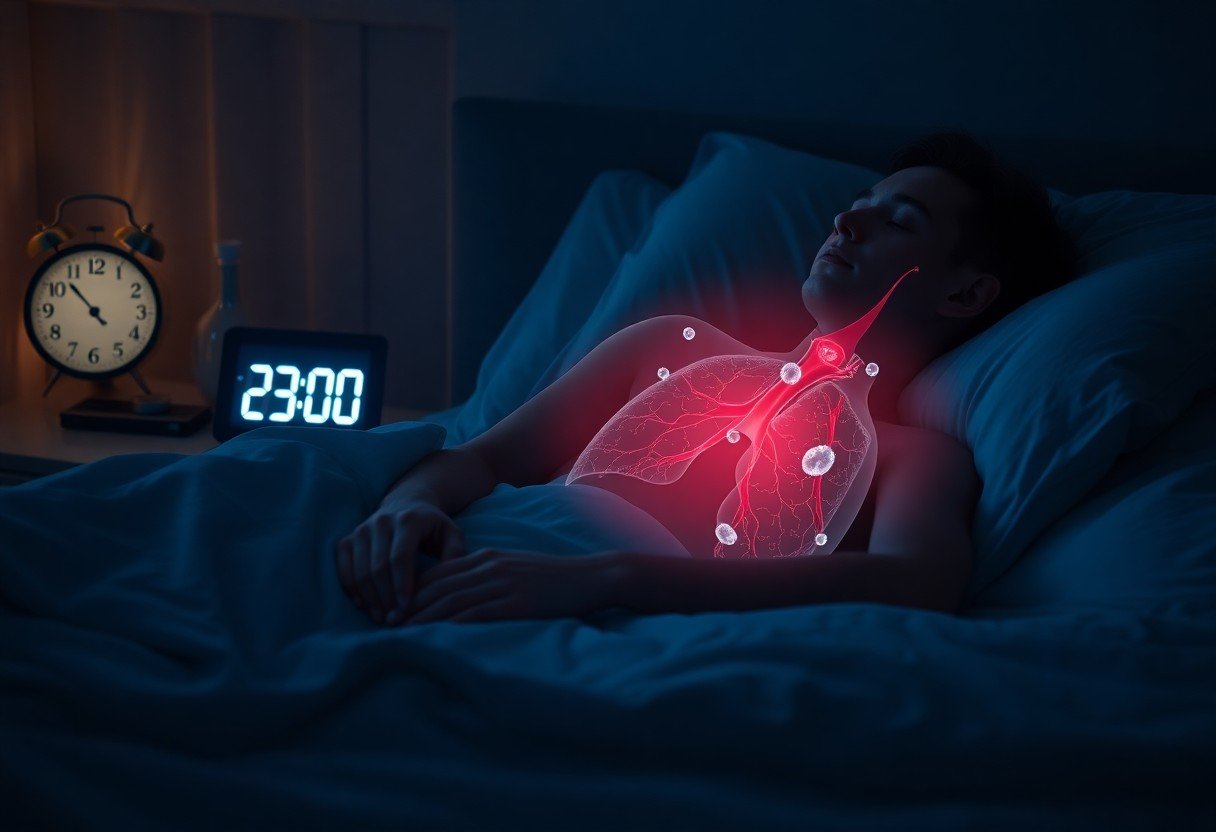
It’s 3 AM when your immune system shifts: immune suppression and inflammation can spike, raising infection risk, while sleep-driven cellular repair and antibody production boost recovery.
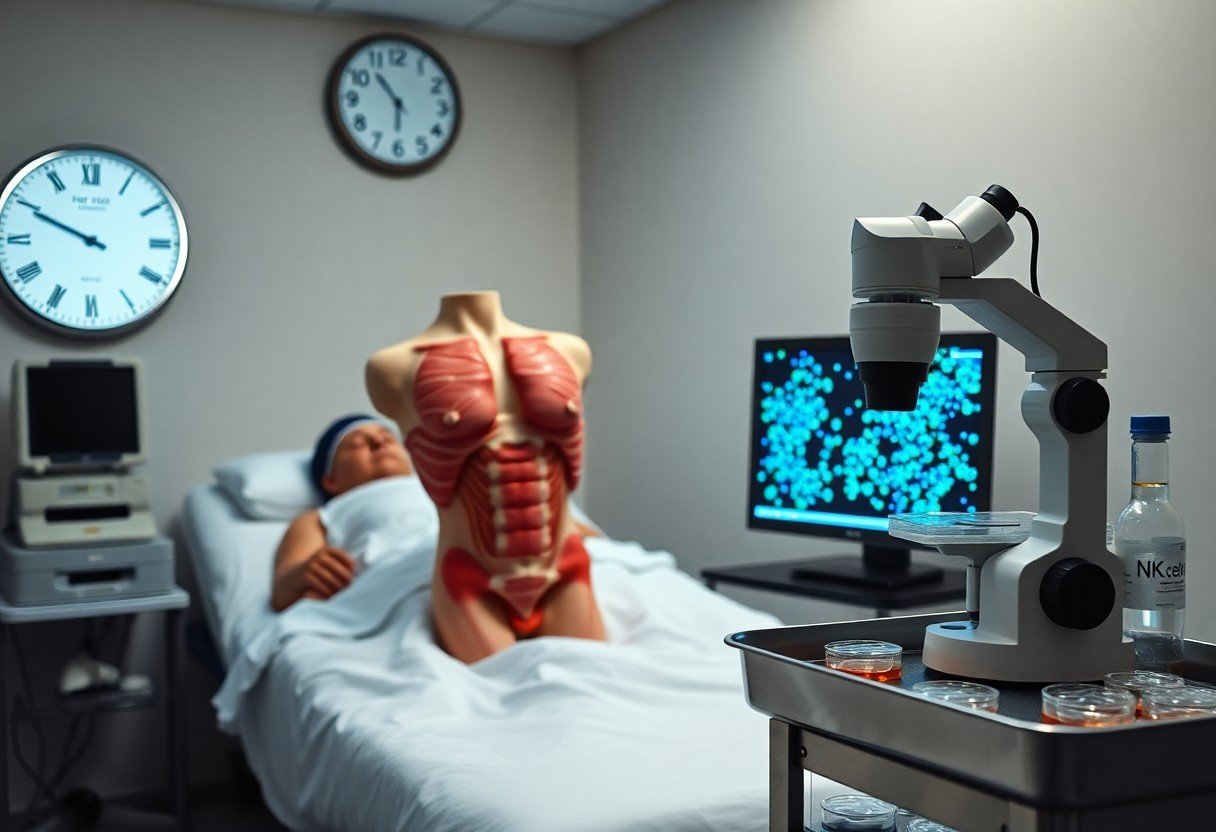
The Biological Architecture of Sleep
Slow-Wave Sleep and the Mechanics of Cellular Repair
During slow-wave sleep, your body shifts into deep restoration: cellular repair accelerates as growth hormone surges, immune cells are replenished, and the glymphatic system clears metabolic waste to ready you for immune challenges.
The Influence of Circadian Rhythms on Systemic Health
Circadian timing sets when your immune signals peak and trough, so misalignment raises infection risk, drives inflammation, and disrupts hormonal cycles that regulate immunity.
Shift work and late-night light scramble your central clock, shifting cortisol and melatonin rhythms and mis-timing leukocyte trafficking and cytokine release, which produces blunted vaccine responses, greater susceptibility to respiratory and metabolic infections, and chronic low-grade inflammation; correcting sleep timing, meal schedules, and daylight exposure can restore alignment and strengthen your immune resilience.
The 3 AM Window: Peak Immune Activity
At 3 AM your immune system concentrates resources as hormonal shifts reduce cortisol and promote nocturnal signaling, enabling heightened pathogen clearance and adaptive processing that convert nightly exposures into long-term protection.
The Critical Surge of Pro-inflammatory Cytokines
Cytokines surge around 3 AM, giving you increased pathogen-killing capacity but also raising the chance of excessive inflammation that can damage tissue if sleep is fragmented or prolonged.
Antigen Memory Consolidation and Pathogen Recognition
T cells and antigen-presenting cells coordinate during deep sleep to replay encounters, helping you build lasting immune memory and sharpen future recognition of the same invaders.
While you sleep, dendritic cells ferry antigens to lymph nodes where B and T cells undergo selection and expansion; slow-wave sleep biases cytokine patterns (for example IL-1 and IL-6) that support the formation of durable antibody and memory T-cell pools, but disrupted regulation can increase the risk of misdirected inflammation or autoimmunity.
Cellular Defense: T-Cells and the Lymphatic System
Sleep shifts how you fight infections: during deep sleep T-cell activity intensifies and the lymphatic system increases clearance of pathogens and debris, so your immune surveillance and recovery happen most effectively around 3 AM; disrupted sleep can reduce adhesion and drainage, raising infection risk.
Enhancing T-Cell Adhesion and Viral Defense
T-cells boost expression of adhesion molecules during deep sleep, so you trap and eliminate infected cells more efficiently; poor sleep lowers adhesion and can raise viral susceptibility, making nights without restorative sleep dangerous for immune defense.
The Glymphatic System: Nocturnal Waste Clearance in the Brain
Night sleep increases cerebrospinal fluid flow through glymphatic pathways, so you clear metabolic waste like amyloid-beta; interrupted sleep reduces clearance and raises long-term neurodegenerative risk.
Fluid movement along perivascular routes, driven by astrocyte water channels (AQP4), expands interstitial space during slow-wave sleep so you experience peak glymphatic clearance around deep-night hours; chronic sleep loss causes waste accumulation and raises your dementia risk over time.
Hormonal Regulation and Inflammatory Balance
Hormonal shifts during the night determine inflammatory tone, and when your sleep fragments you face a tug-of-war between stress hormones and restorative signals; elevated nighttime cortisol and reduced melatonin can suppress defenses or promote chronic inflammation – see How Sleep Affects Your Immune System | News for evidence.
The Interplay Between Cortisol Levels and Immune Suppression
Cortisol increases with sleep loss, so you experience immune suppression via impaired lymphocyte activity and blunted inflammatory signaling, raising your susceptibility to infections and weakening vaccine responses.
Melatonin as a Potent Antioxidant and Immune Modulator
Melatonin peaks at night and helps you mount balanced immune responses by acting as an antioxidant and regulator, providing cellular protection that limits oxidative damage and excessive inflammation.
You produce melatonin in darkness, and that hormone both scavenges free radicals and modulates cytokines-downregulating IL-6 and TNF-α while supporting T-cell and mitochondrial function; when light exposure or insomnia suppresses melatonin you lose this antioxidant and immunoregulatory protection, increasing oxidative stress and skewing immune signaling toward harmful inflammation.
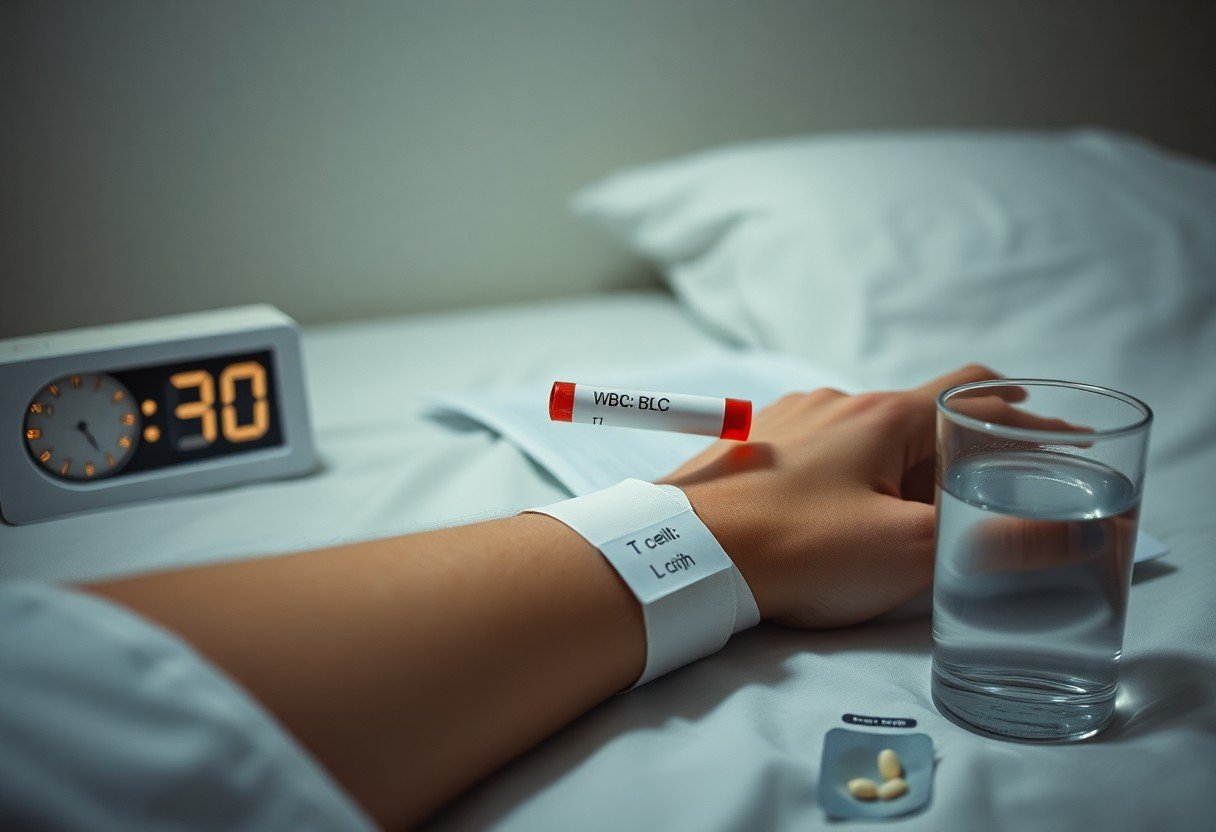
Clinical Consequences of Sleep Deprivation
Sleep deprivation drives hormonal shifts and immune imbalance, so you experience chronic inflammation, impaired pathogen clearance, and metabolic dysregulation that combine to produce measurable clinical harms, including higher infection rates and poorer control of long-term diseases.
Impaired Vaccine Efficacy and Adaptive Immunity
You may mount weaker antibody responses after vaccination when sleep-deprived, lowering protective titers and reducing memory-cell formation, which shortens the duration and strength of vaccine protection.
Increased Susceptibility to Acute and Chronic Infections
Chronic sleep loss leaves you with fewer circulating lymphocytes and blunted interferon signaling, increasing your chance of both acute viral infections and sustained inflammatory illness.
Repeated nights of poor sleep impair innate defenses-reduced NK cell activity, altered neutrophil function, and subdued interferon responses-so you face slower recovery, greater risk of secondary bacterial infections, and more frequent reactivation of latent viruses such as herpes; these effects translate into higher clinic visits and a measurable rise in hospitalization risk for severe infections.
Strategies for Optimizing Restorative Sleep
Environmental Control and Sleep Hygiene Protocols
Bedroom temperature, light and noise shape your sleep. Keep it cool, dark and quiet-use blackout curtains and white noise. Aim for 60-67°F and full darkness to support deep restorative sleep and immune repair.
Dietary Influences on Sleep Quality and Immune Resilience
Meals timing and composition shape your sleep and immune response; skip heavy late dinners and alcohol, favor magnesium-rich snacks and small carbs before bed. Avoid late alcohol and large meals to reduce sleep fragmentation.
Evening meals influence hormones that regulate sleep and immune function; you can improve nightly restoration by timing and choosing nutrients wisely. Prioritize foods with tryptophan and magnesium-yogurt, turkey, bananas-and maintain zinc and vitamin D across the day to support immunity. Avoid caffeine after mid-afternoon and skip alcohol within three hours of bedtime because it fragments REM and suppresses immune signaling. Small, low-fat snacks combining protein and complex carbs raise serotonin without spiking glucose, helping you enter deep sleep when immune repair is most active.
The Role of Consistency in Maintaining the Biological Clock
Routine sleep-wake timing anchors your circadian clock; keep fixed bed and wake times, including weekends. Regular schedules synchronize melatonin and cortisol cycles, lowering midnight disruptions and boosting immune repair-steady timing reduces nighttime inflammation.
Consistency in timing keeps your central clock aligned so sleep stages and immune cell cycles occur predictably. You will reduce pro-inflammatory spikes by avoiding weekend shifts and variable naps; social jetlag elevates markers that impair pathogen defense. Anchor your rhythm with bright morning light, fixed meals and modest daytime activity to consolidate slow-wave sleep when T-cell memory consolidation and cytokine release peak. Small changes-going to bed within 30-60 minutes nightly-produce measurable improvements in sleep continuity and immune resilience.
To wrap up
From above, you see that at 3 AM your body shifts into deep restorative sleep, boosting melatonin and immune cell activity while lowering cortisol; disrupted sleep at that hour weakens cytokine response and impairs infection defense, so consistent sleep timing preserves immune function.
FAQ
Q: What exactly is happening to the body and immune system around 3 AM?
A: Around 3 AM many people are near the circadian nadir: core temperature is low, melatonin secretion is near its peak, and cortisol is still suppressed compared with morning levels. Those hormonal conditions create an immune-supportive environment: growth-hormone and prolactin pulses tied to slow-wave sleep promote lymphocyte proliferation and antigen-specific memory formation, while melatonin modulates innate and adaptive responses. Nighttime also shifts leukocyte trafficking from the blood into lymphoid tissues, improving antigen presentation and immune consolidation. Short-term cytokine signaling that helps coordinate cellular defenses tends to rise during deep sleep, although prolonged or fragmented sleep can reverse these benefits and produce persistent inflammatory markers like elevated IL-6 and CRP.
Q: Why do people often wake up at 3 AM when they are ill?
A: Immune-driven processes and circadian hormone patterns can fragment sleep during infection. Pro-inflammatory cytokines released to fight pathogens can increase sleep depth early in the night but later cause arousals and restlessness. Low nocturnal cortisol means less hormonal suppression of inflammation, so pain, fever, or cytokine surges are more likely to break sleep. Nasal congestion and changes in autonomic tone when lying down make breathing symptoms worse at night. Temperature spikes and the timing of immune mediators frequently align with early-morning hours, producing the sense of waking at 3 AM feeling worse.
Q: How does chronic insufficient sleep change immune function and infection risk?
A: Repeated short or fragmented sleep impairs multiple immune pathways. Natural killer cell activity and T-cell proliferation decline, antibody responses to vaccines are reduced, and baseline inflammatory markers rise. Those changes increase susceptibility to viral and bacterial infections and slow recovery and wound healing. Chronic sleep loss also dysregulates metabolic and hormonal systems, which further compromises immune competence and increases the risk of more severe or prolonged illness.
Q: Does sleep timing or quality affect how well vaccines or infections are handled?
A: Yes. Sleep, especially slow-wave sleep in the night after antigen exposure, supports the consolidation of adaptive immune responses and increases antibody titers produced after vaccination. The hormonal milieu of nighttime (low cortisol, high growth hormone/prolactin) favors dendritic cell-T cell interactions and memory formation. Poor sleep before or after vaccination blunts antibody production and cellular responses, reducing vaccine effectiveness. For acute infections, maintaining consolidated, adequate sleep improves immune coordination and can shorten symptom duration.
Q: What practical steps help optimize sleep to support immunity and reduce 3 AM disruptions?
A: Maintain a consistent sleep schedule with 7-9 hours nightly for most adults, prioritize a dark and cool bedroom, and minimize evening exposure to blue-light screens. Avoid heavy meals, alcohol, and caffeine within several hours of bedtime. Manage symptoms of congestion or pain before bed with appropriate remedies to prevent nocturnal awakenings. Address chronic sleep disorders such as insomnia or sleep apnea with a healthcare provider, and seek medical advice if nighttime fever or repeated 3 AM awakenings occur during illness. Daytime bright light exposure and regular physical activity also stabilize circadian timing and improve nighttime immune-supportive sleep.