
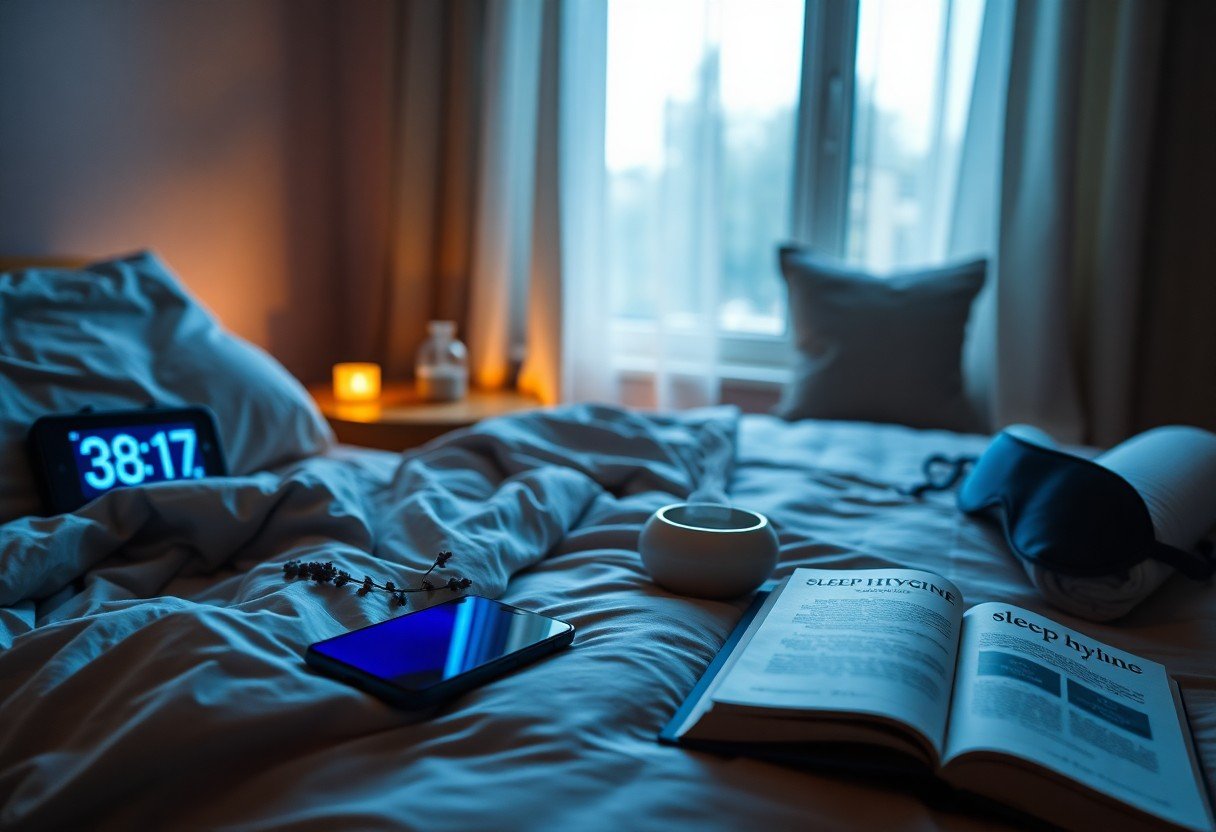
Over time, unmanaged stress and anxiety hijack your sleep by raising cortisol, triggering nighttime worry and short, fragmented rest; this creates a vicious loop where poor sleep worsens anxiety. You will learn how to interrupt the loop with practical steps-consistent wind-down routines, cognitive strategies to quiet thoughts, and targeted habits that restore deep sleep-so you can reclaim restorative rest and reduce daytime anxiety.
Key Takeaways:
- Stress and anxiety produce physiological and mental hyperarousal (elevated cortisol, sympathetic activation, rumination) that delays sleep onset, fragments sleep, and causes early awakenings.
- Behaviors like late-night screen use, caffeine/alcohol, irregular schedules, and daytime napping reinforce the stress-sleep cycle and worsen insomnia.
- Break the cycle with targeted steps: schedule a worry period, use stimulus control and consistent sleep times, reduce evening stimulants/screens, practice relaxation (deep breathing, progressive muscle relaxation), and pursue CBT-I or professional help if problems persist.
Understanding the Connection Between Stress, Anxiety, and Sleep
When stress ramps up, your body activates the HPA axis and sympathetic nervous system, releasing cortisol and adrenaline that make it harder to fall and stay asleep. Cortisol should decline at night; stress can blunt that drop, delaying sleep onset and reducing deep (slow-wave) sleep. Clinical data show about one-third of adults report short-term insomnia during stressful periods. Over time, this blunted recovery can increase daytime fatigue and raise cardiovascular and metabolic risk.
How Stress Affects Sleep Quality
Acute stress reliably increases sleep latency and fragments sleep architecture: you spend less time in slow-wave and REM sleep, impairing memory consolidation and emotional regulation. For example, after an intense deadline or argument many people report falling asleep 15-30 minutes later and waking more at night. Elevated evening cortisol and reduced heart rate variability make restorative stages shallower, so extra time in bed often fails to restore daytime function.
The Role of Anxiety in Sleep Disruption
Anxiety loads your mind with repetitive worry and threat simulations that continue into the bedroom, producing hypervigilance that blocks sleep initiation and causes nocturnal awakenings. About half of people with generalized anxiety report chronic sleep complaints; anticipatory anxiety and rumination commonly trigger fragmented REM and short, non-restorative sleep. If you continually scan for problems at night, the brain treats sleep as hazardous, reinforcing avoidance and persistent insomnia.
Clinically, targeting both cognitive and physiological arousal yields the best results: interrupt worry with thought-defusion or worry-scheduling, and rebuild safe sleep cues using stimulus control and sleep restriction. Practical tools such as paced breathing, progressive muscle relaxation, or a 4-7-8 pattern lower autonomic arousal before bed. Combining CBT for anxiety with CBT-I produces larger, more durable improvements than medication alone, with many people reporting meaningful gains within 6-8 weeks.
Identifying Factors Contributing to Sleep Disruption
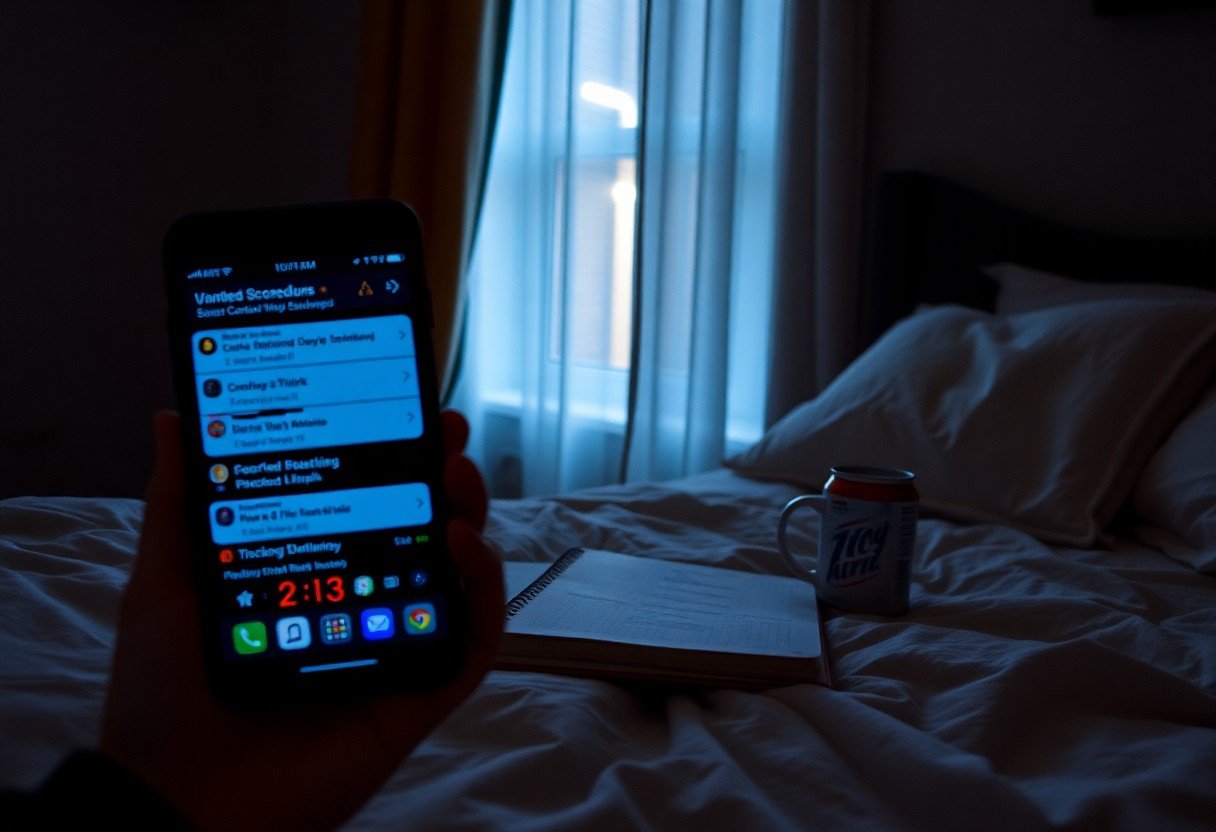
Your nights are often affected by interacting causes: psychological arousal, lifestyle choices, medical issues, and the bedroom environment. Stress spikes cortisol and anxiety drives rumination, while shift work and late caffeine intake delay your circadian rhythm; untreated apnea causes oxygen drops and micro-awakenings. External stimuli like light and noise blunt melatonin release and deepen sleep debt. Recognizing which factors dominate your nights lets you prioritize targeted interventions.
- Stress
- Anxiety
- Caffeine
- Shift work
- Light
- Noise
- Medical conditions
Lifestyle Factors
Your habits-timing of meals, exercise, alcohol, and evening screen use-shift rhythms and fragment sleep; up to 30% of adults report lifestyle-related sleep problems. Evening blue light can delay melatonin by 1-2 hours, and late alcohol reduces deep sleep despite hastening sleep onset. Social jet lag from weekend shifts worsens daytime fatigue. Any persistent pattern can be altered by small, consistent habit changes.
- Evening screen use
- Late caffeine & alcohol
- Irregular sleep schedule
- Shift work
Environmental Factors
Ambient light, noise, and temperature directly affect sleep physiology: light as low as 30 lux can suppress melatonin, road noise above 40 dB raises arousal frequency, and bedroom heat above 24°C reduces REM and slow-wave sleep. Aim for a cool, dark room and minimize intermittent sounds to protect restorative stages. Perceiving these cues helps you make precise environmental changes.
- Light (lux)
- Noise (dB)
- Temperature (°C)
- Bed comfort & bedding
Practical fixes work: blackout curtains can cut light by up to 99%, earplugs typically reduce noise by 20-30 dB, and a 16-19°C bedroom supports faster sleep onset and more REM. White-noise or masking sounds smooth intermittent peaks from traffic, and removing LED indicators prevents late melatonin suppression. Perceiving which trigger affects you most lets you apply the most effective adjustments.
- Blackout curtains
- Earplugs / white noise
- Thermostat 16-19°C
- Remove LEDs
How to Manage Stress for Better Sleep
Relaxation Techniques
Use brief, targeted methods you can do nightly: 10 minutes of diaphragmatic breathing (about 4-6 breaths/min), the 4‑7‑8 pattern, or 10-15 minutes of progressive muscle relaxation to drop arousal and lower cortisol. Try guided imagery or a body-scan to shift attention from worries to sensations, and avoid cognitively demanding tasks just before bed. Assume that you commit to a 10‑minute routine most nights and you’ll shorten sleep onset and reduce mid‑night ruminations.
- Diaphragmatic breathing
- Progressive muscle relaxation
- Guided imagery
Time Management Tips
Set a firm work cut‑off 60-90 minutes before bedtime, use the Pomodoro method (25/5) to prevent task overrun, and prioritize three MITs (Most Important Tasks) so you finish what matters earlier in the day. Batch email into two fixed slots and schedule a 30‑minute evening wind‑down to avoid cognitive spillover. Assume that you enforce these boundaries and your evening rumination window shrinks dramatically.
Make time visible by blocking deep‑work chunks (90 minutes), logging completed tasks to stop replay, and shifting low‑energy chores to afternoons; many people report higher daytime productivity and fewer bedtime worries after one week of consistent blocking. Keep wake time steady on weekends to stabilize your circadian rhythm and protect sleep drive. Assume that these structured adjustments lower evening anxiety and improve sleep continuity.
- Pomodoro
- Time blocking
- Prioritization
How to Tackle Anxiety to Improve Sleep
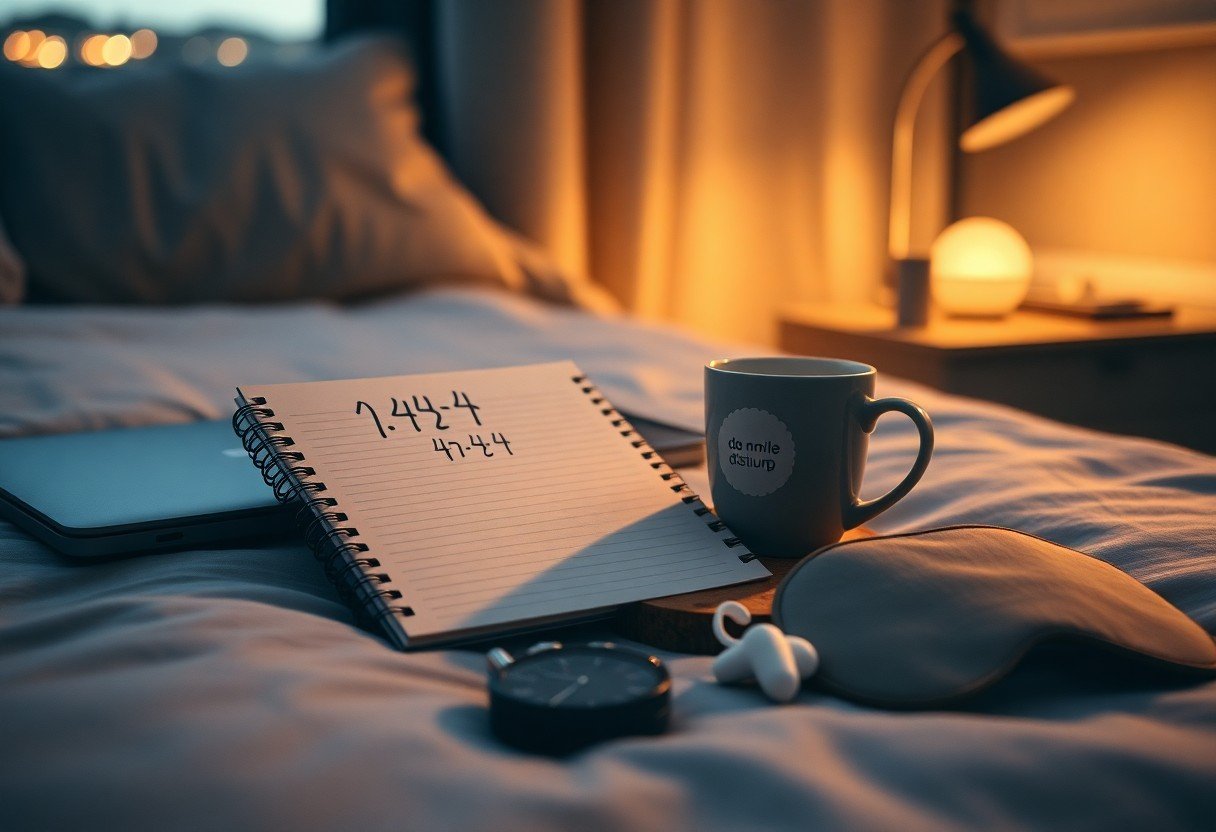
You can break the anxiety-sleep loop by using brief, targeted tactics: schedule a 20-minute “worry period” earlier in the evening, keep a one-page worry log, and follow a 30-60 minute wind-down that excludes screens. Studies show shifting rumination out of bed and into a set time reduces sleep latency; combining behavioral rules with relaxation yields the fastest gains for most people.
Cognitive Behavioral Strategies
You should try core CBT techniques: stimulus control (use the bed only for sleep and sex), sleep restriction (limit time in bed to build sleep pressure), and cognitive restructuring to challenge catastrophic thoughts. Typical CBT-I programs run 4-8 sessions and in trials about 70% of participants report meaningful improvement in insomnia metrics like sleep latency and wake after sleep onset.
Mindfulness Practices
You can use short mindfulness practices to reduce pre-sleep arousal: begin with a 2-5 minute breathing anchor (box breathing 4-4-4-4 or 4-7-8), add a 10-20 minute body-scan, and practice nightly. Eight-week MBSR-style programs have improved sleep quality in randomized studies, and even brief nightly practice lowers physiological arousal before bed.
For a practical sequence, start with 2 minutes of box breathing to drop heart rate, follow with a 10-minute progressive body scan tensing and releasing muscle groups, then note one worry on your log before lights out. You’ll often see reduced time to fall asleep within 1-2 weeks; if anxiety triggers panic or severe impairment, seek professional care promptly.
Tips for Creating a Sleep-Friendly Environment
Make your bedroom a sanctuary: aim for 60-67°F, use blackout curtains, and remove screens to cut blue light exposure. You should control noise with a white-noise machine or earplugs and choose breathable bedding to prevent night sweats. Knowing small, consistent changes reduce nocturnal awakenings and blunt the impact of stress and anxiety.
- Stress reduction: declutter and keep the bed for sleep only.
- Anxiety management: add dimmable lights and calming scents like lavender.
- Sleep hygiene: limit caffeine after 2 PM and remove all screens 60-90 minutes before bed.
- Sleep-friendly environment: target 60-67°F, humidity ~40-60%, and noise under 30 dB when possible.
Optimizing Your Sleep Space
You should position your bed away from windows and drafty doors, use blackout curtains to reduce light to under 1 lux, and set the thermostat to 60-67°F (15-19°C); these changes cut awakenings for many people. Swap polyester sheets for breathable cotton or linen, choose a mattress that supports neutral spinal alignment, and keep clutter minimal to lower nighttime rumination.
Establishing a Nighttime Routine
Set a consistent wind-down of 30-60 minutes: dim lights, perform light stretching or progressive muscle relaxation for 10-15 minutes, and avoid screens for at least 60 minutes before bed to reduce arousal and melatonin suppression. You’ll signal your body that sleep is coming and make falling asleep easier on high-stress nights.
Try a concrete routine: 10 minutes gentle stretches, 15 minutes low-stimulation reading or journaling about three positives from the day, and 10 minutes of paced breathing (4-6 breaths per minute) to lower heart rate. A warm shower or bath 60-90 minutes before bed can speed heat loss and promote sleep onset; studies show this timing improves sleep latency. Track results for two weeks and adjust timing, light levels, or activities until you consistently fall asleep within 20-30 minutes.
Breaking the Cycle: Sleep Hygiene Practices
You can rebuild sleep by tightening routines: keep your bedroom cool (60-67°F), quiet, and dark, limit caffeine after 2 p.m., and aim for 7-9 hours nightly; when stress spikes, use brief relaxation (deep breathing, progressive muscle relaxation) and consult resources like Sleepless Nights? Try Stress Relief Techniques to lower arousal and protect sleep opportunity.
Consistent Sleep Schedule
You should keep a fixed bedtime and wake time within 30-60 minutes every day, including weekends; this synchronizes your circadian rhythm, shortens sleep latency, and boosts daytime alertness. If shifting your schedule, move by 15 minutes every 2-3 days-athletes and shift workers using gradual shifts adapt faster and report better performance than with abrupt changes.
Limiting Screen Time Before Bed
You can stop using backlit devices at least 60-90 minutes before bed to avoid blue-light driven melatonin suppression that delays sleep onset and fragments sleep. When unavoidable, lower brightness, enable warm color filters, and prefer audio-only content, understanding filters reduce but do not eliminate the effect.
You can replace late-night scrolling with low-stimulation alternatives like print books, audiobooks, or a 10-minute breathing routine; try a 2-week experiment cutting screens after 9 p.m. and track sleep with a diary or wearable-many people see sleep latency drop by 15-30 minutes and report deeper sleep. If screens are necessary, wear blue-blocking glasses or use software that shifts color temperature to amber.
Conclusion
Conclusively, stress and anxiety hijack your sleep by hyperarousal and rumination, but you can break the cycle by stabilizing sleep timing, practicing pre-sleep relaxation (deep breathing, progressive muscle relaxation), limiting stimulants and screen exposure, using cognitive techniques to reframe worries, and seeking CBT-I or professional support when needed; consistent behavioral changes restore sleep architecture and reduce daytime anxiety over time.
FAQ
Q: How do stress and anxiety physically disrupt sleep?
A: Stress and anxiety activate the sympathetic nervous system and hypothalamic-pituitary-adrenal (HPA) axis, increasing heart rate, blood pressure, and cortisol. That physiological arousal makes it harder to fall asleep, reduces slow-wave and REM sleep, and fragments sleep architecture. Racing thoughts and heightened vigilance also delay sleep onset and produce frequent awakenings.
Q: What mental patterns keep the stress-sleep cycle going?
A: Worry loops, rumination, and catastrophizing at bedtime prolong cognitive arousal. Negative conditioning-associating the bed with wakefulness and anxiety-reinforces poor sleep. Anticipatory anxiety about not sleeping increases hypervigilance, which in turn makes poor sleep more likely, creating a self-perpetuating cycle.
Q: What immediate strategies can help when stress keeps me awake tonight?
A: Use a brief worry-jot: write down anxious thoughts and one next step to address each, then set the paper aside. Practice paced breathing (4-6 breaths per minute) or progressive muscle relaxation for 5-15 minutes to reduce arousal. If unable to sleep after 20 minutes, get out of bed and do a low-stimulation activity (dim light reading, gentle stretching) until drowsy to avoid strengthening bed-wake associations.
Q: What long-term habits reduce anxiety-related sleep problems?
A: Maintain a consistent sleep-wake schedule, get daytime exercise (but not within 2-3 hours of bedtime), limit caffeine after mid-afternoon, and create a wind-down routine with calming activities and low lighting. Reduce evening screen time or use blue-light filters. Practice cognitive strategies such as scheduled worry periods or cognitive restructuring, and build regular mindfulness or relaxation practice to lower baseline arousal.
Q: When should I seek professional help for anxiety-related insomnia, and what treatments work?
A: Seek help if sleep problems persist >3 months, significantly impair daytime functioning, or are accompanied by severe anxiety, depression, suicidal thoughts, or substance use. Effective treatments include cognitive behavioral therapy for insomnia (CBT-I), CBT for anxiety, guided relaxation training, and, when appropriate, short-term medication managed by a clinician. A sleep specialist or mental health professional can tailor treatment and assess for medical sleep disorders.