
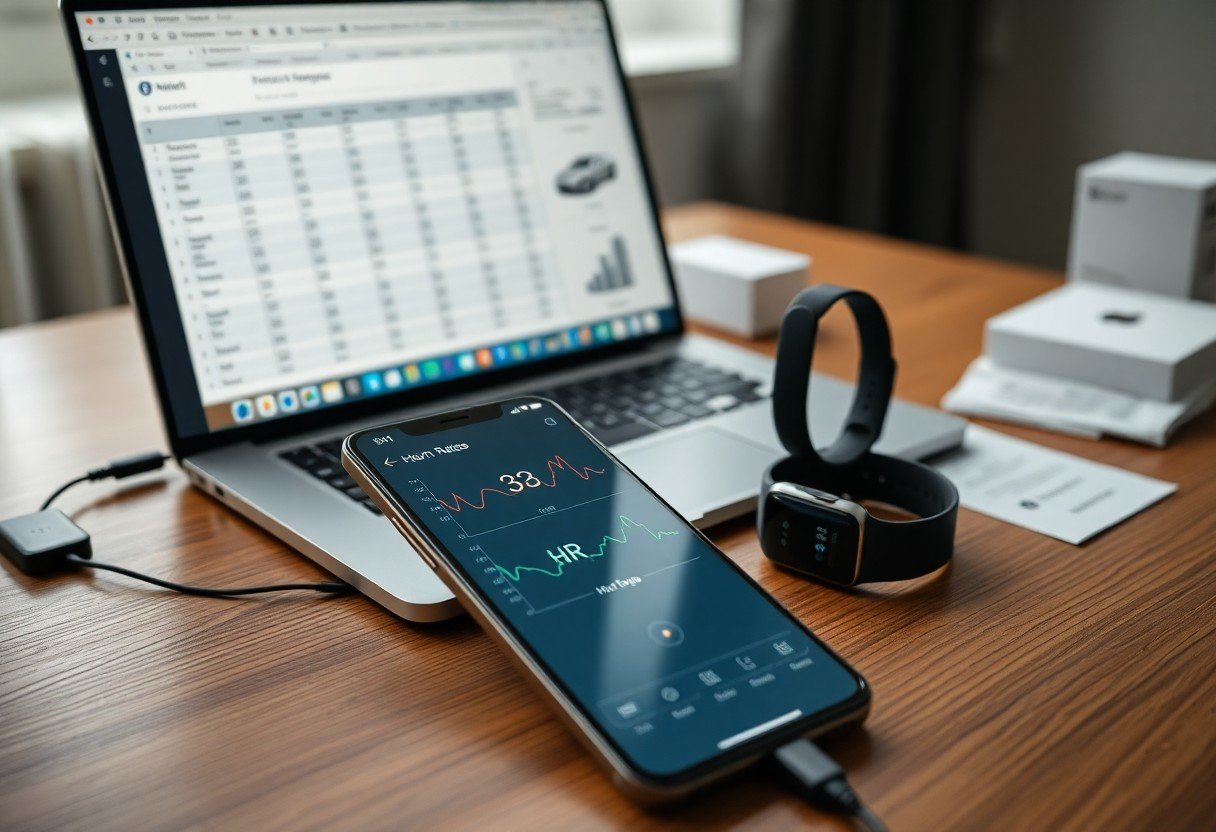
Apps and wearables can give you continuous insight into stress patterns, but you should weigh benefits against limits: they can reveal hidden chronic stress that raises heart disease and mental health risks, and real-time biofeedback and behavioral nudges often lead to measurable reductions in symptoms. Consider accuracy, cost, and data privacy risks so you decide whether the device meaningfully improves your health and habits.
Key Takeaways:
- Apps and wearables can track physiological signals (HRV, heart rate, skin conductance, sleep) that raise awareness of stress, but measurement accuracy varies by device and activity.
- They are most effective when paired with behavior-change features – guided breathing, cognitive tools, coaching, or personalized alerts – because raw data alone seldom changes habits.
- Consider device validation, ongoing costs, and data-privacy policies; choose tools that provide actionable insights you will actually use.
Understanding Stress and Its Impact
When stress becomes frequent, you see measurable shifts: your heart rate can rise by 10-30 bpm, cortisol often peaks within 20-30 minutes, and HRV drops quickly, signaling reduced parasympathetic activity. Over weeks and months those patterns translate into sleep loss, impaired concentration, and metabolic shifts; for example, chronic stress is linked to higher blood pressure and weight gain. Wearables that capture heart rate, HRV, skin conductance, and sleep can flag these trends so you can act before patterns become persistent.
The Physiology of Stress
Acute stress engages the sympathetic nervous system, releasing adrenaline immediately and activating the HPA axis to release cortisol about 20-30 minutes later, which sustains alertness and glucose mobilization. You’ll notice increased heart rate and blood pressure, a drop in HRV, and sometimes faster breathing; wearables with PPG, accelerometers, and skin conductance sensors can detect these signals, with HRV and elevated resting heart rate among the most validated markers for tracking your stress response.
Long-term Effects of Stress on Health
Persistent stress elevates inflammation and metabolic strain, which increases your chance of developing hypertension, type 2 diabetes, and mood disorders; studies associate chronic stress with up to a 40-50% higher risk of cardiovascular events in high-risk groups. You may also see weakened immune responses and poorer recovery from illness, so sustained physiological deviations on a device are not mere noise but potential early warning signs.
Mechanistically, repeated cortisol exposure and sympathetic overdrive promote endothelial dysfunction, higher LDL and triglycerides, and pro-inflammatory cytokines (IL-6, CRP), all of which accelerate atherosclerosis. In occupational cohorts and caregiver studies, incidence of hypertension and coronary events often rises by 20-40% versus low-stress peers. For you, actionable thresholds might include a persistent resting heart rate elevation >10 bpm above baseline for several days or a sustained HRV decline >15-20%-signals that warrant behavioral or clinical interventions to reduce long-term risk.
The Role of Technology in Stress Management
Technology converts subtle physiological signals into usable data so you can spot stress patterns and intervene earlier; devices track HR, HRV, EDA, skin temp and sleep to map triggers and recovery. Algorithms create personalized baselines, but you must interpret trends within context: short-term spikes can be normal while persistent deviations signal concern. Effective use combines objective readings with your subjective reports and, when needed, professional advice-technology is powerful for awareness and early action, but not a substitute for clinical diagnosis.
Overview of Stress-Tracking Apps
Many apps blend sensor data with self-report: Calm and Headspace focus on guided practices and mood logging, while apps like HRV4Training and Welltory analyze PPG/HRV data to score daily stress and readiness. They offer trend charts, reminders, and guided breathing; adoption studies show behavior change improves when you get timely, personalized feedback. Yet accuracy varies by sensor quality and algorithm, so you should treat scores as directional guidance rather than definitive medical readings-use apps to inform habits, not replace evaluation.
Wearable Devices for Monitoring Stress Levels
Wearables differ by sensor: wrist devices (Apple Watch, Garmin, Fitbit) use PPG for HR and HRV estimates; rings (Oura) focus on nocturnal HRV and sleep; research devices (Empatica E4) add EDA for sympathetic activation. You gain continuous context-activity, sleep, recovery-but must weigh tradeoffs like battery life, sampling rate and motion artifact. In practice, wearables boost awareness and early detection while producing false positives if you over-interpret single readings.
Digging deeper, PPG sensors are convenient but sensitive to motion and skin contact, so ECG-based chest straps (e.g., Polar H10) remain the reference for precise HRV in high-accuracy needs. Oura’s ring emphasizes sleep HRV and yields a daily readiness metric useful for recovery planning, while Empatica’s E4 provides continuous EDA used in clinical research to detect sympathetic surges. Algorithms often smooth noisy data and present a single “stress score,” so you should compare sensor types, sampling frequency and validation studies before relying on one device-combine objective signals with your journaled symptoms for the best decisions.
Key Features of Stress-Tracking Apps
Most stress-tracking apps combine continuous sensor data, algorithmic scoring and behavior tools so you can spot patterns quickly. They typically fuse HRV, heart rate and sleep tracking with activity and context to produce trend charts and daily scores; some add EDA or temperature. You should check sampling rates, validation studies and battery trade-offs – many wearables last 24 hours to 14 days depending on sensors. Compare hardware options in The 10 Best Fitness Trackers on the Market in 2025. Thou prioritize sensor accuracy over flashy UIs when you monitor stress.
- Physiological sensors – PPG/optical sensors for heart rate (bpm) and HRV (ms), plus optional EDA or skin temp for sympathetic activity.
- Sampling rate & accuracy – aim for devices sampling ≥25 Hz for reliable beat detection; lab validation or published algorithms matter.
- Algorithm transparency – clear scoring ranges (e.g., 0-100), published validation, and explainable models to interpret scores.
- Contextual inputs – activity, sleep, calendar and self-reported mood reduce noise and lower false positives, which can increase anxiety if unchecked.
- Real-time alerts & interventions – on-device haptics, push prompts and guided breathing exercises (typically 1-5 minutes) for immediate regulation.
- Data visualization & trends – daily, weekly and 30-day charts, percent change and z-scores to flag meaningful shifts rather than single outliers.
- Privacy & interoperability – local storage, end-to-end encryption, permissions control and exports to CSV/Apple Health/Google Fit.
- Battery life & ergonomics – rings and patches may offer multi-day wear; wrist devices trade continuous sensing for convenience.
Data Collection and Analysis
Sensor fusion is central: you’ll see HRV reported in milliseconds, heart rate in bpm and sleep stages derived from movement plus PPG signals. Apps apply filtering, artifact rejection and ML models to convert raw beats into a stress score; good platforms cite validation versus ECG or polysomnography (sleep agreement often ~70% for stages). Also expect trend analytics over 7-30 days to separate temporary spikes from sustained changes in your baseline.
User Engagement and Feedback Mechanisms
Notifications, on-demand biofeedback and daily summaries keep you engaged: many products send timed nudges, deliver 1-5 minute breathing sessions and offer goal setting or streaks to build habit. You should prefer apps that let you customize alert thresholds and quiet hours to avoid notification fatigue and anxiety from over-alerting.
Deeper personalization increases adherence: adaptive thresholds that learn your baseline reduce false alarms, while contextual coaching (e.g., suggesting a 3-minute paced-breath when HRV drops) improves relevance. Examples include on-watch breath prompts and readiness scores that combine sleep, activity and HRV; integration with calendar or location data can tie spikes to meetings or commutes so you get actionable, not just descriptive, feedback.
Effectiveness of Wearables in Stress Reduction
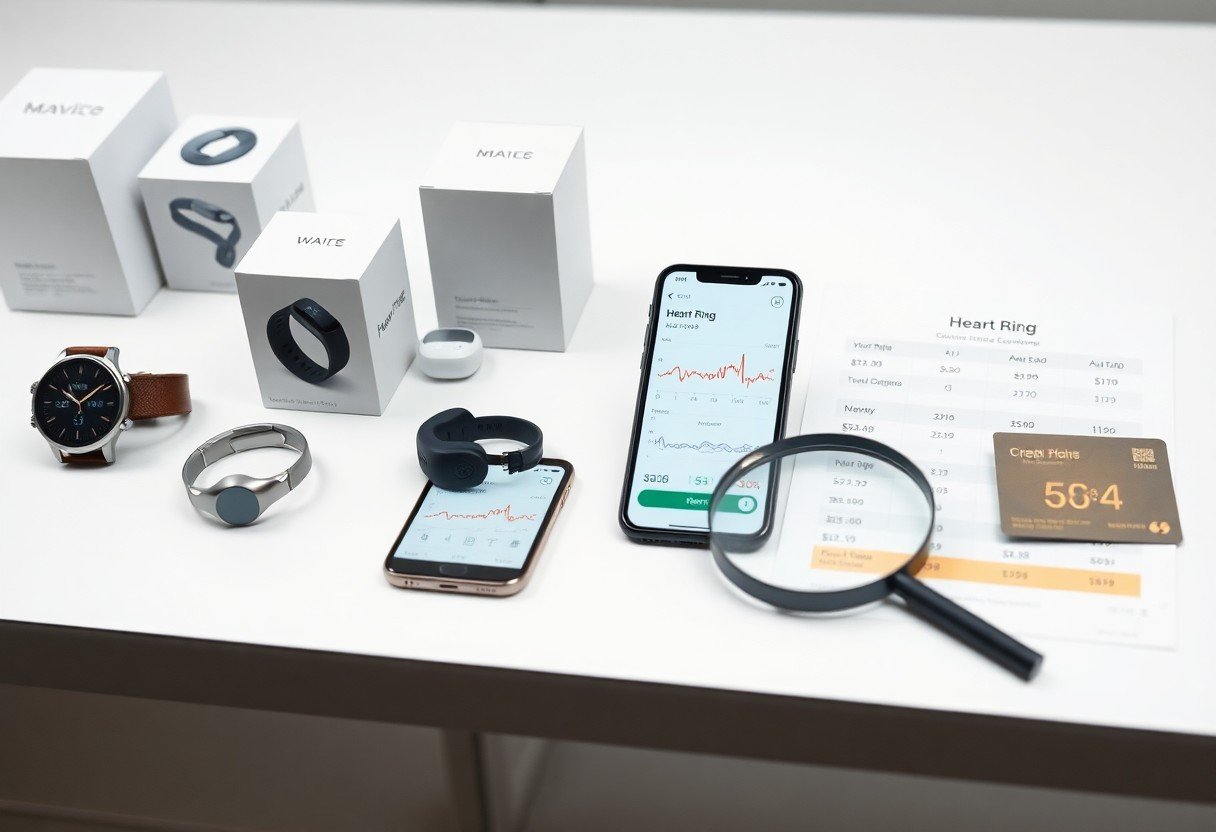
Across users, wearables often improve awareness and enable timely interventions: when you get real-time alerts tied to HRV drops or elevated heart rate, you can deploy breathing or walk breaks that studies link to a 10-20% reduction in perceived stress over weeks; integration with coaching or CBT apps raises that further, and the most potent gains come when you pair sensor feedback with guided actions you can do immediately.
Case Studies and Research Findings
Several trials show measurable benefits but variable effect sizes; you’ll find workplace pilots reporting faster recovery, clinical trials showing modest symptom declines, and large-device datasets revealing predictive patterns-together they demonstrate that wearables help you spot stress sooner and act, though outcomes depend on engagement, algorithm quality, and intervention type.
- 2018 RCT, n=60: HRV biofeedback program reduced perceived stress scores by 18% after 6 weeks (p<0.05).
- 2020 corporate pilot, n=200: wearable alerts + microbreaks cut self-reported burnout indicators by 14% and sick days by 12% over 3 months.
- 2019 observational, n=1,000: nightly sleep HRV predicted next-day stress with 77% accuracy (AUC=0.78).
- 2021 wearable trial, n=80: continuous GSR and HR monitoring plus coaching reduced high-stress episodes by 22% in 8 weeks.
- Meta-analysis, 12 studies: average effect on stress-related outcomes = 0.35 standardized mean difference, favoring tech-assisted interventions.
Comparison with Traditional Stress Management Techniques
When you compare head-to-head, wearables excel at continuous detection and timely prompts, while traditional methods like therapy and structured relaxation deliver deeper skill-building; you’ll get faster pattern recognition from devices but often greater long-term change from hands-on training, so the best approach blends both.
Wearables vs Traditional Techniques
| Wearables | Traditional Techniques |
| Continuous, objective data (HR, HRV, GSR) | Structured skill acquisition (CBT, mindfulness training) |
| Immediate alerts and micro-interventions | Therapist-guided, deeper behavioral change |
| Scalable and lower per-user cost | Higher cost, but personalized care and context |
Digging deeper, you’ll notice wearables provide high-frequency signals that reveal context-dependent spikes, yet you still rely on traditional methods to translate those signals into durable coping strategies; combining device-driven feedback with periodic coaching tends to produce the largest, most sustained reductions in stress and functional impairment.
Practical Trade-offs
| Strengths of Wearables | Strengths of Traditional Methods |
| Objective tracking, early detection, convenience | Clinical oversight, individualized treatment, deeper skill change |
| Best for real-time interruption and habit nudges | Best for complex, chronic stress and comorbid conditions |
Considerations for Choosing the Right Tools
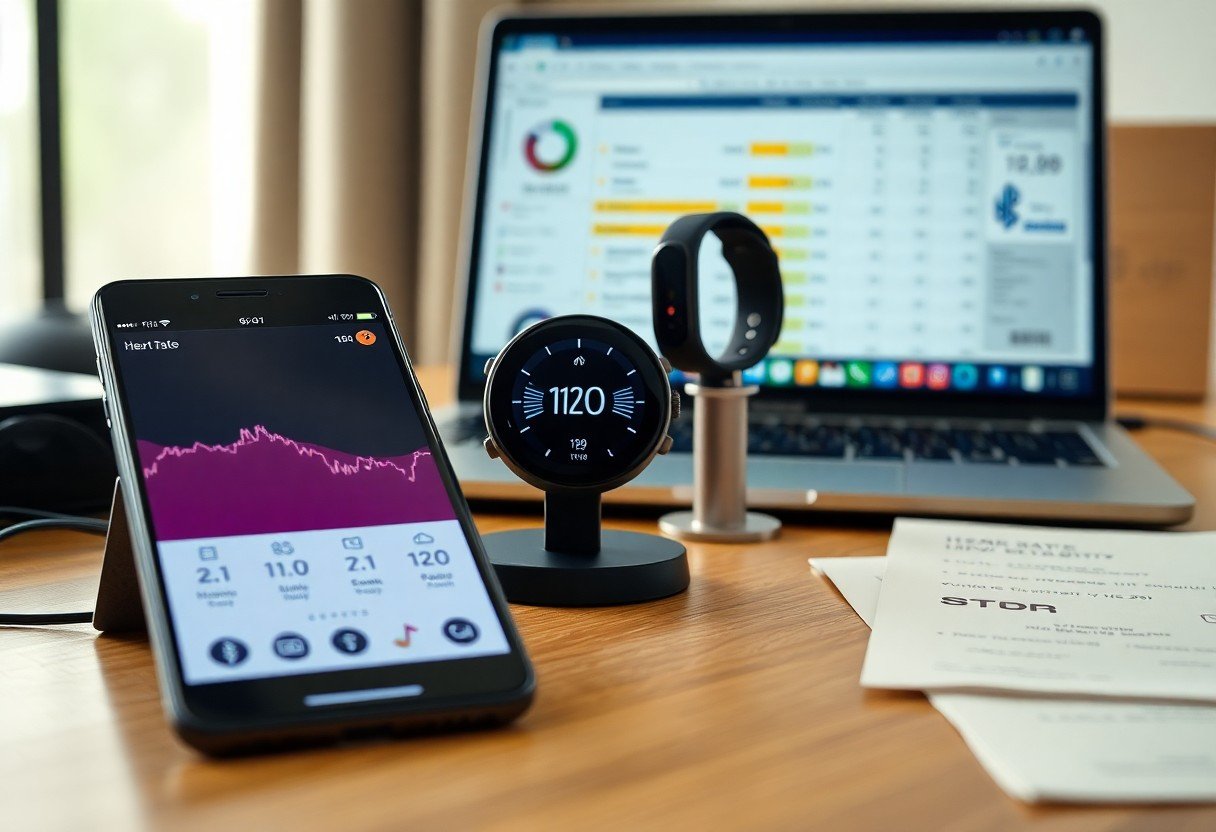
When choosing a stress-tracking tool, match sensors to the signals you care about: HRV for chronic stress, EDA for acute arousal, and sleep metrics for recovery, so you get usable insights. You should weigh battery life – Apple Watch ~18 hours versus many Fitbit/Oura devices at 3-7 days – along with data export, integration with Apple Health/Google Fit, and company privacy policies that affect long-term usefulness.
Personal Needs and Preferences
If you need discreet, all-day monitoring choose a ring or patch; an Oura ring or wristband fits better for 24/7 HRV, while a Polar H10 chest strap gives clinical-grade HR accuracy during workouts. You’ll also want to consider notification styles to avoid alarm fatigue, whether you prefer guided breathing features, and practical issues like skin sensitivity, fit, and how the device performs during commuting or exercise.
Budget and Long-term Value
You should weigh upfront cost versus subscription and replacement cycles: entry trackers can be under $50, premium rings/watches range $300-$400, and subscriptions typically add $3-$15/month. Free apps may limit export or coaching features, so factor in total cost over 1-3 years; ongoing subscriptions and replacement cycles often double the apparent initial investment.
You can compare scenarios: a $300 device plus $5/month for two years totals about $420, while a $10/month app without hardware is $240 over the same period. Include battery degradation, warranty length, potential resale value, and trial/refund policies in your calculation. Also verify data-use terms-if a provider monetizes your health data, that creates a non-monetary cost you should account for.
User Experiences and Testimonials
Success Stories
Across reviews and small cohort reports you’ll find concrete wins: users combining Oura or WHOOP with daily mindfulness apps often track improved recovery and lower reactivity, with many noting a 10-20 point rise in readiness or recovery scores after 6-8 weeks. Case examples show you can use HRV trends and guided breathing to turn vague stress into specific, actionable changes in sleep and routines.
Challenges and Limitations
Sensors and algorithms still trip you up: wrist-based HRV/HR readings can vary by device and activity, producing false positives or inconsistent trends that make it hard to trust single-day signals. Many users report needing at least 2-4 weeks of baseline data before patterns become useful, otherwise you’re reacting to noise.
Digging deeper, you’ll face trade-offs: device costs typically range from $100-$400, with subscriptions adding $5-$30/month, and data privacy varies by vendor. Interpretation demands time and some health literacy – clinicians often recommend correlating wearables with symptom diaries or clinician input to avoid overreaction to transient HRV dips or overnight artifacts.
To wrap up
Ultimately, you can rely on apps and wearables to give actionable data that helps you spot stress triggers, practice timely interventions, and monitor progress, but you should evaluate accuracy, data privacy, battery and cost trade-offs, and how well the tool fits your routine and clinical guidance before investing.
FAQ
Q: How do apps and wearables actually measure stress?
A: Most devices infer stress from physiological signals and behavioral patterns. Common inputs include heart rate and heart rate variability (HRV), skin conductance (electrodermal activity), respiratory rate, sleep quality, and movement patterns. Algorithms combine these signals with contextual data (time of day, activity level, calendar events) to estimate arousal or sympathetic nervous system activation. Accuracy depends on sensor quality, placement (wrist vs chest), sampling rate, and the algorithm’s training data. Many systems also use self-reported mood or periodic surveys to calibrate and personalize results.
Q: Are these measurements scientifically validated and reliable for personal use?
A: Validation varies by product. Some wearables and apps have peer-reviewed studies showing correlations between HRV or electrodermal readings and stress markers; others rely on proprietary benchmarks with limited external review. Reliability is affected by motion artifacts, skin contact, environmental factors, and individual differences in physiology. For monitoring trends and prompting self-awareness, they can be useful. For clinical diagnosis or precise stress quantification, current consumer-grade devices have limitations and should not replace professional assessment.
Q: Can using a stress-tracking app or wearable actually reduce stress or improve wellbeing?
A: They can help when paired with actionable interventions. Tracking alone raises awareness but often doesn’t change outcomes. Features that increase effectiveness include guided breathing or relaxation exercises, real-time biofeedback, habit reminders, structured programs (CBT-based modules), and integration with coaching or therapy. Benefits are greatest when users engage consistently, act on insights, and use the data to modify routines (sleep, exercise, workload). For persistent or severe stress, professional treatment remains important.
Q: What privacy and security issues should I be aware of before using these products?
A: Stress data is sensitive and may reveal health and behavior patterns. Check whether data is stored locally or in the cloud, whether it is encrypted at rest and in transit, and who has access (manufacturer, third parties, advertisers). Review the privacy policy for data-sharing practices, retention periods, and whether data is used for research or sold. Look for options to export or delete your data, and prefer vendors with transparent policies, HIPAA compliance (when applicable), or on-device processing to minimize exposure.
Q: Are apps and wearables worth the financial investment compared with low-cost alternatives?
A: Value depends on goals and use case. If you want continuous passive monitoring, objective trend data, and integrated interventions, a mid-range wearable plus a subscription can offer strong value. If your goal is basic stress reduction, free or low-cost guided-breathing apps, mindfulness practices, and behavioral routines provide many benefits without hardware. Consider device accuracy, ecosystem (app quality, integrations), ongoing subscription costs, battery life, and whether you will use the features consistently. For many people, a short trial period or a lower-cost device is sufficient to decide if the expense yields meaningful behavior change.