
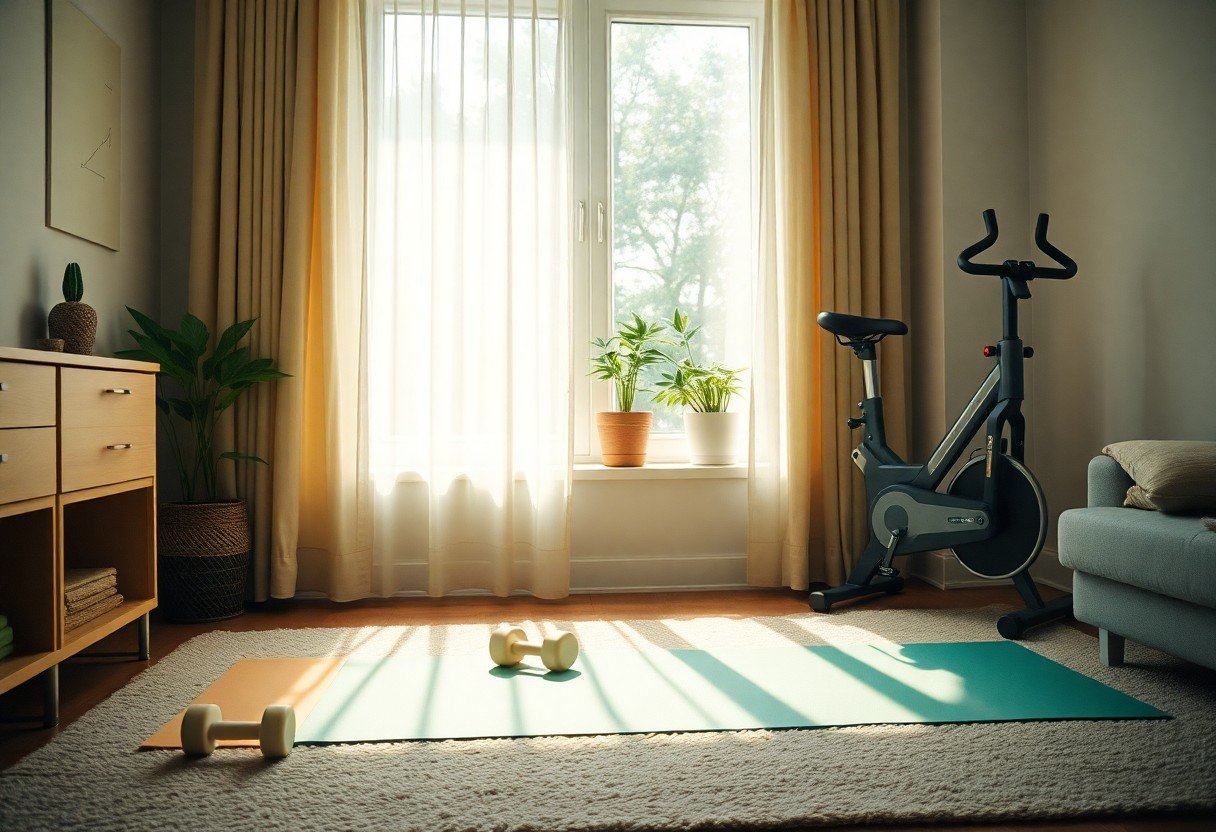
There’s a unique challenge in finding ways to stay active while living in a small apartment, especially when you want to ensure that you don’t disrupt your neighbors. Your space can limit traditional workouts, but you can still achieve an effective routine with minimal impact exercises. This blog post will guide you through a series of quiet workouts that focus on strength, flexibility, and core stability, all while keeping noise to a minimum and ensuring you maintain a respectful atmosphere at home.
Key Takeaways:
- Opt for low-impact exercises like yoga or bodyweight workouts to minimize noise.
- Utilize resistance bands and light weights for effective strength training without heavy equipment.
- Create designated workout times to maintain a routine while being considerate of neighbors’ quiet hours.
Understanding Noise Sensitivity in Apartments
The Impact of Noise on Neighbors
Noise in apartment living can significantly affect your neighbors’ quality of life. For many, sounds from footsteps, clanging equipment, or high-impact exercises can lead to disruptions, causing stress and frustration. In tight-knit living situations, even minor disturbances can feel magnified, resulting in sleepless nights and strained relationships.
Common Complaints and Concerns
Neighbors often voice complaints about loud music, heavy footfalls, or workout routines that cause vibrations. These issues can escalate quickly and lead to tension among residents. In fact, studies show that excessive noise can contribute to a higher rate of tenant turnover in apartment complexes, as people seek quieter living environments.
Typical complaints might include loud thumping sounds during evening hours or constant movements that resonate through shared walls. Concerns can also involve the perception of a lack of respect for shared spaces and privacy, which can lead to formal grievances or even eviction actions if not addressed. Being aware of these issues helps create a more harmonious living atmosphere.
Importance of Being Considerate
Being considerate about noise levels is important in maintaining good relationships with your neighbors. A simple effort to minimize sound can foster a more pleasant communal living experience, promoting peace and comfort for all residents.
Showing consideration involves understanding that different people have varying tolerance levels for noise. What might seem like a minor disturbance to you could be significant to someone else, potentially affecting their daily activities. Engaging in quiet workouts and adhering to reasonable hours for noise can go a long way in ensuring that you coexist harmoniously with your neighbors. It is a small effort that yields substantial benefits in community living.
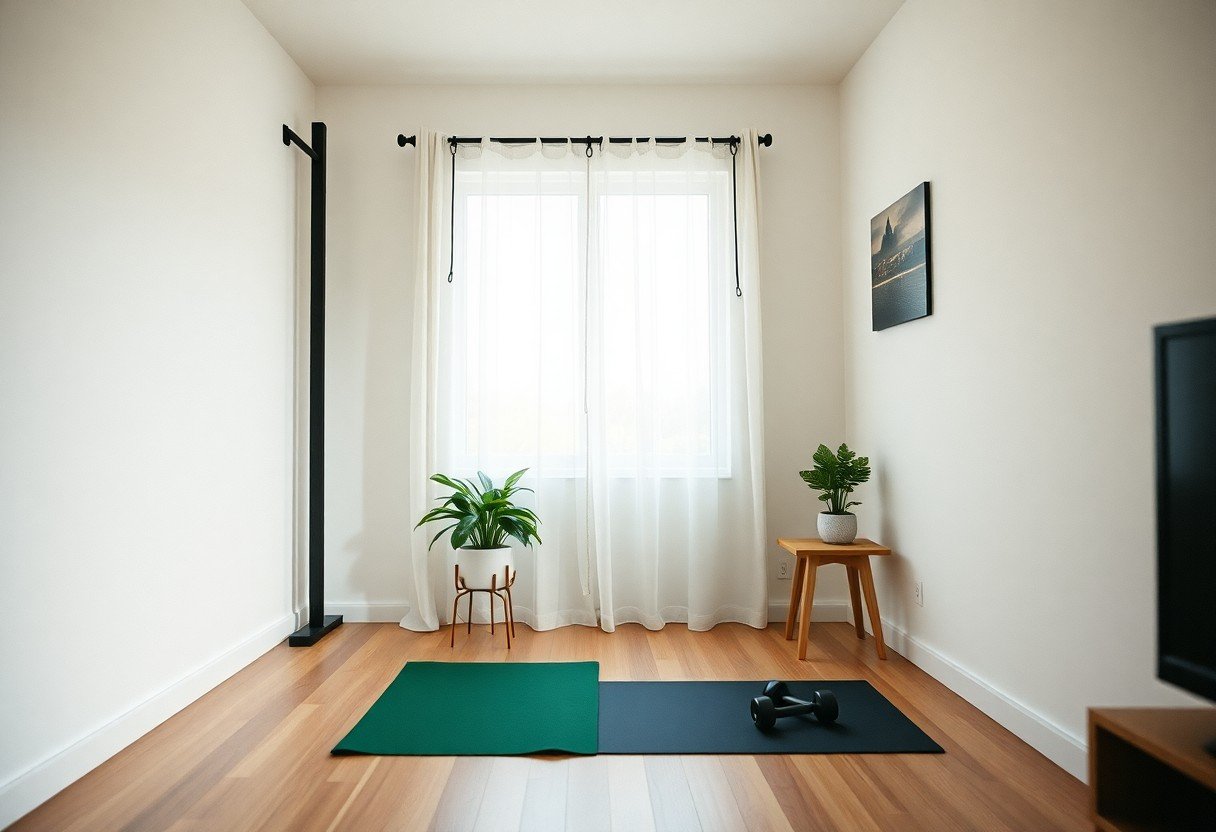
Benefits of Home Workouts
Convenience and Accessibility
Home workouts allow you to exercise whenever it fits your schedule, eliminating commute time to a gym. You can roll out your mat or grab your gear whenever you have a free moment, making it easier to stay consistent. Whether you prefer early mornings, lunch breaks, or late nights, your living space becomes your fitness hub, providing instant access to your workout routine.
Cost-Effectiveness
By choosing home workouts, you save on gym memberships, travel expenses, and often costly fitness classes. All you need are a few basic tools, like resistance bands or dumbbells, which can be purchased without breaking the bank. Over time, this leads to significant savings, allowing you to invest in other aspects of your wellness journey.
Consider that the average gym membership can range from $30 to $100 per month, which adds up to $360 to $1,200 yearly. In contrast, a modest investment in some home workout equipment might only set you back $100-$200, offering long-term savings and flexibility without sacrificing your fitness goals.
Fitness Tailored to Personal Needs
Working out at home gives you the freedom to choose exercises that align with your personal goals and preferences. You can experiment with various routines, focus on specific areas, and adjust your workouts based on how you feel each day. This customization promotes a more enjoyable fitness experience tailored to your needs.
This personalized approach can lead to better results, as studies show that you’re more likely to stick with exercises you enjoy. If you want to increase flexibility, better your strength, or improve endurance, home workouts empower you to curate a plan that fits your lifestyle, all without the pressures of a gym environment.
Creating a Quiet Workout Space
Selecting the Right Area
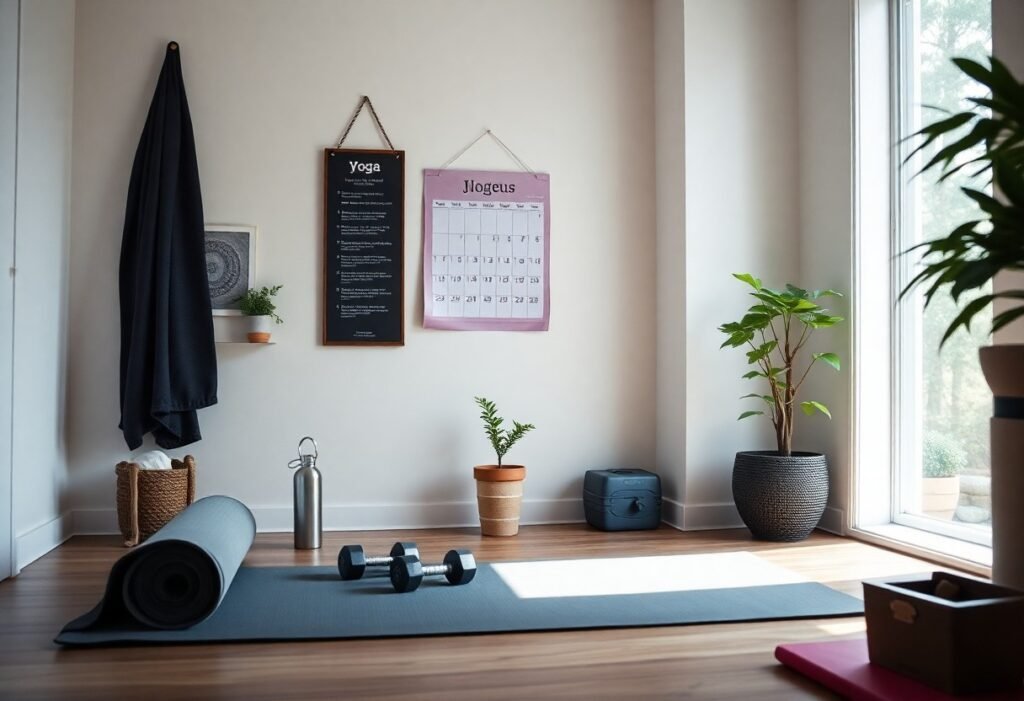
Identify a section of your apartment that minimizes noise transfer, ideally away from shared walls or your neighbors’ units. Look for a space that receives natural light but is also insulated from external sounds, such as a corner room or an area with heavy furniture. Consider the layout; you’ll want enough space for movement while ensuring it remains a retreat for your exercises.
Soundproofing Techniques
Implementing soundproofing techniques can significantly enhance your workout experience. You might want to seal gaps around doors and windows with weather stripping or utilize acoustic panels on walls to absorb sound. These methods can create a more soundproof environment, allowing you to engage in your routine without fear of disturbing your neighbors.
Additionally, consider hanging heavy curtains or drapes to dampen noise. These absorb sound waves and can provide an extra layer of peacefulness. Using a white noise machine or fan can also help mask any sounds made during your workouts. Incorporating these soundproofing techniques will create a tranquil space ideal for exercising without compromising your neighbors’ peace.
Utilizing Area Rugs and Carpets
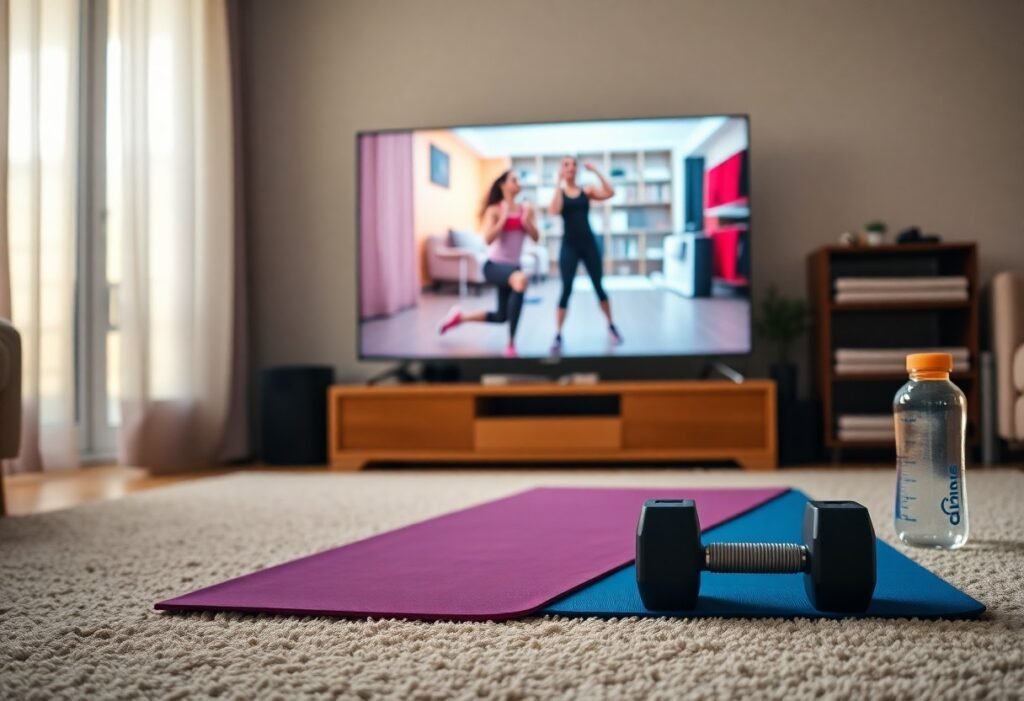
Using area rugs and carpets can significantly reduce noise disturbances during workouts. These soft materials absorb sound, dampening the thuds and impacts from exercises like jumping or weightlifting. They also provide a comfortable surface for floor exercises, further enhancing the quality of your workout space.
Opt for thick, plush rugs to maximize sound absorption and comfort. Even if you have hardwood or tile floors, adding rugs creates a barrier that lessens noise transmission. If possible, layer multiple rugs or combine different textures to boost effectiveness. This approach not only minimizes noise but adds decor to your workout area, making it an inviting space for exercise.
Silent Exercise Equipment
Choosing Low-Impact Gear
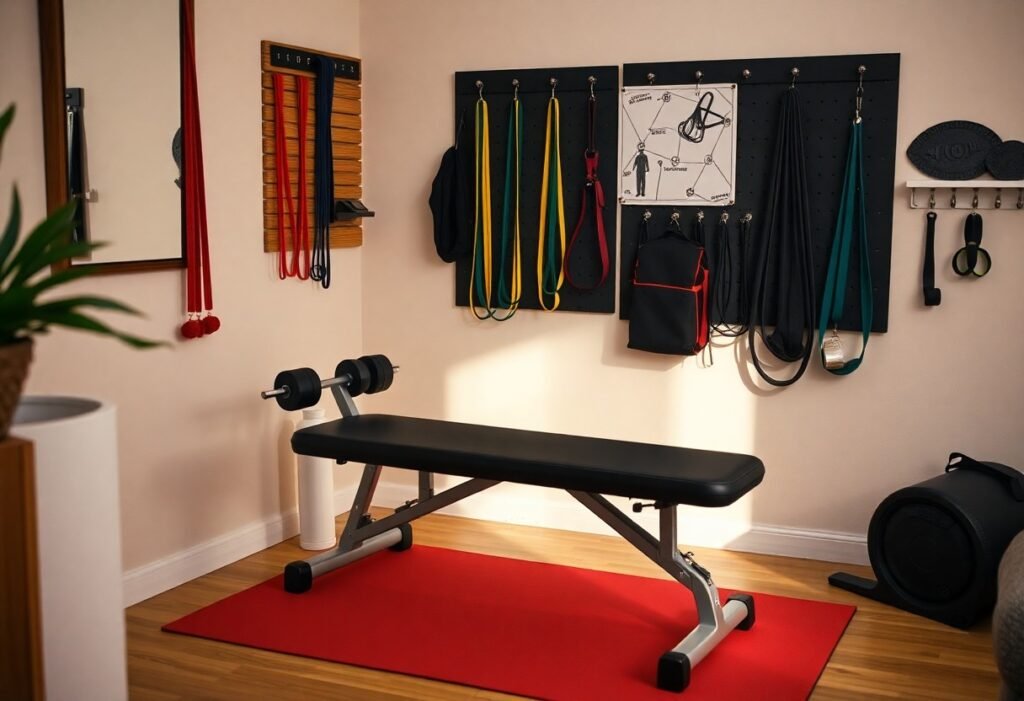
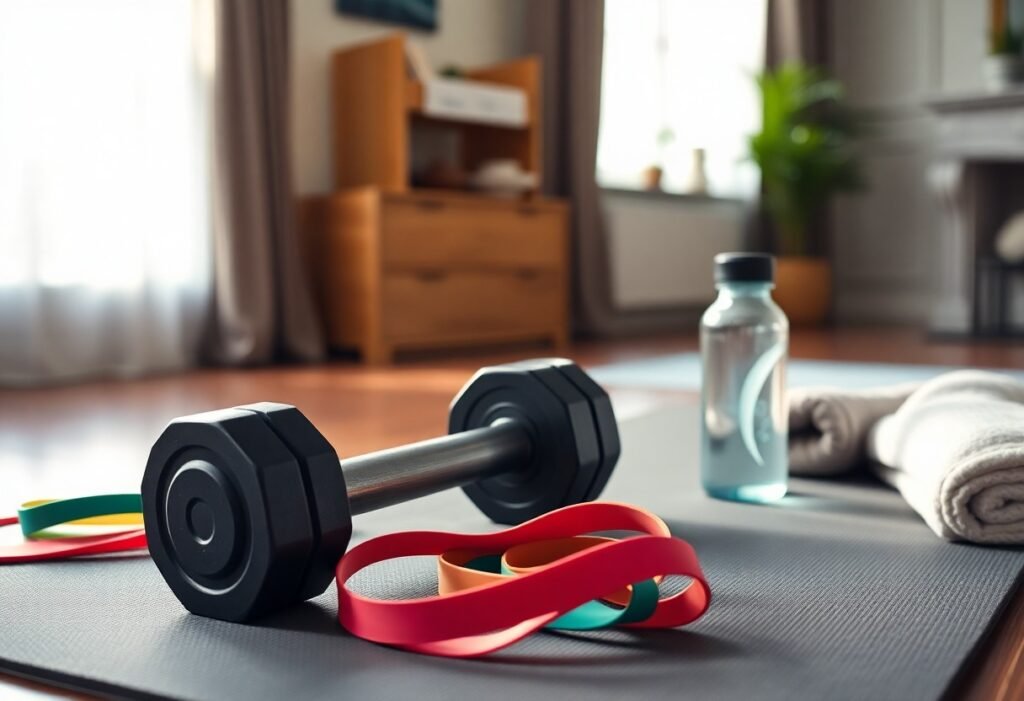
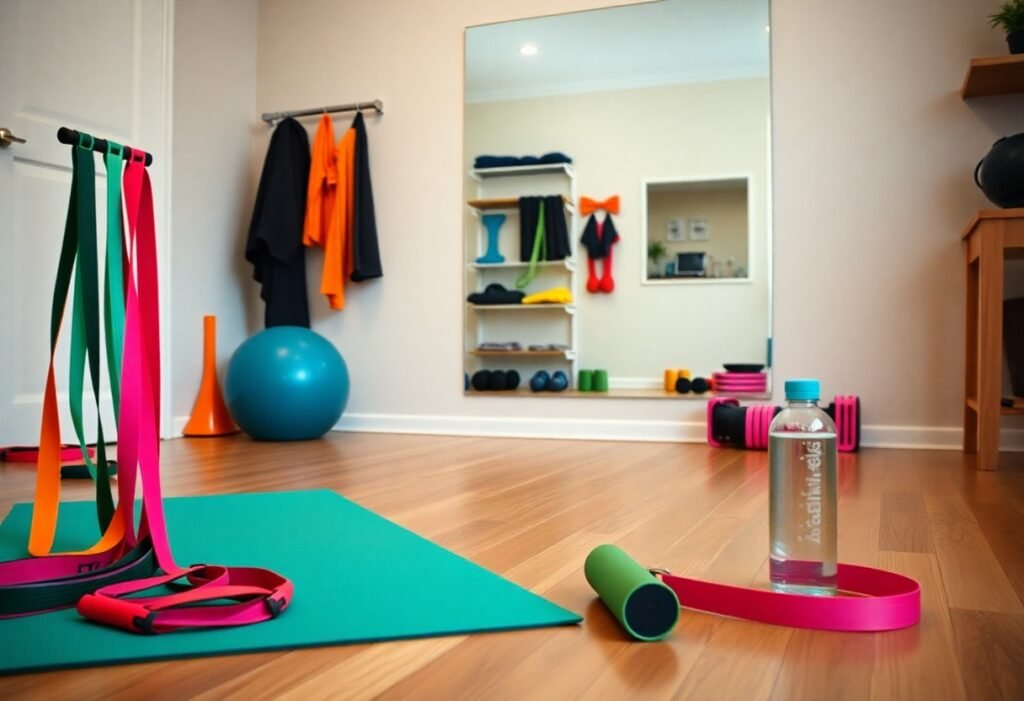
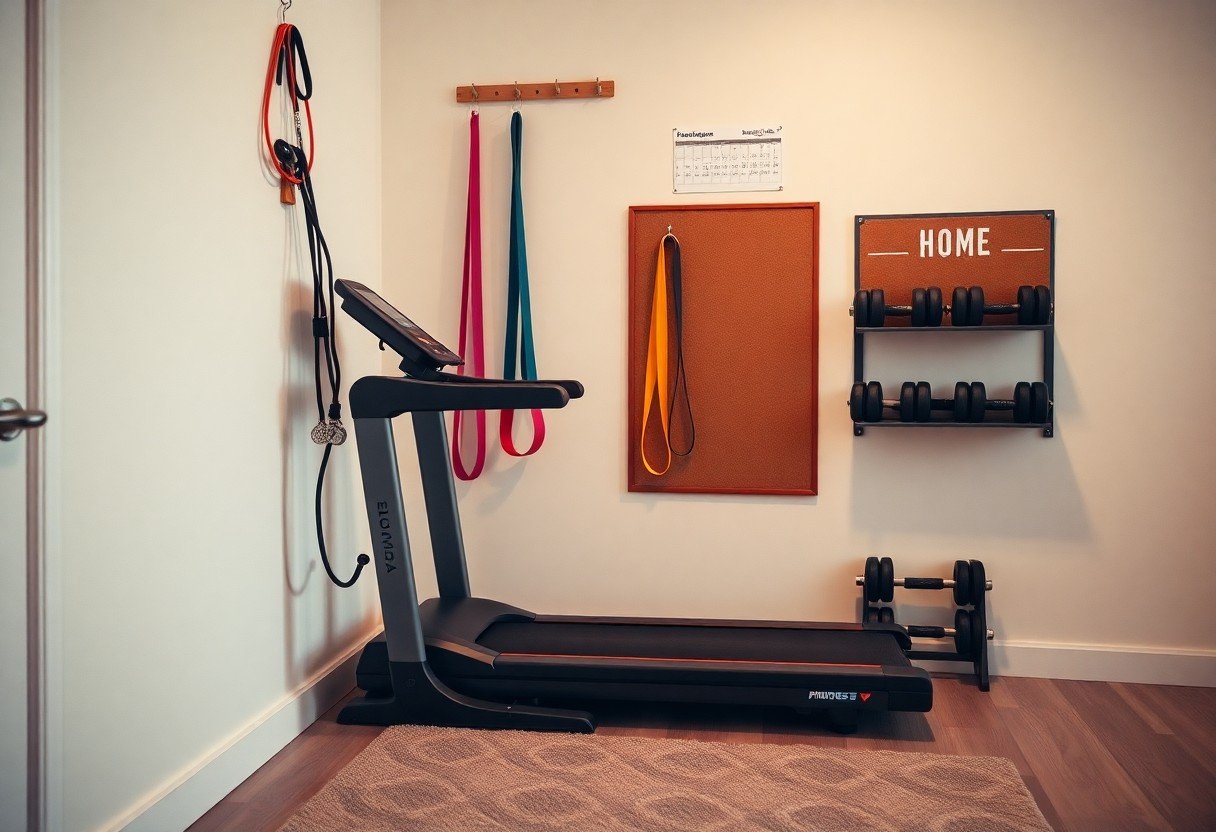
When choosing exercise equipment for your small apartment, opt for low-impact gear that minimizes noise and vibration. Items like resistance bands, yoga mats, and stability balls are ideal for maintaining your workout routine without disturbing neighbors. These alternatives allow for a full-body workout while being gentle on your joints. Be sure to explore 7 Quiet Workout Tips So You Can Exercise at Home … to maximize your efficiency.
Alternatives to Traditional Weights
Instead of classic dumbbells or kettlebells, consider using bodyweight exercises or weighted vests as effective alternatives. These options provide resistance without the clanking noise associated with traditional weights, making them perfect for small spaces.
Bodyweight exercises, such as push-ups, squats, and lunges, rely solely on your own weight, eliminating the need for bulky equipment. A weighted vest can enhance these moves, providing extra resistance while keeping your workout silent. Additionally, using adjustable resistance bands can give you access to a range of weights without any noise, allowing you to target various muscle groups seamlessly.
Innovative Equipment That Reduces Noise
Look for innovative exercise equipment designed specifically to reduce noise. Products like foam dumbbells and padded jump ropes enhance your workout experience by significantly minimizing sound. These tools help maintain the intensity of your workout while respecting your living environment.
Foam dumbbells are especially beneficial as they provide a secure grip and absorb shock during your exercises. Similarly, padded jump ropes prevent the hard thuds typically heard when hitting the ground, making them perfect for cardio sessions. Incorporating such equipment allows you to train effectively without the worry of disturbing others around you.
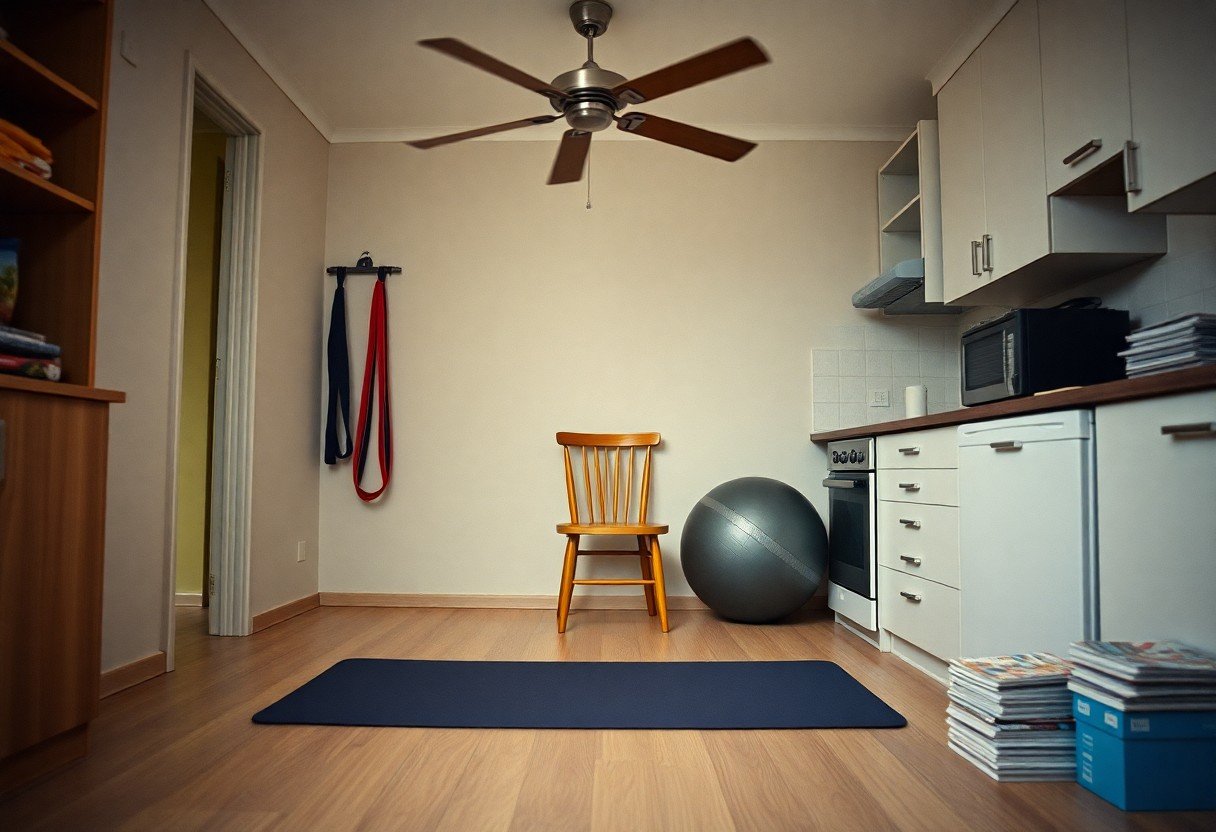
Quiet Workout Routines
Stretching and Flexibility Exercises
Incorporating stretching and flexibility exercises into your routine is crucial for maintaining mobility and reducing tension. Focus on gentle movements such as hamstring stretches, shoulder rolls, and cat-cow stretches. These exercises can be performed on a yoga mat and require minimal space, making them ideal for small apartments. Aim to hold each stretch for at least 20-30 seconds to reap the full benefits.
Low-Impact Cardio Workouts
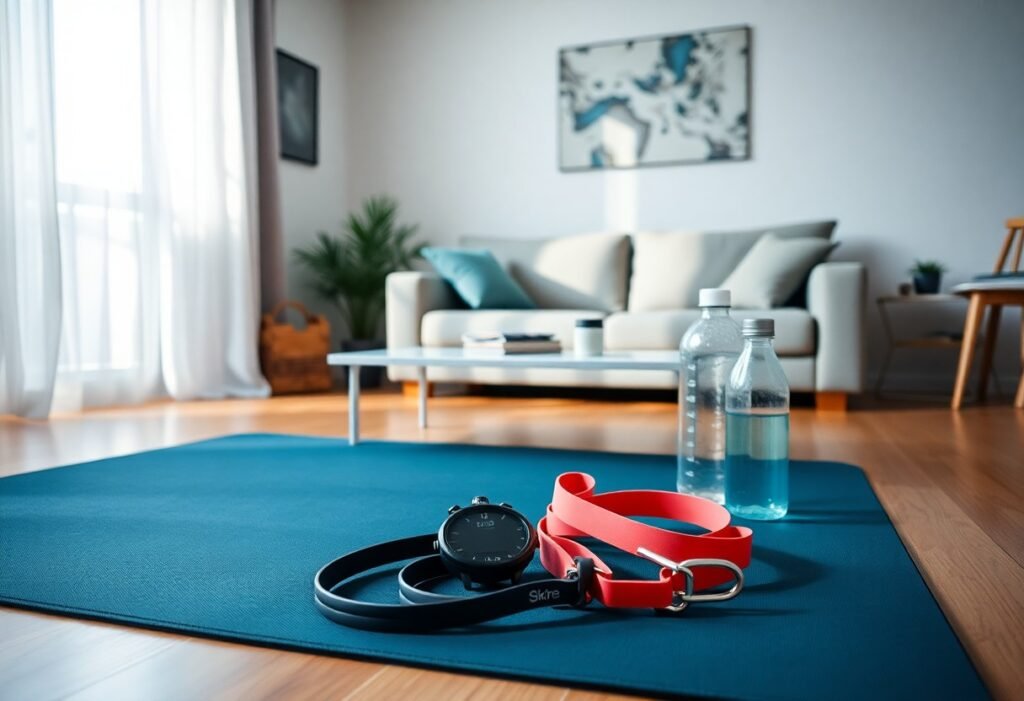
Low-impact cardio workouts elevate your heart rate without causing excessive noise. Options like marching in place, side steps, and glute bridges allow you to enjoy safe, effective exercise while being considerate of neighbors. You can also utilize tools like resistance bands to enhance your routine.
For a more structured low-impact cardio session, consider alternating between these exercises for 20-30 minutes. This not only keeps your heart rate up but also helps in burning calories without any jumping or high-impact movements that might disturb those around you.
Bodyweight Strength Training
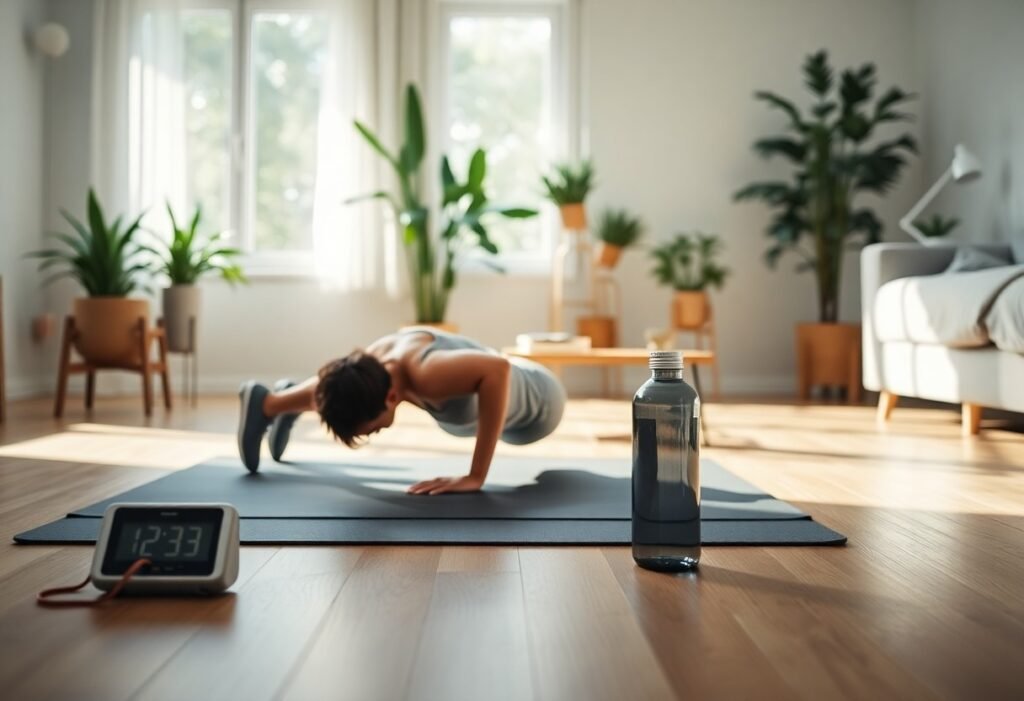
Bodyweight strength training is a powerful way to build muscle without the need for excessive equipment. Exercises such as squats, push-ups, and planks engage multiple muscle groups effectively. You may perform these moves slowly and mindfully, focusing on form to prevent noise and impact.
Implement a circuit of bodyweight exercises lasting 20-30 minutes to enhance strength and endurance. You can adjust the intensity by altering the tempo or increasing the duration of each exercise, ensuring an effective workout that respects your living environment.
Yoga and Mindfulness Practices
Yoga and mindfulness practices not only enhance flexibility but also promote mental clarity. You can perform a variety of asanas, such as downward-facing dog, child’s pose, and warrior poses, focusing on deep, calm breathing. These moves are quiet and promote relaxation in both the body and mind.
Incorporating a short, intentional yoga session into your day can significantly reduce stress. Aim for 15-20 minutes, integrating poses with mindfulness techniques like meditation or breathwork, providing a holistic approach to wellness that remains wholly respectful of your neighbors.
Tips for Staying Motivated
- Set clear and achievable goals.
- Create a consistent schedule.
- Track your progress visibly.
- Incorporate variety to maintain interest.
- Engage in gentle social support or community activities.
Setting Realistic Goals
When setting goals, focus on what is achievable within the context of your apartment lifestyle. Define short-term objectives, like completing a certain number of workouts each week or mastering a specific yoga pose. This keeps you engaged and gives a sense of accomplishment.
Creating a Consistent Schedule
Establishing a consistent workout schedule helps integrate exercise seamlessly into your daily routine. Choose specific days and times that suit your lifestyle, treating these sessions as important appointments that enhance both your physical and mental well-being.
This structure not only reinforces your commitment but also sets a rhythm that your body can adapt to. For instance, committing to 30 minutes every weekday morning can create a habit that is difficult to break. Planning around your other obligations makes it easier to fit workouts into your life without hassle.
Tracking Progress Without Disruption
Utilize a journal or a fitness app to subtly track your progress without causing noise. Document your workouts, noting improvements and how you feel after each session. This lasting record will boost your motivation, helping you to see how far you’ve come.
A digital app can provide insights and metrics while keeping sound levels to a minimum. You can log workouts, set reminders, and even compare your progress over time, ensuring a safe, quiet, and effective way to stay accountable without disturbing those around you.
Summing up
On the whole, living in a small apartment doesn’t mean you have to sacrifice fitness for peace. By incorporating quiet, low-impact exercises into your routine, you can maintain your health and well-being without disturbing your neighbors. Focus on movements such as yoga, Pilates, and bodyweight workouts that emphasize control and stability. Utilize props like resistance bands and small weights to enhance your training while keeping the noise to a minimum. With dedication and creativity, you can establish an effective home workout that fits seamlessly into your living space.
FAQ
Q: What are some effective exercises for a small apartment workout?
A: Effective exercises include bodyweight squats, lunges, push-ups, planks, and yoga stretches. These can be done in limited space and require no equipment.
Q: How can I minimize noise while working out at home?
A: To minimize noise, use soft mats or carpets for exercises, focus on low-impact movements, and avoid jumping or heavy weights. Consider incorporating slow and controlled movements.
Q: Are there specific times that are better for working out without disturbing neighbors?
A: Aim to workout during mid-morning or early afternoon hours when most neighbors are at work. Late evening or early morning workouts might disturb others.
Q: Can I do a full-body workout in a small space?
A: Yes, you can achieve a full-body workout in a small space by combining exercises targeting different muscle groups, such as push-ups for the upper body and squats for the lower body.
Q: What equipment can I use that is quiet and space-efficient?
A: Opt for resistance bands, dumbbells with rubber ends, or stability balls. These are compact, can be stored easily, and produce minimal noise during use.