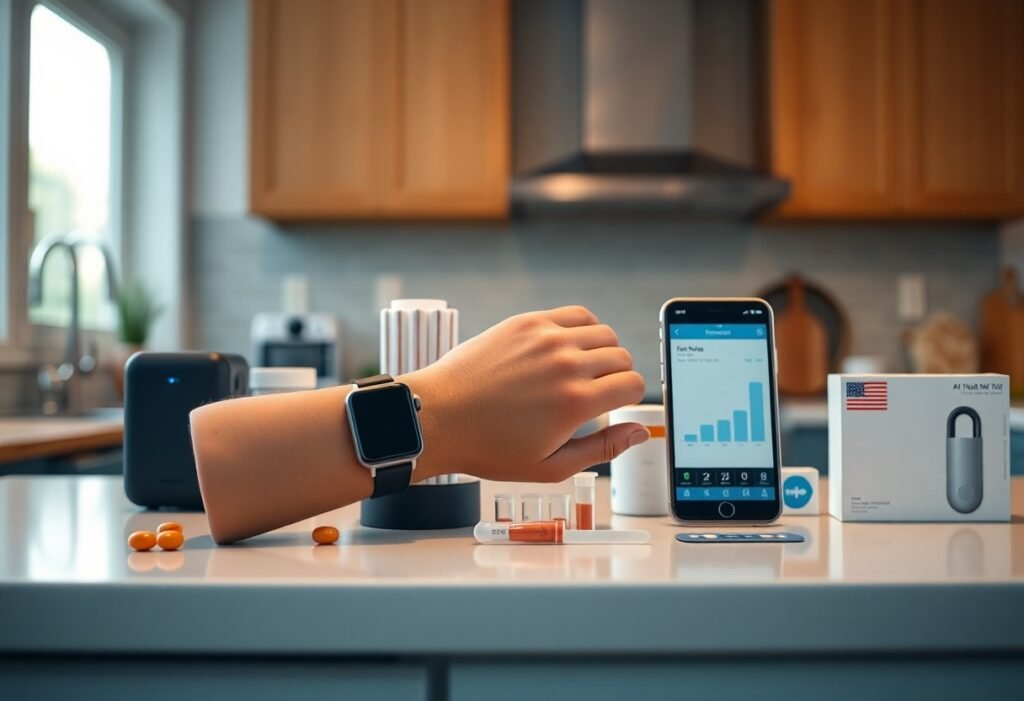
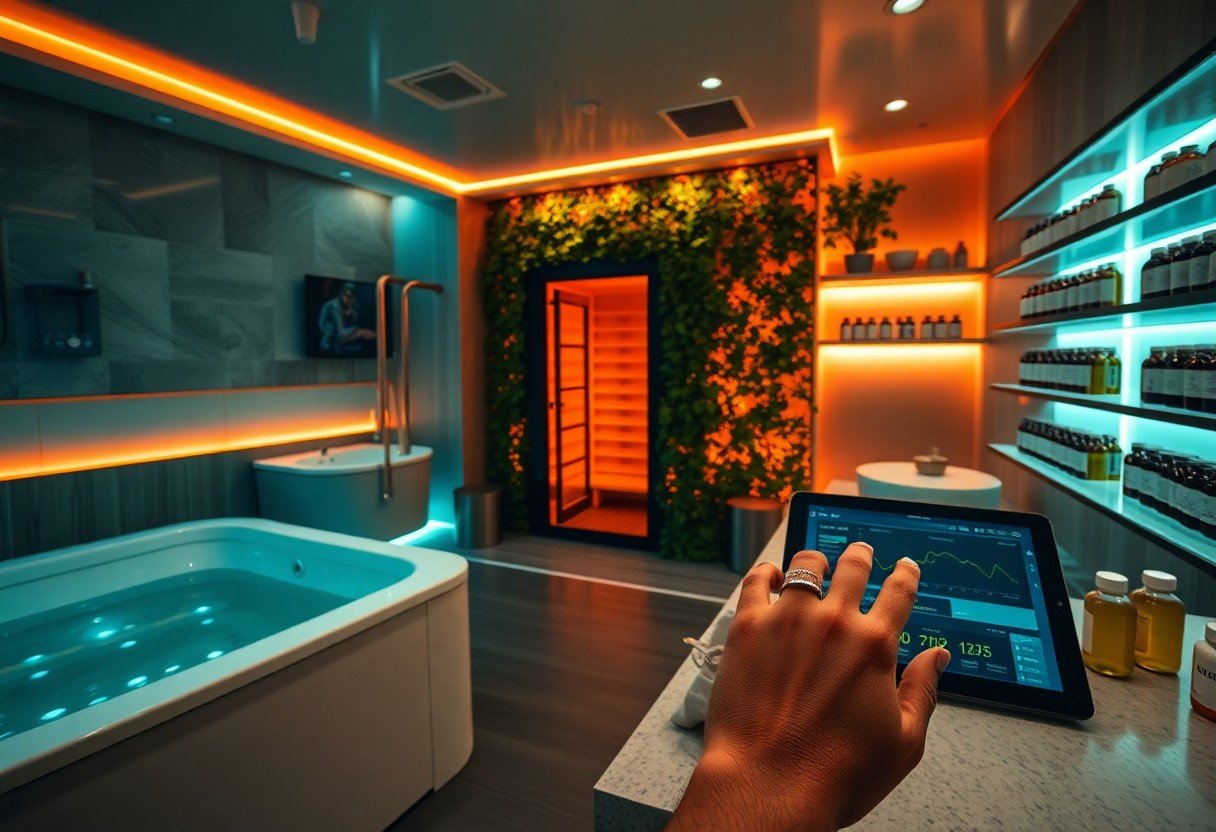
With 2025 bringing a surge of wellness innovations, you should focus on evidence-backed practices like personalized nutrition and sleep optimization, be wary of hyped therapies that carry potential health risks, and embrace accessible tools-wearables and micro-dosing protocols-only when supported by data; this guide helps you separate what’s beneficial from marketing so you can safely adopt trends that improve your health and avoid costly or harmful fads.
Key Takeaways:
- Personalized, data-driven wellness-wearables, at-home biomarker tests, and AI coaches-make tailored nutrition, sleep, and activity plans more effective and practical.
- Scalable mental-health tools like digital therapeutics, breathwork, and restorative movement offer accessible ways to reduce stress and improve resilience without heavy time or cost commitments.
- Sustainable, low-waste approaches-plant-forward diets, regenerative supplements, and conscious product choices-deliver health benefits while lowering environmental impact.
The Rise of Personalized Wellness
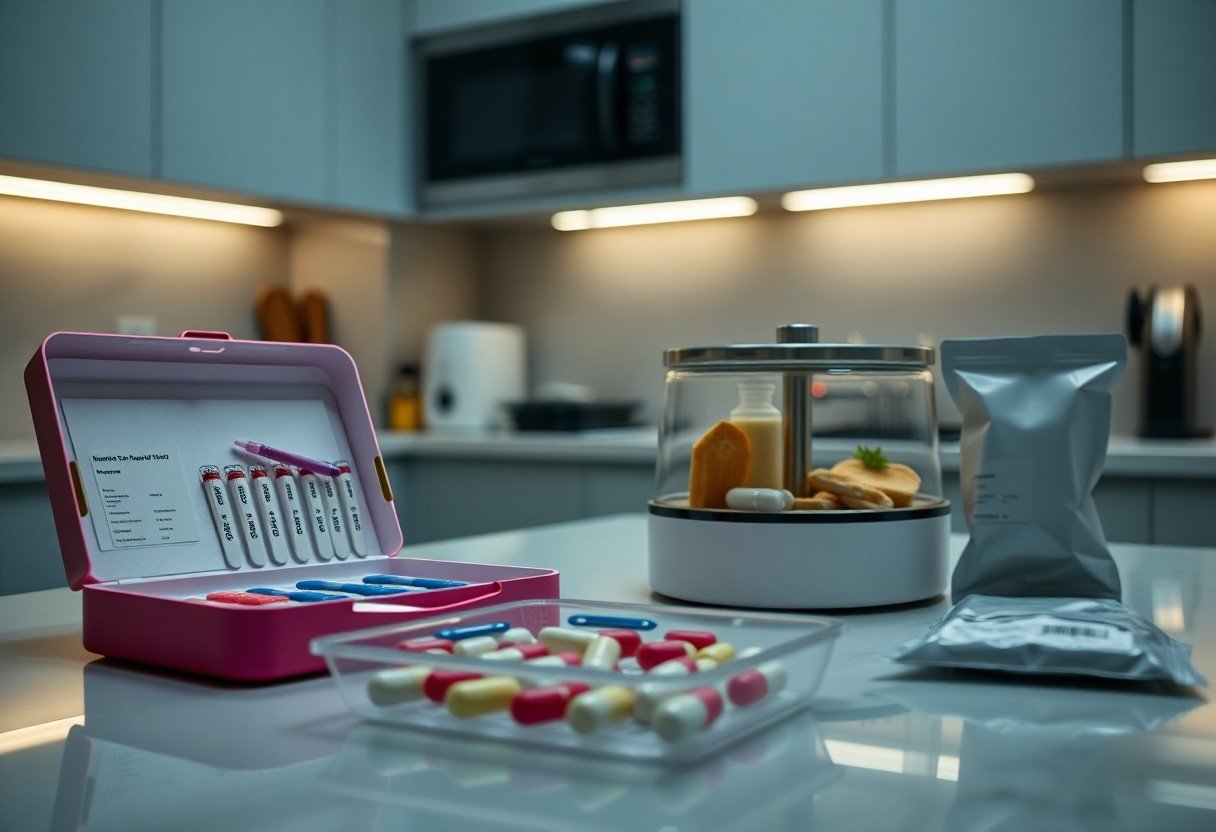
Data now underpins wellness choices: wearables, blood biomarkers and genetics combine with AI to tailor routines so you get fewer one-size-fits-all recommendations and more actionable changes. Many systems fuse hundreds of thousands of genetic variants, continuous glucose monitoring (CGM) readings (~288 per day), and daily activity streams to predict your responses. You can use those insights to cut specific risks, optimize sleep, or reduce inflammation, but the value depends on data quality and how providers interpret it.
Genetic Testing and Health Insights
Direct-to-consumer and clinical genetic tests commonly analyze hundreds of thousands of SNPs, revealing pharmacogenomic flags (how drugs may affect you) and risk alleles like APOE4 that modify disease probability. You should treat results as probabilistic: polygenic traits often need context from lifestyle and bloodwork. While tests can guide medication decisions and screening, misinterpretation and privacy risks are real-ask for clinician-backed counseling before acting on high-impact findings.
Customized Nutrition Plans
CGMs, microbiome profiles and targeted blood panels let you see how specific foods affect your glucose, lipids and markers of inflammation; for example, a 2015 Weizmann Institute study showed personalized diets reduced post-meal glucose spikes versus standard advice. You can leverage those patterns to cut reactive hypoglycemia, improve energy, or tweak macronutrients, but plans work best when combined with tracked sleep, stress and activity data.
Practical details matter: CGMs sample every 5 minutes (~288 readings/day) and blood panels typically report 20-50 biomarkersunnecessary supplements can interact with medications or mask deficiencies, so prioritize clinician-reviewed changes and measurable biomarker improvements.
Mental Health Innovations
Digital Therapeutics
Digital therapeutics are prescription-grade apps; the FDA has cleared products like Pear Therapeutics’ reSET and reSET‑O for substance-use disorders. You can access CBT-based programs that show significant symptom reductions in multiple randomized controlled trials, and insurers increasingly reimburse them. Many integrate clinician dashboards and measurement-based care, but you should use them under clinical supervision because they are not a substitute for crisis or severe-condition treatment.
Mindfulness and Meditation Apps
Apps like Calm and Headspace deliver guided meditations, sleep programs, and short trainings; millions use them and employers often license subscriptions for staff. Meta-analyses report small-to-moderate reductions in anxiety and stress from app-based mindfulness, and you can measure progress via in-app mood trackers. Benefits depend on consistency, and apps work best as adjuncts to therapy when symptoms are moderate or worse.
Beyond guided sessions, you can use breath biofeedback, sleep soundscapes, and personalized courses based on baseline assessments; several apps now sync with Apple Watch and Fitbit for heart-rate variability tracking. Trials show that adding brief human coaching or weekly prompts increases engagement and outcomes, while plain self-guided use often suffers low retention-many apps keep under 10% of users after one month. Prioritize short daily routines and integrated coaching if you want results.
Holistic Fitness Approaches
Combine strength, mobility, and recovery so your program addresses function, endurance, and stress resilience simultaneously; multimodal routines done 3 times weekly over 8-12 weeks typically deliver 10-25% gains in strength and functional tests in older and middle-aged adults. You should track load with session RPE or HRV, and prioritize progressive overload plus mobility work to reduce injury risk-overtraining and poor movement patterns are the main hazards when mixing high-intensity and skill-based modalities.
Integrative Exercise Programs
Mix 30-40 minutes of resistance training, 10-20 minutes of focused mobility, and 5-10 minutes of breathwork in a 45-60 minute session; programs that alternate two strength days with one metabolic-conditioning plus yoga day, repeated for 8-12 weeks, improve VO2 and movement quality. You can use HRV or a 1-10 RPE scale to auto-regulate intensity, and monitor progression to avoid technique breakdown that leads to injury.
Community-Based Wellness Activities
Join or start walking groups, community classes, or volunteer-led runs to boost adherence; social programs often increase participation by around 30% versus solo activity and help you sustain the recommended 150 minutes/week of moderate exercise. You’ll get accountability from peers, shared coaching, and lower cost, but be aware that uneven instructor standards can pose injury risks if form isn’t corrected.
When you evaluate community options, look for programs with regular schedules, certified instructors, and simple progression plans-examples include free municipal walking groups that meet twice weekly for 45 minutes or parkrun-style events you can join on weekends. Clinics that “prescribe” community activities plus text reminders report higher uptake; providing basic gear and brief form clinics can raise retention by 20-40% while reducing common overuse issues.

Sustainable Health Practices
Shift toward low-impact choices: food systems account for roughly one-third of global greenhouse-gas emissions, so your dietary and product decisions add up. Choose seasonal local produce, join a CSA, or use refill stations to cut waste; refill programs can reduce packaging waste by over 50%. Avoid skincare with microplastics and favor certified transparency. See a concise roundup at 7 Wellness Trends Taking Over 2025 (And Why You Need Them).
Eco-Friendly Products
When you shop, prioritize brands with EWG Verified, COSMOS, B Corp, or Fair Trade labels and choose solid shampoo bars, concentrated cleaners, and refill options to cut single-use plastic-solid bars often replace two plastic bottles. Refill stations and bulk aisles can lower your packaging by over 50%. Read ingredient lists and avoid polyethylene, polypropylene, and microbeads, which pose environmental and health risks, and opt for biodegradable formulations where possible.
Plant-Based Diet Trends
Plant-forward eating now mixes whole-food approaches with precision fermentation and novel proteins like pea, mycoprotein, and fermented dairy alternatives; these shifts can lower your diet’s greenhouse-gas emissions by up to 50% and reduce coronary heart disease risk by about 25%. Balance enthusiasm for plant-based meats with whole legumes, nuts, and vegetables because ultra-processed plant meats often carry high sodium and additives.
Start with practical swaps: replace red meat with lentils, beans, or mycoprotein three times a week to cut your food-related emissions substantially; include fortified plant milks and nutritional yeast for B12 and calcium, and pair iron-rich plant foods with vitamin C to boost absorption. Vary sources-soy, peas, quinoa-to meet amino-acid needs and keep meals nutrient-dense without relying on processed alternatives.
Technology’s Role in Wellness
You’ll see tech shifting wellness from guesswork to data-driven action: devices now track sleep stages, HRV, SpO2 and more so you can act on trends instead of feelings. Apple’s ECG records a single-lead tracing in 30 seconds, while ring and patch sensors deliver multi-day battery life and continuous HRV. Vendors tie this into coaching apps and clinician portals, but you should weigh the benefits against data security and privacy before syncing sensitive health records.
Wearable Fitness Tech
You can use wearables like Apple Watch Series 9, Oura Ring and WHOOP to monitor training load, recovery and sleep and adjust your routine in real time. For example, HRV shifts of 10-30 ms often signal recovery needs, and WHOOP’s strain score gives daily targets. Battery life varies-from Apple’s ≈18 hours to Oura’s up to 7 days-so choose devices that match how often you want continuous tracking and charging.
Telehealth Advancements
You’ll find telehealth moving beyond video visits into continuous remote monitoring and integrated care paths: companies like Teladoc plus Livongo now combine virtual consults with device data, and Medicare supports RPM with codes such as 99453, 99454, 99457, 99458. Video consults also cut access barriers and can reduce no-shows by up to 50%, but you must confirm platforms meet HIPAA and local consent requirements to avoid privacy risks.
For deeper practical use, you can deploy RPM for chronic conditions using FDA-cleared devices-continuous glucose monitors (e.g., Dexcom G6) for diabetes or Bluetooth blood pressure cuffs for hypertension-while billing under the RPM CPT codes: 99453 (initial set-up), 99454 (device supply and transmission), and 99457/99458 (treatment management, 20+ minutes of interactive time). Systems that integrate device streams into EHRs let your clinician spot trends and intervene earlier; studies show structured RPM programs can lower readmissions and improve metrics like A1c, though outcomes vary by program design. Prioritize platforms with end-to-end encryption and clear data-use policies before sharing your device feeds.
Wellness in the Workplace
Employee Wellbeing Initiatives
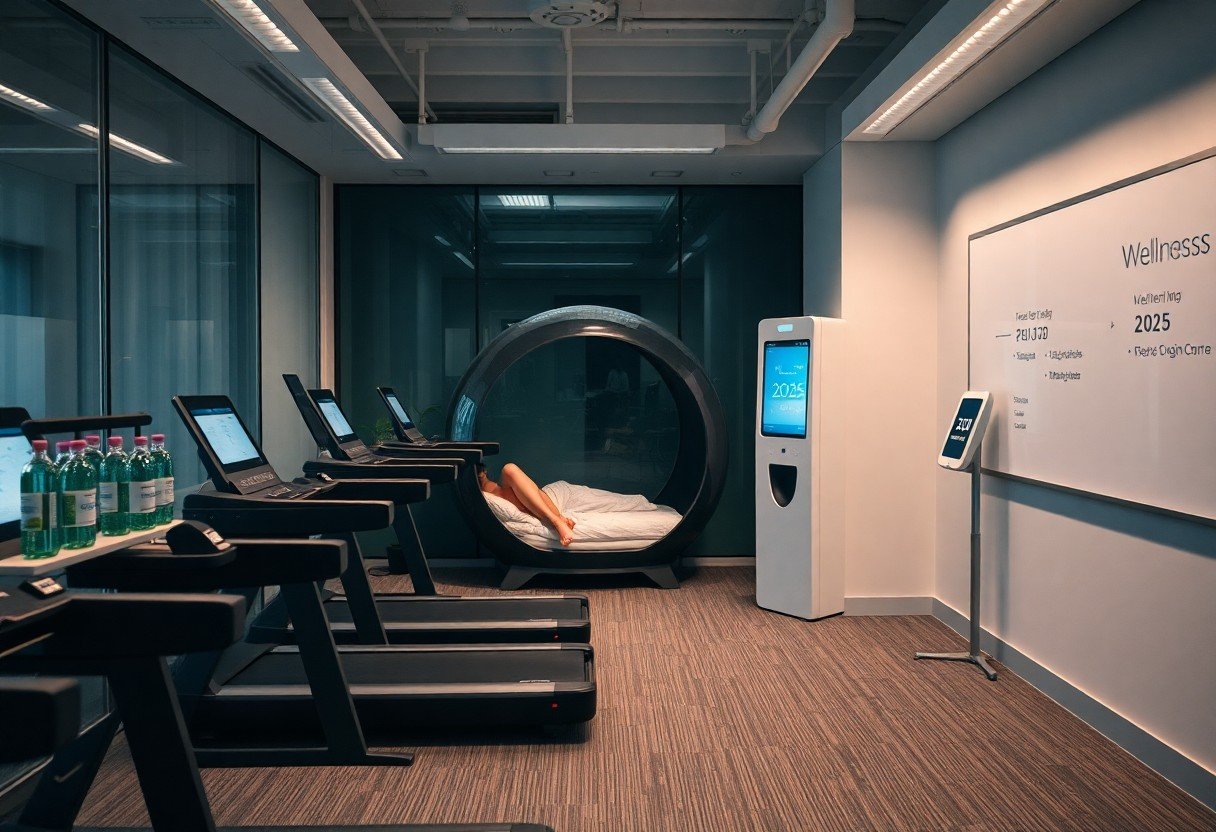
You should expand programs like on-site or virtual therapy, EAPs, fitness stipends and 15-minute mindfulness breaks; meta-analyses show workplace wellness programs can return about $3 per dollar invested and reduce sick leave by roughly 25-30%. For example, a manufacturing firm cut absenteeism 28% after adding flexible mental-health days and compressed schedules. Prioritize measurable KPIs-turnover, sick days, engagement scores-so you track impact rather than optics.
Flexible Work Environments
You should offer hybrid and remote options to cut real estate costs and raise retention; surveys show about 40% of knowledge workers would consider leaving without flexibility. You can adopt core hours, asynchronous collaboration, and a remote-first policy with hotel desks; companies that piloted hybrid models report turnover drops of 10-20% and improved candidate pools. Set clear communication SLAs so productivity gains aren’t lost to overwork.
You should start small by piloting a 4-day week or staggered schedules-Microsoft Japan’s 2019 trial reported a 40% productivity boost and a 23% reduction in meeting time. You can also offer a $500 ergonomic stipend and enforce no-email windows to protect boundaries. You must monitor performance metrics and burnout indicators, because flexibility without structure can increase after-hours work and raise burnout risk.
Conclusion
Hence you should focus on evidence-backed, sustainable practices-sleep optimization, personalized nutrition, movement variety, mental health tools, and selective tech integration-while avoiding fad extremes; prioritize what aligns with your lifestyle and validated outcomes, test one change at a time, track results, and consult professionals when needed to ensure the trends you adopt genuinely improve your wellbeing.
FAQ
Q: Which 2025 wellness trends have the strongest scientific support?
A: Trends with the best current evidence include personalized nutrition guided by validated microbiome and metabolic testing, time-restricted eating (when matched to individual needs and medical history), HRV-guided breathwork and stress-reduction practices, circadian-aligned lighting and blue-light management to improve sleep, and regular use of heat (sauna) and cold exposure protocols in moderation; each shows measurable benefits in randomized trials or large cohort studies, but effect sizes vary and individual response matters.
Q: Is microbiome testing and tailored nutrition worth trying?
A: Microbiome-based recommendations can identify dietary patterns that improve digestion, metabolic markers, and some inflammatory signals for many people, but commercial tests vary in quality; work with a registered dietitian or clinician who can interpret results alongside blood work and symptoms, prioritize evidence-based dietary changes (fiber diversity, fermented foods, reduced processed sugars), and treat supplements or personalized probiotics as experimental until long-term benefits are confirmed.
Q: Should I adopt breathwork, HRV biofeedback, or AI mental-health tools?
A: Breathwork and HRV biofeedback have robust evidence for lowering acute stress, improving autonomic balance, and aiding anxiety management when practiced regularly; start with brief guided sessions (5-20 minutes) and use validated devices/apps that report reproducible HRV metrics. AI mental-health tools can augment access to CBT techniques and daily habit support, but verify clinical oversight, avoid relying on them for crises, and step up to licensed therapy for persistent or severe conditions.
Q: Are peptide therapies, NAD+ boosters, or senolytics worth trying for longevity?
A: Many longevity interventions are promising in early studies, but clinical evidence for routine use is limited and regulatory oversight is variable; peptides and senolytic agents may have side effects and unknown long-term risks, and NAD+ precursors show mixed metabolic results-discuss with a physician, prioritize proven lifestyle measures (exercise, sleep, diet, smoking cessation), and consider enrolling in reputable clinical trials rather than pursuing unregulated clinics.
Q: How can I safely integrate new fitness and sleep technologies into my routine?
A: Validate devices by checking independent reviews and peer-reviewed validation studies, focus on a few meaningful metrics (consistent sleep duration, wake time, training load, recovery), use circadian lighting to phase-shift evening and morning routines gradually, avoid overreacting to single-night data, and pair tech with behavior changes such as fixed sleep schedules, progressive training plans, and periodic professional reviews to prevent overtraining or tech-driven anxiety.