

There’s a clear path to creating a routine you can maintain: prioritize consistency over perfection, align habits with your schedule and energy, and set realistic goals so you make steady progress. Protect recovery by avoiding overtraining and chronic sleep loss, and focus on balanced nutrition, movement, and stress management. Small, repeatable actions lead to lasting change, so build sustainable, incremental habits that fit your life.
Key Takeaways:
- Start small and specific: pick one simple daily action and attach it to an existing routine to build momentum.
- Prioritize consistency over intensity: design easy-to-repeat habits with clear cues and gradually increase difficulty.
- Make it adaptable and enjoyable: choose activities you like, plan for setbacks, track progress, and adjust goals to fit your life.

Understanding Sustainable Health Routines
When you build habits that last, focus on systems instead of quick fixes; small daily wins compound into big changes. Studies show scheduling increases adherence by about 35%, so block time for health like any appointment. Aim for 150 minutes of moderate activity per week and 7-9 hours of sleep as baselines. This creates a practical framework you can maintain alongside work and family.
What Makes a Health Routine Sustainable
You choose behaviors that fit your calendar and energy, not idealized plans you’ll skip; for example, a 20-minute walk after dinner often outperforms sporadic 60-minute workouts you abandon. Consistency beats intensity early-clients who log activity five days a week improve adherence. This emphasis on realistic, repeatable actions preserves momentum and reduces burnout.
- Consistency
- Adaptability
- Progressive overload
Key Factors to Consider
You must prioritize sleep, nutrition, and stress management because they drive recovery and performance; target 7-9 hours sleep, and aim for ~0.8-1.2 g/kg protein depending on goals. Recovery deficits amplify injury risk, so monitor soreness and energy. This triad dictates how effectively your body responds to training and daily demands.
You can track progress with objective metrics: weight trends, body composition, weekly training volume, and subjective energy scores. Implement 2-3 strength sessions per week with gradual load increases; over 8-12 weeks, measurable gains typically appear when volume is consistent. This measurement-driven approach helps you adjust without overtraining and keeps improvements steady.
- Sleep
- Nutrition
- Recovery
- Specificity
How to Create Your Health Routine
Begin by auditing your week: track sleep, meals, stress levels, and activity for 7 days to spot gaps. Use that baseline to schedule concrete actions that meet targets like 150 minutes/week of moderate activity and 7-9 hours of sleep. Prioritize micro-habits-10-15 minute workouts, prepping two lunches on Sunday-and block them in your calendar as nonnegotiable appointments to reduce reliance on willpower.
Setting Realistic Goals
Set SMART goals that match your baseline and capacity: if you’re mostly sedentary, start with a 10-minute walk 5 days/week for four weeks, then progress to 20 minutes. Break larger aims into 2-4 week milestones, track them with an app or journal, and celebrate small wins like completing 3 weeks straight-those measurable, incremental wins drive long-term adherence and prevent burnout from overly ambitious plans.
Incorporating Healthy Habits
Stack new behaviors onto existing routines-after brushing your teeth, do a 2-minute plank or after your morning coffee, add a 5-minute mobility routine. Adjust your environment by placing water on the counter and removing sugary drinks from sight; this reduces friction and increases follow-through. Avoid all-or-nothing thinking, which often leads to drop-off, and choose a few high-impact swaps instead.
Use cues, repetition, and simple rewards to lock habits in: set a visible cue, perform the behavior daily for at least 4 weeks, and reward yourself with a non-food treat or social shout-out. Automate where possible-meal-prep two meals on Sunday, schedule workouts as calendar events, and use accountability partners or apps to maintain momentum. Small, consistent actions compound into lasting change; focus on frequency over intensity when establishing a new routine.
Tips for Staying Motivated
You can sustain momentum by breaking goals into micro-goals (10-20 minute sessions), using habit stacking and time-based routines, and tracking wins-Lally et al. found habit automaticity often develops over ~66 days. Add external cues, calendar blocks and an accountability partner to cut relapse risk; consult practical guides like The Power of Routine: Building Sustainable Health Habits at Home. Assume that you will iterate targets as your schedule shifts.
- Micro-goals: 10-minute workouts, 5-minute stretches
- Habit stacking: attach new actions to existing ones (e.g., meditate after brushing)
- Accountability: weekly check-ins, buddy or coach
- Rewards: non-food incentives after 30 consistent days
Tracking Your Progress
You log key metrics such as daily steps (aim 7,000-10,000), sleep (7-9 hours), strength reps, or blood pressure trends, and chart 4-week windows to spot plateaus. Use simple spreadsheets or apps with visual streaks and a 5-minute weekly review to recalibrate. Measuring small, objective wins keeps your consistency visible and informs when to increase load or rest.
Building a Support System
You recruit allies by joining a class, online group, or pairing with a buddy for 2-3 weekly sessions to sustain accountability. Ask for specific support-morning texts, Sunday check-ins, or a monthly phone call-so expectations are clear. Combine peer support with one professional review every 2-3 months for objective course-correction.
You can use platforms like Meetup, Strava, or community forums to find people with similar goals and participate in 30-day challenges that boost retention; schedule concrete touchpoints (e.g., text at 8am, Sunday recap) and track attendance. Engage qualified pros-a registered dietitian for nutrition, a certified coach for programming, or a therapist for behavior change-when setbacks persist. Strong social backing reduces isolation, but avoid over-reliance on praise alone since that can mask slipping consistency or create burnout.
Overcoming Common Obstacles
Managing Time Effectively
Use time-blocking and batch tasks so you protect 30-60 minute daily habit windows; fit the 150 minutes of weekly moderate exercise into 5×30-minute blocks or 10×15-minute micro-workouts. Combine activities-walk during phone calls, prep meals on Sundays for five dinners-and put non-negotiable anchors like a 20-minute morning routine in your calendar. Avoid sacrificing sleep to gain time, since cutting sleep is dangerous for adherence and performance.
Dealing with Setbacks
Expect lapses and treat them as data: log when and why you slipped, then apply a simple restart within 24-72 hours to prevent drift. Replace all-or-nothing thinking-an isolated missed workout is a signal, not failure-and use accountability (a buddy, coach, or app) to boost follow-through. Prioritize one small, concrete action today to restore momentum; short wins compound into routine strength.
When you stall, run a quick rebound plan: identify the trigger (time, stress, travel), scale the goal (e.g., 10-minute walk instead of 45), set a concrete next step, and schedule a check-in within 72 hours. Example: if travel disrupts meals, list three portable meal options, pack one, and commit to a 15-minute hotel-room circuit-this focus on small wins and immediate adjustments increases the odds you stay on track.
Adapting Your Routine
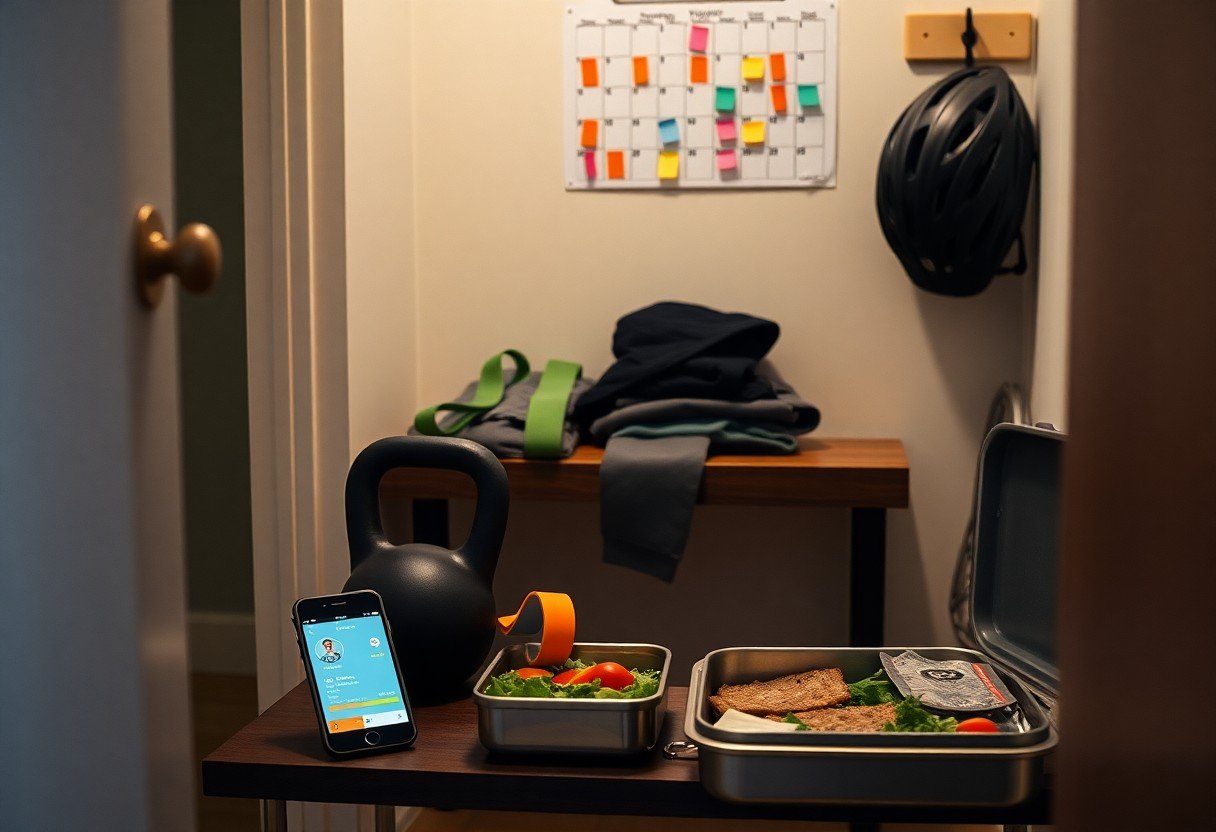
When daily demands shift-travel, work deadlines, illness-you adjust habits rather than abandon them: swap a 45-minute run for a 20-minute brisk walk, move strength training to 2 shorter sessions, or prioritize sleep when you hit under 6 hours. If you’re sick, reduce intensity by ~30% and avoid training with a fever; that is dangerous. Small, consistent tweaks (like adding two 10-minute mobility breaks) preserve progress and make your routine sustainable through seasons and life changes.
Listening to Your Body
Track objective signals: a resting heart rate up >5 bpm or HRV down ~10% often signals fatigue, and sustained drops in performance indicate you should scale back. Pay attention to energy levels, sleep quality, and persistent soreness-sharp joint pain or chest discomfort are danger signs that require medical evaluation. Conversely, increased energy, easier workouts, and steady weight or strength gains are positive signals that your routine is aligned with recovery and goals.
Making Adjustments as Needed
Start with measurable, reversible changes: reduce weekly volume by 20-25%, lower intensity (e.g., replace one HIIT session with steady-state cardio), or add an extra rest day after two high-stress weeks. If weight management is a goal, adjust intake by ±200 kcal and monitor two weeks. Use these tweaks to protect recovery, maintain progress, and prevent burnout or injury.
Implement a simple experiment: pick one metric-sleep, performance, or mood-track it for 2-4 weeks, then apply a single change for another 2 weeks and compare. For example, if your 1RM bench press falls >5% after three hard weeks, cut load by 10% and add mobility work; if sleep increases by ≥30 minutes and daytime focus improves, keep the change. Use tools (sleep tracker, training log) and set short review cycles; consult a clinician for persistent pain, dizziness, or any red-flag symptoms.
Long-Term Maintenance Strategies
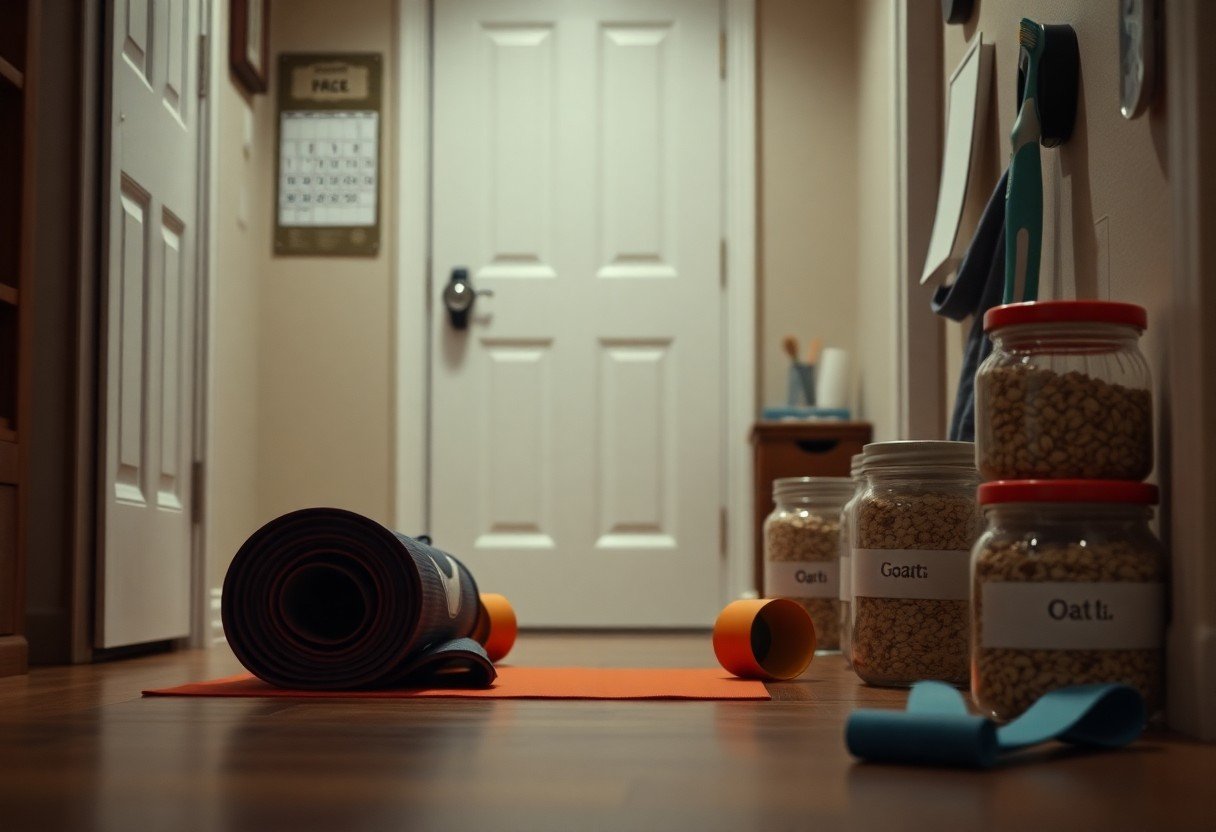
Set a maintenance plan with scheduled check-ins: you do weekly quick reviews and deeper 90-day audits. Use systems (habit cues, tracking) instead of one-off goals, and adjust when you hit plateaus. Habit research shows average formation takes 66 days (range 18-254), so pace expectations accordingly. Track 3-5 metrics (sleep, movement, mood, nutrition) and use that data to pivot; pre-plan responses for setbacks to prevent long regressions.
Celebrating Small Wins
Celebrate micro-progress by logging 2-3 small wins each week-missed workouts replaced by a 10-minute walk counts. You get positive reinforcement when rewarding consistency; over time a 1% daily improvement compounds to about 37× growth in a year. Pair measurable wins with a non-food reward (new book, 30-minute hobby time) and avoid dismissing tiny gains, which often leads to slippage in routines.
Continual Learning and Growth
Keep learning with targeted actions: read one evidence-based article per week, take a 30-minute skill block every Sunday, and consult a coach or attend a workshop every 3 months. You run micro-experiments-shift sleep 15 minutes for 2 weeks and compare HRV or energy scores-to find what truly moves the needle. Prioritize peer-reviewed sources and certified professionals to avoid advice that can be harmful.
Structure learning as repeatable experiments: you set a hypothesis, record a 2-week baseline, change one variable for 4-8 weeks, and measure with at least two objective metrics (e.g., nightly sleep minutes and morning HRV). Use clear thresholds for success and log results; this method makes it easy to scale wins and discard failures. Beware of short-term noise-acting on a single outlier can be misleading or harmful to your routine.
Summing up
Presently, you can consolidate a sustainable health routine by setting realistic goals, prioritizing small consistent actions, tracking progress, and adjusting based on your lifestyle; build habits that fit your schedule, focus on balanced nutrition, regular movement, quality sleep, and stress management, and use accountability and simple rituals to maintain momentum so changes become enduring parts of your daily life.
FAQ
Q: How do I begin building a sustainable health routine without getting overwhelmed?
A: Start by choosing one small, specific change you can maintain for at least two weeks, such as a 10-minute morning walk or swapping one snack for a piece of fruit. Break larger goals into tiny actionable steps, schedule them into your calendar, and prepare the environment so the choice is easy (e.g., keep walking shoes by the door, pre-cut vegetables in the fridge). Track the single change for consistency rather than perfection, then add another small habit once the first feels automatic.
Q: How should I set goals so I stick with them?
A: Use concrete, measurable goals with clear timeframes (SMART-style): what you will do, how often, and for how long. Focus on process goals (actions) instead of outcome goals (weight, numbers) because processes are directly controllable. Write goals down, set reminders, and review progress weekly to adjust frequency, intensity, or support. Celebrate small milestones to reinforce behavior and avoid all-or-nothing thinking when setbacks occur.
Q: What techniques help turn healthy behaviors into lasting habits?
A: Use cue-routine-reward structures: pair a desired action with an existing cue (habit stacking) and give yourself an immediate, simple reward (a favorite podcast during a walk, a moment of relaxation after exercise). Make the routine tiny at first so friction is low and consistency is high, then gradually increase intensity or duration. Design your environment to reduce barriers (visible water bottle, workout clothes accessible) and enlist social support or accountability to strengthen commitment.
Q: How do I maintain a routine when life gets busy, stressed, or I travel?
A: Build a flexible core routine with scaled options: a full session, a short version, and a micro-version that takes 5 minutes. Plan in advance for common disruptions-pack portable healthy snacks, create a 15-minute hotel workout plan, or move workouts to different times based on your schedule. Prioritize foundational behaviors (sleep, hydration, brief movement) during high-stress periods so you preserve momentum and can ramp back up afterward without starting from scratch.
Q: How can I stay motivated long-term and avoid burnout?
A: Shift focus from motivation to systems: design routines that require less willpower and more automatic triggers. Vary activities to keep them interesting, schedule deliberate rest and recovery days, and align habits with personal values so the effort has meaning. Regularly review your routine every month, adjust goals to match current capacity, and use social connection-friends, classes, or a coach-to sustain engagement without relying solely on internal drive.