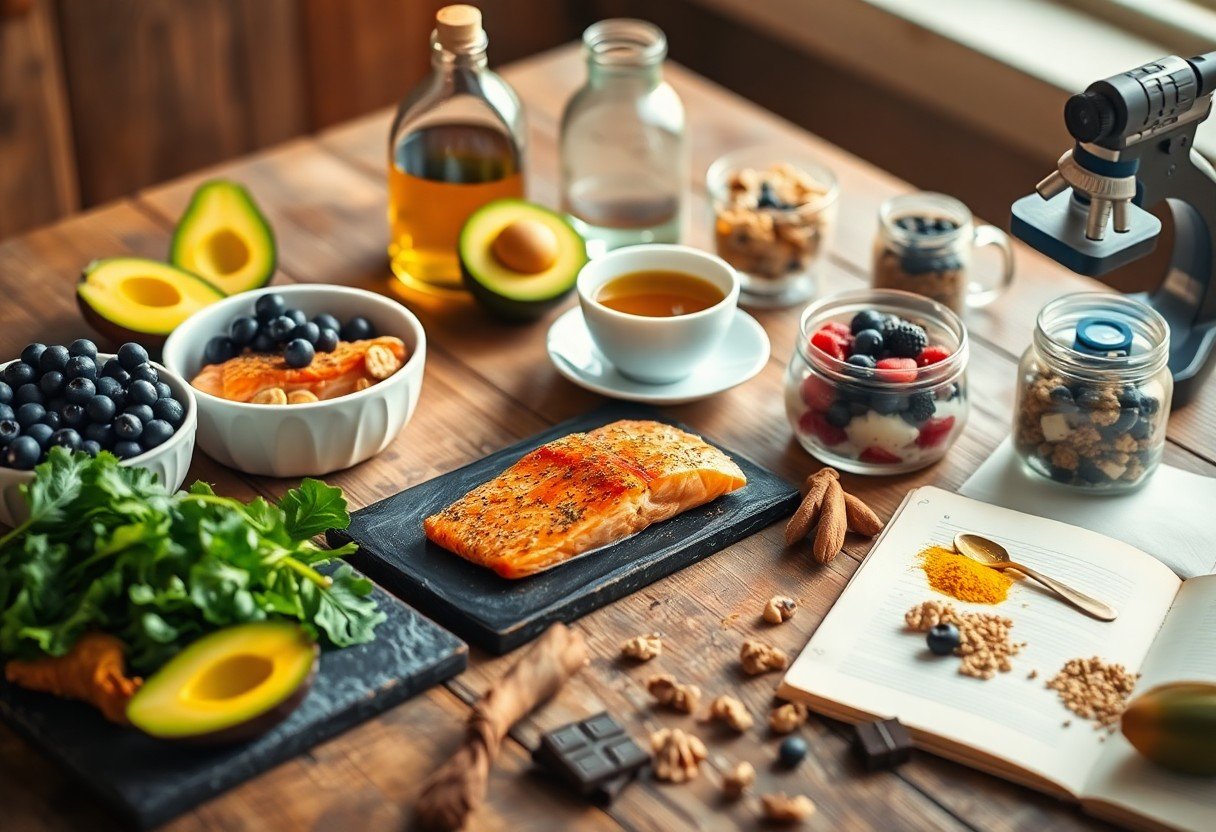
There’s clear research showing that what you eat influences cellular aging: to reduce inflammation and oxidative stress prioritize antioxidant-rich berries, leafy greens, fatty fish (omega-3s), nuts, and extra-virgin olive oil, which support skin elasticity, mitochondrial function, and metabolic health. Also limit refined sugars and industrial trans fats, which accelerate tissue damage and chronic disease. Applying these evidence-backed choices regularly gives your body the best defense against age-related decline.
Key Takeaways:
- Antioxidant-rich plant foods (berries, leafy greens, nuts, green tea) reduce oxidative stress and inflammation, protecting cells and skin; studies link higher intake to lower aging biomarkers and reduced age-related disease risk.
- Omega-3-rich foods (fatty fish, flaxseed, walnuts) lower systemic inflammation and support cardiovascular and brain health, with evidence for slower cognitive decline and better heart outcomes.
- Whole-food dietary patterns (Mediterranean or plant-forward diets) combined with adequate protein preserve muscle, improve metabolic health, and are associated in cohort studies with longer healthspan and reduced frailty.
Understanding Aging
The Biological Process of Aging
At the cellular level, aging reflects telomere shortening (~20-40 base pairs per year in dividing cells), mitochondrial dysfunction that increases reactive oxygen species, accumulation of senescent cells releasing pro-inflammatory SASP factors, and loss of proteostasis leading to protein aggregates. These changes impair tissue repair, stem cell function, and metabolism, raising risks for cardiovascular disease and neurodegeneration. You can slow some pathways by lowering oxidative stress and supporting cellular maintenance processes.
How Diet Influences Aging
Diet shapes aging by altering inflammation, glycemic load, and nutrient-sensing pathways: high-sugar, ultra-processed diets boost advanced glycation end-products and chronic inflammation, whereas Mediterranean and plant-forward diets associate with longer telomeres and lower CRP. The PREDIMED trial showed about a 30% reduction in major cardiovascular events with Mediterranean patterns. You directly influence longevity by choosing foods that modulate insulin/mTOR signaling and promote autophagy.
Specifically, omega-3s (EPA/DHA), fiber-fed short-chain fatty acids, and polyphenols (berries, green tea, extra-virgin olive oil) lower inflammation and activate protective pathways like sirtuins and Nrf2. Intermittent fasting or modest calorie reduction enhances autophagy; in rodents, caloric restriction can extend lifespan by up to ~40%. You can apply this by prioritizing whole foods, 1-3 g/day of EPA+DHA when appropriate, and timing meals to support cellular repair.
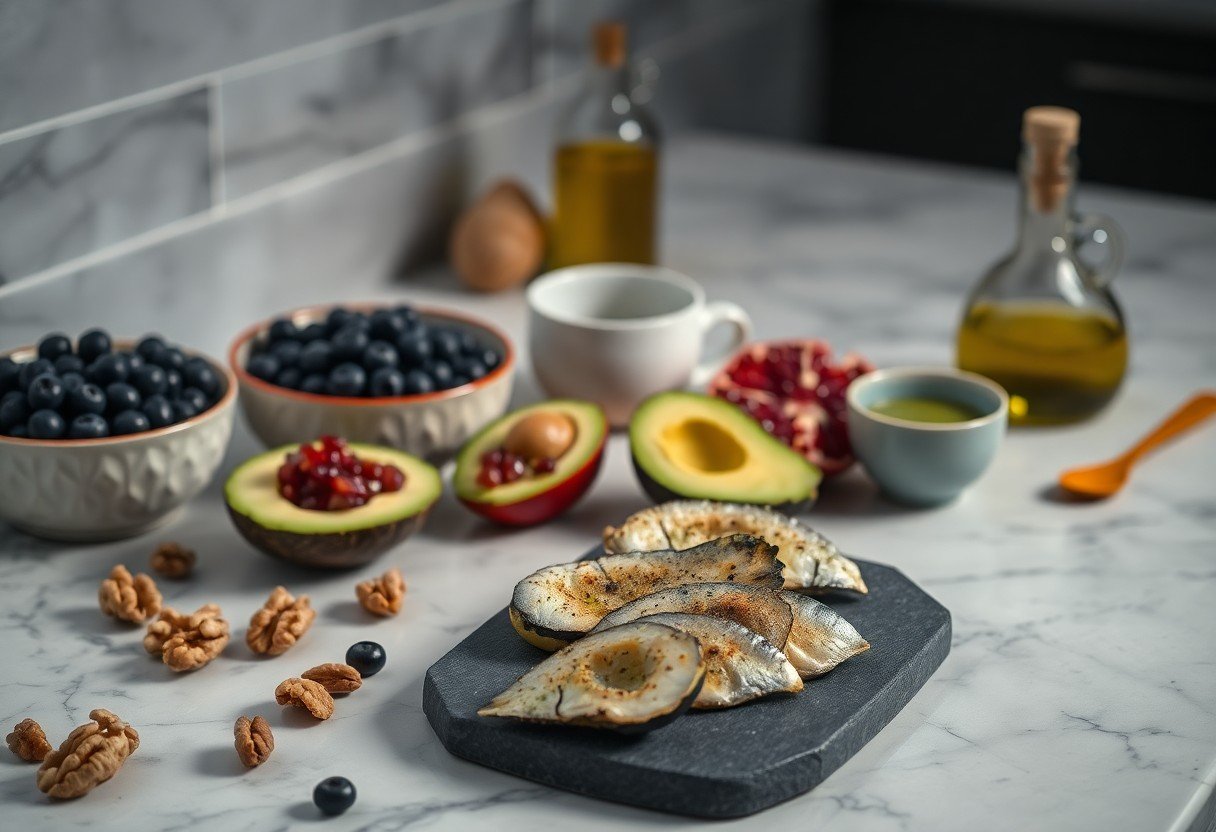
Key Anti-Aging Foods
You should prioritize a mix of nutrient-dense categories: berries for polyphenols, leafy greens for vitamins and nitrates, oily fish for EPA/DHA, nuts for healthy fats, and fermented foods for microbiome support. Clinical guidance often recommends 2+ servings of oily fish per week and aiming for at least 1-2 cups of greens daily to impact inflammation, vascular health, and cognition.
Berries and Their Antioxidants
You’ll get potent anthocyanins and flavonoids from blueberries, strawberries, and blackberries; these compounds reduce oxidative stress and support neuronal signaling. In cohort studies, regular berry intake has been associated with slower cognitive decline – for example, higher blueberry/strawberry consumption linked to measurable differences in memory over 2-3 years. Avoid processed berry products with added sugars, which negate benefits.
Leafy Greens for Longevity
You gain concentrated vitamins (especially vitamin K), lutein, folate, and dietary nitrates from spinach, kale, and Swiss chard; nitrates help lower blood pressure and improve endothelial function. One large cohort found that eating a serving of leafy greens daily was associated with cognitive performance comparable to being about 11 years younger, underscoring their impact on brain aging.
To make greens work for you, aim for 1-2 cups raw or equivalent cooked daily-blend into smoothies, sauté with garlic, or toss into soups. Watch for high-oxalate choices like spinach if you have kidney stone risk and consult your clinician if you take warfarin, since vitamin K can alter anticoagulant dosing. Meal prepping and quick blanching preserve nutrients and boost adherence.
Nutrients that Combat Aging
You should prioritize specific nutrients that target oxidative stress, inflammation and cellular repair; for example, increasing fruit and vegetable intake to 5+ servings daily is linked to about a 5% lower mortality per serving, while dietary patterns rich in omega‑3s, polyphenols, vitamins D/C and B vitamins consistently show slower functional decline and better metabolic markers in cohort studies.
Omega-3 Fatty Acids
EPA and DHA lower systemic inflammation and triglycerides-1 g/day reliably reduces triglycerides, and common guidelines advise ~250-500 mg/day EPA+DHA for general health; you get these from salmon, mackerel, sardines or algae oil, and studies (including associations with slower telomere shortening) link higher omega‑3 status to reduced biological aging.
Vitamins and Minerals
Vitamin D supports bone and immune health, vitamin C drives collagen synthesis, B12 and folate regulate methylation and homocysteine, and minerals like zinc and selenium act as antioxidant cofactors; you face increased risk of frailty, anemia or cognitive issues if vitamin D is low (<30 ng/mL) or B12 is deficient-affecting up to ~20% of adults over 60.
Check serum levels (25(OH)D, B12, ferritin) and correct deficits through diet or supplements when needed: citrus, leafy greens, nuts, shellfish and fortified dairy boost intake, but avoid excess-selenium >400 µg/day causes toxicity and high zinc can induce copper deficiency-so monitor doses and coordinate supplementation with your clinician.
Superfoods with Scientific Backing
You’ll find concentrated antioxidant and anti‑inflammatory sources-blueberries, green tea, extra‑virgin olive oil-linked to slower skin aging in human and cellular studies. A review on PubMed Central (Diet and Skin Aging-From the Perspective of Food Nutrition) summarizes mechanisms such as reduced oxidative stress and preservation of collagen and elastin.
Quinoa and Whole Grains
You should favor quinoa and whole grains for steadier blood sugar and skin support. One cooked cup of quinoa provides about 8 g of complete protein and a low glycemic index (~53), while oats supply 3 g beta‑glucan per typical serving, which can lower LDL by 5-10% when consumed daily. Their fiber, magnesium and B vitamins improve glycemic control and inflammatory markers tied to aging.
Nuts and Seeds
You can add nuts and seeds to boost important fats, vitamin E and fiber-elements that support skin integrity. One ounce of walnuts contains about 2.5 g ALA omega‑3, and an ounce of almonds supplies roughly 7 mg vitamin E. Chia or flax offer 8-10 g fiber per ounce plus lignans and antioxidants that help reduce oxidative damage.
For practical use, stick to a 1 oz (28 g) serving daily-about 160-200 kcal-to gain benefits without excess energy. You should grind flaxseed to release ALA and lignans, and be mindful of allergic risks and high sodium in salted nuts; choose raw or dry‑roasted varieties. Observational studies associate modest daily nut intake with lower long‑term disease risk.
Lifestyle Factors Complementing Anti-Aging Foods
You amplify the effects of anti-aging foods by optimizing sleep, movement and stress control-target 7-9 hours nightly, 150-300 minutes of moderate aerobic activity weekly plus two resistance sessions, and keep added sugars <10% of calories to lower inflammation and oxidative stress. Large cohort data link regular activity to a ~20-30% reduction in age-related disability and mortality. The cumulative impact of consistent sleep, exercise, and stress reduction supports cellular repair and metabolic resilience.
- Exercise: 150-300 min moderate aerobic/week + 2 resistance sessions
- Sleep: 7-9 hours per night
- Stress: 10-20 minutes/day mindfulness or paced breathing
- Nutrition: limit added sugars & prioritize polyphenol-rich foods
Exercise and Its Role
You should pair aerobic work and strength training: 150 minutes of moderate aerobic activity weekly plus two resistance sessions preserves muscle mass, boosts insulin sensitivity, and promotes mitochondrial biogenesis. Adding 1-2 HIIT sessions weekly raises VO2 max and reduces visceral fat; in older adults, resistance programs often increase lean mass by 1-2% over a few months, lowering sarcopenia and frailty risk.
Stress Management Techniques
You can blunt harmful cortisol spikes and systemic inflammation with brief, daily practices: 10-20 minutes of mindfulness meditation, paced breathing, or progressive muscle relaxation. Randomized and cohort studies of mindfulness-based programs report lower perceived stress and reductions in inflammatory markers like IL-6, and chronic stress has been linked to accelerated skin aging and weakened immune responses.
You should use specific, practical tools: try box breathing (4-4-4) for two 5-minute sets to increase HRV, follow an 8-week MBSR app course for structured practice, or apply CBT techniques to reframe stressors. Small intervention studies report increased telomerase activity and lower CRP after sustained programs, while avoiding prolonged high cortisol preserves collagen integrity and metabolic health.
Practical Tips for Incorporating Anti-Aging Foods
You should prioritize whole-food sources: aim for 2 servings of fatty fish weekly (roughly 250-500 mg EPA+DHA/day averaged), 3 cups of berries per week, and 25-30 g of fiber daily to support gut health. Rotate leafy greens, nuts, and polyphenols-rich spices like turmeric to reduce oxidative stress and sustain cellular resilience. Assume that minimizing added sugars and ultra-processed foods magnifies the benefits.
- Batch-cook legumes, whole grains, and roasted cruciferous vegetables for 3-4 lunches – emphasize fiber and protein.
- Swap snacks to walnuts or flaxseed crackers to boost omega-3 intake.
- Use berries, green tea, and dark chocolate (>70%) as polyphenol-rich treats.
- Limit refined carbs and added sugars; use herbs and acid (lemon/vinegar) to enhance flavor instead of salt.
- Schedule two meatless days per week to increase legumes and leafy greens.
Meal Planning Ideas
You can use a simple template: breakfasts like Greek yogurt with ½ cup berries and 1 tbsp flaxseed, lunches of 3 oz grilled salmon or canned sardines over mixed greens, dinners of lentil stew with 1 cup cooked lentils and roasted broccoli, and snacks of a 30 g handful of nuts or 20 g dark chocolate (>70%). Aim for 20-30 g protein at each main meal and spread 25-30 g fiber across the day to support muscle and gut health.
Recipes to Try
You might rotate three quick staples: a 15-minute salmon bowl (3 oz cooked salmon, ½ cup quinoa, spinach), berry-chia overnight oats (½ cup oats, 1 cup mixed berries, 2 tbsp chia), and turmeric-lentil soup (1 cup cooked lentils, 1 tsp turmeric, garlic, onion). Each provides omega-3, polyphenols, and sustained protein or fiber to blunt post-meal glucose spikes.
You can scale recipes to 2-4 servings, swap canned sardines for salmon to save cost, or double batch and freeze portions; keep sodium under 600 mg per serving to lower cardiovascular risk and choose dark chocolate >70% to limit added sugar. Use airtight containers, label dates, and plan to consume refrigerated legumes and grains within 4-5 days for best safety and nutrient retention.
To wrap up
From above, you can see that focusing on evidence-backed anti-aging foods-like fatty fish rich in omega-3s, colorful fruits and vegetables high in antioxidants, whole grains, nuts, and green tea-supports cellular health, reduces inflammation, and helps preserve cognitive and skin function as you age. Integrate these consistently into your meals, balance portions, and pair them with sleep and activity to maximize benefits.
FAQ
Q: What specific foods have the strongest scientific support for slowing biological aging?
A: Fatty fish (salmon, sardines) for omega-3s that reduce inflammation and support brain and heart health; berries (blueberries, strawberries) rich in anthocyanins and polyphenols that lower oxidative stress and improve cellular signaling; leafy greens (spinach, kale) for vitamins, nitrates and folate linked to vascular health; extra-virgin olive oil for monounsaturated fats and polyphenols shown in randomized trials to improve inflammation markers; nuts and seeds (walnuts, almonds, flax) for healthy fats, vitamin E and antioxidants; green tea for EGCG and improved metabolic and cellular stress responses; tomatoes for lycopene, associated with lower oxidative damage; cruciferous vegetables (broccoli, Brussels sprouts) for sulforaphane and detoxification pathways; whole grains and legumes for fiber, improved glycemic control and microbiome benefits; fermented foods or yogurt for a healthier gut microbiome. Many of these foods appear in Mediterranean-style diet studies that show slower cognitive decline, better cardiovascular outcomes and associations with longer telomeres in observational and some intervention research.
Q: By what biological mechanisms do these foods influence aging processes?
A: They lower chronic inflammation and oxidative stress, both key drivers of cellular aging; supply antioxidants and phytochemicals that protect DNA, lipids and proteins from damage; improve mitochondrial efficiency and cellular energy metabolism; enhance insulin sensitivity and metabolic health, reducing age-related disease risk; modulate gene expression and signaling pathways involved in longevity (e.g., sirtuins, AMPK, mTOR modulation by polyphenols and nutrients); support autophagy indirectly through improved metabolic state; and shape a healthier gut microbiome that influences systemic inflammation and immune function. Together these mechanisms reduce the rate of functional decline linked to cardiovascular, cognitive and metabolic aging.
Q: How can I build daily meals around anti-aging foods? Give practical examples.
A: Breakfast: Greek yogurt or oats topped with mixed berries, a tablespoon of ground flax or walnuts and a drizzle of honey; Mid-morning: green tea and a small handful (about 1 oz) of mixed nuts; Lunch: salad of leafy greens, cherry tomatoes, chickpeas or lentils, olives, grilled salmon or sardines, dressed with extra-virgin olive oil and lemon; Snack: carrot sticks with hummus or a piece of dark chocolate (70%+ cocoa, about 20 g); Dinner: whole-grain pasta or quinoa with a tomato-and-olive-oil sauce, sautéed broccoli or Brussels sprouts, and lean protein (fish or legumes); Aim for at least 5 servings of vegetables and fruit daily, 2 servings of fatty fish weekly, a daily small portion of nuts, and regular use of olive oil and whole grains.
Q: How strong is the evidence and how much of these foods should I eat to get benefits?
A: Evidence ranges from robust observational studies and Mediterranean-diet RCTs showing reduced disease risk, to targeted trials demonstrating improved biomarkers (inflammation, blood lipids). Direct measures of “slowed aging” (like telomere length) are mixed but generally favor dietary patterns rich in these foods. Practical intake targets supported by guidelines and trials: vegetables and fruit 5-9 servings daily, leafy greens several times per week, fatty fish about 2 servings/week (or 250-500 mg EPA+DHA/day), 1 oz (28 g) nuts daily, 2 tablespoons of extra-virgin olive oil per day, whole grains as the majority of grain intake, 2-3 cups of green tea or equivalent polyphenol sources per day, and limited processed foods and added sugars. Many benefits come from overall pattern and consistency rather than single foods in isolation.
Q: Should I use supplements instead of whole foods for anti-aging effects?
A: Whole foods are preferred because of nutrient synergy, fiber and complex phytochemical mixtures that provide broader benefits than isolated supplements. Supplements can fill gaps when dietary intake is inadequate-for example, omega-3 (EPA/DHA) if you eat little fish, or vitamin D if deficient. High-dose antioxidant supplements (vitamin E, beta-carotene) have inconsistent results and can be harmful in some contexts. Probiotic supplements may help select microbiome-related issues but effects are strain-specific. Discuss specific supplement needs with a healthcare professional, especially if you have medications or health conditions.