

Aging affects your body more rapidly when you skimp on sleep or endure chronic stress; insufficient sleep and persistent stress increase inflammation, accelerate cellular aging, and raise disease risk. To age well, prioritize sleep duration and quality-aim for 7-9 hours with consistent timing-and adopt stress-reduction practices; managing stress can slow biological aging and improve resilience. Small daily changes in sleep and stress habits yield measurable benefits for longevity and vitality.
Key Takeaways:
- Quality sleep promotes cellular repair, hormone balance, cognitive function and lowers inflammation-aim for consistent 7-9 hours and solid sleep habits.
- Chronic stress accelerates biological aging (telomere shortening, inflammation, metabolic disruption); regular stress-reduction practices (exercise, mindfulness, social support) reduce harm.
- Sleep and stress interact bidirectionally-improving one strengthens the other; combining sleep hygiene with stress management supports healthier aging.
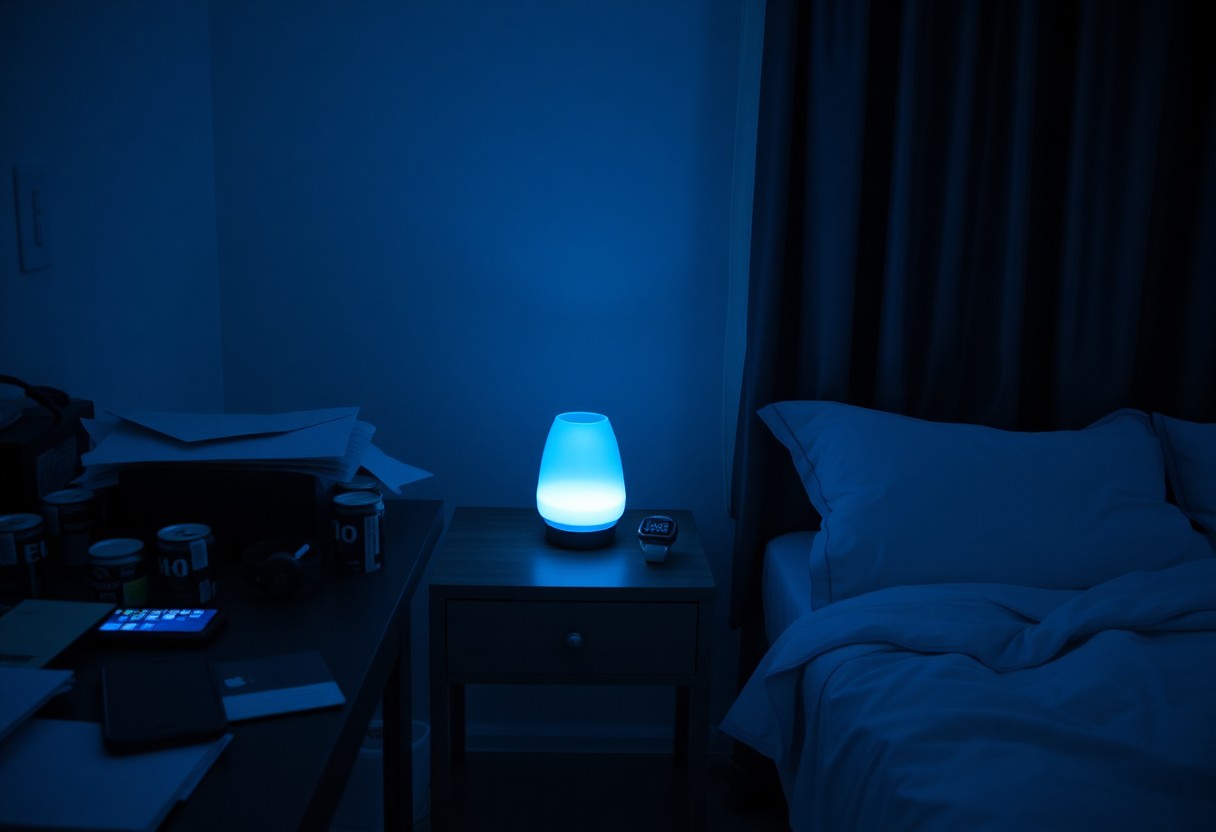
Understanding Sleep
You should aim for 7-9 hours most nights; chronic short sleep (<6 hours) is linked to higher inflammation, impaired glucose regulation, and faster cognitive decline. Sleep timing and continuity matter because fragmented nights cut into restorative slow-wave sleep when growth hormone and cellular repair peak. Prioritize consistent schedules, darkness, and treating nightly disturbances so your body can complete full repair and metabolic maintenance cycles.
The Sleep Cycle
Your night cycles through N1, N2, N3 (slow-wave) and REM roughly every 90-110 minutes, yielding about 4-6 cycles. REM occupies ~20-25% of total sleep and consolidates memory, while slow-wave sleep-concentrated in the first half of the night-drives tissue repair and growth hormone release. Interruptions or shift work truncate specific stages, directly reducing restorative benefits and raising metabolic and cognitive risk.
Effects of Sleep on the Aging Process
As you age, slow-wave sleep can decline by roughly 40%, and REM architecture shifts, diminishing glymphatic clearance of beta-amyloid and tau. Poor or short sleep elevates inflammatory markers like IL-6 and CRP, accelerates telomere shortening, and correlates with higher frailty, impaired glucose tolerance, and faster cognitive decline-so the sleep you get directly shapes cellular and brain aging trajectories.
If you regularly sleep <6 hours or experience fragmentation, epidemiological analyses associate that pattern with a 10-30% higher all-cause mortality and greater dementia biomarkers on imaging. Treatable disorders-especially obstructive sleep apnea-raise cardiovascular and neurodegenerative risk, yet interventions such as CPAP, targeted sleep hygiene, and CBT-I can lower blood pressure, reduce inflammation, and improve cognition, making assessment and treatment a high-impact strategy for aging more healthfully.

Impact of Stress on Aging
Chronic psychological stress speeds structural aging at the cellular level, and you can see this in studies: caregivers of chronically ill children had shorter telomeres equivalent to roughly 9-17 years of additional aging. Stress also raises levels of cortisol and pro-inflammatory cytokines (IL-6, CRP), which you experience as higher baseline inflammation and metabolic strain that compound wear-and-tear on heart, brain, and immune systems.
Biological Mechanisms of Stress
When you’re stressed the HPA axis and sympathetic nervous system elevate cortisol and adrenaline, driving oxidative stress, mitochondrial dysfunction, reduced telomerase activity, and altered immune signaling; studies show persistent stress correlates with higher IL-6 and CRP and decreased DNA repair capacity, so cellular maintenance pathways fail faster and biological aging markers accelerate.
Chronic Stress and Its Consequences
Ongoing stress raises your risk of metabolic syndrome-central adiposity, insulin resistance, hypertension-while impairing immunity and cognition; caregivers and high-burden professionals report increased depressive symptoms, slower wound healing, and elevated inflammation, linking chronic stress to higher incidence of cardiovascular disease and cognitive decline via sustained inflammation and neuroendocrine dysregulation.
Further, chronic stress shifts epigenetic clocks and sleep architecture: you may exhibit epigenetic age acceleration of approximately 1-3 years in some cohorts, and experience reduced slow-wave sleep and fragmented REM, which worsens glycemic control and immune function; clinically, persistent CRP > 3 mg/L in stressed individuals predicts elevated cardiovascular risk, illustrating how physiological markers map to real disease outcomes.

The Interconnection of Sleep and Stress
When you face ongoing pressure, sleep architecture shifts: increased nocturnal awakenings, fewer slow-wave cycles, and disrupted REM density. Chronic stress raises cortisol, which delays melatonin onset and fragments sleep, while sleep loss amplifies sympathetic tone and inflammatory markers like IL-6 and CRP. Studies show adults sleeping under 6 hours have a markedly higher stress-reactivity; the bidirectional loop means improving one often yields measurable gains in the other.
How Stress Affects Sleep Quality
After a stressful event you may notice longer sleep latency and lighter sleep stages; acute stress commonly increases time to fall asleep by 20-30 minutes. Chronic worry elevates nighttime arousal and rumination, reducing slow-wave and REM sleep-patterns linked to impaired memory consolidation. Population data indicate people reporting high perceived stress have roughly twice the likelihood of clinical insomnia, driven by hypervigilance and hormonal disruption.
The Role of Sleep in Stress Management
Good sleep strengthens prefrontal control over the amygdala, so with 7-9 hours you get better emotional regulation, clearer decision-making, and lower reactivity to daily hassles. Sleep deprivation can boost negative emotional responses by ~60% and impair judgment, making stressors feel larger. Enhancing sleep quality therefore produces measurable reductions in perceived stress and improves coping capacity.
Practical steps you can use include a consistent wake time, limiting caffeine at least 6-8 hours before bed, and 20-30 minute naps when needed to reduce daytime cortisol spikes. In one randomized trial, cognitive-behavioral therapy for insomnia cut insomnia severity and lowered stress markers significantly within 8 weeks. Prioritize sleep routines and light exposure to harness these physiological benefits.
Strategies for Improving Sleep
Sleep Hygiene Practices
Set a regular sleep-wake schedule so your body expects rest-aim for 7-9 hours nightly and go to bed within 20-30 minutes of feeling sleepy. Keep your bedroom dark, quiet, and cool-around 60-67°F. Cut caffeine at least 6 hours before bedtime and avoid alcohol within 3 hours, since both fragment REM sleep. Dim lights and avoid screens 1 hour before bed; a 30-minute wind-down like reading or gentle stretching helps lower arousal.
Relaxation Techniques
Use diaphragmatic breathing, progressive muscle relaxation, or mindfulness for 10-20 minutes before bed; meta-analyses show small-to-moderate improvements in sleep quality with regular practice. Practice the 4‑7‑8 breath or a guided body-scan to lower your heart rate and reduce sleep latency. You can use apps (Calm, Headspace) or a 10-minute audio; maintain consistency-daily practice for at least 2-4 weeks-so you see measurable gains.
For 4‑7‑8 breathing, inhale quietly through your nose for 4 seconds, hold for 7 seconds, exhale through your mouth for 8 seconds, repeat four cycles to engage the vagus nerve. When you do progressive muscle relaxation, tense each muscle group for 5-10 seconds then release, working from feet to face over about 10-15 minutes. When you use guided imagery, build vivid sensory detail-sight, sound, touch-to occupy your mind and blunt intrusive thoughts.
Managing Stress for Healthy Aging
Stress speeds cellular aging: chronic stress links to shorter telomeres and higher inflammation, increasing cardiovascular risk. You can reduce harm by improving sleep (see The Importance of Sleep for Seniors: Tips for Better Rest) and adding short daily practices; just 10-20 minutes of targeted stress reduction often lowers cortisol and improves sleep within weeks.
Mindfulness and Meditation
Ten to twenty minutes of daily mindfulness or a structured 8-week program reduces perceived stress and physiological markers like cortisol; you’ll likely notice better attention, mood, and improved sleep efficiency. Start with breath-focused sessions, progress to body scans, and track changes with simple sleep or stress questionnaires to quantify benefits.
Physical Activity and Its Benefits
Following guidelines of 150 minutes/week of moderate aerobic activity plus two resistance sessions preserves muscle mass, lowers resting cortisol, and boosts cognition and sleep; you can choose brisk walking, cycling, or tai chi to reduce anxiety and fall risk while improving cardiovascular health.
Resistance work twice weekly-using bodyweight, bands, or weights-helps prevent the roughly 1% annual muscle loss many experience after midlife; adding interval walks (3×10 minutes) raises heart rate variability and can lower blood pressure and stress hormones, with measurable gains in strength and sleep within 6-12 weeks.
The Importance of a Holistic Approach
Balancing sleep, stress, movement, nutrition and relationships gives you the best chance to slow biological aging: aim for 7-9 hours of restorative sleep, reduce chronic stress to limit telomere shortening, and pair healthy sleep routines with diet and social support; for example, the PREDIMED trial showed the Mediterranean pattern cut major cardiovascular events by about 30%, illustrating how combined lifestyle changes amplify benefits.
Nutrition and Its Role
You should prioritize anti-inflammatory foods-rich in omega-3s, polyphenols and fiber (target ~25-30 g/day)-while minimizing processed foods and excess sugar that worsen sleep and raise cortisol; specific choices like oily fish twice weekly, a daily cup of berries, and replacing refined carbs with legumes can improve sleep quality and reduce cardiometabolic risk.
Social Connections and Support
Your social network directly affects aging: meta-analyses link social isolation to roughly a 30% higher mortality risk, and strong support lowers stress responses, enhances sleep efficiency, and boosts immune markers; prioritize regular in-person contact, group activities, or structured peer programs to protect both mental and physical health.
Practical steps you can take include joining a walking group 2-3 times weekly, committing to a volunteer role for 2-4 hours each week, or scheduling fixed video calls with family; small randomized or community trials show that group-based exercise and peer support reduce perceived stress and improve sleep continuity, while social prescribing models in primary care increase engagement and lower healthcare use-so integrate at least one consistent social habit into your weekly routine.
To wrap up
Conclusively, prioritizing consistent, restorative sleep and active stress management preserves cognitive function, supports cellular repair, and reduces inflammation, so you maintain vitality as you age; by establishing sleep routines, limiting stressors, practicing relaxation techniques, and seeking support when needed, you give your body and mind the conditions to age more gracefully and sustain long-term health.
FAQ
Q: How do sleep and stress biologically influence the aging process?
A: Sleep and stress affect multiple molecular and cellular pathways that drive aging. Adequate slow-wave sleep supports DNA repair, protein synthesis, and glymphatic clearance of metabolic waste (including amyloid proteins). Chronic stress raises cortisol and pro-inflammatory cytokines, which promote oxidative damage, telomere shortening, impaired immune function, and insulin resistance. Together, disrupted sleep and persistent stress accelerate cellular wear, dysregulate metabolic and immune homeostasis, and increase risk for age-related conditions such as cardiovascular disease, type 2 diabetes, and neurodegeneration.
Q: What changes in sleep occur with age, and how do those changes impact healthy aging?
A: Normal aging often brings earlier sleep timing, reduced total time in deep slow-wave and REM sleep, increased nocturnal awakenings, and lower sleep efficiency. Those shifts impair memory consolidation, metabolic regulation, and immune response. Reduced slow-wave sleep is linked to poorer glycemic control and diminished clearance of neurotoxic proteins, while fragmented sleep increases inflammation and daytime fatigue, which can reduce physical activity and exacerbate muscle loss and frailty over time.
Q: In what ways does chronic stress accelerate aging-related diseases and decline?
A: Chronic stress sustains elevated glucocorticoids and sympathetic activity, which increase blood pressure, atherogenesis, and visceral fat accumulation, raising cardiovascular and metabolic disease risk. Stress-driven inflammation and impaired immune surveillance contribute to infection vulnerability and poorer vaccine responses. In the brain, prolonged stress harms hippocampal structure and function, contributing to cognitive decline and mood disorders. At the cellular level, stress accelerates telomere attrition and mitochondrial dysfunction, both linked to faster biological aging.
Q: What evidence-based strategies improve sleep quality and reduce stress to support graceful aging?
A: Adopt a consistent sleep schedule and optimize light exposure by getting bright morning light and minimizing evening blue light. Prioritize a cool, dark, quiet sleep environment and limit caffeine and alcohol late in the day. Regular aerobic and resistance exercise (timed earlier in the day) improves sleep and metabolism. Use cognitive behavioral therapy for insomnia (CBT-I) for chronic sleep problems. For stress reduction, practice mindfulness, progressive muscle relaxation, or brief breathwork, maintain strong social connections, and seek psychotherapy or stress-management coaching when needed. Address medical contributors (sleep apnea, pain, mood disorders) with clinicians.
Q: How do poor sleep and high stress interact to affect cognition, mood, physical appearance, and when should someone seek professional help?
A: Poor sleep and high stress amplify each other: sleep loss increases emotional reactivity and cortisol, while stress disrupts sleep onset and continuity. The interaction worsens attention, learning, and memory, raises depression and anxiety risk, slows tissue repair, and accelerates skin aging (reduced collagen, increased inflammation). If sleep problems persist beyond a few weeks, if daytime functioning or mood is significantly impaired, or if there are signs of sleep disorders (loud snoring, gasping, restless legs) or uncontrolled stress-related symptoms (unintentional weight changes, chronic pain, panic attacks), consult a primary care provider or a sleep/mental health specialist for evaluation and targeted treatment.