
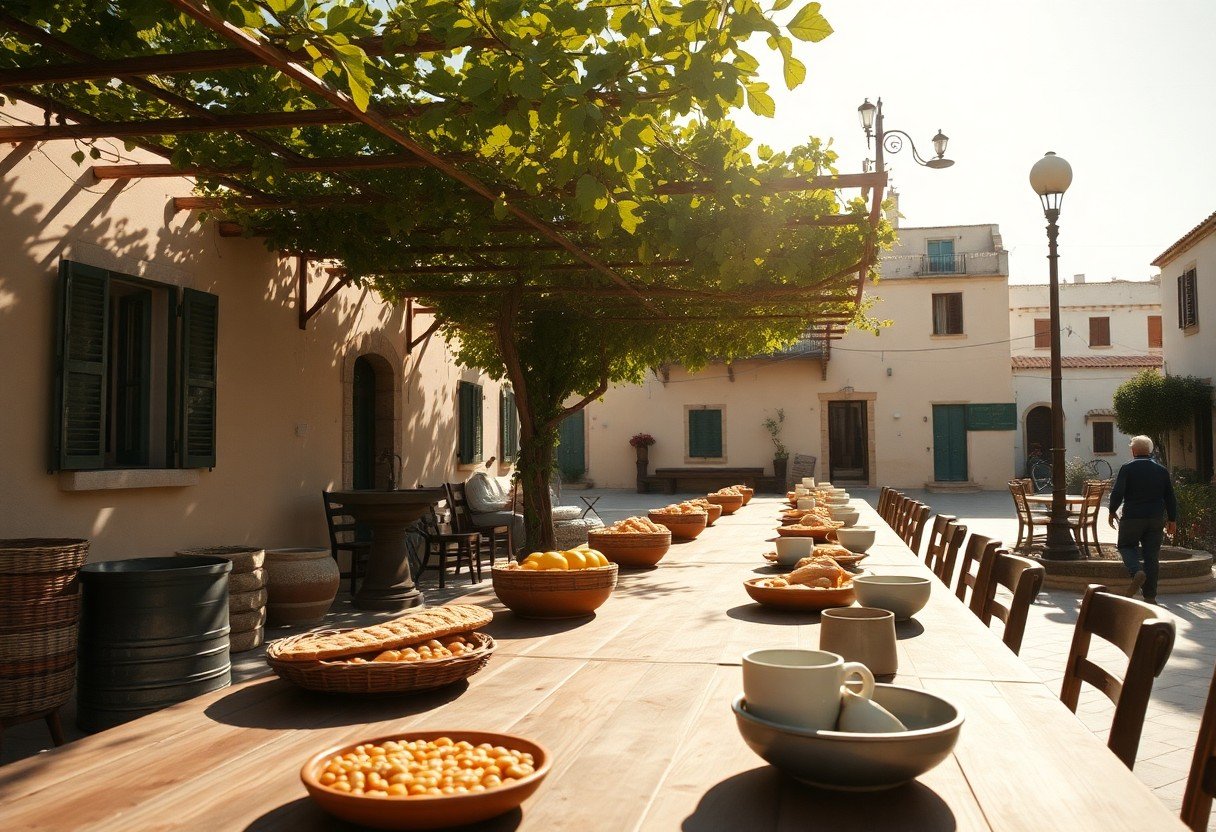
Just by adopting Blue Zones principles you can significantly extend your healthy years: focus on plant-forward diets and daily natural movement, cultivate tight social networks and purposeful routines, and reduce chronic stress and ultra-processed foods that drive disease; these simple, sustainable habits give you actionable, science-backed ways to reshape your lifestyle for longer, healthier life.
Over decades of research, Blue Zones show you how modest daily habits – a plant-forward diet, consistent low-intensity movement and close social ties – dramatically extend healthy lifespan; if you ignore chronic stress, social isolation and ultra-processed foods you raise your disease risk, while embracing community rituals and a clear sense of purpose yields measurable longevity gains you can adopt now.
Key Takeaways:
- Plant-forward eating: mostly vegetables, legumes, whole grains and nuts, with fewer processed foods and moderate calories.
- Daily natural movement and a clear sense of purpose: regular low-intensity activity plus meaningful goals support long-term health.
- Strong social ties and community rituals: family-first living, consistent social interaction, and stress-reducing routines foster resilience and longevity.
Key Takeaways:
- Adopt a plant-forward diet centered on vegetables, legumes, whole grains, and minimal processed foods and meat to lower chronic-disease risk.
- Cultivate strong social ties and a clear sense of purpose through family, community, and meaningful daily roles to support mental and physical resilience.
- Build natural movement and low-stress routines into daily life-walkable environments, gardening, regular light activity, moderate alcohol with meals, and restorative rest-to sustain vitality.
Understanding Blue Zones
Definition and Characteristics
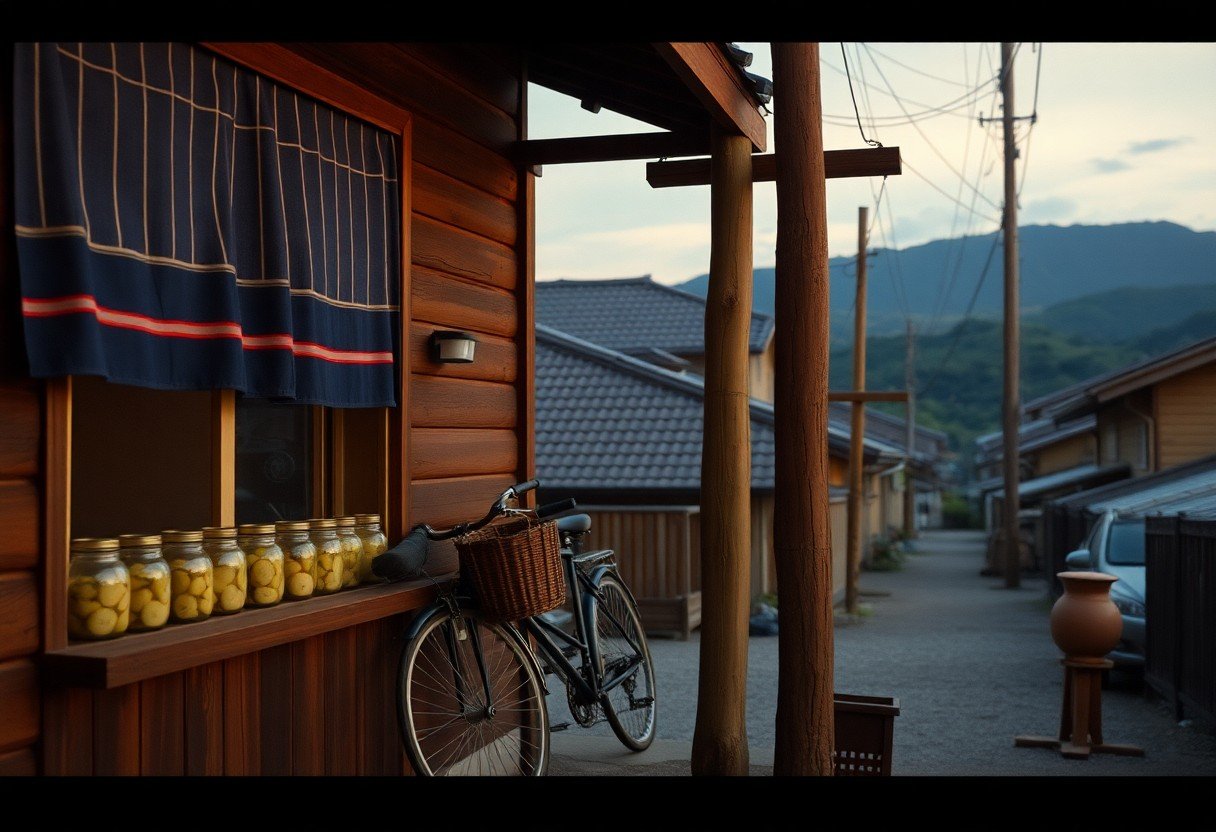
Researchers identified five Blue Zones-Okinawa, Sardinia, Nicoya, Ikaria, and Loma Linda-where people reach 100 at unusually high rates. You see common traits: plant-heavy diets, daily natural movement, strong social networks, very low smoking rates, and clear sense of purpose (ikigai/plan de vida). Sardinia shows one of the highest concentrations of male centenarians, while Adventists in Loma Linda live about 7-10 years longer than the U.S. average, illustrating how lifestyle clusters drive longevity.
The Science Behind Longevity
Studies link Blue Zone lifestyles to lower systemic inflammation, improved insulin sensitivity, healthier lipid profiles, and reduced blood pressure, all of which cut chronic disease risk. You benefit from a gut rich in fiber-fermenting microbes that produce short-chain fatty acids, helping metabolic health. Cohort data show lifestyle patterns, not just genes, explain much of the survival advantage-so the biochemical signature of longevity is modifiable through diet, movement, sleep, and social integration.
On a molecular level, you influence telomere attrition and gene expression through sustained low-calorie, nutrient-dense eating and movement; studies link these behaviors to lower IL-6 and CRP and better mitochondrial function. The PREDIMED trial showed a Mediterranean-style diet cut major cardiovascular events by roughly 30%, offering a concrete model you can emulate. While genetics set baseline risk, epigenetic and microbiome shifts driven by daily habits produce measurable gains in lifespan and healthspan.
Understanding Blue Zones
Definition and Locations
You can pinpoint five Blue Zones: Okinawa (Japan), Sardinia (Italy-Ogliastra), Nicoya Peninsula (Costa Rica), Ikaria (Greece), and Loma Linda (California). Research shows Loma Linda’s Seventh‑day Adventists live about 7-10 years longer than typical Americans; Sardinia reports a high proportion of male centenarians, Nicoya has notably low midlife mortality, and Ikaria shows reduced dementia prevalence.
Key Characteristics of Blue Zones
You’ll notice recurring traits: a plant‑forward diet centered on beans and whole grains, daily low‑intensity movement, deep social networks and a sense of purpose (ikigai/moai), faith or communal rituals, moderate alcohol where present, and behavioral rules like Okinawa’s hara hachi bu (stop eating at 80% full); together these associate with lower chronic disease rates.
For example, Okinawan elders form lifelong moai and practice the 80% rule; Sardinian shepherds historically accumulated habitual activity by walking hilly terrain; Nicoyans benefit from hard water and diets that support bone health; Ikarians consume polyphenol‑rich herbal teas and nap; Adventists emphasize vegetarianism and avoid smoking. When you adopt social support, consistent movement, and plant foods, you lower your risk of heart disease and diabetes.
Key Lifestyle Practices of Blue Zones
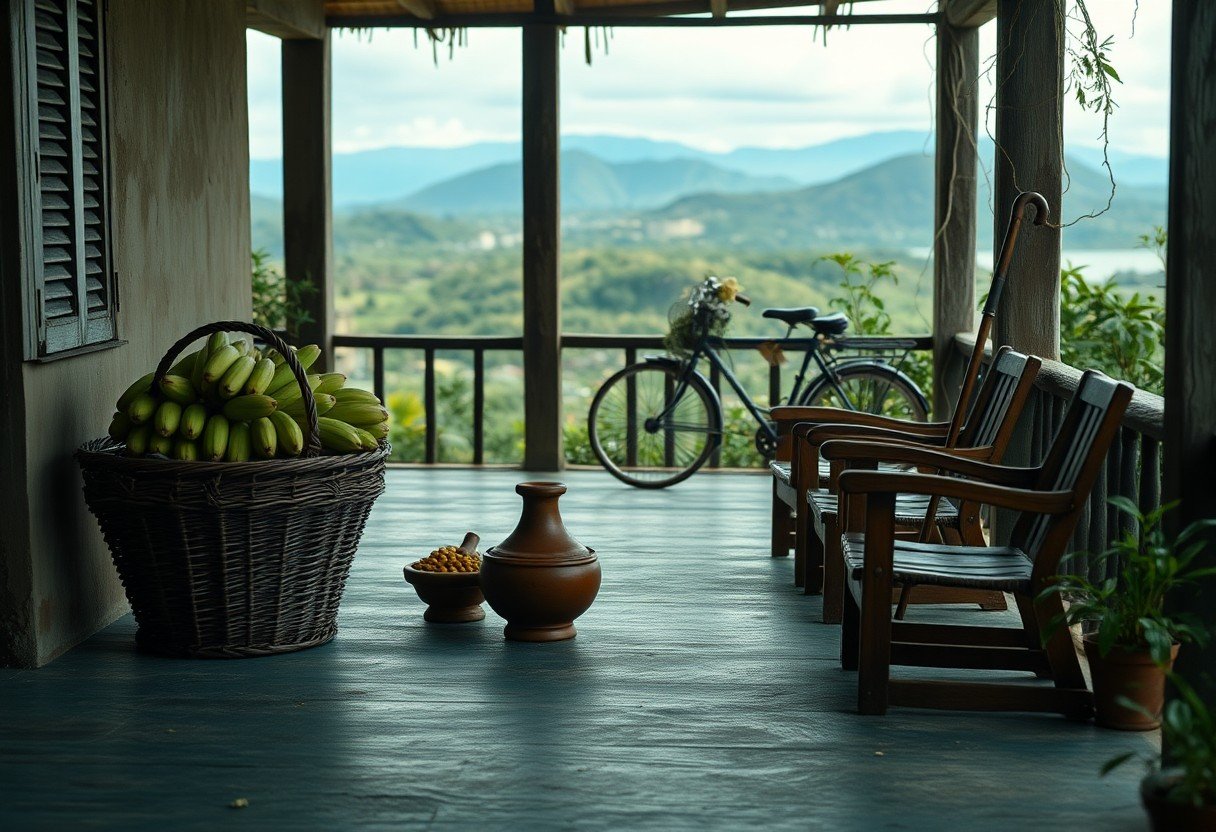
Among the five Blue Zones-Okinawa, Sardinia, Ikaria, Nicoya, Loma Linda-you see repeat patterns: plant-forward diets built on beans and whole grains, natural movement integrated into daily routines, tight-knit social networks, clear life purpose, and simple stress-break rituals like naps or prayer. You can adopt practical rules such as Okinawa’s 80% eating guideline and prioritize community activities while cutting processed foods to lower chronic disease risk.
Plant-based Diets
Blue Zones center meals on legumes, vegetables, and whole grains; Okinawans traditionally ate sweet potato as a staple and Sardinians consume legumes daily. You’ll use meat sparingly-often as a condiment-while beans supply much of the protein. Focus on fiber-rich, minimally processed foods; the Seventh-day Adventist community in Loma Linda, where many follow vegetarian diets, shows life expectancy gains of about 7-10 years compared with U.S. averages.
Regular Physical Activity
Activity in Blue Zones is incidental: walking, gardening and household labor deliver daily movement rather than scheduled workouts. You should aim to weave roughly 30-60 minutes of low-intensity movement through your day-short walks, stair use, or yard work-rather than rely only on occasional gym sessions. Avoid prolonged sitting, since sedentary behavior undermines mobility and metabolic health.
Concrete tactics you can copy include walking meetings, gardening 20-40 minutes daily, taking stairs, parking farther away and carrying groceries to add resistance. Short bursts-ten-minute walks or brief strength tasks-accumulate across the day and improve balance, bone strength and endurance. Treat long, uninterrupted sitting as a high-risk habit and interrupt it every 30-60 minutes to mirror Blue Zones’ functional movement patterns.
The Role of Diet
Diet in Blue Zones centers on plants, legumes and minimal animal products; many centenarians eat beans several times weekly and 4-5 servings of vegetables daily. You benefit from high fiber, low saturated fat, and antioxidant-rich foods that correlate with lower rates of heart disease and type 2 diabetes. For practical habits and case studies see the 9 longevity practices: Secrets from the blue zones.
Plant-Based Eating
You should make plants the default: beans, lentils, whole grains and leafy greens form the bulk of calories in Blue Zones. Okinawans relied on sweet potato and soy; Sardinians favor fava and barley. Emphasize unsaturated fats from olive oil, nuts and seeds, and avoid ultra-processed foods-that shift reduces inflammation and improves metabolic markers within months.
Traditional Foods
Traditional diets rely on local staples-wild greens in Ikaria, sourdough in Sardinia, corn and beans in Nicoya-preserving nutrients and supporting gut diversity. You gain micronutrients and probiotic exposure from fermented staples like yogurt and pickled vegetables, which many Blue Zone communities consume regularly.
Adopt their methods by adding a half-cup of beans at least 3 times weekly, a small daily portion of fermented vegetables, and swapping refined bread for sourdough or whole grains. Seasonal, minimally processed foods concentrate nutrients; you can replicate this with winter squash or spring greens. These swaps boost fiber, raise short-chain fatty acids in your gut, and are linked to measurable improvements in lipid profiles within months.
Social Connections and Community
Importance of Family
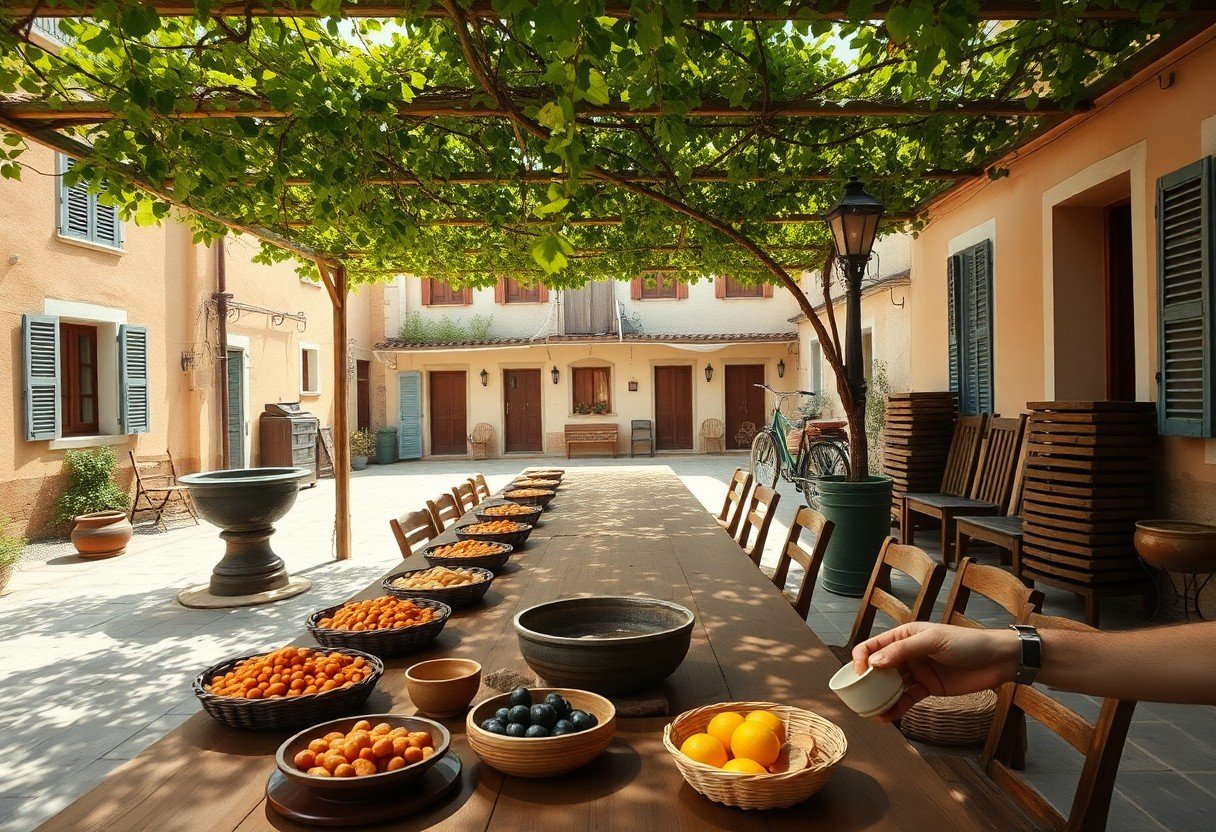
You gain resilience when family keeps you engaged: in Okinawa elders live with or near offspring and maintain daily social roles, and Sardinian households often span three generations, keeping care and purpose in the home. Large meta-analyses link close social embedding to roughly a 50% higher likelihood of survival, so prioritize family meals, shared chores and intergenerational responsibilities to mirror Blue Zone protective patterns.
Building Strong Relationships
You should cultivate small, stable friendship circles-the Okinawan moai of 5-10 people provides emotional and financial support across decades. Research finds people with strong social ties have about a 50% greater likelihood of survival than isolated peers. Join a weekly group, volunteer 2-4 hours per week, or commit to a monthly dinner to keep ties active; predictable, frequent contact is what sustains the benefit.
Schedule recurring gatherings, mix generations, and replace passive screen time with face-to-face contact; Blue Zones feature daily communal meals and weekly civic or religious meetings-Ikaria residents meet in cafés and Sardinian men socialize in village squares. Aim for 3-5 close confidants plus a broader circle of 10-15 acquaintances, and track contact frequency (weekly or biweekly) to maintain the protective network that lowers stress and inflammation over time.
Importance of Physical Activity
You absorb movement through daily life in Blue Zones-gardening, walking to errands, carrying groceries-so your body accumulates activity without formal workouts; the WHO recommends 150-300 minutes of moderate activity weekly, and these incidental behaviors often meet that. Studies show prolonged sitting raises mortality risk, so you should favor standing, stair-climbing, and active chores that keep your heart rate up for short bursts throughout the day.
Natural Movement
Your best strategy is to prioritize varied, functional movement: walking hills, squatting to tend a garden, lifting moderate loads, and using stairs. Targeting 7,000+ steps a day or several 10-20 minute active bouts preserves mobility and balance; practical examples from Sardinia and Okinawa-daily gardening and hill walking-translate into better strength and fewer fall-related injuries as you age.
Community Engagement
You gain longevity benefits when physical activity is social: Okinawa’s moai groups (3-10 people), Loma Linda church networks, and Nicoya’s family ties turn movement into shared rituals. A meta-analysis links strong social ties to about a 50% higher likelihood of survival, while isolation increases health risks-so your relationships directly influence how active and healthy you remain.
You can replicate Blue Zone social structures by forming a weekly group-start a moai of 4-6 friends who commit to a shared habit (30-60 minute walks, communal gardening, or cooking healthy meals). Meet consistently, rotate responsibilities, and set small metrics (steps, minutes active, number of shared meals); this social accountability substantially boosts adherence, lowers stress and blood pressure, and makes sustained activity more likely than going it alone.
Mental Well-being and Purpose
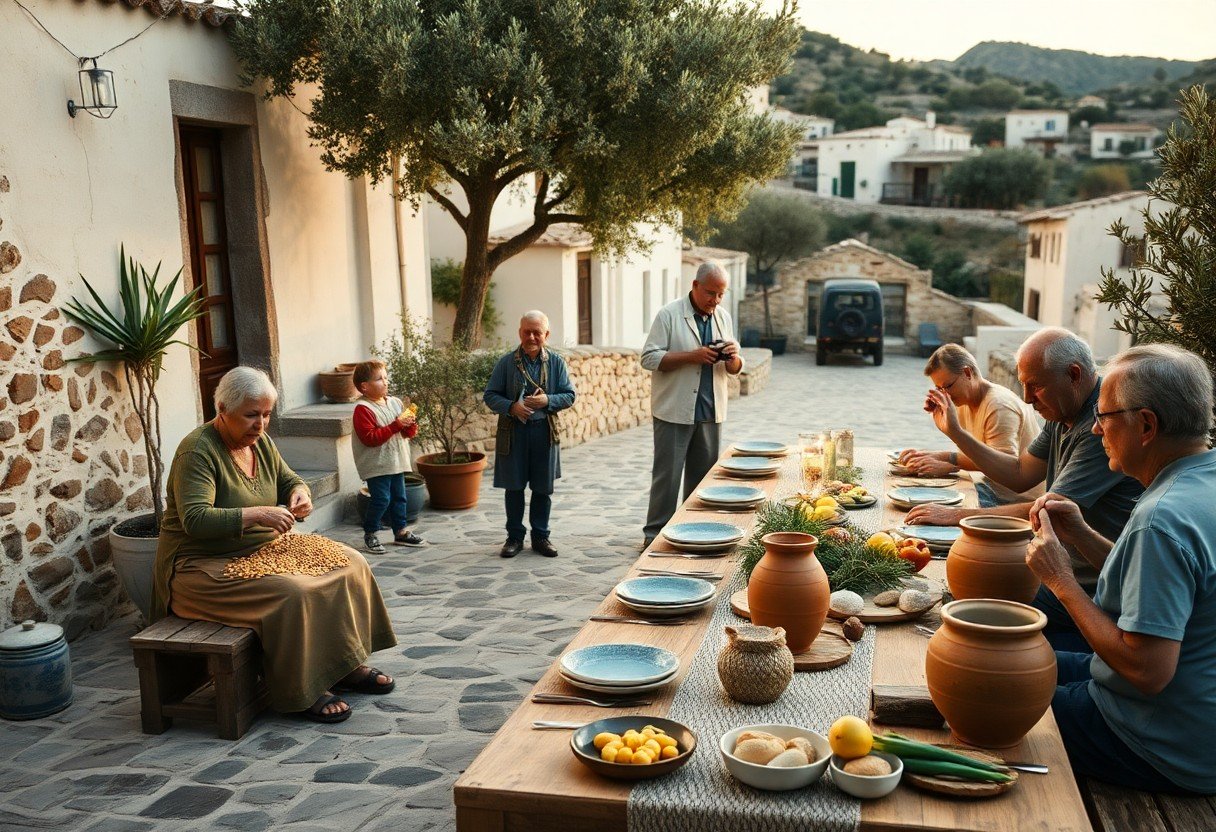
In Blue Zones, a deep sense of purpose and tight social networks correspond with longer, healthier lives; the review Blue Zones: Lessons From the World’s Longest Lived – PMC summarizes how community, low stress, and daily meaningful routines appear in Okinawa, Sardinia, Nicoya and Ikaria. You can mimic these patterns by prioritizing relationships, predictable rituals, and small goals that add years to healthspan.
Finding Your Ikigai
You identify ikigai where what you love, what you’re good at, and what the world needs intersect; try listing four items-passion, skill, contribution, income-to find overlaps. Okinawan elders often have micro-goals (gardening, mentoring) that keep them active into their 90s. Embrace daily, manageable purpose-even 15 minutes of focused activity can boost mood and social connection.
Stress Reduction Techniques
Adopt brief, evidence-backed practices: 5-10 minutes of diaphragmatic breathing, 20-30 minutes of walking, social time with friends, and regular naps as in Nicoya; because chronic stress accelerates cellular aging and raises cardiovascular risk, reducing cortisol spikes matters for longevity. You should make these low-effort habits part of your daily routine.
Combine practical tools: try box breathing (4-4-4-4) for 3-5 minutes to calm your heart rate, progressive muscle relaxation before bed to improve sleep, or gentle tai chi twice weekly to lower anxiety. Aim for 30 minutes of daily movement and at least one weekly technology-free social ritual; in Blue Zones people replace screen time with conversation, which measurably lowers stress and strengthens resilience.
Social Connections and Community
Across Blue Zones, tight-knit networks-like Okinawa’s moai groups and Sardinia’s daily village gatherings-directly support longevity; a major meta-analysis found strong social ties linked to about a 50% higher chance of survival over time, while isolation raises mortality risk similar to smoking 15 cigarettes a day. You benefit when social rituals lower stress, share resources, and reinforce healthy habits, so embedding social structure into daily life pays measurable dividends.
Family Ties
Multigenerational living and frequent family meals are common in Blue Zones: elders often live with or near children, providing childcare and receiving daily social support, which boosts purpose and mental health. You gain resilience from routines like shared evening meals and caregiving roles; studies link intergenerational contact with lower depression and better adherence to healthy diets, making family integration a potent longevity factor.
Friendships and Social Networks
Small, stable friendship circles-Okinawa’s moai of roughly five people or Sardinian mens’ café groups-offer emotional buffering and practical support that reduce stress and inflammation markers like CRP. You should note that consistent, in-person interactions correlate with better cardiovascular and cognitive outcomes, so cultivating a few close, active friendships matters more than many casual contacts.
To strengthen your network, create a committed group of 4-7 people who meet weekly, volunteer together, or form a regular mealtime ritual; Blue Zones initiatives show community programs that facilitate such ties increase healthy years lived. You enhance longevity by prioritizing regular, face-to-face connection, limiting social isolation, and turning acquaintances into dependable allies.
Sleep and Rest Patterns
The Role of Sleep in Longevity
You should aim for about 7-8 hours nightly; populations in Blue Zones maintain consistent sleep and show lower chronic disease rates. Studies link less than 6 hours to higher risk of cardiovascular disease, diabetes, and mortality, while communities like Loma Linda-where weekly rest is observed-experience up to a decade-long life advantage compared with national averages.
Daily Rest Practices
You can adopt short daytime rests common in Ikaria or Sardinia: a 20-30 minute nap after midday reduces fatigue without disrupting nighttime sleep. Many centenarians also follow predictable rhythms-early-to-bed, early-to-rise-and avoid heavy evening meals to protect sleep quality.
In practice, schedule a post-lunch nap window, keep your bedroom cool and dark (around 60-67°F), and enforce a screen-free wind-down for 30-60 minutes. Emulate Blue Zone rituals: consistent bedtimes, light exposure aligned with sunrise/sunset, and a weekly longer rest period to lower stress and sustain metabolic health.
Mental Well-Being
Blue Zones pair tight social structures and daily rituals that keep cognition sharp: Loma Linda Adventists average about 10 years longer lifespan, and Ikaria reports notably low dementia rates. You should prioritize the same mix of social ties, purposeful activity, and gentle movement to lower stress hormones and protect cardiovascular health; sustained high stress is linked to a higher risk of heart disease and accelerated aging, so your mental habits matter as much as your diet.
Purpose and Meaning
Okinawa’s ikigai and Nicoya’s “plan de vida” show you how a clear role can extend life: many centenarians keep small daily tasks-gardening, mentoring, faith duties-that structure days and reduce isolation. You can emulate this by volunteering an hour or two weekly, mentoring younger people, or naming one small daily mission; those routines strengthen social bonds and are tied to measurable reductions in mortality among longitudinal studies of older adults.
Stress Reduction Practices
Short, regular practices dominate in Blue Zones. Ikarian adults take 20-30 minute naps. Daily 30-minute walks are common across all regions. Okinawan friends form moai groups of about 4-6 people for lifelong social support. Sardinians incorporate gentle movement like tai chi into their routines.
These practices lower cortisol and improve sleep quality. They also buffer against depression risk. Combining movement, social time, and short restorative rests creates powerful protection. Neglecting stress control raises your cardiovascular and cognitive risk.
Put this into action with simple daily practices. Schedule a 20-minute nap or quiet pause after lunch each day. Join a weekly small social group for consistent connection. Do 30 minutes of walking or tai chi on most days.
Randomized trials show these practices deliver real benefits. Mindfulness and mindful movement reduce anxiety and improve sleep quality. Social support also predicts lower inflammation levels.
Aim for simple, repeatable rituals. Practice five minutes of breathing three times daily. Attend one weekly meet-up with friends or neighbors. Complete gentle exercise at least twice a week. These small habits create the same protective pattern seen in Blue Zones.
Lessons for Americans
Integrating Blue Zone Practices
Start by adding legumes to at least one meal daily and treating meat as a condiment rather than the centerpiece. Adopt the Okinawan practice of hara hachi bu-eating to about 80% full-and aim for 5+ servings of vegetables and whole grains each day. Build 30-60 minutes of low‑intensity movement into routines-walking, gardening, stairs-and prioritize regular, face‑to‑face social time; Blue Zone centenarians combine these patterns, not extremes, to extend healthy years.
Overcoming Cultural Barriers
Americans face strong structural barriers to healthy living. We spend about 90% of our time indoors. Fewer than 1 in 10 adults meet federal fruit and vegetable recommendations. Only about 23% meet both aerobic and strength activity guidelines.
Break these patterns by changing your immediate environment. Prep legumes on Sundays for easy weekday meals. Turn lunches into walking meetings with colleagues. Prioritize three family dinners per week for social connection. Push for community gardens or safer sidewalks in your neighborhood.
These small shifts make Blue Zone habits automatic rather than optional.
Policy and cultural models show what’s possible. The Seventh-day Adventist community in Loma Linda averages about 10 extra years of life. A Greek study also found midday naps linked to 37% lower coronary mortality.
You can replicate these benefits through simple practices. Schedule a 20-30 minute daily quiet break. Map out safe 1-2 mile walking loops near your home or work. Form weekly faith-based or hobby groups that include communal meals and regular movement. These structures lock in healthy habits through social connection.
Lessons for Americans
You can borrow clear lessons from Okinawa, Sardinia, Ikaria and Nicoya where people live on average 10+ years longer; adopting their habits-plant-forward diets, daily natural movement, and tight social networks-lowers heart disease and dementia risk. Start by swapping one processed meal for beans or whole grains, aim for 30 minutes of movement spread through the day, and build weekly social rituals to mirror the community support that fuels longevity.
Adapting Blue Zone Practices
Begin with specific, scalable changes: replace two meals weekly with legumes and whole grains, walk or bike for at least 30 minutes daily, and host a weekly neighbor dinner to strengthen bonds. Use portion control-eat until 80% full-and prioritize vegetables (five servings a day) and beans (2-3 servings). Small policy shifts like healthier vending options at work or schools amplify individual choices and make the environment work for you.
Overcoming Modern Challenges
Urban design and long work hours contribute to rising obesity. An environment saturated with processed foods also plays a major role. About 42% of U.S. adults now face obesity and increased chronic disease risk.
You must counteract this with deliberate structure. Schedule regular movement breaks throughout your day. Limit access to processed snacks at home and work. Create social accountability through family dinners or walking groups. These steps help reduce sedentary time. They also improve sleep, which often falls below the recommended seven hours for many Americans.
Practical tactics include batch-cooking beans twice weekly. Replace one commute with a 20-minute walk three times a week. Set a firm electronic curfew 60 minutes before bed to boost sleep quality.
Advocate locally for safer crosswalks and more greenspace. Blue Zones Project towns saw measurable behavior shifts after such changes. Track progress with weekly goals so you can sustain gains against modern temptations.
Final Words
Adopt small, sustainable habits from the Blue Zones to extend your healthy years. Move naturally throughout each day. Eat plant-forward meals with whole foods. Nurture close social ties and find a clear sense of purpose. Manage stress with daily rituals.
Reshape your daily routines around these principles. Prioritize community and meaningful connections. Align your lifestyle with proven longevity patterns. This approach increases your odds of living longer with more vitality. These changes are practical, adaptable, and within your reach.
Final Words
Adopt Blue Zones practices to improve your healthspan. Focus on plant-forward eating, regular natural movement, and strong social bonds. Cultivate a sense of purpose and daily stress-reduction rituals.
Prioritize whole foods and routine activity. Build meaningful community ties and consistent daily habits. Small, sustainable changes in your environment and routines will stack over time. This approach helps you live longer and feel better without extreme diets or passing fads.
FAQ
Q: What are Blue Zones and what common lifestyle patterns contribute to long, healthy lives there?
A: Blue Zones are regions where people live markedly longer, healthier lives. Examples include Okinawa in Japan, Sardinia in Italy, Nicoya in Costa Rica, Ikaria in Greece, and Loma Linda in California.
Common patterns emerge across these communities. Diets are predominantly plant-forward, centered on legumes, whole grains, vegetables, and nuts. Low-intensity physical activity is woven into daily life. Strong family and social networks provide consistent support. Residents maintain a clear sense of purpose. Some communities include moderate alcohol intake. Smoking is limited. Environments make healthy choices the easy default.
These combined factors, rather than any single habit, produce cumulative benefits. They improve metabolic health, lower cardiovascular risk, and build resilience against age-related decline.
Q: How should Americans adapt their diets based on Blue Zones findings?
A: Emphasize a plant-forward plate. Make beans, lentils, vegetables, fruit, whole grains, and nuts your daily staples. Treat meat as an occasional accompaniment rather than the centerpiece. Prioritize minimally processed foods and cook at home more often. Use healthy fats like olive oil and small amounts of fatty fish where culturally appropriate.
Practice portion control techniques. Use smaller plates and stop eating before full satiety. Limit sugary drinks and highly processed snacks.
Focus on gradual, sustainable changes. Add a bean-based meal twice a week. Swap refined grains for whole grains. Replace soda with water. These steps are more adoptable and maintainable than extreme diets.
Q: What types of physical activity matter most in Blue Zones, and how can busy Americans incorporate them?
A: The key is consistent, moderate-intensity movement integrated into everyday routines: walking, gardening, household chores, manual tasks, and taking stairs. These communities rarely rely on structured gym time; instead they build movement into life. Americans can emulate this by walking or biking for short trips, using standing or walking breaks during work, gardening, choosing stairs, parking farther away, and doing home repairs or active hobbies. Aim for frequent movement throughout the day rather than one isolated workout, and prioritize activities you enjoy so they become habitual.
Q: How do social connections and a sense of purpose affect longevity, and what practical steps can someone take?
A: Strong social bonds and family cohesion are consistently linked to lower stress and better mental health. A clear sense of purpose, known as ikigai or similar concepts, also contributes to a longer life.
Practical steps include nurturing close family ties and joining local clubs or faith groups. Fostering intergenerational relationships and volunteering build meaningful connections. Identifying daily roles that matter, such as work, caregiving, mentorship, or creative projects, reinforces purpose.
Creating regular social rituals strengthens belonging. Shared meals, weekly walks with friends, and community gatherings offer emotional support. These practices buffer against isolation and chronic stress.
Q: What community and policy changes can help Americans scale Blue Zones habits across cities and neighborhoods?
A: Effective measures include designing walkable neighborhoods and safe active-transport infrastructure. Increasing access to affordable fresh produce through farmers’ markets and incentives also helps. Schools and workplaces should adopt policies that promote healthy meals and movement breaks. Community centers that foster social engagement provide additional support.
Policies that reduce marketing and availability of highly processed foods are important. Expanding parks and green spaces encourages physical activity. Incentives for local food economies shift community norms.
Public health campaigns should frame changes as community-focused and practical. Shared gardens, block social events, and employer wellness culture make healthy choices the default. These approaches ensure choices are both accessible and socially reinforced.