
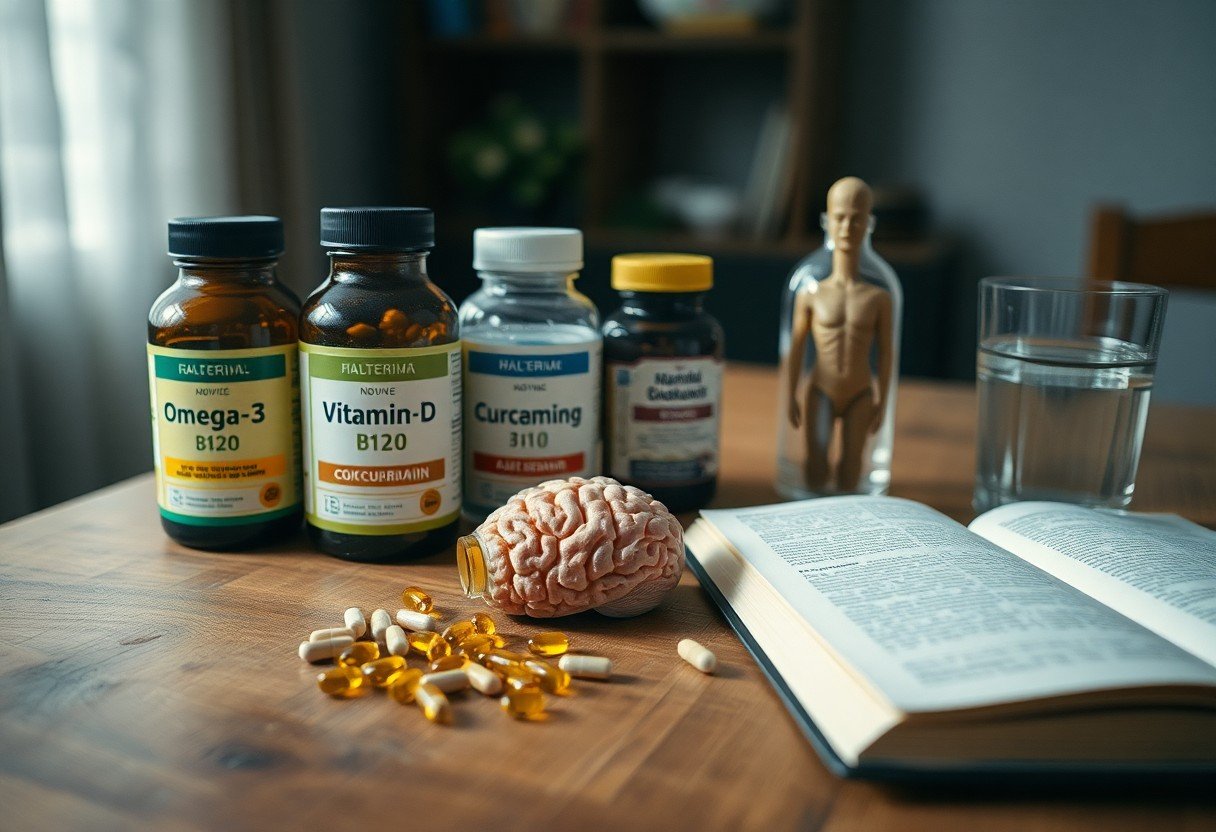
Most adults can support healthy aging and cognition by choosing targeted supplements; when you prioritize Omega-3 (EPA/DHA) for memory and mood, vitamin B12 to prevent deficiency that can cause irreversible cognitive decline, and vitamin D and antioxidants to reduce inflammation, you improve brain resilience. Balance doses, favor evidence-backed formulations, and be aware that supplements can interact with medications or be harmful in high doses, so consult your healthcare provider to tailor choices to your risks and goals.
Key Takeaways:
- Omega-3 fatty acids (EPA/DHA): support neuronal membrane integrity and reduce neuroinflammation, linked to better cognitive aging.
- B vitamins (B6, folate, B12) and vitamin D: support homocysteine metabolism and neurochemical function; deficiencies are associated with cognitive decline.
- Antioxidants and mitochondrial support (CoQ10, curcumin, vitamin E, polyphenols): reduce oxidative stress and support cellular energy for healthy brain aging.
Key Nutrients for Healthy Aging
You should prioritize a mix of vitamins, minerals and macronutrients that directly affect cell maintenance and cognition: aim for vitamin D 800-1,000 IU/day for bone and brain support, vitamin B12 2.4 µg/day to prevent neuropathy, and protein 1.0-1.2 g/kg/day to preserve muscle mass; antioxidants and omega-3s complete the profile by reducing oxidative stress and inflammation linked to age-related decline.
Antioxidants
You can boost antioxidant intake through foods rich in flavonoids and carotenoids-think blueberries, leafy greens, green tea and dark chocolate. Clinical guidelines list vitamin C (75-90 mg/day) and vitamin E (15 mg/day) as standard intakes; cohort studies associate higher dietary polyphenols with slower cognitive decline. Avoid high-dose supplements, since vitamin E >400 IU/day has been linked to increased mortality in meta-analyses.
Omega-3 Fatty Acids
You want EPA and DHA for synaptic health and anti-inflammatory effects-most authorities recommend about 250-500 mg/day combined EPA+DHA for general adult health. Fatty fish (salmon, mackerel) and algae oils are top sources, and trials link omega-3s to improved memory and processing speed in older adults. Be aware that doses above 3 g/day can increase bleeding risk, especially with anticoagulant drugs.
Diving deeper, DHA is the predominant structural fatty acid in gray matter while EPA mainly modulates inflammation; RCTs using 500-2,000 mg combined EPA+DHA over 6-12 months report benefits in mild cognitive impairment but mixed results in established dementia. You should choose supplements that are third-party tested for purity (look for USP, NSF, or IFOS) and prefer triglyceride or re-esterified forms for better absorption. Also consult your clinician if you take blood thinners or plan to exceed 1-2 g/day.
Supplements for Cognitive Function
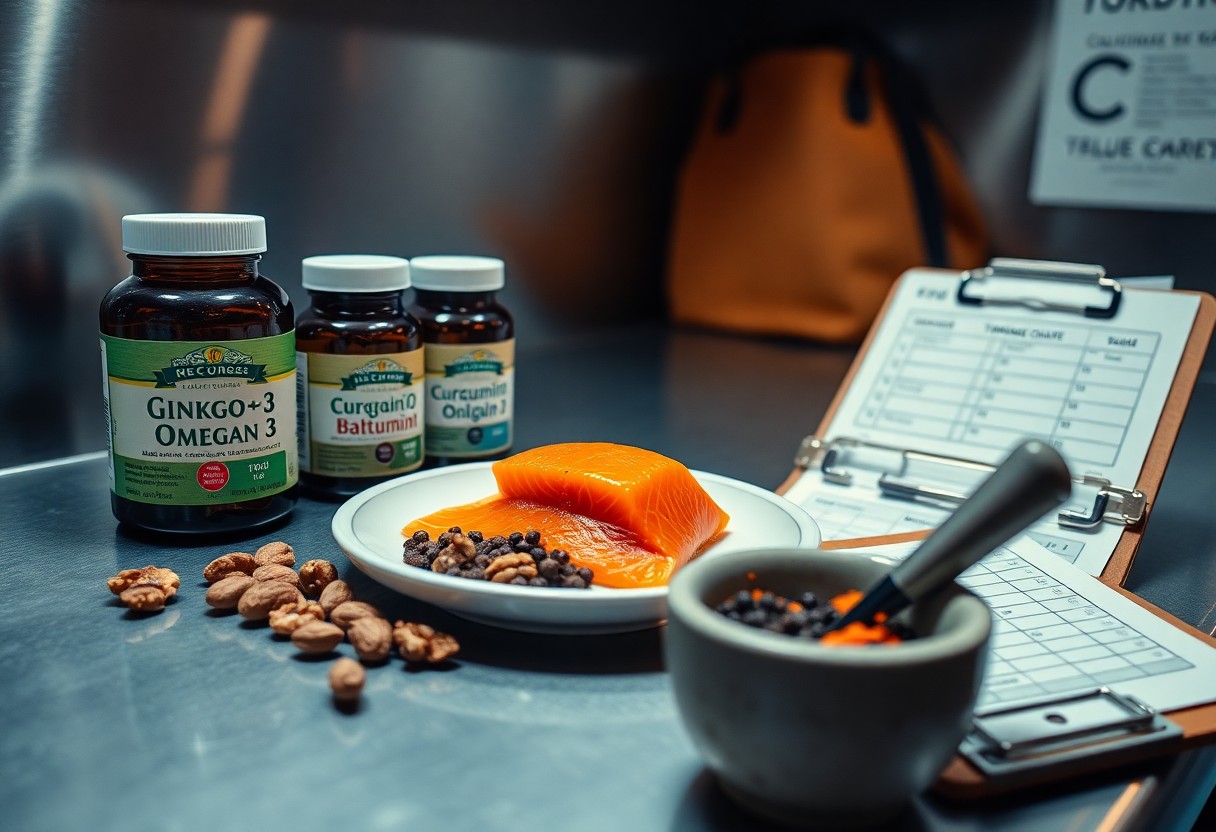
You can improve attention, memory, and processing speed with targeted supplements; for a detailed review see Improving Cognitive Function with Nutritional Supplements in Older Adults. Clinical trials show small-to-moderate benefits for specific nutrients, often requiring at least 8-12 weeks and standardized extracts. Prioritize products with third-party testing and watch for interactions with anticoagulants.
Ginkgo Biloba
You should consider standardized Ginkgo biloba extract (EGb 761) at typical doses of 120-240 mg/day; randomized trials report modest improvements in attention and memory in older adults. Use for a minimum of 12 weeks to judge benefit. Monitor for increased bleeding risk if you take aspirin, warfarin, or other antiplatelets, and expect mild gastrointestinal upset or headache in a minority of users.
Phosphatidylserine
You can use phosphatidylserine (PS) at common doses of 100-300 mg/day; studies indicate improved memory, learning, and processing speed in age-related decline. Effects typically appear after 6-12 weeks and are more consistent with soy- or sunflower-derived PS. Tolerability is good, though watch for mild GI symptoms and potential interactions with blood thinners.
Mechanistically, PS supports neuronal membrane fluidity and cholinergic signaling, which enhances synaptic function and memory consolidation; clinical trials using 300 mg/day reported measurable cognitive gains versus placebo. Choose non-bovine sources to avoid prion concerns and select products with purity verification; if you have bleeding disorders or take anticoagulants, consult your clinician because PS can affect platelet function.
Vitamins and Minerals Essential for Aging
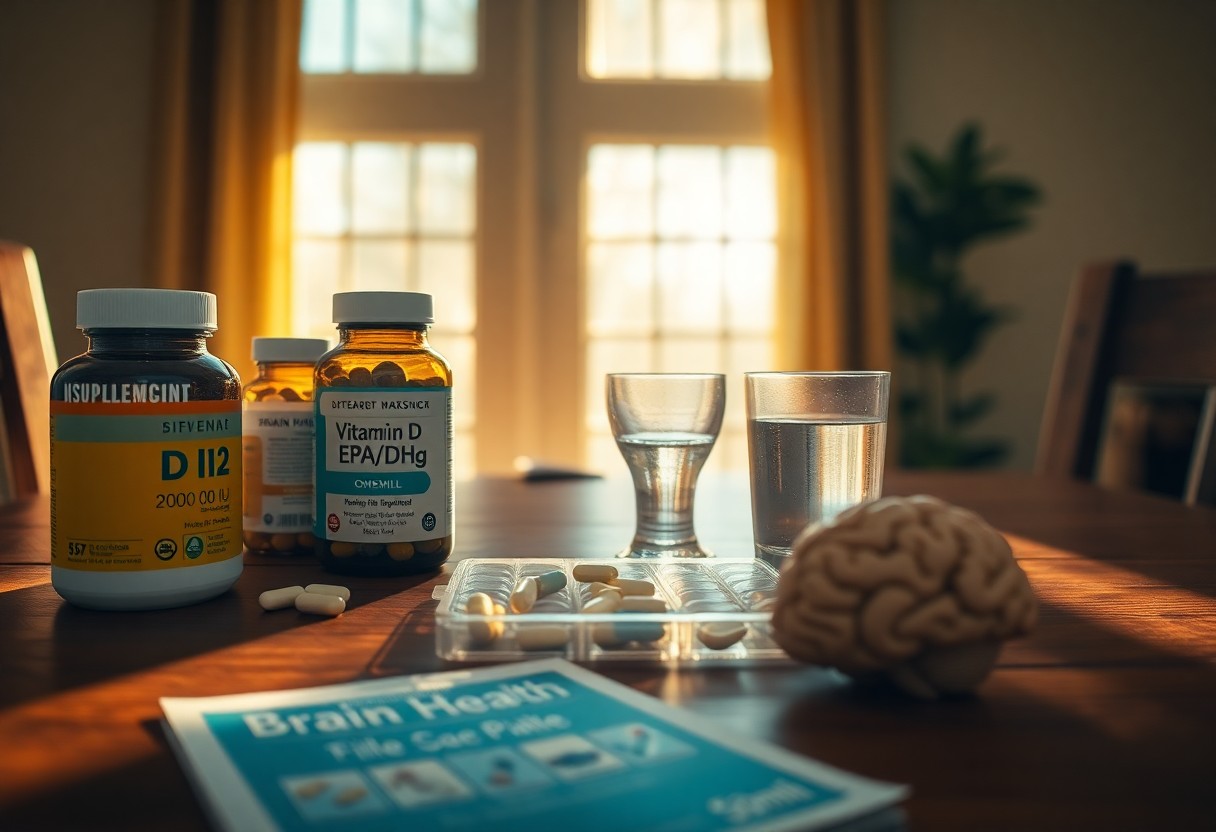
Focus on nutrients with strong links to cognition and mobility: vitamin B12 (absorption declines with age; about 10-20% of adults 60+ show deficiency), vitamin D (target serum 25(OH)D of 30-50 ng/mL), calcium (≈1,200 mg/day), magnesium (men ≈420 mg/day, women ≈320 mg/day), and zinc. Clinical evidence ties B12 and vitamin D deficits to cognitive decline and falls, so you should test levels and correct deficiencies to evidence-based targets rather than guessing.
Vitamin D
Older adults often have 25(OH)D <30 ng/mL; aiming for 30-50 ng/mL is associated with better bone density and lower fall risk. Supplementing 800-1,000 IU/day reduces fracture risk in many trials, and observational studies link low vitamin D to worse cognition. If you have limited sun exposure, darker skin, or obesity, get a 25(OH)D test and work with your clinician to correct deficiency-short-term higher dosing may be needed to replete stores.
Magnesium
Magnesium supports neuronal signaling, muscle function, and sleep; recommended intakes are about 420 mg/day for men and 320 mg/day for women over 31. Your deficiency risk rises with diuretics, PPIs, poor diet, or chronic alcoholism; common signs include muscle cramps, arrhythmias, and insomnia. You’ll absorb magnesium from leafy greens, nuts, and whole grains, and when supplementing, forms like magnesium glycinate or citrate tend to be better tolerated than oxide.
For practical use, choose forms based on goals: glycinate for sleep/anxiety, citrate for constipation, while oxide has poor bioavailability. Clinical trials using ~300-500 mg/day reported improvements in sleep quality and blood pressure. Start lower and titrate; keep supplemental elemental magnesium ≤350 mg/day to avoid diarrhea, and avoid unsupervised supplementation if you have renal impairment due to risk of toxicity and hypotension.

Herbal Remedies for Brain Health
You can target stress-related cognitive decline with adaptogens backed by clinical data: ashwagandha and Rhodiola rosea both show measurable effects-trials using ashwagandha at 300-600 mg/day lowered cortisol and perceived stress, while Rhodiola at 200-600 mg/day reduced mental fatigue and improved attention in fatigued or shift-working adults; be aware of herb‑drug interactions and safety flags like avoiding ashwagandha in pregnancy.
Ashwagandha
You may benefit from standardized ashwagandha root extract (commonly 300-600 mg/day): randomized studies report reductions in cortisol and perceived stress and modest gains in memory or reaction time in older adults; watch for increased sedation and interactions with thyroid drugs, sedatives, or immunosuppressants, and avoid if you’re pregnant; choose tested extracts (Withania somnifera, root-only, standardized) and consult your clinician on dosing.
Rhodiola Rosea
You can use Rhodiola rosea standardized to rosavins/salidroside (typical 200-600 mg/day) to counteract mental fatigue and sharpen focus-clinical trials in fatigued adults and shift workers report faster reaction times and better sustained attention after 1-4 weeks; common side effects are insomnia or jitteriness at higher doses, and combining Rhodiola with antidepressants or stimulants may increase risks.
You should start low (100-200 mg/day) and titrate to effect since benefits often appear within 1-2 weeks; many trials showing cognitive benefit used 200-400 mg/day while fatigue protocols went up to 600 mg/day, and extracts standardized to ~3% rosavins/1% salidroside perform most consistently; verify third‑party testing for contaminants and avoid Rhodiola if you have bipolar disorder or take MAOIs/strong stimulants without medical clearance.
Lifestyle Factors Influencing Aging and Brain Health
You should prioritize modifiable behaviors-diet, exercise, sleep, stress management, and social engagement-because each directly affects inflammation, vascular health, and neuroplasticity; for example, good sleep lowers amyloid accumulation and good social ties reduce dementia risk by ~20%. Randomized and cohort studies link these factors to measurable differences in brain volume and cognition. After integrating targeted lifestyle changes you amplify supplement benefits and slow functional decline.
- Diet
- Exercise
- Sleep
- Stress management
- Social engagement
Diet
Adopt a MIND/Mediterranean-style pattern: leafy greens daily, berries several times weekly, and fatty fish twice weekly to supply DHA and EPA; cohort data show high adherence can lower Alzheimer’s risk by up to 53%. Limit processed sugars and trans fats because high sugar intake worsens inflammation and insulin resistance. You can boost intake with nuts, legumes, olive oil, and colorful vegetables to support cognition and metabolic health.
Exercise
Target at least 150 minutes/week of moderate aerobic activity plus two sessions of resistance training; trials show 6-12 months of this regimen can increase hippocampal volume (~2%) and improve executive function. Include balance and flexibility work to reduce fall risk and preserve independence. You’ll see cognitive gains faster if you combine aerobic, strength, and coordination exercises.
Structure your week with 30-40 minutes of aerobic work 3-5 times, two 20-30 minute resistance sessions using compound movements at ~60-80% of one-rep max, and one HIIT session (e.g., 4×4 minutes at 85-95% max HR) to spike BDNF and insulin sensitivity; studies show HIIT and resistance together yield larger memory and processing-speed gains than aerobic alone. If you have cardiovascular disease, uncontrolled hypertension, or recent surgery, seek clearance because high-intensity training can be dangerous. Track progress via heart-rate zones, gait speed, and functional tests like timed up-and-go to adjust intensity safely and objectively.
Potential Risks and Considerations
Supplements are not risk-free: quality varies, labels can be inaccurate, and high doses may harm organs or worsen conditions. If you have kidney disease, for example, excess potassium or magnesium supplements can cause life‑threatening imbalances. Contaminants or mislabeled doses have led to liver injury in some turmeric and green tea extracts. Balance potential benefits against these hazards, use third‑party tested brands, and coordinate with your clinician to reduce the chance of adverse events.
Interactions with Medications
Many supplements affect drug metabolism: warfarin is altered by vitamin K, ginkgo, garlic and fish oil, so you need frequent INR checks if you combine them. St. John’s wort induces CYP3A4 and can lower levels of drugs like cyclosporine, some statins and oral contraceptives, while also risking serotonin syndrome with SSRIs. If you take anticoagulants, immunosuppressants, or psychiatric meds, consult your prescriber before adding supplements.
Dosage Guidelines
Typical evidence‑based ranges: vitamin D 800-2,000 IU/day (UL 4,000 IU), omega‑3 (EPA+DHA) 250-1,000 mg/day for general health (doses >3,000 mg/day may increase bleeding), B12 500-1,000 mcg/day orally for older adults or 1,000 mcg IM monthly when deficient, curcumin 500-2,000 mg/day with an absorption enhancer, and ginkgo 120-240 mg/day. Keep in mind high doses of vitamin E (>400 IU/day) have been linked to harm.
Individualize dosing by checking labs: target serum 25(OH)D roughly 30-50 ng/mL, monitor INR with anticoagulants, and reassess triglycerides if using omega‑3 for lipids. Start low and titrate, take fat‑soluble supplements with meals, adjust for renal or hepatic impairment, and use supplements with third‑party verification to ensure the dose you take matches clinical recommendations.
Conclusion
Drawing together, prioritize evidence-backed supplements-omega-3s (EPA/DHA), vitamin D, B vitamins (B6, B9, B12), magnesium, and antioxidants like vitamin E, coQ10 and curcumin-alongside probiotics for gut-brain health. You should view supplements as adjuncts to a nutrient-rich diet, regular exercise, quality sleep and medical guidance; tailored choices and appropriate dosing help preserve cognitive function and support healthy aging.
FAQ
Q: Which supplements have the strongest evidence for supporting healthy aging and brain function?
A: Omega‑3 fatty acids (EPA + DHA), B vitamins (B6, folate/B9, B12), vitamin D, and certain mitochondrial/antioxidant agents (CoQ10, alpha‑lipoic acid) have the best clinical support for cognitive health or age‑related metabolic support. Omega‑3s are associated with better brain structure and slower cognitive decline in some trials; B vitamins reduce homocysteine, which is linked to cognitive risk when elevated; vitamin D deficiency correlates with poorer cognition in observational studies; CoQ10 and alpha‑lipoic acid support cellular energy and oxidative stress. Typical supplemental ranges used in studies: omega‑3 combined EPA+DHA 1,000-2,000 mg/day; vitamin D3 1,000-2,000 IU/day (adjust to blood levels); B12 (methylcobalamin) 250-1,000 mcg/day or higher if deficient; folate 400-800 mcg folate equivalents. Choose formulations with demonstrated bioavailability and third‑party testing.
Q: How do omega‑3 fatty acids help the aging brain, and how should I take them?
A: EPA and DHA incorporate into neuronal membranes, modulate inflammation, support synaptic function, and influence vascular health – mechanisms relevant to cognition and age‑related neurodegeneration. Meta‑analyses show modest cognitive benefits, especially in people with low baseline DHA or early cognitive changes. Use a high‑quality fish oil or algal DHA product providing about 1,000-2,000 mg combined EPA+DHA daily (higher DHA if targeting brain). Take with a fat‑containing meal for absorption. Caution: high doses can increase bleeding risk in people on anticoagulants or with bleeding disorders; discuss with a clinician before use.
Q: What role do B vitamins play in cognitive aging and who benefits most from supplementation?
A: B6, folate (B9), and B12 support homocysteine metabolism and neuronal methylation pathways. Supplementation lowers homocysteine and may slow cognitive decline in people with elevated homocysteine or low B vitamin status; benefits are less clear in people with normal levels. Older adults, people with poor diet, malabsorption (e.g., pernicious anemia, gastric surgery), vegan/vegetarian diets, or certain medications (metformin, proton pump inhibitors) are more likely to be deficient and to benefit from testing and targeted supplementation. Prefer methylated forms if there is MTHFR or methylation concern (methylfolate, methylcobalamin). Monitor levels and adjust dose under medical supervision.
Q: Are NAD+ precursors, resveratrol, curcumin, or other “longevity” supplements worth taking for brain health?
A: Nicotinamide riboside (NR) and nicotinamide mononucleotide (NMN) raise NAD+ in early human trials and show promising effects on cellular metabolism and markers of aging, but large long‑term outcome data are lacking. Resveratrol and curcumin have anti‑inflammatory and antioxidant effects with some small trials showing cognitive or metabolic benefits; curcumin absorption improves with formulations containing piperine or lipid delivery. CoQ10 supports mitochondrial function and has established safety at 100-300 mg/day. These agents are experimental-to-promising rather than proven; consider them as adjuncts, use validated formulations and doses from human studies, and consult a clinician about interactions and monitoring.
Q: What safety issues, interactions, and best practices should I follow when using supplements for aging and brain health?
A: Get baseline labs (vitamin D, B12, folate, lipid panel, liver/kidney function) before starting supplements when possible. Watch interactions: omega‑3s and vitamin E may increase bleeding risk with anticoagulants; vitamin K interferes with warfarin; high iron or zinc doses can interfere with other minerals; herbal or antioxidant compounds can affect prescription drug metabolism. Avoid megadoses unless guided by testing and a clinician. Choose products with third‑party testing (USP, NSF, ConsumerLab), follow labelled dosing, take fat‑soluble vitamins with meals, and prioritize sleep, exercise, Mediterranean‑style diet, and vascular risk control alongside supplementation. Stop or adjust supplements and seek medical advice if new symptoms, abnormal labs, or drug interactions occur.