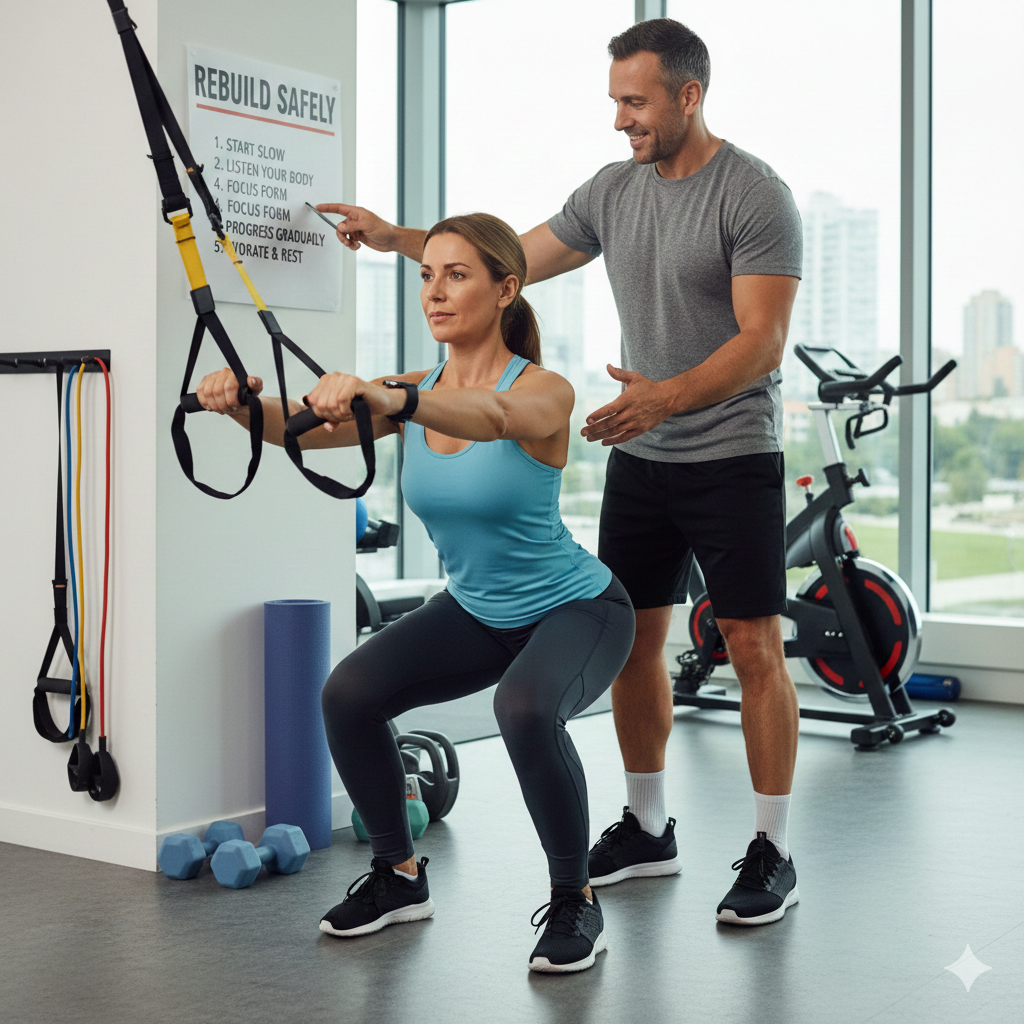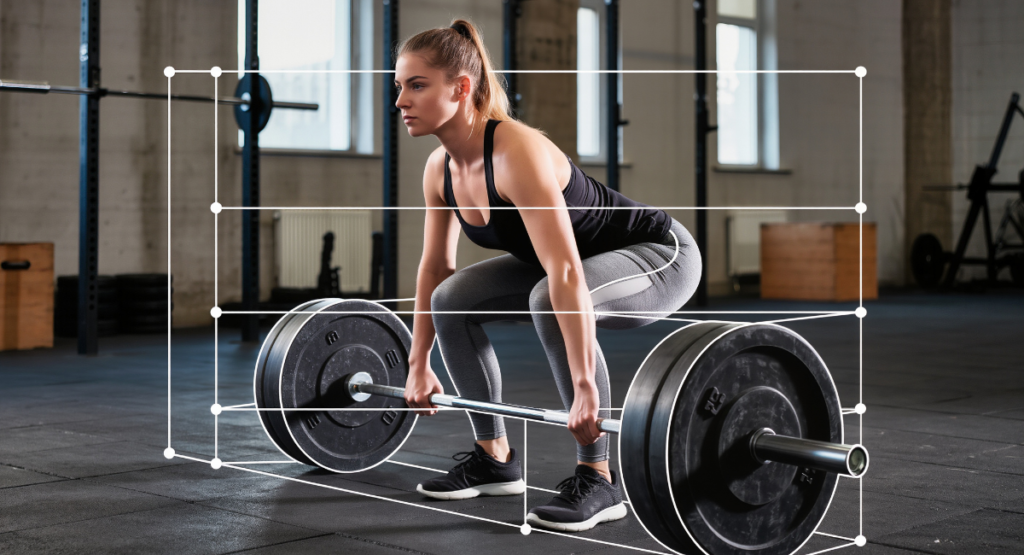


With a focus solely on the weights you lift, you may overlook other vital aspects of your fitness journey. Tracking progress in the gym encompasses a variety of factors beyond numbers, such as body measurements, strength gains, and overall wellness. By considering these elements, you can gain a comprehensive view of your progress, avoiding the pitfalls of plateaus and maintaining motivation. This holistic approach to tracking enables you to appreciate the positive changes in your fitness journey, supporting your long-term goals more effectively.
Key Takeaways:
- Track various metrics such as workout consistency, endurance improvements, and personal records.
- Incorporate body composition measurements and physical measurements to assess overall progress.
- Set specific, achievable goals beyond weightlifting to maintain motivation and engagement.

Understanding Fitness Goals
Defining Personal Objectives
To effectively track your progress, start by defining personal objectives that resonate with you. This means identifying specific outcomes you wish to achieve, such as improving endurance, building muscle, or achieving a particular weight. Nailing down these objectives helps you tailor your workouts to your unique aspirations and creates a clear path forward.
Short-term vs Long-term Goals
Breaking your aspirations into short-term and long-term goals can enhance focus and motivation. Short-term goals might include consistent weekly workouts or mastering a new exercise, while long-term goals often revolve around significant milestones like completing a marathon or achieving a certain physique.
Balancing short-term and long-term goals ensures you stay engaged and motivated. For instance, setting a short-term goal of running 5 kilometers within the month helps you build up to a long-term goal of participating in a half-marathon. These milestones serve as checkpoints along your journey, making the overall process more manageable and rewarding. Celebrating small victories keeps your momentum strong and fosters a sense of achievement on your fitness journey.
Importance of SMART Goals
By incorporating the SMART criteria-Specific, Measurable, Achievable, Relevant, and Time-bound-you can craft goals that are not only clear but also actionable. This structured approach allows you to track and assess your progress effectively, adjusting your plans as needed to stay on course.
Utilizing SMART goals enhances your motivation and accountability. For example, instead of saying you want to “get fit,” a SMART goal would be to “attend the gym three times a week for the next month.” This precision not only fuels your commitment but also provides tangible checkpoints to evaluate your growth, enabling you to make necessary adjustments along the way for optimal results.
The Role of Strength Tracking
Recording Weights Lifted
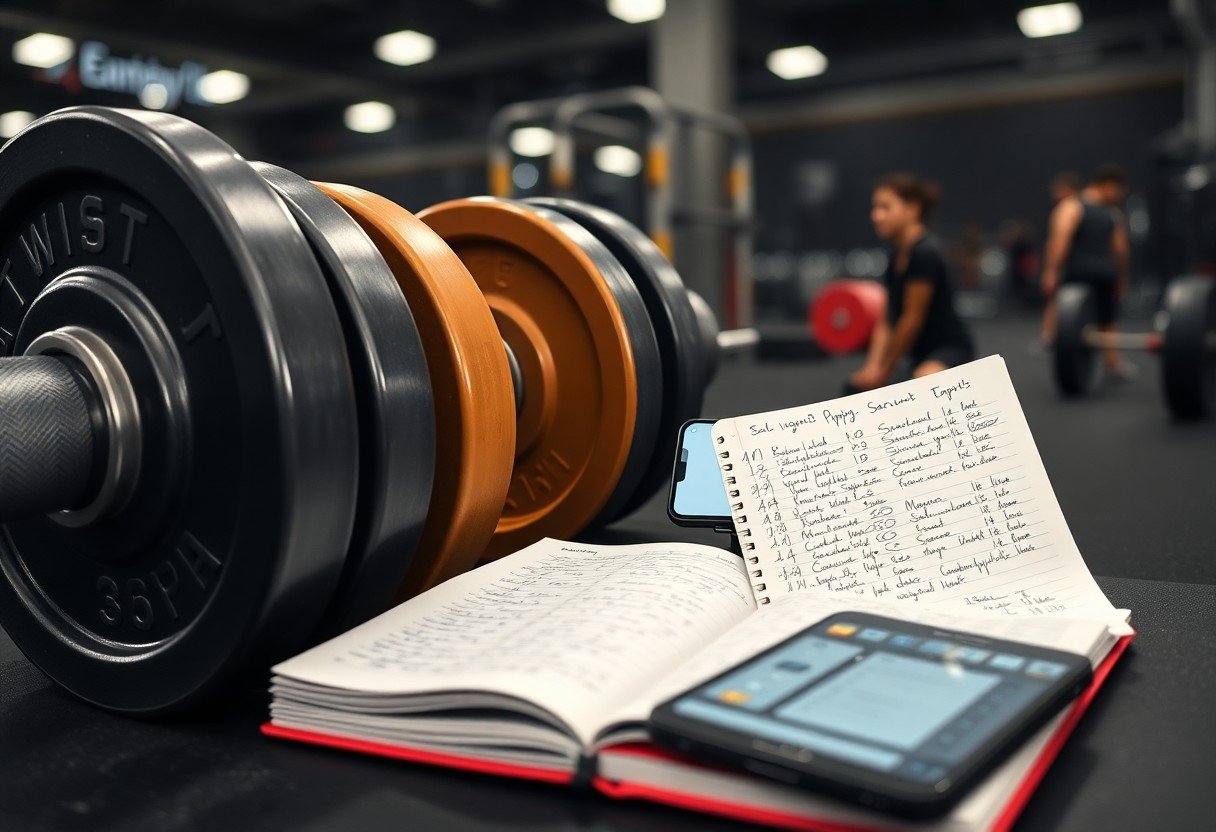
Keep a detailed log of the weights you lift during each session. This process not only clarifies your starting point but also allows you to recognize patterns over time. You might find that certain exercises progress faster than others, helping you allocate your effort effectively. Using apps or spreadsheets can simplify this tracking, making it easy to visualize gains.
Understanding Rep and Set Variations
Altering the number of repetitions and sets in your workouts can significantly impact your strength development. Each variation serves a unique purpose, whether you’re building endurance with higher reps or maximizing strength through lower reps with heavier weights. Experiment with these variables to find what best stimulates your growth.
Incorporating various rep and set schemes allows you to target different muscle fibers and energy pathways. For example, performing sets of 8-12 reps focuses on hypertrophy, while 3-5 reps targets maximal strength. Adjusting these variables not only keeps your workouts exciting but also challenges your muscles in new ways, avoiding plateaus and promoting continued adaptation.
Frequency of Tracking Progress
Regularly tracking your progress ensures you remain accountable to your fitness objectives. Daily or weekly assessments allow you to make quick adjustments to your training regimen. Establishing a routine for recording your strength metrics, such as a dedicated workout journal or tracking app, can enhance motivation and commitment.
Tracking your progress frequently-ideally after every workout or weekly-helps you stay engaged with your goals. It provides opportunities to celebrate smaller wins, like adding weight to your lifts, while identifying areas for improvement. Consistent monitoring fosters a positive feedback loop that can propel your fitness journey forward, inspiring you to push past limitations.
Beyond the Barbell: Measuring Other Metrics
Body Composition as a Key Indicator
Your body composition-consisting of fat mass and lean mass-serves as a significant indicator of your overall health and fitness. Instead of solely focusing on the scale, consider using tools like skinfold calipers or bioelectrical impedance scales to better understand your progress. Tracking changes in body composition can give you insight into muscle gain and fat loss, revealing improvements that might not reflect in weight alone.
Endurance and Cardiovascular Health
Measuring your endurance and cardiovascular health through metrics such as mileage run, time for specific distances, or heart rate recovery can provide you with a more comprehensive view of your fitness. Incorporating activities like running or cycling allows you to gauge improvements in stamina and heart efficiency, which are key components of overall health.
For instance, tracking your 5K time quarterly can illustrate your progress, while monitoring your resting heart rate can indicate cardiovascular improvements. Aim for a steady decline in heart rate after intense exercise, which shows your heart is becoming more efficient. These metrics help you set realistic goals and push your limits effectively.
Flexibility and Mobility Assessments
Flexibility and mobility are often overlooked but play an important role in your overall fitness. Regular assessments, such as the sit-and-reach test or shoulder mobility evaluations, can highlight areas needing improvement. Enhanced flexibility not only helps prevent injuries but also allows for better performance in strength training and everyday activities.
By incorporating flexibility assessments into your routine, you can identify specific movement limitations. For example, if you struggle with hip mobility, specific stretching or mobility drills can be integrated into your workouts, leading to improved performance in exercises like squats and deadlifts. Monitoring these metrics ensures you maintain a balanced fitness regimen.
The Importance of Mindset
Building a Positive Gym Environment
Creating a positive gym environment significantly enhances your progress. Surround yourself with supportive individuals who inspire you, whether through group classes or a workout buddy. This community fosters motivation and accountability, making each session not just a workout, but a shared experience. When you step into a space filled with encouragement and energy, your mindset shifts, allowing you to push harder and strive for personal bests.
Tracking Mental Progress
Tracking mental progress is as important as monitoring physical gains. Consider keeping a journal where you note feelings, motivation levels, and mindset shifts after workouts. This reflection helps identify patterns that correlate with your performance and satisfaction. Ultimately, understanding your mental landscape allows you to adjust your approach and maintain a positive trajectory.
In your journal, gauge how different factors-like workout intensity, social interactions, or even pre-workout nutrition-affect your state of mind. By analyzing these notes, you can pinpoint moments of clarity or inspiration that lead to breakthroughs in confidence and overall gym performance. This introspective practice can illuminate areas needing improvement or reinforce strategies that lift your spirits and enhance your dedication.
Techniques to Enhance Focus and Dedication
Implementing techniques to boost your focus and dedication can transform your gym experience. Simple methods such as setting clear intentions for each workout, breaking larger goals into smaller, manageable tasks, and practicing mindfulness can sharpen your mental game, leading to more effective sessions.
Consider using a method like visualization, where you mentally rehearse your workout or read your goals before training. This primes your mind for success, while techniques such as deep breathing before workouts reduce anxiety and keep you centered. By integrating these practices into your routine, you can cultivate a laser-like focus, ensuring that each session is purposeful and productive, ultimately leading to lasting progress in both body and mind.
Utilizing Technology for Progress Tracking
Fitness Apps and Wearables
Fitness apps and wearables enable you to monitor your workouts and daily activity levels seamlessly. Wearables like smartwatches or fitness trackers provide real-time feedback on your heart rate, calories burned, and even sleep quality. Popular apps such as MyFitnessPal or Strava can log workouts, track nutritional intake, and connect with others for additional motivation, ensuring you stay accountable to your fitness goals.
Digital Progress Logs
Digital progress logs allow you to capture detailed records of your workouts over time, making it easy to analyze trends and adjust your fitness strategies. These logs can include elements such as exercise volume, personal bests, and recovery times, providing insights into your performance and helping to identify areas for improvement.
By consistently updating your digital progress logs, you might discover patterns that can truly inform your training regimen. For example, noting how you feel during specific workouts in relation to your sleep or nutrition can reveal what factors positively or negatively impact your performance. This data-driven approach empowers you to make informed adjustments, optimizing your training and supporting your overall journey toward your fitness goals.
Online Coaching and Feedback
Online coaching offers you personalized guidance based on your specific needs and goals. Through video calls or messaging, coaches can assess your form, provide tailored workout plans, and offer valuable feedback on your performance, ensuring you remain on track.
Engaging with an online coach can enhance your training by offering expert eyes where you may overlook technical details. By uploading videos of your lifts or exercises, your coach can give you constructive criticism, helping to refine your technique. This direct line of feedback creates a structured accountability that keeps you motivated and encourages you to push your limits safely.
Accountability and Community Support
Benefits of Workout Partners
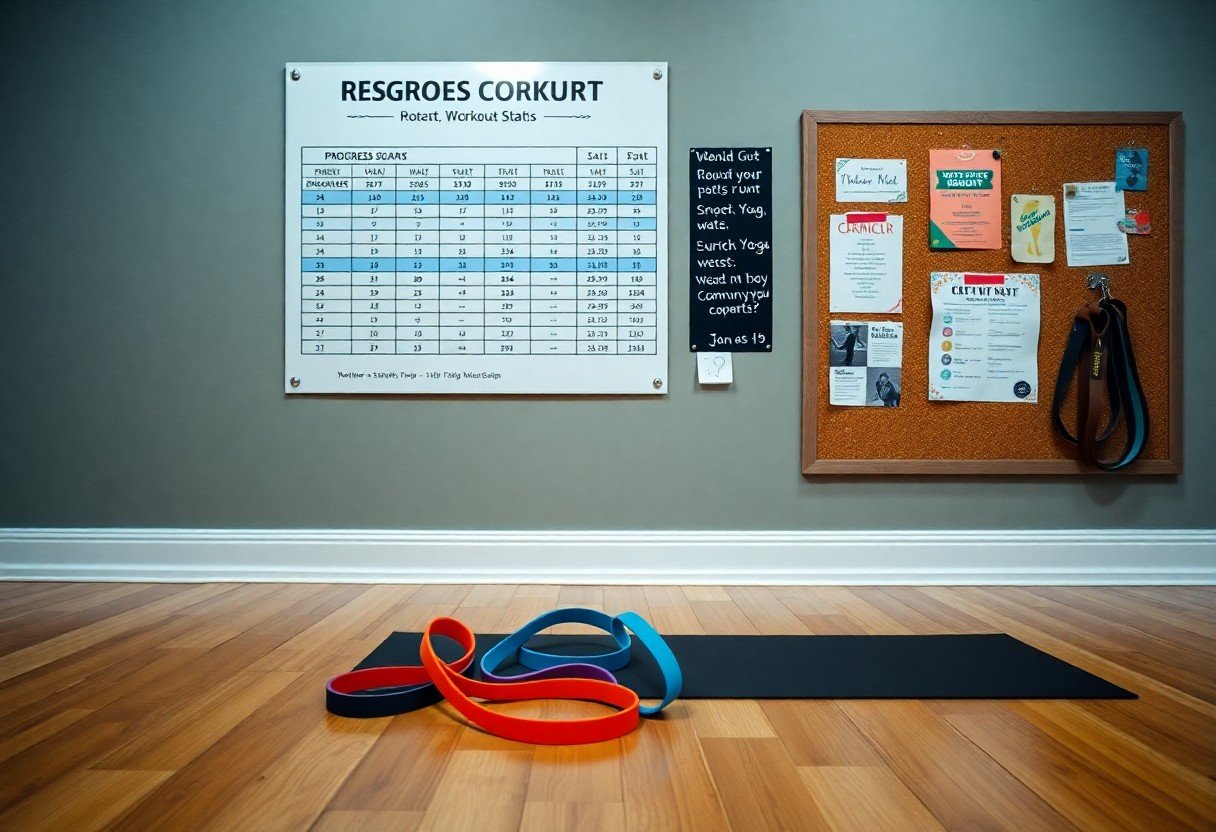
Having a workout partner can significantly enhance your gym experience by providing motivation and accountability. When you team up with someone, you’re less likely to skip workouts. Partners can push each other to meet goals, celebrate milestones, and keep each other consistent. In fact, studies show that individuals who work out with a partner see an increase in adherence to their fitness routine.
Joining Fitness Classes or Groups
Participating in fitness classes or groups offers a sense of community that fosters both motivation and commitment. The shared experience can make workouts more enjoyable, encouraging you to push your limits while receiving guidance from instructors. Structured classes also help you focus on proper techniques and introduce you to various training methods.
Many find that classes create an atmosphere of camaraderie. Group dynamics lead to friendly competition, making it easier to stick with your regimen. Class schedules provide a structure, making it less likely for you to skip out. From HIIT to yoga, the diversity keeps your fitness journey engaging and less monotonous.
Social Media and Online Communities
Engaging with social media and online fitness communities can enhance your commitment to your fitness goals. These platforms allow you to share progress, seek advice, and foster interactions with like-minded individuals. Posting updates about your workouts increases your accountability while gaining feedback and support from others.
Online communities offer access to a wealth of knowledge through shared experiences, tips, and success stories. You can join forums, follow fitness influencers, and participate in challenges that can motivate you to stay on track. Being part of these virtual networks can help create lasting connections, further enhancing your fitness journey. For insights on results timelines, check How Long Does It Take To See Results From Working Out.
Conclusion
Drawing together all the elements of tracking progress in the gym, it’s necessary to go beyond merely focusing on the weights you lift. You should consider metrics like workout consistency, endurance, form improvement, and overall wellbeing. By monitoring these factors, you create a more holistic view of your fitness journey, enabling you to celebrate milestones that reflect your commitment and growth. This multifaceted approach not only enhances your motivation but also leads to lasting results, ensuring your time spent in the gym is both productive and rewarding.
FAQ
Q: How can I track my gym progress beyond weight lifted?
A: Consider tracking body measurements, body fat percentage, workout duration, endurance improvements, and personal fitness goals. These metrics provide a more holistic view of your fitness journey.
Q: What tools can I use to measure my progress in the gym?
A: Utilize fitness apps for logging workouts, smart scales for weight and body composition, tape measures for body measurements, and journals to record personal achievements and milestones.
Q: Is it important to track my progress weekly or monthly?
A: Tracking progress monthly allows for better assessment of long-term changes and helps identify trends. Weekly assessments can provide motivation and allow for quicker adjustments to your routine.
Q: How can I measure my endurance improvements?
A: Test your endurance by performing consistent cardio sessions, noting the distance covered or time taken. Compare results over weeks to see improvements in stamina and cardiovascular fitness.
Q: Should I focus on strength, endurance, or flexibility in my progress tracking?
A: Aim to track all three aspects for a balanced fitness regimen. Each component contributes to overall health, performance, and injury prevention, helping to create a well-rounded fitness profile.