

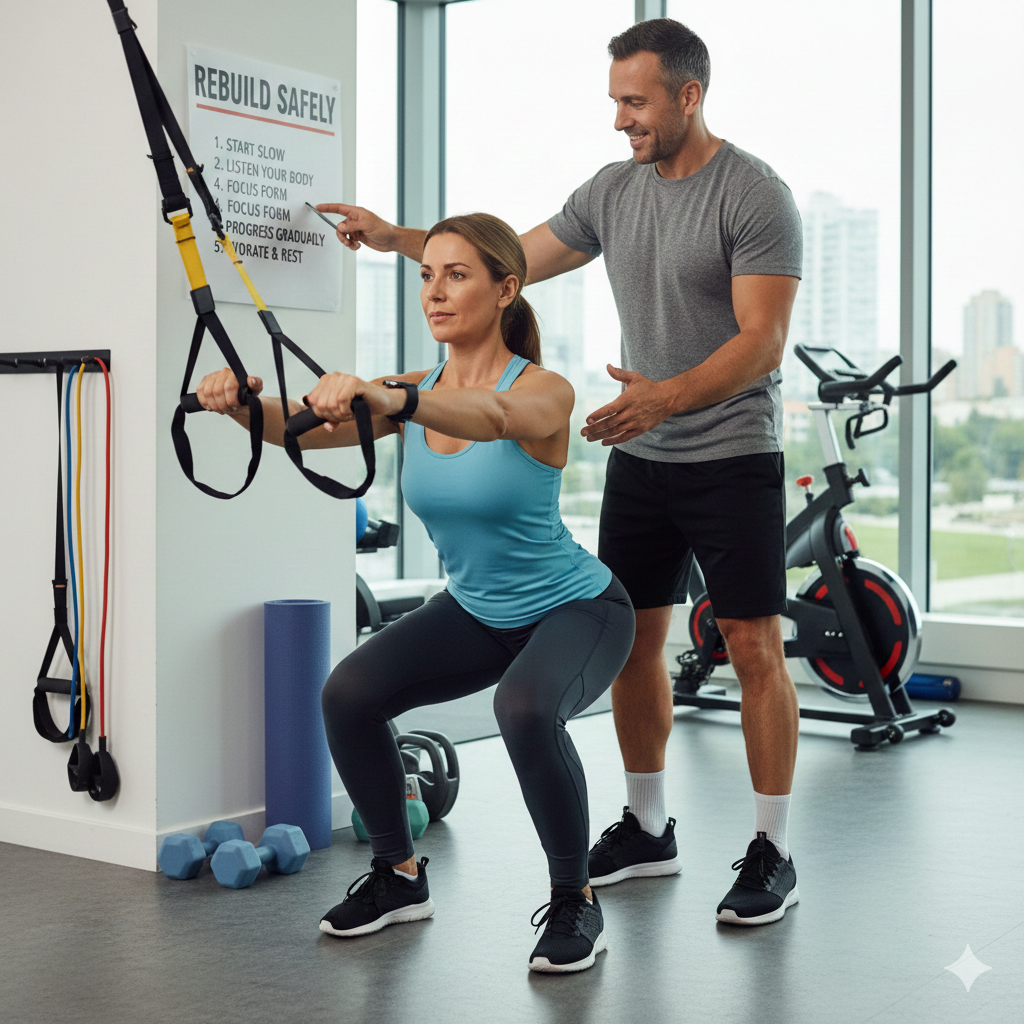
You can successfully return to the gym after a long break by following a structured approach that focuses on safety and gradual progression. Start with light workouts to assess your fitness level and prevent injuries. Prioritize proper form to avoid strain, and listen to your body as you increase intensity. Setting realistic goals will help you stay motivated while ensuring that you rebuild your strength and endurance effectively. With the right mindset and careful planning, your return to the gym can be both rewarding and injury-free.

Key Takeaways:
- Begin with light exercises to assess fitness levels and avoid injury.
- Gradually increase workout intensity and duration over time.
- Incorporate rest days to allow for recovery and prevent overtraining.

Understanding the Importance of a Safe Return
The Risks of Returning Too Soon
Rushing back into your workout routine can lead to serious injuries, such as muscle strains, joint pain, or even fractures. Overexerting yourself without proper conditioning increases the likelihood of setbacks that may sideline you longer than anticipated. In fact, studies show that approximately 50% of individuals experience injuries during their first few weeks back at the gym after a long break. Prioritize a safe reentry to avoid becoming part of this statistic.
The Benefits of Gradual Progression
Taking a gradual approach not only minimizes injury risk but also enhances long-term performance. By allowing your body to adapt, you build strength and endurance effectively. This tactic leads to a sustained interest in fitness, as steady improvements can boost your motivation and confidence. For instance, transitioning from bodyweight exercises to weightlifting over several weeks can establish a solid foundation and prevent overwhelming fatigue.
Gradual progression also fosters a better understanding of your body’s signals, enabling you to recognize when something is wrong. Implementing a weekly increase in intensity of 10-20% is a proven method embraced by fitness experts. For example, if you start with a mere 20-minute walk, adding just a few minutes weekly allows you to build up to 30 minutes or more without overwhelming your muscles. This intentional approach not only secures your safety but also paves the way for lifelong fitness gains.
Assessing Your Current Fitness Level
Self-Assessment Techniques
Start with a simple self-assessment to gauge your fitness level. Perform basic exercises like push-ups, squats, and planks, counting how many you can do in one minute. Additionally, take note of your stamina with a brisk 1-mile walk or jog, and record the time. This exercise gives you clear benchmarks to track progress as you ease back into your routine.
Consulting with a Professional Trainer
Working with a certified personal trainer can significantly enhance your return to fitness. A trainer will evaluate your current abilities through fitness assessments and customize a program tailored to your specific needs and goals, ensuring a safe progression. This expertise is vital for identifying limitations and creating a routine that minimizes the risk of injury.
A professional trainer can also incorporate effective techniques such as flexibility assessments and strength tests, which provide quantifiable measures of your fitness level. They can use tools like heart rate monitors to determine your cardiovascular conditioning and guide you in setting realistic, achievable goals. By paying attention to your individual strengths and weaknesses, they design a plan that aligns with your current capabilities, making the transition back to the gym smoother and more enjoyable.
Setting Realistic Goals
Short-term vs. Long-term Goals
Short-term goals focus on immediate achievements, like completing a specific workout program or increasing your weightlifting capacity within a few weeks. These milestones keep you motivated and provide a sense of accomplishment early in your journey. Long-term goals, on the other hand, might involve significant weight loss, muscle gain, or completing a race, which typically take months or even years to reach. Balancing both types of goals enhances your training experience and keeps you engaged throughout your fitness journey.
The SMART Goal Framework
The SMART framework helps you set goals that are Specific, Measurable, Achievable, Relevant, and Time-bound. This approach ensures your goals are clear and trackable, making it easier to stay focused and accountable. For instance, instead of saying, “I want to get fit,” specify, “I will run 3 times a week for 30 minutes each session for the next month.” This clarity provides direction and enhances the likelihood of success.
When applying the SMART framework, you enhance your chances of achieving your fitness objectives. For example, if your goal is to lose weight, instead of aiming to just “lose weight,” you might aim to lose 1-2 pounds per week for the next 10 weeks. This specific, measurable target ensures that you can monitor your progress effectively. Adjust your goals as needed based on your progress and challenges, maintaining relevance to your overall fitness or health journey while keeping within a realistic timeframe.

Creating a Structured Fitness Plan
Components of a Balanced Routine
A balanced fitness routine encompasses strength training, cardiovascular exercises, and flexibility work. Aim to incorporate a mix of these components throughout your week. For instance, engage in resistance training at least twice a week, while also allocating time for cardio sessions, such as jogging or cycling. Lastly, don’t overlook flexibility; include yoga or stretching to improve mobility and prevent injuries.
Incorporating Rest and Recovery
Rest and recovery are imperative for achieving optimal performance and preventing injuries. Schedule at least one or two full rest days each week to allow your muscles to recover and rebuild. You can also incorporate active recovery sessions, such as light walking or gentle yoga, to enhance blood flow without adding strain on your body.
When planning your recovery, consider the impact of sleep and nutrition as well. Aim for 7-9 hours of quality sleep per night to enable muscle repair and hormonal balance. Additionally, prioritize post-workout nutrition with a mix of protein and carbohydrates to replenish energy stores and support muscle recovery. By following these strategies, you foster a sustainable workout routine that supports your long-term fitness goals.
Tips for a Successful Comeback
- Set realistic goals to avoid frustration.
- Gradually increase intensity to prevent injury.
- Prioritize recovery to sustain long-term progress.
- Utilize a workout plan to ensure structure.
- Seek community support for motivation.
- Keep a positive mindset to enhance your experience.
For insights on how ‘Going back to the gym after long hiatus feels impossible’, check out this discussion.
Choosing the Right Time to Begin
Reflect on your current lifestyle and schedule to find an appropriate time to return to the gym. Look for moments when you feel less stressed and have the energy to commit to your workouts. Make sure your mental and emotional state aligns with your goals, ensuring the best chance for a successful comeback.
Listening to Your Body’s Signals
Pay attention to how your body reacts during and after workouts. It’s important to recognize signs of fatigue, discomfort, or pain. These signals indicate whether you should adjust your routine, so don’t ignore them.
Staying Consistent and Motivated
Establish a regular workout schedule that fits comfortably within your lifestyle. Consistency will make it easier for you to build habits and progress over time, keeping motivation levels high.
To enhance motivation, consider setting specific, achievable milestones and celebrate them. Keeping track of your progress through journals or fitness apps can help maintain focus. Connecting with others on similar journeys creates accountability and sparks inspiration throughout your fitness journey.
Factors Influencing Your Return
- Age
- Physical Condition
- Previous Exercise Habits
- Mental and Emotional Readiness
Age and Physical Condition
Your age and physical condition play a significant role in how quickly you can return to the gym. Typically, older individuals may take longer to recover and adapt than younger ones, especially if there are underlying health issues. It’s paramount to listen to your body and adjust your workouts accordingly. Start gradually and prioritize flexibility and mobility in your routine.
Previous Exercise Habits
Analyzing your previous exercise habits provides insight on how to approach your return. If you were regularly active, you may find it easier to regain your fitness than if you had been sedentary. Pay attention to your past routines, as they set the foundation for your re-entry strategy.
If you were involved in regular physical activity before your break, your body retains some muscle memory. This means you might pick things up quicker, but don’t push too hard. Establish a plan that respects your past fitness levels while allowing for gradual progression to avoid frustration and injury.
Mental and Emotional Readiness
Your mental and emotional readiness is just as important as your physical condition. A positive mindset can enhance your motivation and commitment to rebuilding your fitness, while anxiety or lack of confidence might hold you back. Assess your emotional state and ensure you feel prepared to take on the challenges of returning to the gym.
To wrap up
The key to a successful return to the gym after a long break is to approach your workouts with patience and a gradual increase in intensity. Focus on establishing a consistent routine and listen to your body’s feedback to avoid injury. Prioritize warm-ups, proper form, and adequate recovery time. Incorporating variety in your exercises can keep you motivated while promoting overall fitness. By pacing yourself and setting realistic goals, you can effectively rebuild your strength and endurance, ensuring a safe and sustainable return to your fitness journey.
FAQ
Q: How long should I wait before returning to the gym after a long break?
A: It is generally advisable to wait at least a few weeks to allow your body to recover, especially if you haven’t exercised in several months. Gradually easing back into a routine helps prevent injuries.
Q: What is the best way to start exercising again after a long break?
A: Start with low-intensity workouts focused on mobility and flexibility, such as walking, stretching, or light cardio. Gradually incorporate strength training and increase the intensity over several weeks.
Q: How often should I workout when returning after a long break?
A: Begin with 2-3 days a week, focusing on full-body workouts. As your fitness improves, you can increase the frequency and intensity, ensuring your body adapts properly.
Q: What signs should I look for to know if I’m overdoing it?
A: Watch for signs such as persistent fatigue, excessive soreness, joint pain, or reduced motivation to exercise. If these occur, it may be necessary to reduce workout intensity or frequency.
Q: Should I consult a professional before returning to the gym?
A: Yes, consulting a fitness trainer or healthcare provider can provide personalized guidance and help create a safe and effective return-to-fitness plan, tailored to your specific needs.