
There’s a right way to incorporate free weights and machines into your gym routine to maximize your fitness results. This guide will help you understand the benefits and risks associated with each approach, ensuring you can build strength safely and effectively. By mastering the techniques outlined here, you will enhance your muscle development and performance, all while reducing the likelihood of injury.
Key Takeaways:
- Establish proper form to prevent injuries and maximize workout effectiveness.
- Balance your routine by incorporating both free weights and machines to target different muscle groups.
- Progressively increase weights and intensity to continue building strength and endurance over time.
Understanding Free Weights
What are Free Weights?
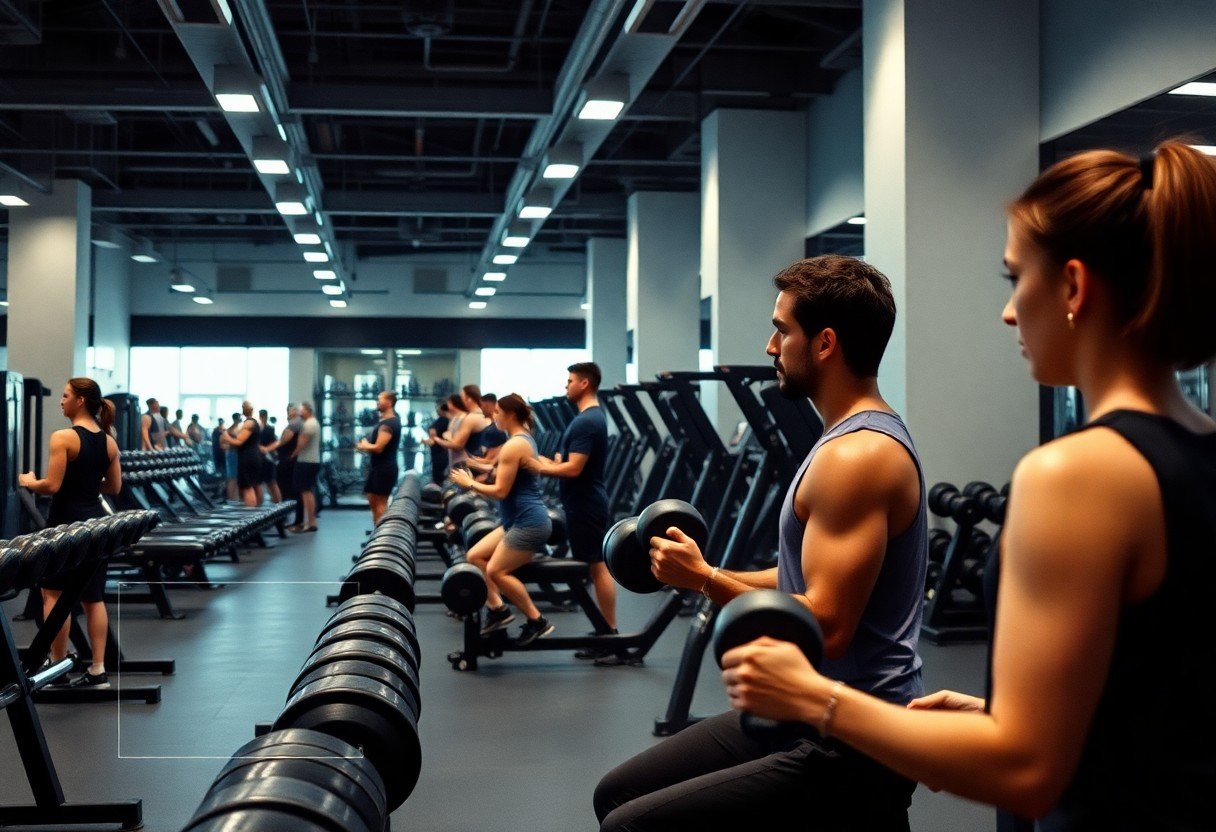
Free weights are portable pieces of equipment that allow for a range of exercises, typically including dumbbells, barbells, and kettlebells. Unlike machines, which guide your movement along a fixed path, free weights require you to stabilize and control the weight, engaging multiple muscle groups during your workouts.
Benefits of Using Free Weights
Incorporating free weights into your routine enhances strength, stability, and functional fitness. Their versatility targets both large and small muscle groups, making them ideal for developing a balanced physique. Moreover, working with free weights often leads to improved coordination and core strength, factors crucial for athletic performance and daily activities.
Moreover, using free weights can lead to greater calorie burn, as multi-joint movements activate more muscles compared to isolated exercises on machines. Research indicates that participants engaging with free weights can achieve up to 20% more muscle activation than those using machines. This translates into efficient workouts, maximizing your effort.
Common Free Weight Exercises
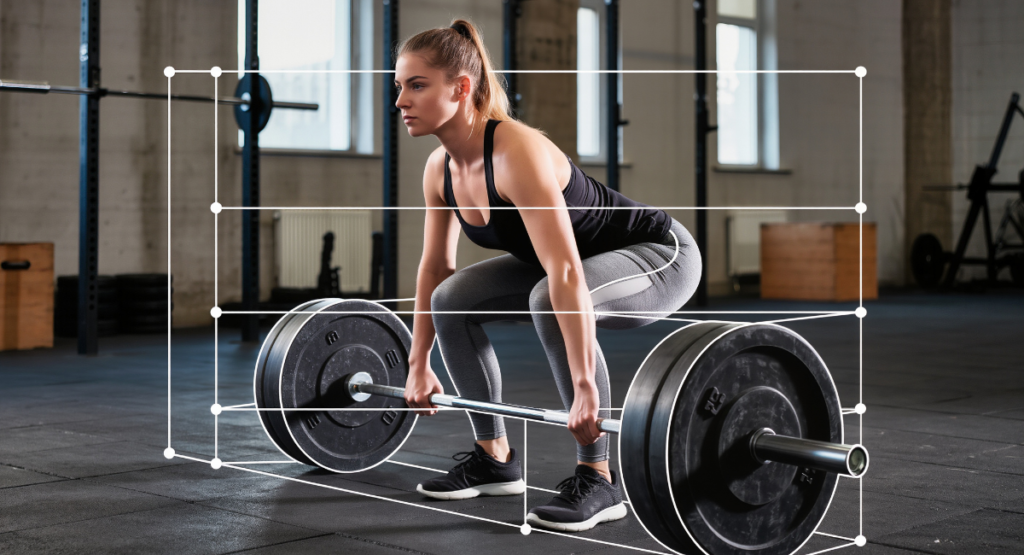
Popular free weight exercises include the squat, deadlift, bench press, and shoulder press. These foundational movements build strength and muscle across various body parts, making them staples in many training programs.
In addition to the basics, you can explore variations such as goblet squats, single-arm rows, or Bulgarian split squats to challenge your muscles further. These exercises not only improve strength but also promote greater mobility and balance, which are crucial for both athletic performance and daily tasks. Implementing a mix of these exercises can keep your workouts engaging and effective.
Understanding Gym Machines
What are Gym Machines?
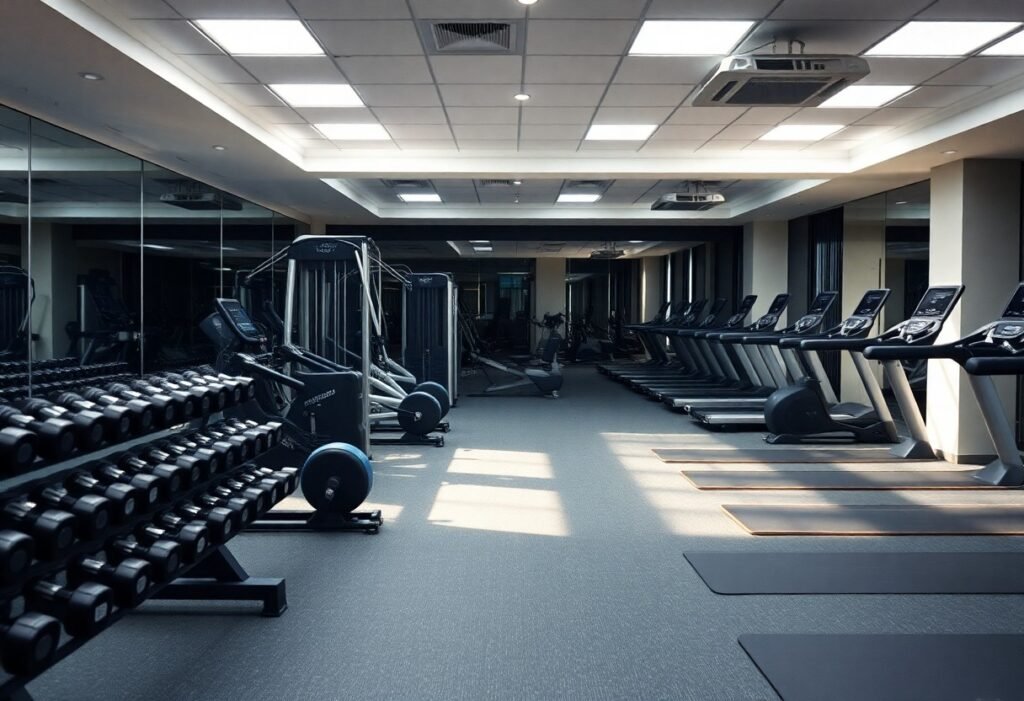
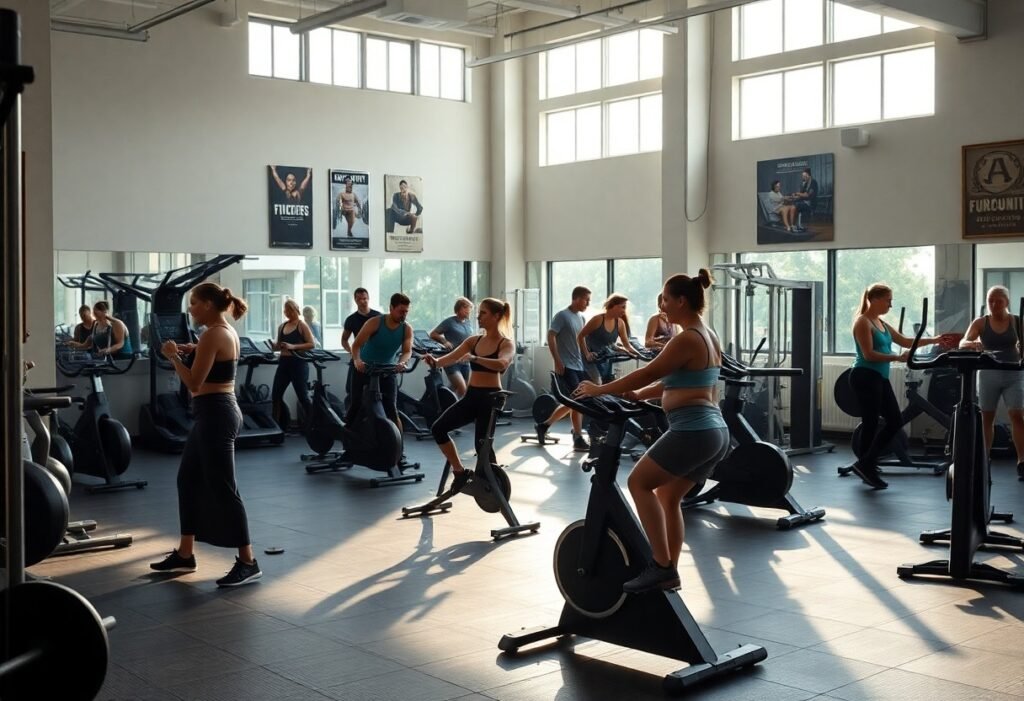
Gym machines are specialized equipment designed to assist you in performing various exercises with proper form and safety. They typically use weight stacks and pulleys to provide resistance during workouts, making them user-friendly and ideal for beginners. With a plethora of options available, choosing the right machines can significantly enhance your training routine. You can explore more about this in our Gym Machine Workout Routine For Beginners.
Benefits of Using Gym Machines
Using gym machines offers several advantages, particularly for individuals who are new to strength training. They provide stability and allow you to focus on specific muscle groups while minimizing the risk of injury.
Moreover, gym machines expedite the learning process for strength exercises. Many machines come with guided movements, helping you build confidence in your workout regimen. The controlled environment ensures that you engage the right muscles effectively. This aspect is particularly beneficial if you’re recovering from an injury or are uncertain about maintaining proper form with free weights.
Key Types of Gym Machines
The landscape of gym machines includes various types catered to different workouts. Understanding these can help you devise a tailored training plan. Common categories include:
| Strength Machines | Focus on specific muscle groups for strength building. |
| Cardio Machines | Enhance cardiovascular fitness through aerobic exercise. |
| Functional Trainers | Simulate everyday movements for overall conditioning. |
| Multi-gyms | Offer several workout options in one machine. |
| Isolation Machines | Target specific muscle groups for targeted training. |
Any of these machines can be integrated into your routine for an effective workout experience.
With such a diverse array of choices available, you have ample opportunities to engage different muscle groups effectively. Strength machines like the leg press can significantly enhance your lower body power, while cardio machines such as treadmills are great for cardiovascular endurance. Functional trainers enable you to mimic real-life movements, enhancing your agility and coordination. If you’re short on time, multi-gyms consolidate your workout options into one space-saving design. Isolation machines, on the other hand, allow for a more concentrated approach to muscle building. Any well-rounded routine can benefit from including various gym machines.
- Strength Machines: Designed for building muscle.
- Cardio Machines: Improve heart health.
- Functional Trainers: Enhance daily movement.
- Multi-gyms: Versatile workout options.
- Isolation Machines: Focus on specific areas.

How to Incorporate Free Weights into Your Routine
Setting Up Your Workout
Before submerging into free weight exercises, establish a structured workout routine. Start with a thorough warm-up, incorporating dynamic stretches to prepare your muscles. Aim for a balanced split between strength training and recovery days, ensuring that you allow adequate time for each muscle group to rest. Plan your sessions for at least three non-consecutive days a week to see significant gains.
Choosing the Right Exercises
Your choice of exercises should target major muscle groups for an effective, well-rounded routine. Focus on compound movements like squats, deadlifts, and bench presses, as they engage multiple muscles simultaneously. Incorporate isolation exercises for refined strength, such as bicep curls and tricep extensions, ensuring all areas are addressed.
When dicking out free weight exercises, emphasize functional movements that mimic real-life activities. This enhances your strength applicable to daily tasks. Consider alternating between upper and lower body workouts to maintain engagement. Also, incorporate variations, like using dumbbells or kettlebells, to challenge your muscles differently and prevent plateaus.
Tips for Proper Technique and Form
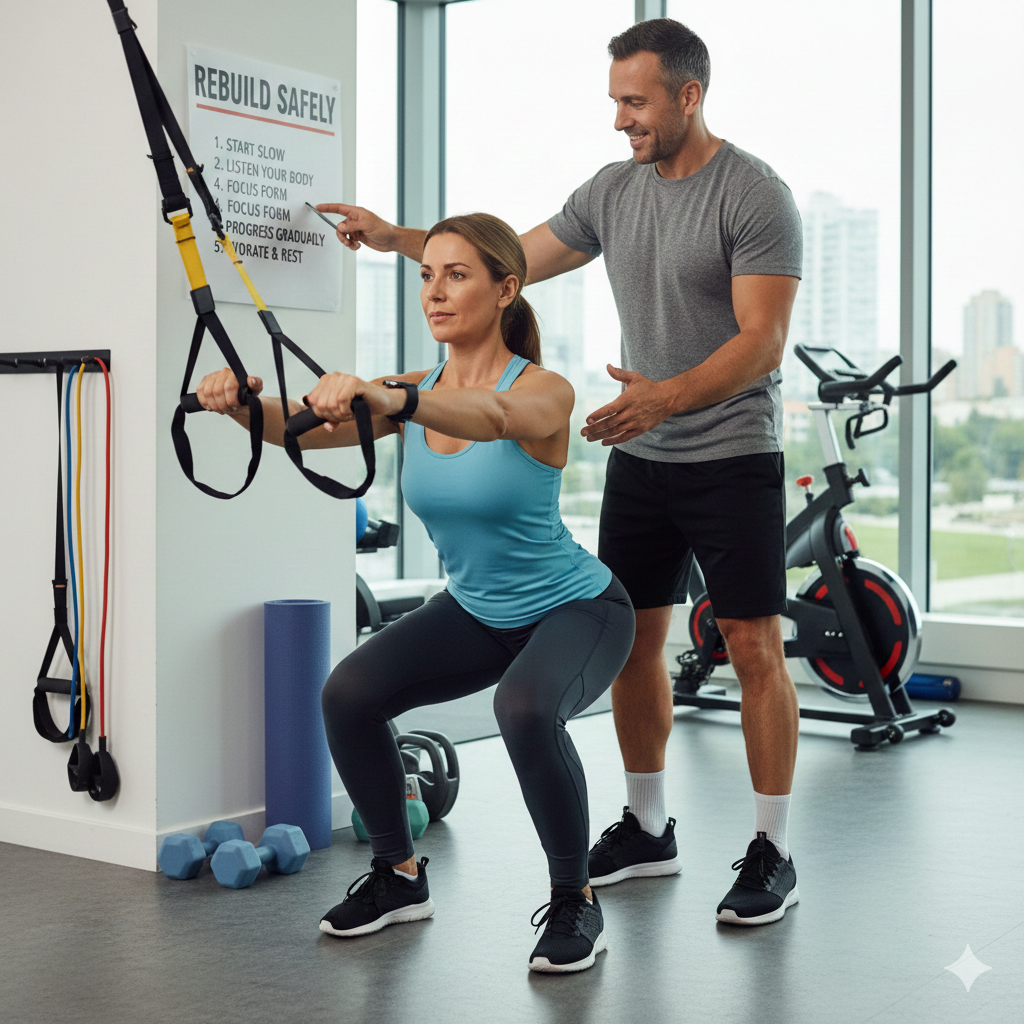
Maintaining proper technique is necessary for achieving optimal results and preventing injuries. Always prioritize alignment, keeping your core engaged and back straight during lifts. Focus on controlled movements rather than using momentum. Don’t hesitate to reduce weight to perfect your form before progressing to heavier loads.
- Prioritize alignment to ensure safety
- Engage your core throughout each movement
- Perform lifts in a controlled manner to optimize effectiveness
Incorporating variations can also enhance your understanding of your body mechanics. Use mirrors or workout apps to check your form. If available, seek advice from a trainer during your initial sessions. After mastering the basics, gradually increase weight while maintaining proper form.
- Utilize mirrors or video for feedback
- Seek trainer advice if unsure
- Gradually increase weights while maintaining form
How to Use Machines Effectively
Understanding Machine Settings
Before using any gym machine, familiarize yourself with its settings. Adjust the seat height, backrest, and weight selection to suit your body measurements and strength level. Proper adjustments ensure that your body aligns correctly with the machine’s pivot points, maximizing efficiency and minimizing injury risk. Always consult the instructional graphic on each machine for specific setup guidelines.
Prioritizing Safety and Comfort
Ensure your safety and comfort by adjusting machines to fit your body correctly. Always check that the weight selection is appropriate for your level of experience, and use the machine properly to prevent injury. Secure your feet, hands, and body parts as required before starting your sets.
Pay attention to your body as you adjust the machine settings. When using leg press machines, for example, your back should be flat against the seat, and knees should not extend beyond your toes. If you feel discomfort or strain in any area, stop and reassess your positioning or weight choice to ensure optimal comfort.
Tips for Maximizing Muscle Engagement
To maximize muscle engagement while using machines, focus on your form and tempo. Maintain a controlled pace, avoiding rapid repetitions that could lead to injury. Emphasize the contraction phase of each lift for added effectiveness, ensuring muscles work optimally throughout the range of motion.
- Engage your core throughout each exercise.
- Use a full range of motion to enhance muscle activation.
- Incorporate progressive overload by gradually increasing weights.
Engaging your core enhances stability and supports proper lifting form during machine exercises, leading to better performance and reduced risk of injury. Integrating progressive overload periodically challenges your muscles and ensures continued improvement. The focus on maintaining consistent tempo throughout your workout allows you to feel every contraction, thereby enhancing muscle engagement.
- Consider incorporating dropsets for intensified muscle work.
- Practice regular stretching to improve flexibility and range of motion.
- Track your progress to stay motivated and accountable.
Factors to Consider for an Effective Routine
- Fitness goals – Define what you want to achieve.
- Fitness level – Assess your current abilities.
- Workout frequency – Determine how often you can train.
- Equipment access – Understand what’s available to you.
- Technique focus – Prioritize form over quantity.
Setting Fitness Goals
Establishing clear and achievable fitness goals significantly enhances your training regimen. Whether you aim to build muscle, lose weight, or increase endurance, your objectives should be specific and measurable. Break down your long-term goals into smaller, actionable steps that keep you motivated and accountable.
Assessing Your Fitness Level
Identifying your fitness level allows you to tailor your routine effectively. Consider factors such as strength, endurance, flexibility, and body composition. Knowing where you stand helps in selecting appropriate exercises and intensity for your workouts.
To accurately assess your fitness level, perform baseline tests such as measuring your maximum lift for key exercises or completing timed runs for specific distances. This data provides a solid foundation for creating a personalized program with manageable progression, ensuring you avoid injury while trying to advance.
Balancing Free Weights and Machines
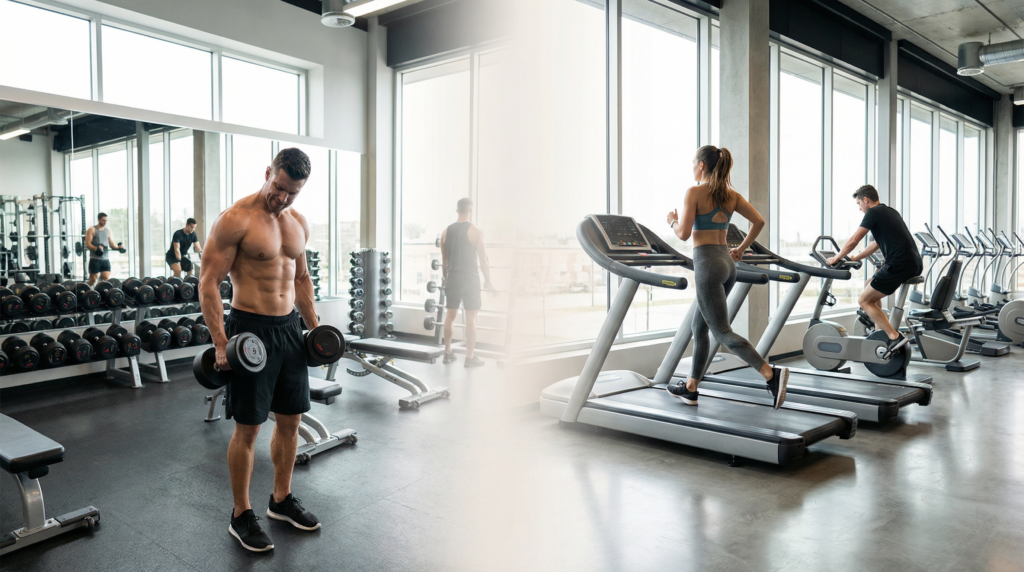
A well-rounded program includes a mix of free weights and machines, offering unique benefits. Free weights enhance your stabilizer muscles and engage more muscle groups, while machines provide safety and help maintain proper form, especially for beginners.
The ideal balance depends on your specific goals and preferences. If you aim to develop functional strength or improve athletic performance, prioritize free weights. However, for recovery or rehabilitation, machines can help you isolate specific muscles without overloading them. Adjust your routine accordingly to optimize results while minimizing potential risks.
Sample Workout Routines
Beginner Full-Body Routine
For those just starting out, a full-body routine is perfect to develop strength and establish a solid foundation. Aim for three sessions per week, incorporating exercises like squats, push-ups, and dumbbell rows. This routine utilizes both free weights and machines, allowing you to maximize your gains while learning proper form and technique.
Intermediate Split Routine
An intermediate split routine allows for increased intensity by targeting specific muscle groups on different days. Typically structured over four to five days, you can focus on upper body one day and lower body the next, giving each muscle group ample recovery time while enhancing strength. This approach optimizes your workouts and helps identify areas that need more attention.
With an intermediate split, you ideally separate your workouts into upper and lower body sessions. For example, on an upper body day, you might include exercises like bench presses, overhead presses, and rows, while a lower body session could consist of squats, deadlifts, and calf raises. By isolating muscle groups, you can lift heavier weights and increase volume, which leads to greater muscle growth.
Advanced Strength Training Program
For seasoned gym-goers, an advanced strength training program focuses on progressive overload, high volume, and various training techniques such as supersets, drop sets, and pyramid training. This program demands commitment and precision, ensuring that your workouts become increasingly challenging to prevent plateaus.
- Week structure: 5-6 days per week.
- Focus: Intensity and volume increase over time.
- Exercises: Compound lifts with accessory workouts.
| Day | Focus |
|---|---|
| Monday | Chest and Triceps |
| Tuesday | Back and Biceps |
| Wednesday | Legs |
| Thursday | Shoulders |
| Friday | Full Body/Conditioning |
Advanced strength training requires a strategic approach to ensure continued progress. Key elements include tracking your max lifts, altering your rep ranges, and incorporating active recovery. By doing so, you enhance your performance and keep your routine fresh and engaging.
- Engagement: Maintain focus on weak points.
- Variation: Regularly change exercises.
- Recovery: Prioritize sleep and nutrition.
| Tips for Progression | Implementation |
|---|---|
| Track your lifts | Use a journal or fitness app. |
| Adjust your routine | Change every 4-6 weeks. |
| Focus on form | Prioritize technique over weight. |
Summing up
Considering all points, effectively using free weights and machines in your gym routine entails understanding your goals, maintaining proper form, and progressively increasing resistance. You should balance your workouts to target different muscle groups and incorporate both free weights and machines for a comprehensive training approach. Regularly assess your progress and make adjustments to your routine to ensure continued growth and avoid plateaus. By following this guide, you can maximize your workout efficiency and achieve your fitness objectives.
FAQ
Q: What is the difference between free weights and machines?
A: Free weights are individual weight items like dumbbells and barbells that require balance and stabilization. Machines are equipment designed to guide the movement and often isolate specific muscle groups.
Q: How do I determine the right weight for my workout?
A: Start with a weight that allows you to complete your target repetitions with good form. You should feel challenged by the last few reps, but not so much that you risk injury. Adjust as needed.
Q: How should I structure my gym routine when using free weights and machines?
A: A balanced routine incorporates both free weights and machines. Begin with compound movements using free weights, followed by isolation exercises on machines. Organize your sessions with a focus on major muscle groups.
Q: How often should I change my workout routine to see progress?
A: Aim to change your workout routine every 4 to 6 weeks. This can involve altering exercises, rep ranges, or the combination of free weights and machines to keep challenging your muscles.
Q: What are some common mistakes to avoid when using free weights and machines?
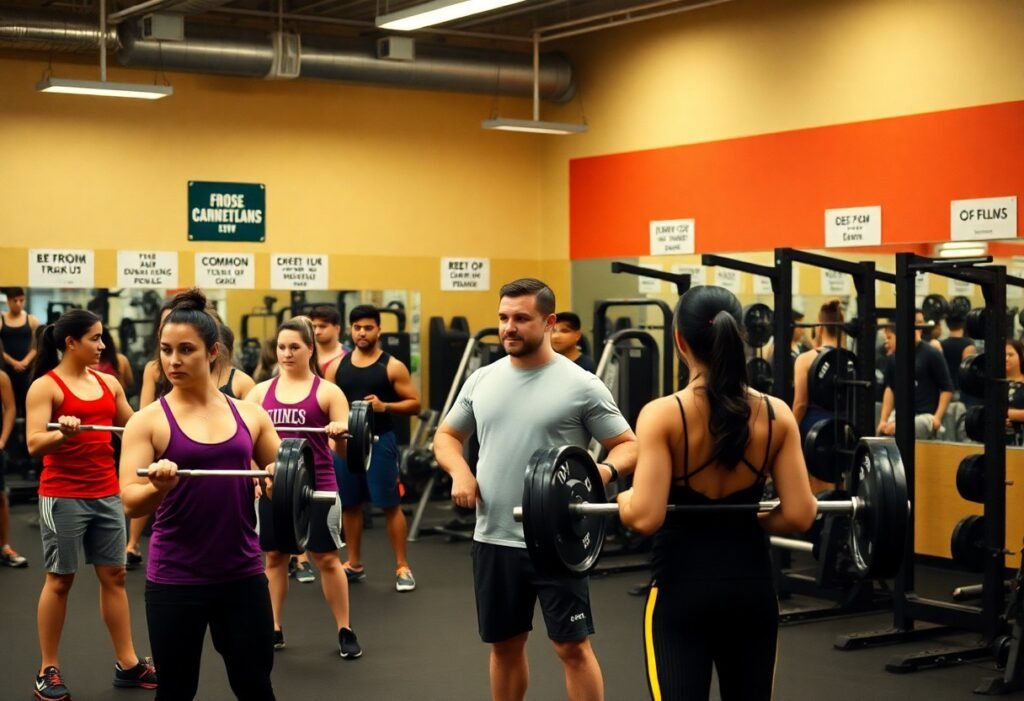
A: Common mistakes include using weights that are too heavy, neglecting proper form, skipping warm-ups, and failing to include rest days. Focus on gradual progression and prioritize technique over weight.